
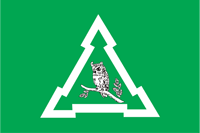
What Vostochnoye Izmaylovo Is
Vostochnoye Izmaylovo is a district in Moscow’s Eastern Administrative Okrug, where Russian heritage, Soviet-era urbanism, and modern culture meet. Its history is closely connected to the Izmaylovo Estate, once a Romanov country residence. Today, the district is known for historic sites, distinctive architecture, markets, and green spaces, including Izmaylovsky Park and the Izmaylovo Kremlin, a cultural complex inspired by 17th-century Russian architecture.
The district offers parks, folk art and crafts, festivals, and Russian cuisine. It is served by the Izmaylovskaya, Pervomayskaya, and Partizanskaya metro stations.
Quick Facts
- Area 3.84 km²
- Population 76,312 (2010 Census)
- Metro stations Izmaylovskaya, Pervomayskaya, and Partizanskaya on the Arbatsko-Pokrovskaya Line
History
The name “Izmaylovo” comes from the historic Izmaylovo Estate, which dates to the 16th–17th centuries. The estate was once a royal country residence for the Romanov family, with elaborate gardens, ponds, and the Church of the Intercession.
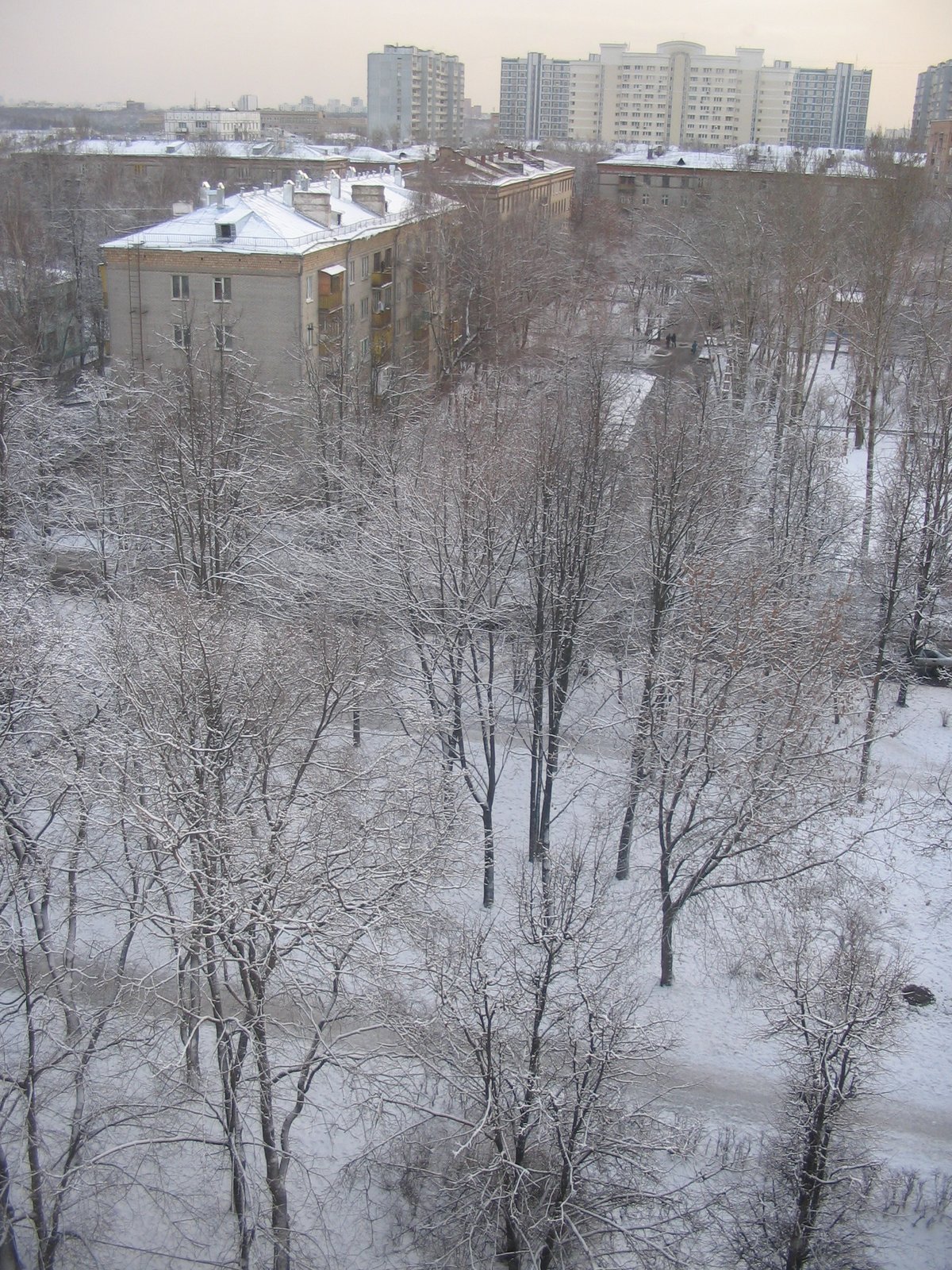
As Moscow expanded eastward during the 20th century, Vostochnoye Izmaylovo developed as a distinct administrative district. Rapid urbanization in the 1960s–70s brought Soviet apartment blocks, communal courtyards, and public facilities. Metro stations including Izmaylovskaya and Pervomayskaya connected the district to the city’s transit network.
After 1991, residential buildings were modernized, retail outlets opened, and infrastructure improved. Much of the Soviet-era architecture remains, alongside upgraded amenities and an active community life. The district shares historical roots with the nearby Izmaylovo District, once part of the Romanov estate (Wikipedia: Izmaylovo District).
What to See and Do
Izmaylovsky Park
Izmaylovsky Park spans over 1,500 hectares and is described as one of Europe’s largest urban parks. It has walking and cycling trails, playgrounds, picnic spots, scenic gardens, and ornamental ponds. The landscape was once part of the royal estate. Cultural festivals and concerts take place throughout the year.
Izmaylovo Kremlin and Vernissage Market
Near the district’s western edge, the Izmaylovo Kremlin is a late-20th-century cultural and entertainment complex built in a style inspired by traditional 17th-century Russian fortresses. It houses museums, including museums dedicated to bread, vodka, and Russian life, as well as artisan workshops. The complex hosts folk festivals, craft fairs, themed events, performances, and weddings. Workshops can include hands-on activities, and guided tours cover Russian history, architecture, and crafts.
The adjacent Vernissage Market is known for Russian crafts and antiques, including matryoshka dolls, lacquer boxes, wood carving, and folk art. Workshops and museums in the Kremlin offer further craft experiences (LikeALocalGuide: Izmaylovo Kremlin).
Annual and seasonal events include:
- Maslenitsa (Pancake Week) folk performances and pancake making.
- Night of Museums late-night museum access and performances.
- Victory Day and Russia Day parades and fireworks.
- Markets and fairs craft fairs and antique markets, especially at Vernissage.
Architecture and the Church of the Intercession
The district’s architecture includes mid-20th-century Soviet design, wide boulevards, functionalist apartment blocks, and green communal spaces. The historic Church of the Intercession, dating to the 1670s, reflects the area’s imperial past.
Practical Visiting Information
Opening Hours and Tickets
- Izmaylovsky Park Open daily, 6:00 AM–11:00 PM; free entry.
- Izmaylovo Kremlin Open 10:00 AM–8:00 PM; some venues close earlier. Entry to the grounds is free; museums and workshops charge 200–700 RUB. Tickets are available on-site or online.
- Church of the Intercession Open during daylight hours; free entry.
Guided tours of the Kremlin cost approximately 1000 RUB and can be reserved online or on-site. Local companies and cultural centers also offer walking tours covering the estate, Soviet architecture, and park highlights. Booking ahead is recommended, especially in peak seasons.
Getting There
- Metro Take the Arbatsko-Pokrovskaya Line (Line 3, also called the Blue Line) to Izmaylovskaya, Pervomayskaya, or Partizanskaya. Partizanskaya provides direct access; Partizanskaya and Izmaylovskaya are also described as a 10–15 minute walk from the Kremlin.
- Bus or tram Multiple routes serve the district; consult local schedules.
- Car Parking is limited, especially on weekends and during festivals.
- Cycling and walking Bike rental stations are available near Izmaylovsky Park, and Moscow’s Velobike system operates in warm months. The district is pedestrian-friendly.
- Taxi or ride-sharing Apps such as Yandex.Taxi offer service in the area.
Accessibility
Izmaylovsky Park and major metro stations offer wheelchair access. Most of the Kremlin complex is accessible, and assistance is available at its information center, though some wooden structures may be difficult for wheelchair users. Ramps and accessible restrooms are present in key areas. Older buildings and market areas may have limited accessibility, so check with venues about specific needs.
Best Times to Visit
Spring (May–June) and early autumn (September) are described as pleasant periods with fewer crowds. Spring and summer are good for festivals and park activities; summer brings outdoor festivals. Winter offers markets and ice skating.
Tips for Visitors
- Language Russian is predominant, and English is limited outside tourist sites; English signage is also limited. Some events and workshops offer English support. Translation apps, basic Russian phrases, or local guides can be helpful for non-Russian speakers.
- Currency The Russian ruble (RUB). Credit cards are widely accepted, but cash is useful for small vendors and recommended for market purchases.
- Weather Winters are cold, averaging -10°C in January; summers are warm, around 20–25°C in July.
- Local customs Respect local customs and politeness.
- Safety Stay alert in crowded markets and follow current travel advisories. The UK Foreign, Commonwealth & Development Office advisory cited here advises against all travel to Russia due to security concerns; travelers are advised to stay updated, register with their embassy, and exercise caution.
Nearby Places, Dining, and Local Culture
Cafes and eateries around the Kremlin and market serve Russian dishes such as borscht, pelmeni, blini, and beef stroganoff. Culinary workshops offer opportunities to try baking bread or making blini. The nearby Izmailovo Hotel complex has a range of restaurants (Wikipedia: Izmaylovo District).
Frequently Asked Questions
Q: Are there entrance fees for Izmaylovsky Park?
A: No, entry is free.
Q: What are the Izmaylovo Kremlin’s opening hours?
A: The grounds are open 10:00 AM–8:00 PM daily; some museums and workshops close earlier.
Q: Do I need tickets for the Kremlin?
A: Entry to the grounds is free. Museums and workshops require tickets, available at the entrance or online.
Q: Is the district safe for tourists?
A: It is described as generally safe, but keep up with travel advisories and practice usual precautions.
Q: Can I visit the Church of the Intercession?
A: Yes, during daylight hours; admission is free.
Q: Are guided tours available?
A: Yes. Tours cover the Kremlin and estate; booking ahead is recommended.
Q: Is the area accessible for people with disabilities?
A: Many public areas and most of the Kremlin are accessible, but some wooden structures, older buildings, and market areas may be difficult to access. Check with venues about specific needs.
Q: When is the best time for festivals?
A: Spring, including Maslenitsa, and early summer are highlighted for festivals.