
Welcome to Rostokino: A Historic Gem in Moscow
Rostokino, in Moscow’s North-Eastern Administrative Okrug, is renowned for its historic aqueduct, tranquil parks, and a blend of architectural styles. The district’s riverside landscapes and cultural sites make it an ideal stop for travelers eager to explore Moscow beyond its main tourist paths.
Early Origins and Etymology
Dating back to the 15th century, Rostokino originated as a village owned by boyar Mikhail Borisovich Pleshcheev. In 1447, the area—then called Rostokinskoye—was granted to the Trinity-Sergius Monastery, establishing its religious heritage. The name “Rostokino” comes from Old East Slavic, meaning “river split,” a nod to its location on both sides of the Yauza River.
Must-See Attractions in Rostokino
Rostokino Aqueduct
The district’s most iconic monument, the Rostokino Aqueduct (also known as the Millionny Bridge), was constructed between 1780 and 1804 to supply water to Moscow. Designed by Friedrich Wilhelm Bauer, it features 21 stone arches stretching 356 meters across the Yauza River valley. Today, the aqueduct is a protected historical site and a favorite spot for photography and leisure.
- Visiting Hours Open-air, accessible 24/7 year-round.
- Tickets Free entry.
- Accessibility Paved paths in the surrounding park are suitable for wheelchair users, though the terrain near the arches may be uneven.
- Tips Best visited in daylight for photography.
More information: Rostokino Aqueduct.
Historical Churches
The Church of the Nativity of the Blessed Virgin Mary, dating to the late 18th century, is an architectural highlight. This neoclassical church is noted for its harmonious proportions and elegant bell tower, serving as an active Russian Orthodox parish.
- Visiting Hours Generally 8:00 AM to 7:00 PM; check for changes during religious holidays.
- Tickets Free entry.
- Accessibility Limited for wheelchair users due to historic structure.
Details: Russian Churches.
Industrial Heritage
Rostokino’s industrial past is evident in its surviving mills, former factories, and urban relics. Many of these sites can be explored on guided urban exploration tours, offering a window into Moscow’s transformation in the 19th and 20th centuries.
Getting to Rostokino
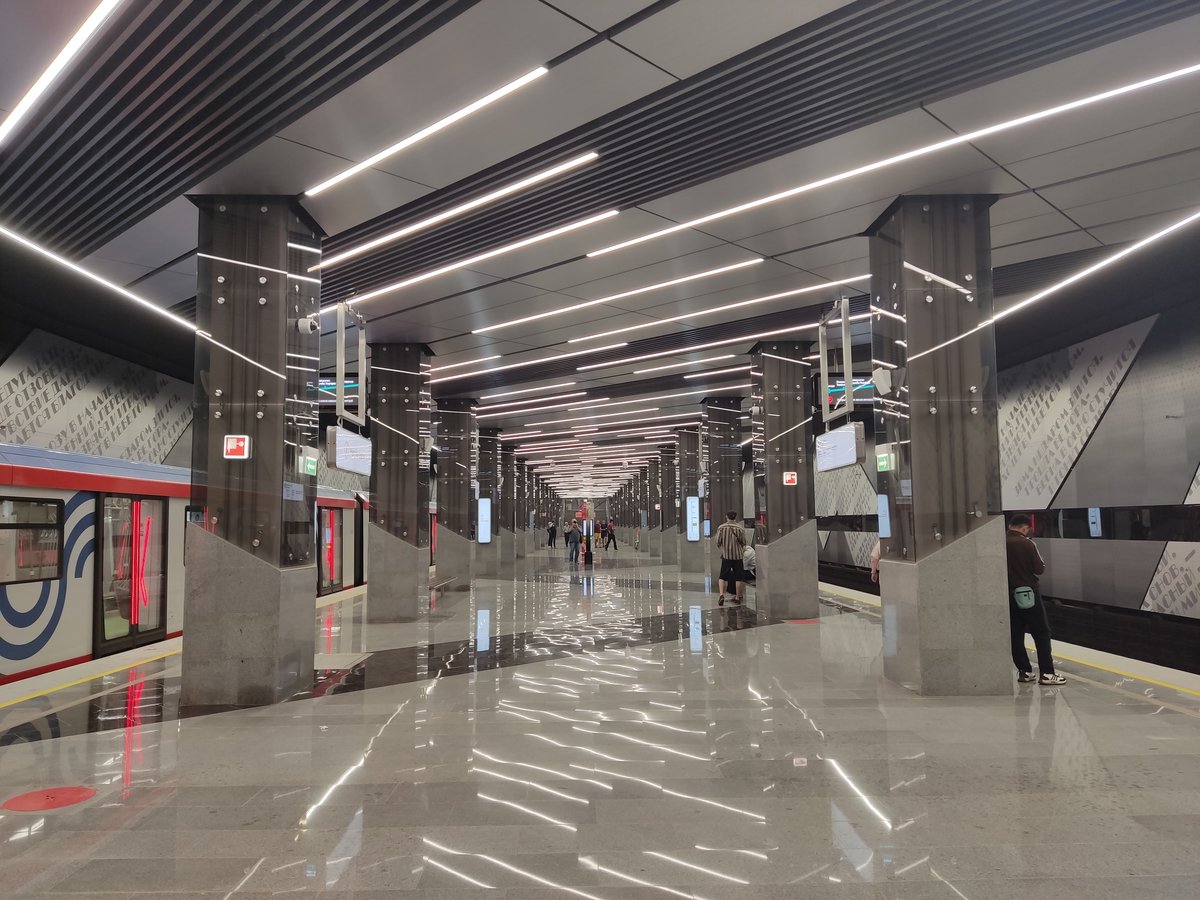
- Metro Take Line 6 to VDNKh or Botanichesky Sad; transfer to local buses or walk.
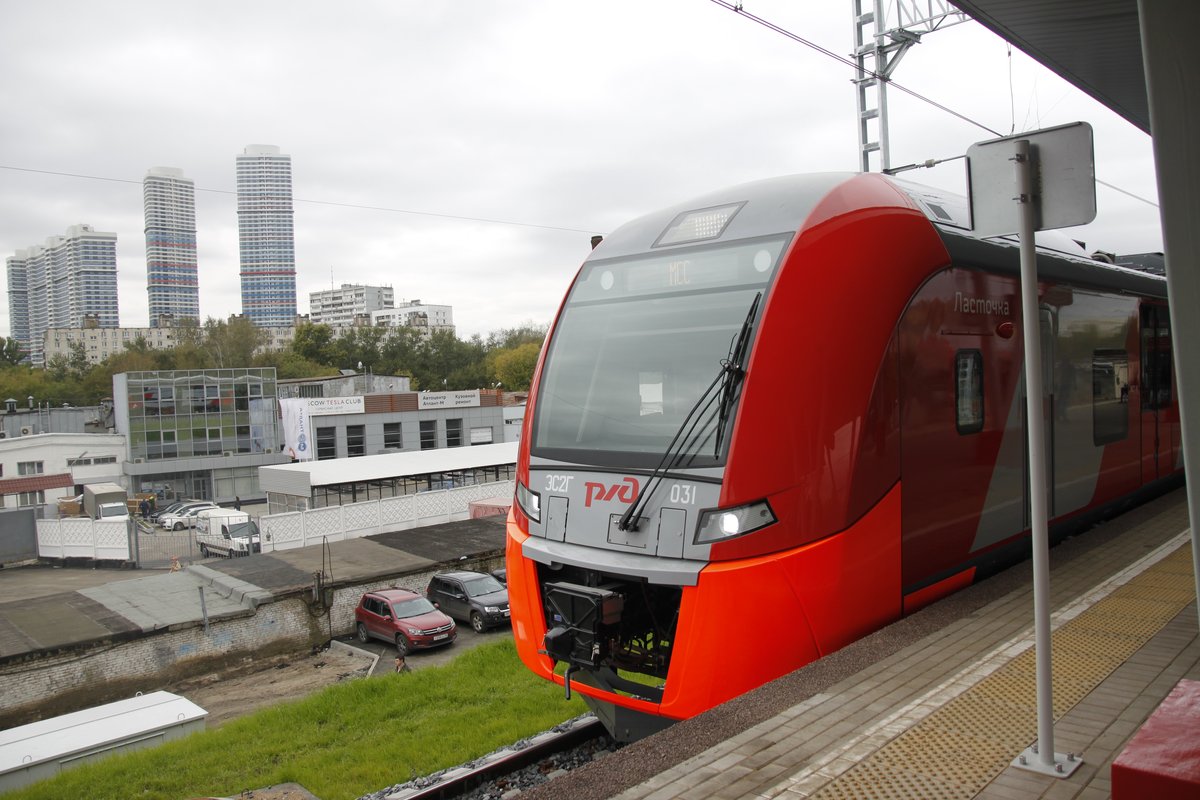
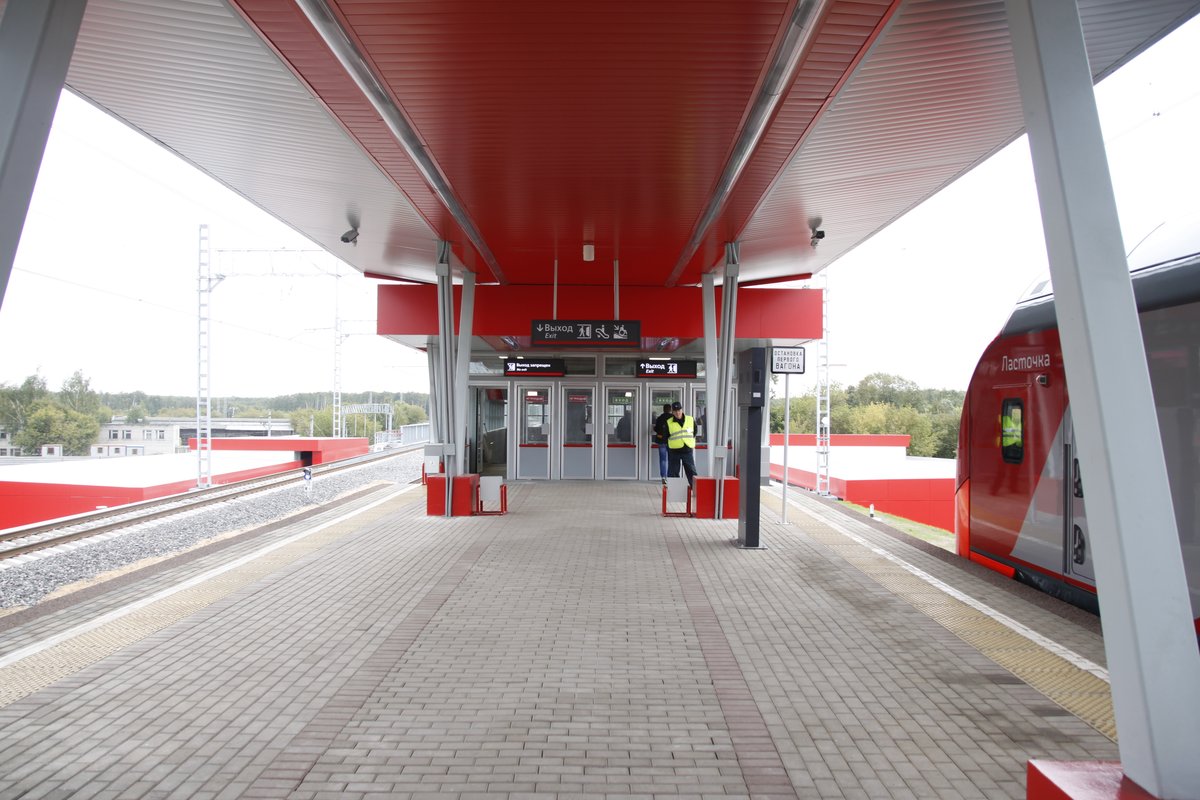
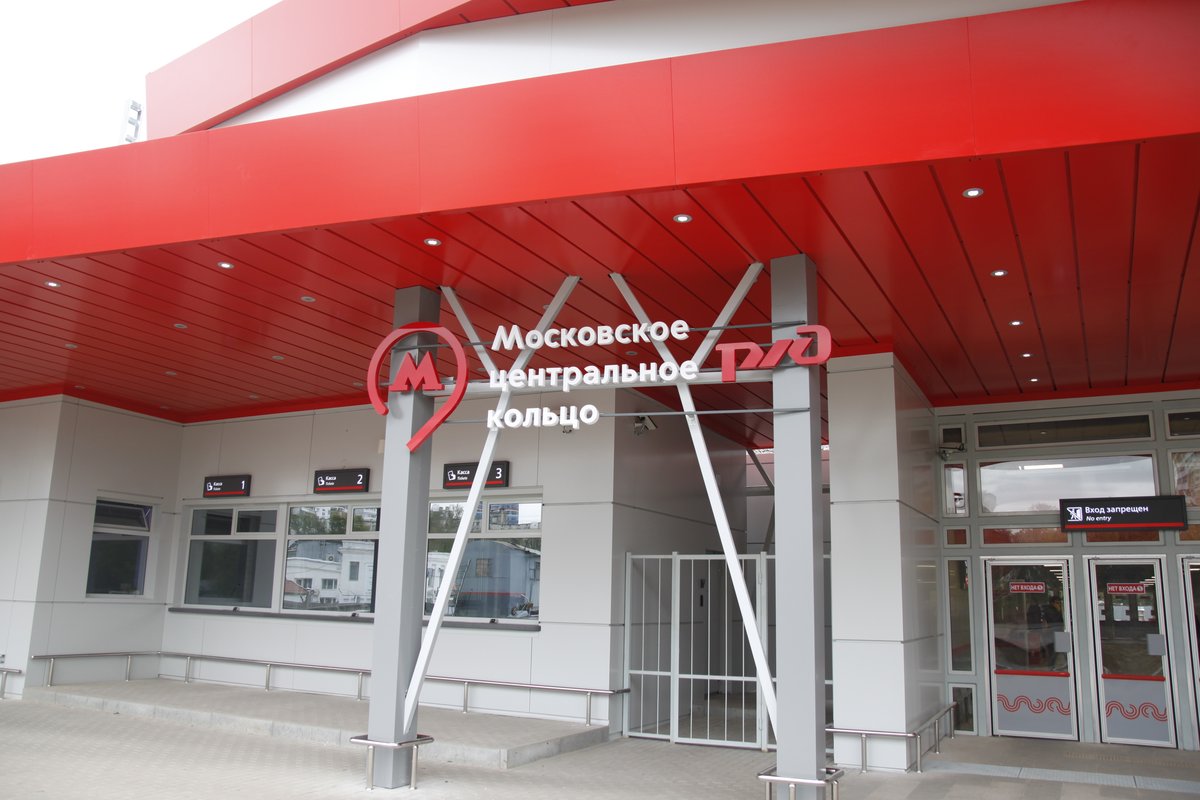
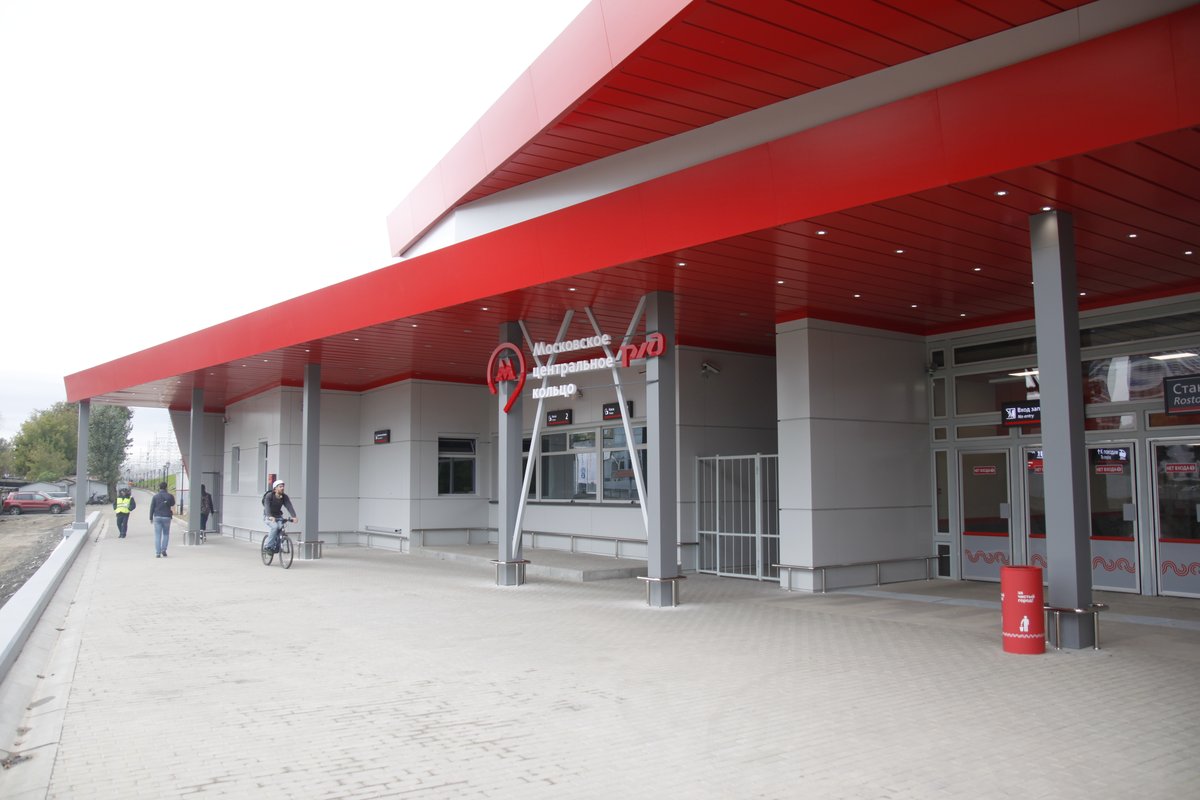
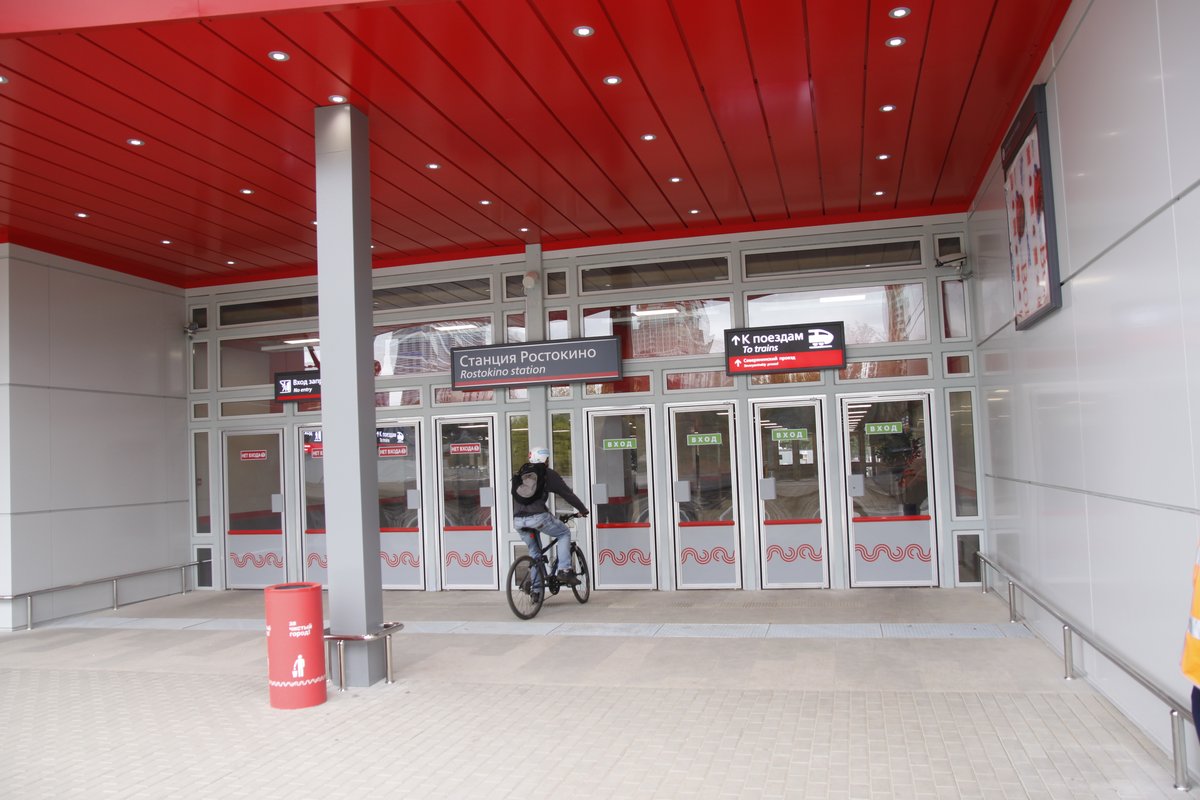
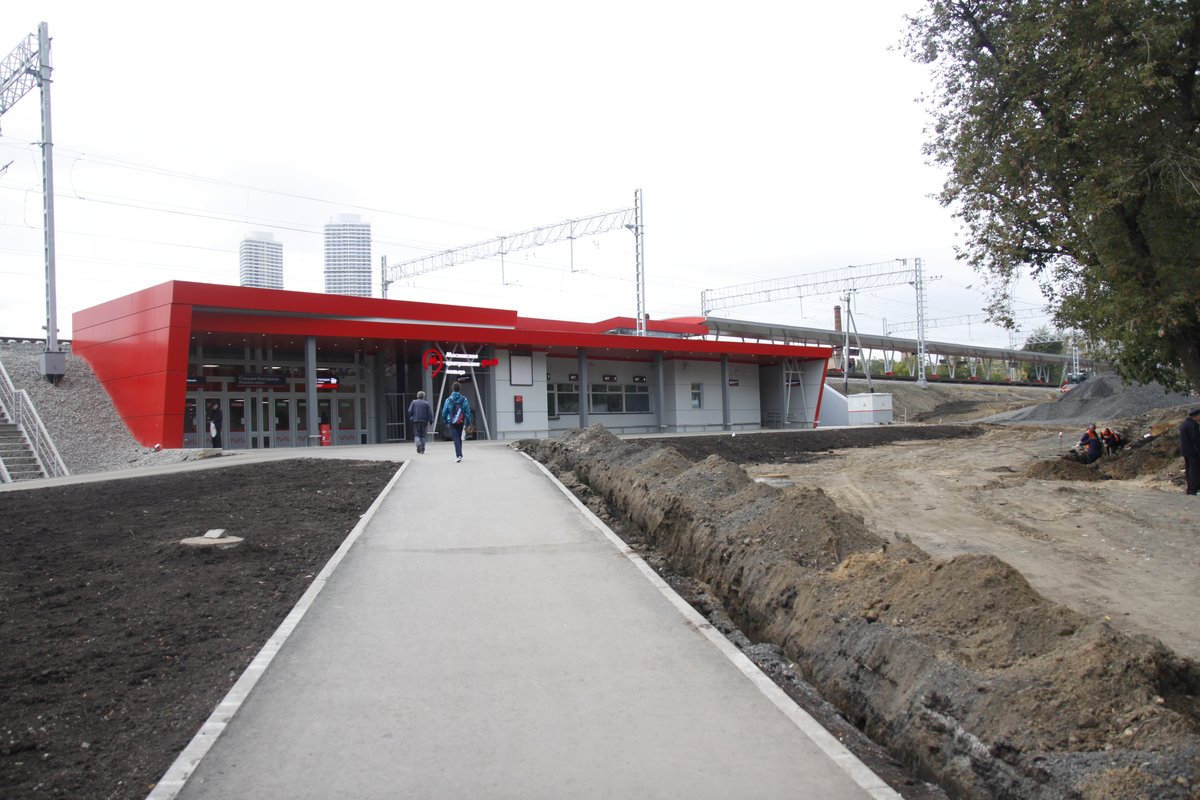
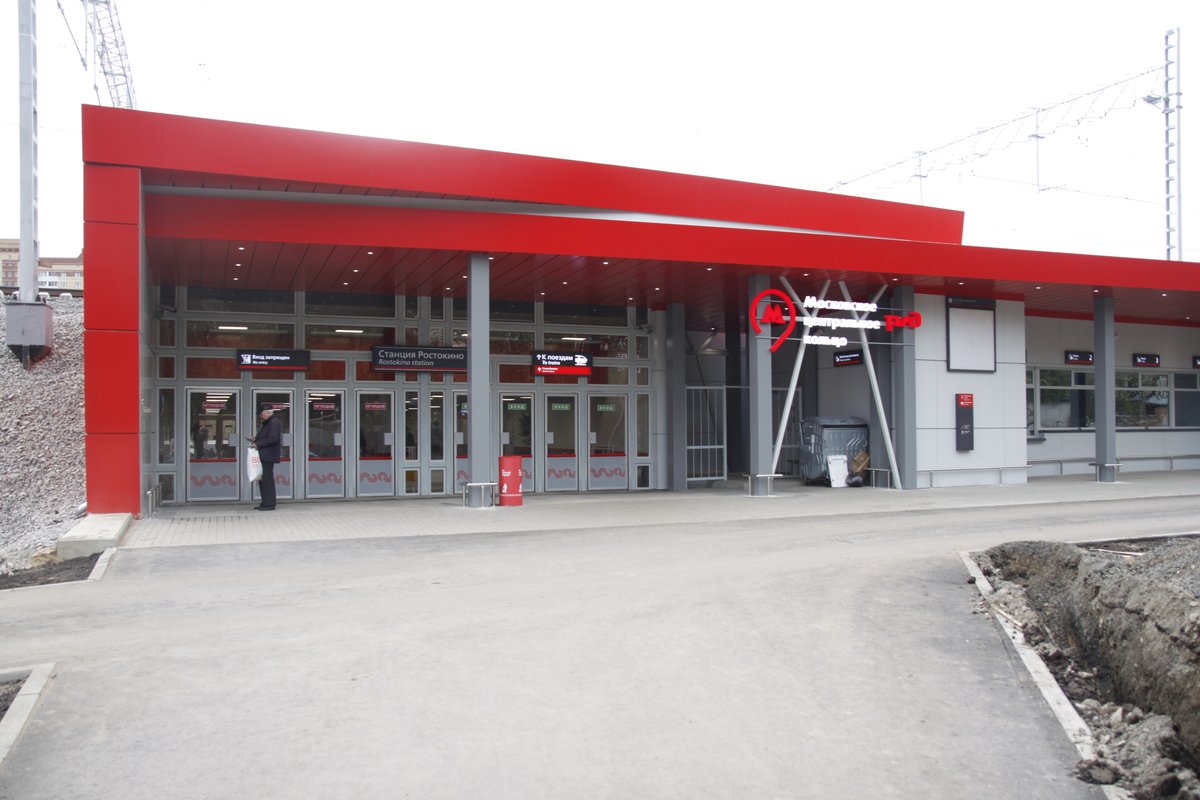
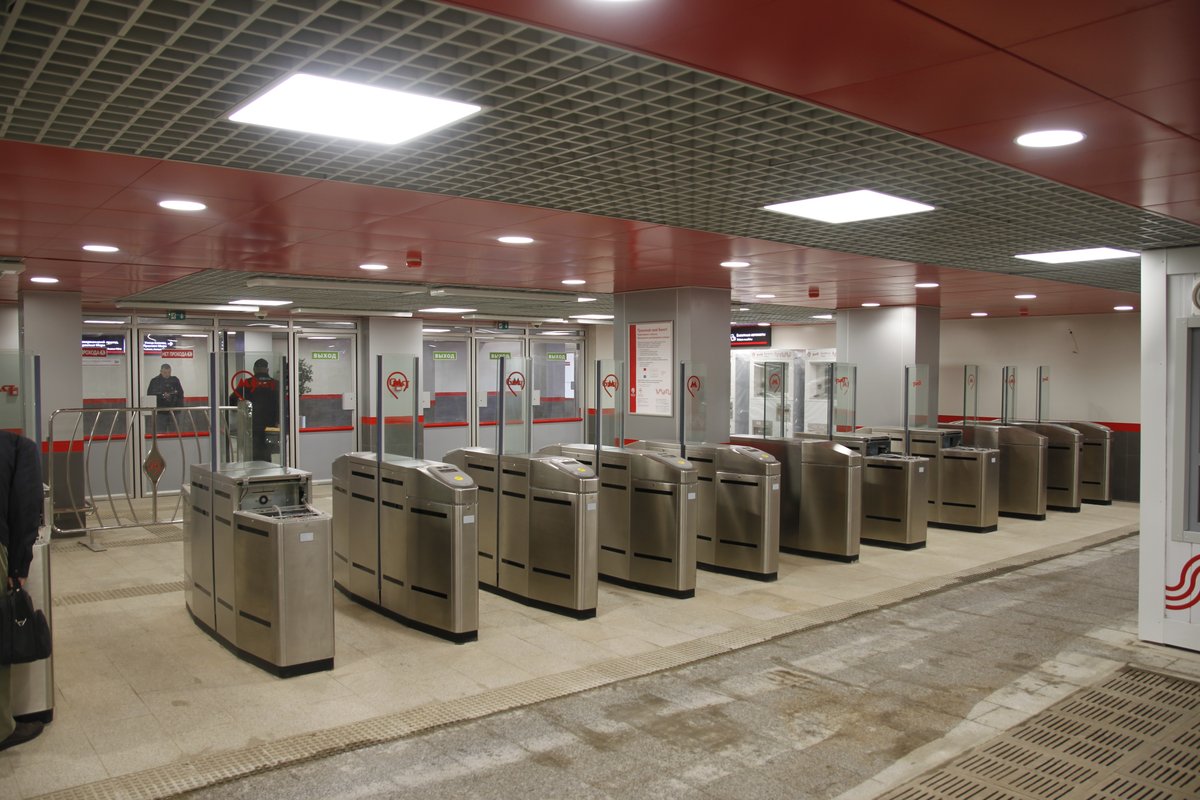
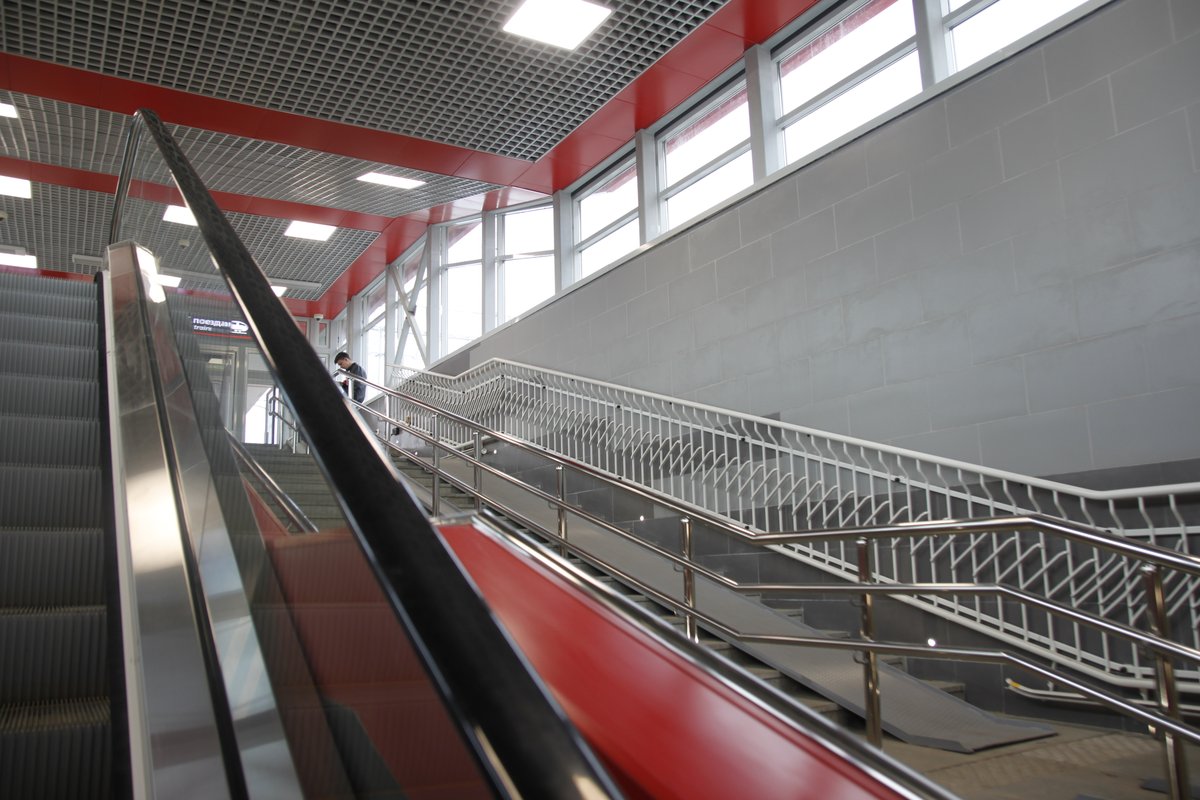
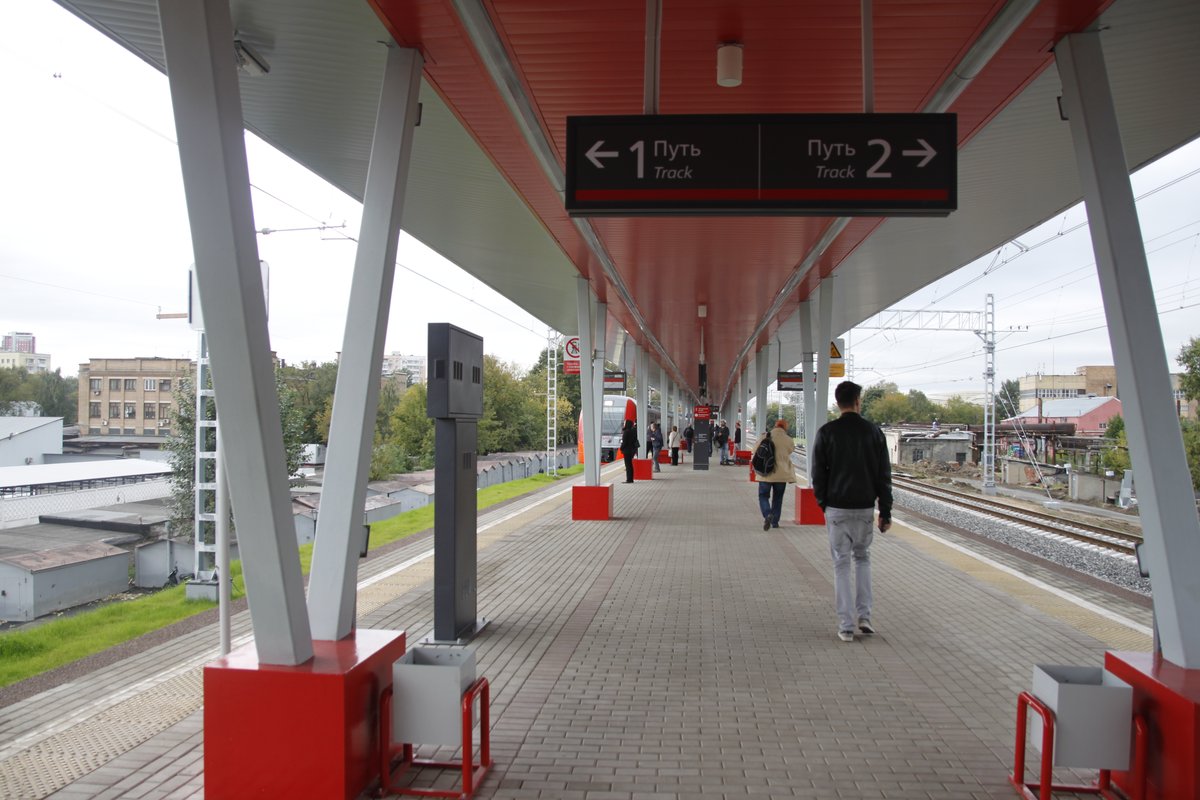
- Rail Rostokino station (Moscow Central Circle, Line 14) is close to major sites.
- Bus/Tram Multiple routes serve the district; consult the Moscow Transport Portal.
- Car Limited parking at main attractions; public transport is preferable during peak hours.
Nearby Attractions
- VDNKh Exhibition Center Historic pavilions, museums, and gardens. VDNKh official site
- Museum of Cosmonautics Space history and interactive exhibits. Museum of Cosmonautics
- Botanichesky Sad Moscow’s botanical gardens, perfect for nature lovers.
- Gorky Film Studio Explore Russian film history.
Accessibility and Visitor Amenities
Rostokino’s major parks and cultural venues have ramps and accessible paths. Public restrooms, cafes, and information centers are available near main sites. For those exploring less developed areas, bringing snacks and water is advisable.
Recommended Tours and Special Events
- Guided Walking Tours Local tour operators offer historical, architectural, and urban exploration tours.
- Annual Heritage Days During Moscow’s Historical and Cultural Heritage Days, certain sites open to the public with guided tours and special programs.
Best Time to Visit
- Spring–Early Autumn (May–September) Mild weather, lush greenery, and numerous festivals.
- Winter Festive charm, winter activities at the aqueduct park; dress warmly.
Historical Landmarks and Architectural Heritage
- Rostokino Aqueduct (Rostokinsky Aqueduct) 18th-century engineering landmark.
- Church of the Nativity of the Blessed Virgin Mary Neoclassical architectural gem.
- Pre-revolutionary estates Some open during cultural festivals; check local listings.
Parks and Green Spaces
Rostokinsky Park
A landscaped oasis with walking paths, playgrounds, and sports facilities.
- Hours 6:00 AM – 11:00 PM.
- Tickets Free.
- Accessibility Well-maintained, wheelchair-friendly paths.
Yauza River Embankment
Ideal for walks, cycling, and birdwatching with mostly flat, paved paths.
Losiny Ostrov National Park
Bordering Rostokino, this expansive park offers hiking and wildlife spotting.
- Hours 7:00 AM – 10:00 PM.
- Tickets Free.
- Accessibility Some routes are wheelchair accessible (TravelTriangle).
Cultural and Entertainment Venues
VDNKh (Vystavka Dostizheniy Narodnogo Khozyaystva)
A massive exhibition complex with Soviet-era pavilions, museums, and amusement parks.
- Hours 10:00 AM – 8:00 PM.
- Tickets General admission free; some exhibits require paid tickets.
- Tours Available—book via VDNKh official site.
Moskvarium (Moscow Oceanarium)
One of Europe’s largest aquariums featuring marine life and performances.
- Hours 10:00 AM – 8:00 PM.
- Tickets Adults ~900 RUB; discounts for children.
- Booking Moskvarium official site.
- Accessibility Fully wheelchair accessible.
Rostokino Cinema
Local cinema featuring Russian and international films. Check schedules and ticket prices online or at the box office.
Shopping and Local Markets
- Rostokino Shopping Center Modern shopping and entertainment complex, open 10:00 AM – 10:00 PM.
- Local Farmers’ Markets Fresh produce and traditional goods, typically open weekend mornings to late afternoon.
Unique Experiences
- Historic Village Remnants Explore quiet streets near the Church of the Nativity for traditional wooden houses and classic layouts.
- Street Art Discover contemporary murals and installations throughout the district.
Family-Friendly Activities
- Playgrounds & Sports Facilities Modern, well-equipped spaces in local parks.
- Seasonal Events Open-air concerts, holiday fairs, and winter ice skating.
Practical Visitor Tips
- Transport Use the Moscow Central Circle (MCC), Metro Line 6, or local buses for easy access.
- Walking & Cycling Well-marked paths and bike-sharing stations are available.
- Language Russian is predominant; translation apps are helpful.
- Money Russian ruble (RUB). Cards accepted, but carry some cash for markets.
- Safety Rostokino is safe, but standard precautions apply (The Broke Backpacker).
- Health Pharmacies and clinics are nearby; travel insurance is recommended.
- Seasonal Dress Layered clothing for winter; comfortable shoes for walking year-round.
- Cultural Etiquette Dress conservatively in churches and greet locals politely.
Frequently Asked Questions (FAQ)
Q: What are the visiting hours for the Rostokino Aqueduct?
A: The aqueduct is accessible at any time, all year.
Q: Do I need tickets to visit major attractions?
A: The aqueduct and parks are free; museums and exhibitions may charge entry.
Q: Are guided tours available?
A: Yes, especially during peak seasons and cultural festivals.
Q: Is Rostokino wheelchair accessible?
A: Main attractions and parks are accessible; some historic buildings have limited access.
Q: How do I get to Rostokino?
A: Via Metro, MCC, or local buses. The Moscow Transport Portal has up-to-date information.