
Early Origins and Urban Evolution
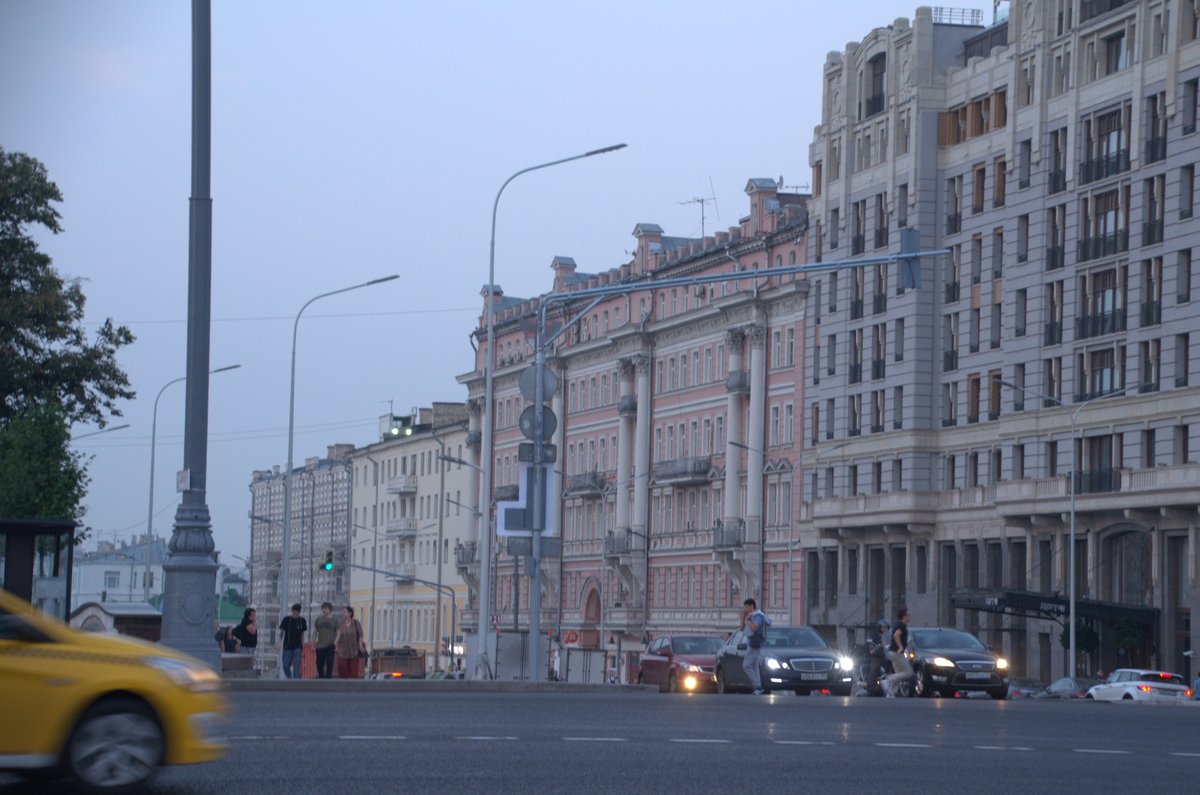
Strastnoy Boulevard takes its name from the Strastnoy Monastery, founded in 1654 by Tsar Alexei Mikhailovich. The boulevard’s present form emerged after the demolition of the White City walls in the 18th century—initially to make way for new construction, but ultimately, the devastation of the 1812 Fire of Moscow provided an opportunity for the city to create wide, tree-lined boulevards in the European style (friendlylocalguides.com). Officially laid out in 1820, Strastnoy Boulevard became the widest and, arguably, the most elegant segment of the Boulevard Ring, ranging from 80 to 123 meters across (wikipedia.org).
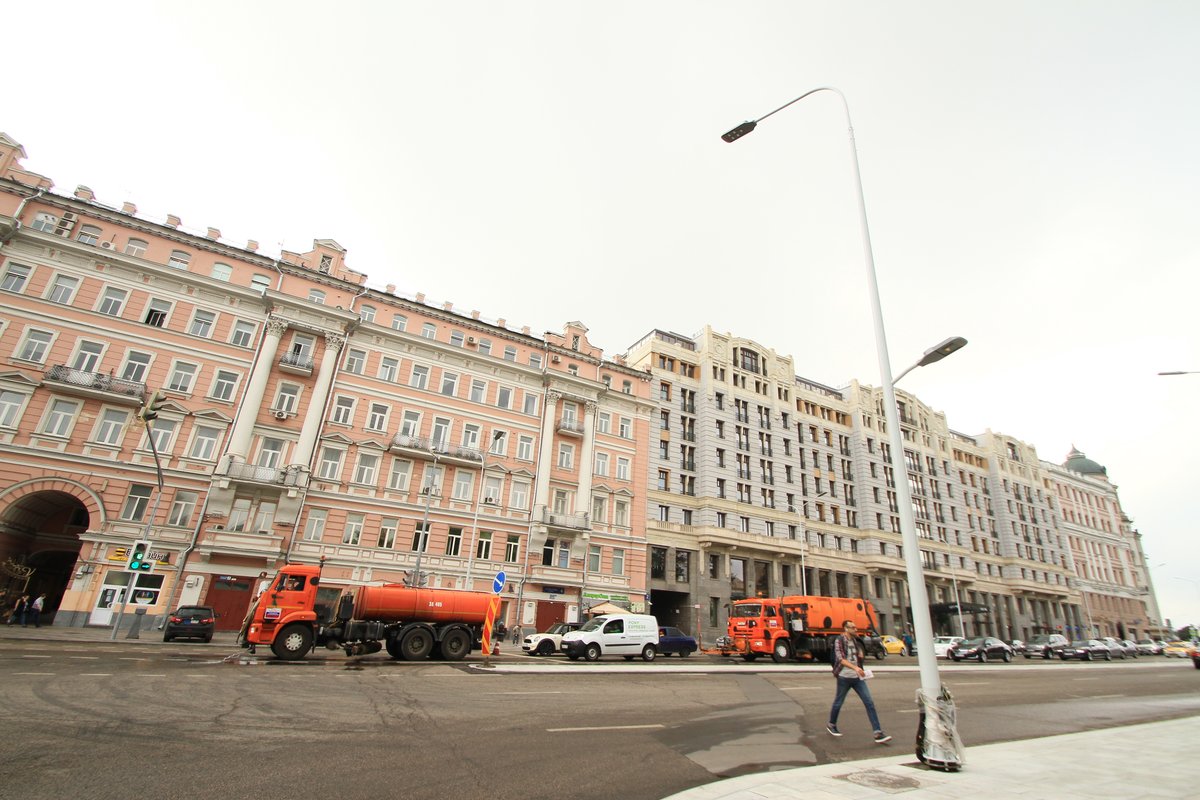
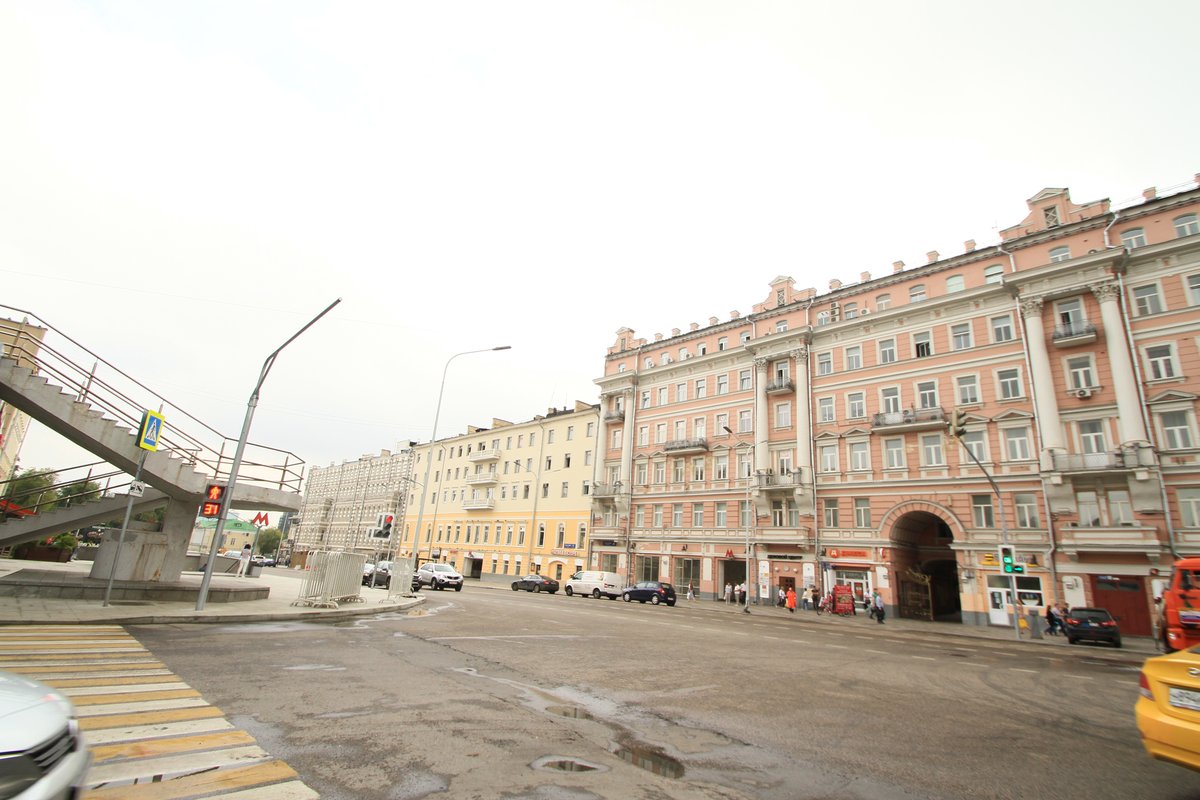
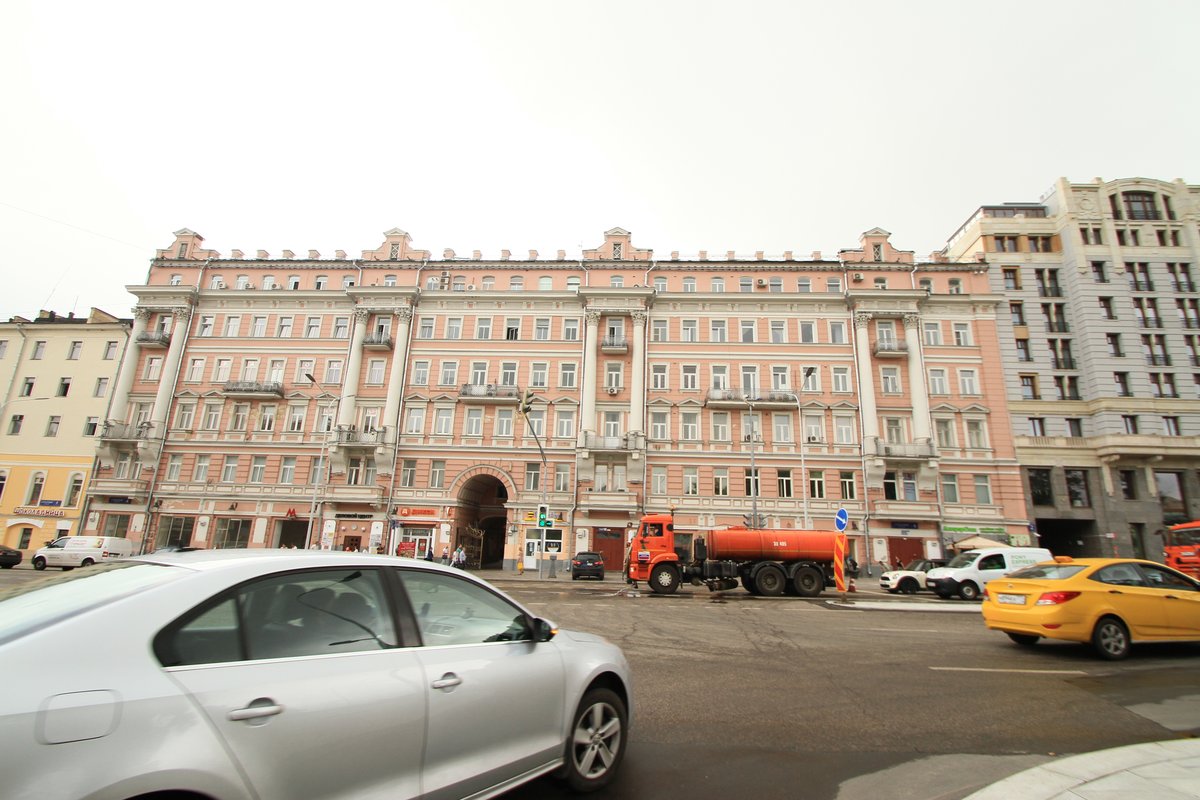
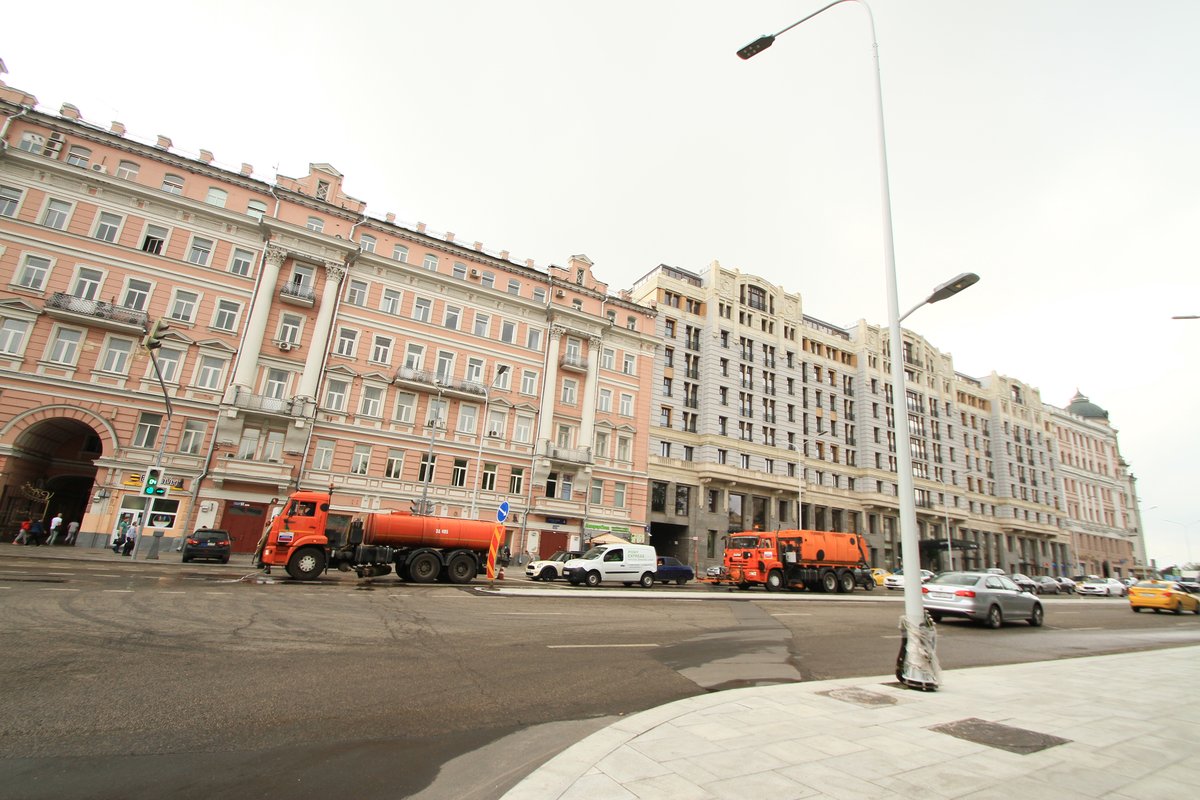
Throughout the 19th and early 20th centuries, the area attracted the city’s elite and featured architectural gems such as the Elagin mansion and the Gagarin House, both notable for their historical significance and design (travelwaiting.com). The boulevard’s urban landscape was enriched by the transformation of narrow streets into grand promenades, thanks in part to benefactors like E. A. Naryshkina.
Monuments and Memorials
Strastnoy Boulevard is adorned with monuments to some of Russia’s most revered cultural figures. The best-known is the statue of Alexander Pushkin, relocated in 1950 to Pushkinskaya Square on the site of the former monastery’s bell tower (abeautifulbook.wordpress.com). Other notable memorials include those to Sergei Rachmaninoff and Vladimir Vysotsky, as well as a monument to Alexander Tvardovsky, symbolizing the boulevard’s deep association with Russia’s literary and artistic traditions (Aroundus).
20th Century Transformations
The Soviet era brought sweeping changes: the Strastnoy Monastery was demolished in 1937, and the area was further secularized and integrated into the city’s cultural fabric. During World War II, Strastnoy Boulevard was the site of the All-Union Radio Committee, from which Yuri Levitan delivered critical wartime broadcasts (travelwaiting.com). Postwar, the boulevard was revitalized as a green public space, and in 1978 the Boulevard Ring was declared a monument of landscape art, ensuring its preservation (friendlylocalguides.com).
Visitor Essentials
Hours, Tickets, and Accessibility
- Boulevard Access Open 24/7, year-round. No entrance fee or ticket is required.
- Cultural Venues Theatres and museums along the boulevard have set hours and may require tickets. For example:
- Moscow Art Theatre Open Tuesday-Sunday, 11:00 AM–7:00 PM. Performance tickets should be booked in advance.
- Pushkinsky Cinema Open 10:00 AM–midnight. Tickets available online or at the box office.
- Accessibility The boulevard features wide, paved walkways and ramps, making it accessible for wheelchairs and strollers.
How to Get There
- Metro Pushkinskaya, Chekhovskaya, and Tverskaya stations are within short walking distance.
- Bus and Tram Several routes serve Pushkinskaya Square.
- Taxi & Ride-Sharing Yandex.Taxi and Uber are available, though traffic can be heavy during rush hours.
Guided Tours and Events
Numerous local operators offer walking tours focusing on Strastnoy Boulevard’s history, architecture, and cultural highlights. The boulevard is also a hub for seasonal events—such as the Theatre Boulevard Festival and open-air art and dance projects (Zawya), and the “Made in Moscow” art pavilions (Eye of Riyadh).
Nearby Attractions
- Pushkinskaya Square Lively hub with the famous Pushkin statue.
- Hermitage Garden Park with theaters and open-air performances.
- Tverskaya Street Upscale shopping and dining.
- Petrovka Street Historic buildings and vibrant nightlife.
- GUM Department Store and Stoleshnikov Lane High-end shopping within easy reach.
Dining, Shopping, and Entertainment
- Russian Seasons Restaurant Offers traditional and modern Russian cuisine in an elegant setting, with English menus available.
- Cafés and International Eateries Range from bakeries to bistros, many with outdoor seating.
- Boutiques and Souvenir Shops Featuring Russian handicrafts, designer goods, and art.
Key Historical Milestones
- 1654 Strastnoy Monastery founded.
- 1760–1774 Demolition of White City walls.
- 1820 Official opening of Strastnoy Boulevard.
- 1880 Pushkin monument unveiled.
- 1937 Strastnoy Monastery demolished.
- 1941–45 WWII broadcasts from All-Union Radio Committee.
- 1950 Pushkin monument relocated to Pushkinskaya Square.
- 1978 Boulevard Ring declared landscape art monument.
- 2018 Ivan Turgenev exhibition on the boulevard.
Frequently Asked Questions (FAQ)
Q: What are the visiting hours for Strastnoy Boulevard?
A: The boulevard is open 24/7, all year.
Q: Is there an entrance fee?
A: No, the boulevard is a free public space.
Q: How can I get there?
A: Use Pushkinskaya, Chekhovskaya, or Tverskaya metro stations; multiple bus and tram routes are available.
Q: Are guided tours available?
A: Yes, several companies and visitor centers offer guided walks.
Q: Is the boulevard accessible for wheelchairs and strollers?
A: Yes, wide walkways and ramps are provided throughout.
Q: Where can I eat or shop nearby?
A: Numerous restaurants, cafés, and boutiques line the boulevard and its neighboring streets.
Practical Tips for Visitors
- Best Time to Visit Late spring through early autumn for lush greenery and active cultural events.
- Dress Code Smart-casual attire is suitable; more formal dress is expected in upscale restaurants and theaters.
- Safety The area is generally safe, but keep an eye on valuables, especially during festivals or on public transport.
- Language English is spoken in tourist venues, but basic Russian phrases are appreciated.
- Connectivity Free Wi-Fi is widely available in cafés and some public spaces.
- Payments Credit cards are accepted in most establishments; carry small cash for minor purchases.