
History and Origins
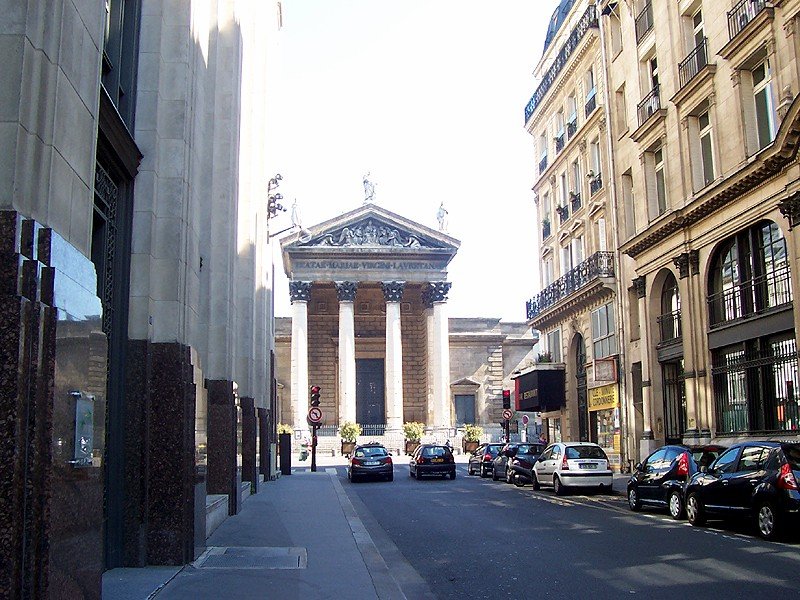
Théâtre Édouard VII was conceived as a bridge between English and French theatrical traditions. Designed by British architect W.G.R. Sprague, it opened in 1913 in a newly developed pedestrian square featuring an equestrian statue of King Edward VII. The theatre's establishment not only celebrated Franco-British relations but also introduced a touch of London’s West End elegance to Paris (jetaimemeneither.com).
Initially, the venue operated as a cinema, premiering new technology like kinémacolor, before transitioning to live theatre in 1916. This shift coincided with Paris’s growing appetite for boulevard comedies and sophisticated stage productions (offi.fr).
Architectural Highlights
The theatre’s architecture draws heavily on British influences, most notably in its horseshoe-shaped auditorium—a rarity in Paris but common in London. The elegant stone façade, classical pilasters, and plush velvet interiors evoke luxury and intimacy, accommodating around 720 spectators. The building, designed by Henri-Paul Nénot for the surrounding ensemble and Sprague for the theatre itself, was part of a broader plan to redevelop the area and bring a sense of London refinement to Paris (paris-promeneurs.com, theatreonline.com).
Recent renovations have modernized technical facilities while preserving the Belle Époque charm, ensuring comfort and accessibility for contemporary audiences (theatreedouard7.com).
Evolution: From Cinema to Theatre
At its inception, Théâtre Édouard VII was at the forefront of cinematic innovation, hosting early color film screenings using the kinémacolor process. Its transition to a live theatre in 1916 marked the beginning of a golden age, with the venue quickly becoming synonymous with Parisian wit and artistic excellence. Over the decades, the theatre expanded its repertoire, hosting light musical revues, sophisticated comedies, and dramatic works (theatreonline.com).
The Artistic Legacy of Sacha Guitry
The theatre’s most celebrated era began under the direction of Sacha Guitry, whose witty, urbane plays attracted Paris’s cultural elite. Guitry’s influence endures, and his memory is honored in the adjacent Café Guitry. The theatre’s programming has since balanced French and international works, classic and contemporary, reflecting its dual heritage (jetaimemeneither.com).
Notable Productions and Modern Programming
Théâtre Édouard VII has premiered works by playwrights such as Tennessee Williams, Samuel Beckett, and Agatha Christie (who attended the Paris premiere of “Witness for the Prosecution”). More recently, it has staged acclaimed productions by Florian Zeller—such as “La Vérité” and “Le Mensonge”—as well as musical comedies and English-language performances, enhancing its reputation as a cosmopolitan venue (theatreedouard7.com, theatreinparis.com, Sortir à Paris).
Under the leadership of Bernard Murat and, since 2017, Pascal Legros, the theatre has expanded its artistic reach, introducing new works and nurturing collaborations with top-tier creative teams. The venue’s technical capabilities support a range of productions, from intimate dramas to large-scale comedies and musicals (TPA).
Visitor Information: Hours, Tickets, and Accessibility
Visiting Hours and Show Times
- Box Office Open from 12:00 PM to 7:00 PM on performance days.
- Shows Usually start between 7:30 PM and 8:30 PM (evenings), with matinees on select days, often at 3:00 PM. Always check the official website for the latest schedule.
Tickets
- Purchase Online via the official website, at the box office, or through authorized vendors.
- Price Range €20 to €60, depending on the show, seating, and time.
- Discounts Available for students, seniors, groups, and via subscription packages. Gift cards valid for one year are also offered (Agenda Culturel).
Accessibility
- Wheelchair Access Yes, including elevators and accessible restrooms. Contact the box office in advance for assistance (theatreedouard7.com).
- Hearing Assistance Surtitling on smart glasses for select performances; hearing devices available on request.
- Other Amenities Coat check, booster seats for children, multilingual information, and air-conditioned spaces (note: auditorium is heated but not air-conditioned; dress in layers in warmer months).
Getting There and Nearby Attractions
Location
- Address 10 Place Édouard VII, 75009 Paris (Theatre in Paris)
- Metro Opéra (Lines 3, 7, 8), Madeleine (Lines 8, 12, 14), Richelieu-Drouot (Lines 8, 9)
- RER Auber (Line A)
- Bus Lines 20, 21, 27, 29, 32, 45, 52, 66, 68
- Parking Limited; public transport is recommended (Agenda Culturel)
Nearby Attractions
- Opéra Garnier Majestic opera house, a short walk away.
- Boulevard Haussmann Luxury shopping at Galeries Lafayette and Printemps.
- Place Vendôme & Rue Saint-Honoré Upscale boutiques and historic architecture.
- Palais Garnier, Galerie Vivienne, Place de la Madeleine All within easy reach for a complete Paris experience.
Tips for Visitors
- Book Early Popular shows sell out—reserve tickets in advance (Agenda Culturel).
- Arrive Early Enjoy the lobby, Café Guitry, and historical displays.
- Dress Smart-Casual For comfort and style, especially as the auditorium is not air-conditioned.
- Check Language Options Many performances have English subtitles; some are performed in English (theatreinparis.com).
- Use Public Transport Easiest way to reach the venue.
- Explore Post-Show The area offers dining, wine bars, and illuminated Parisian sights.
Frequently Asked Questions (FAQ)
Q: What are the visiting hours at Théâtre Édouard VII?
A: The box office is typically open from 12:00 PM to 7:00 PM, with shows in the evening and matinees on select days. See the official website for current times.
Q: How can I buy tickets?
A: Online, at the box office, or via trusted vendors. Early purchase is advised.
Q: Is the theatre accessible for people with disabilities?
A: Yes, with elevators, accessible restrooms, and special seating. Contact in advance to arrange assistance.
Q: Are there English-subtitled or English-language performances?
A: Yes. Look for shows marked with English subtitles or performed in English.
Q: What is the typical ticket price?
A: €20–€60, depending on the production and seat choice.
Q: Are guided tours available?
A: Occasionally, focusing on architecture and history. Check the events calendar or inquire at the box office.