
Origins and Early History
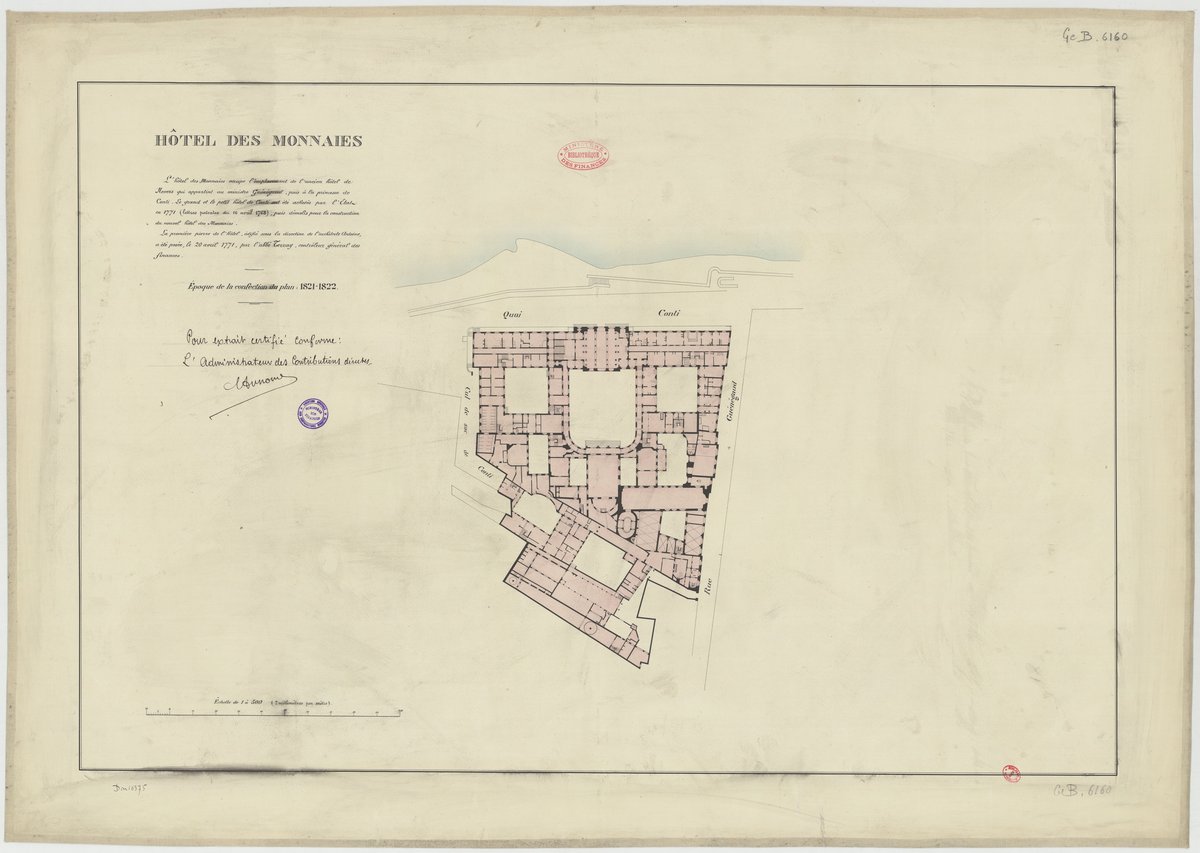
The roots of the Monnaie de Paris stretch back to the 9th century, with the first institutional mint established in 864 by royal edict. Initially situated on the Île de la Cité, the mint relocated several times, following the evolving needs of the monarchy. A desire for a modern, centralized mint in the 18th century led to the acquisition of the Grand and Petit Hôtel de Conti on the Quai de Conti. The Grand Hôtel was demolished, while the Petit Hôtel, built in the 17th century, was integrated into the new complex (Eugène Architectes).
Architectural Significance
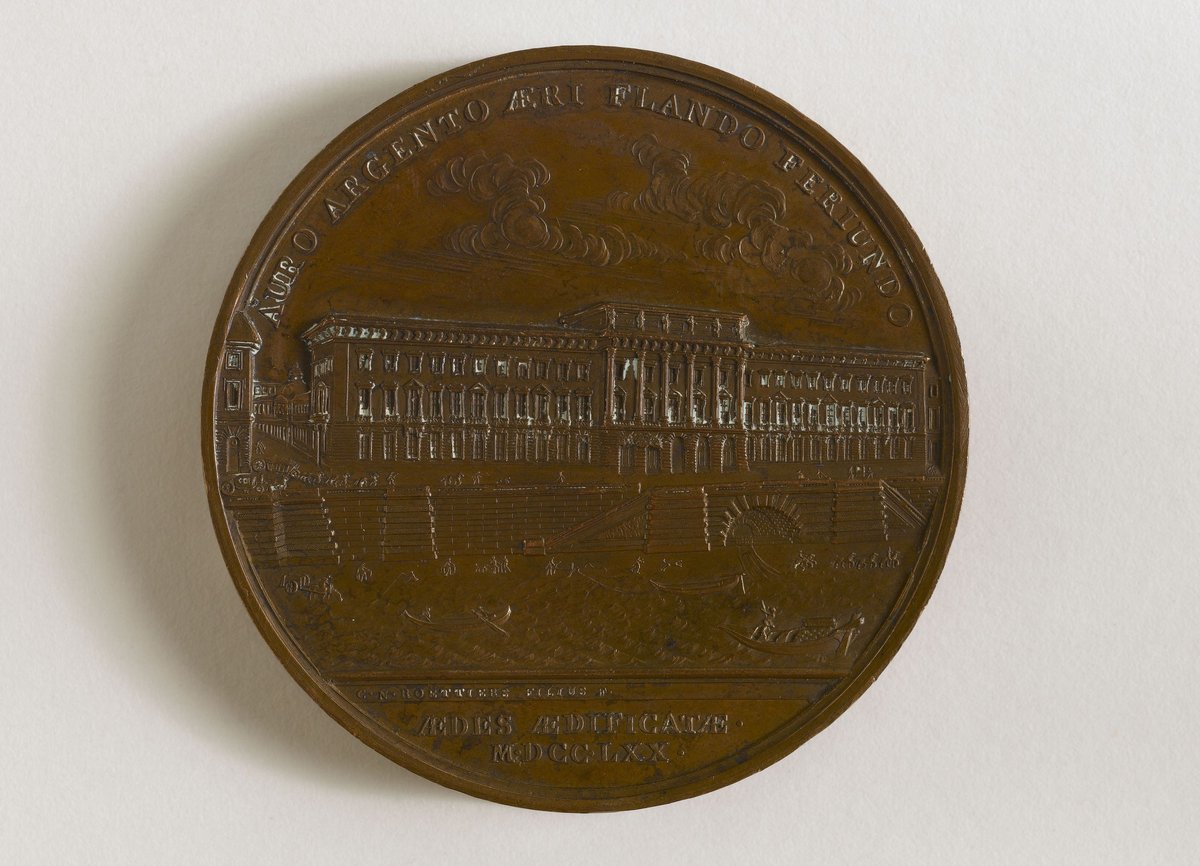
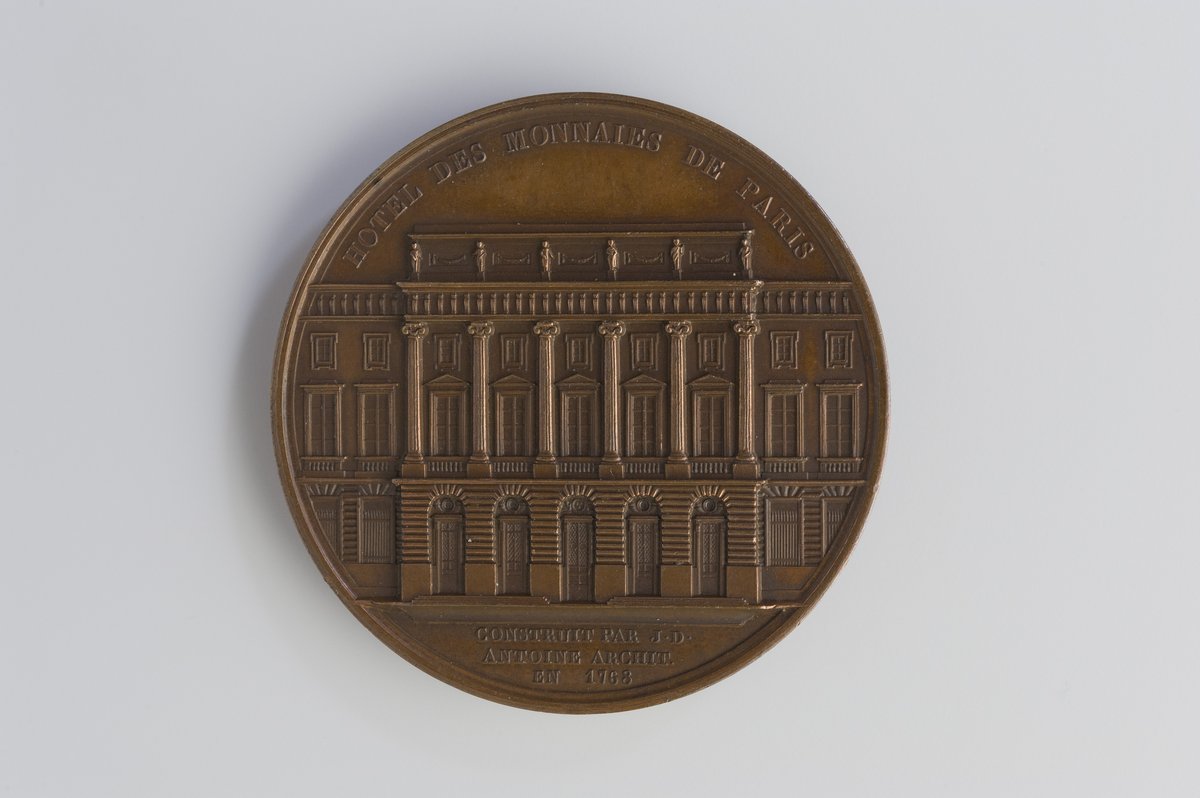
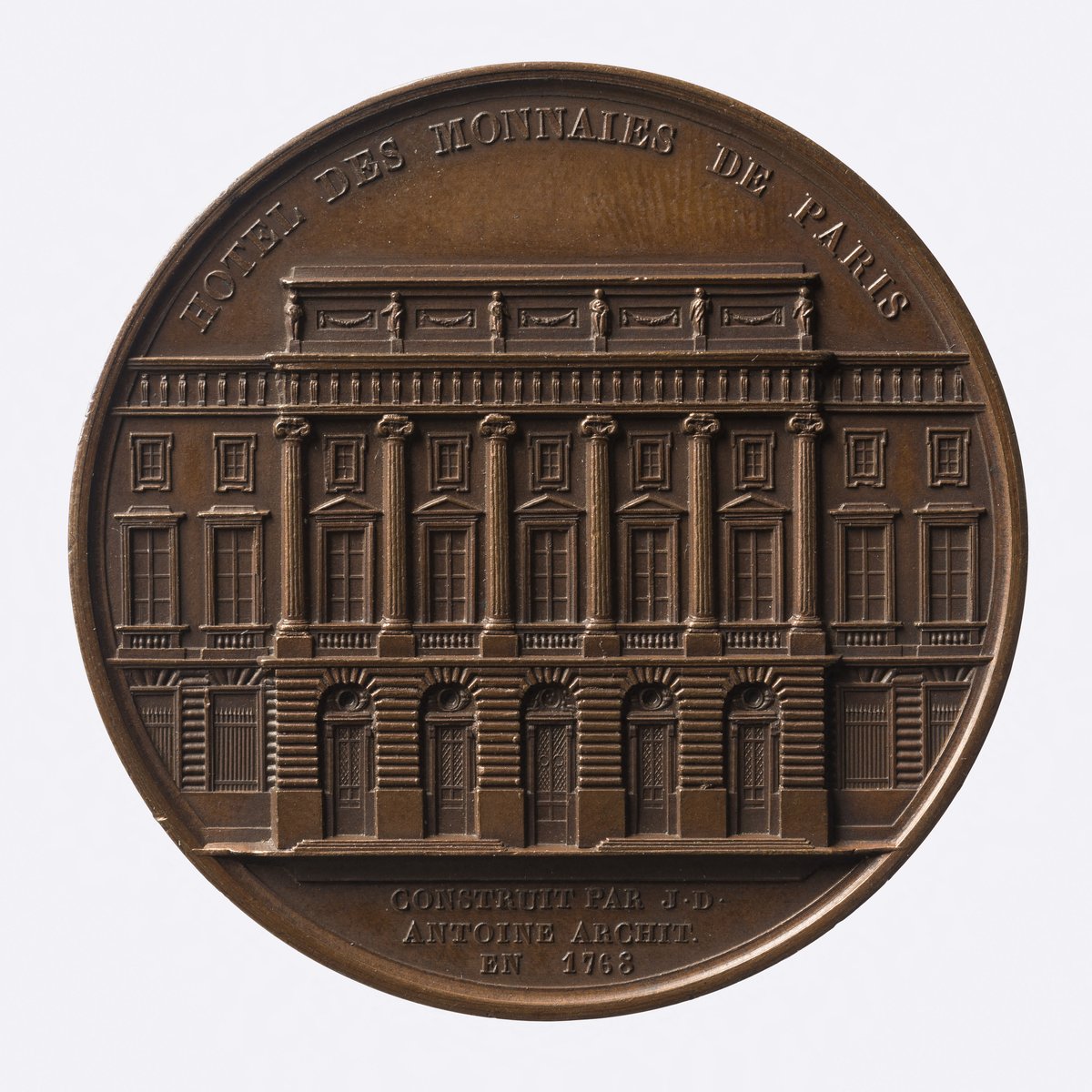
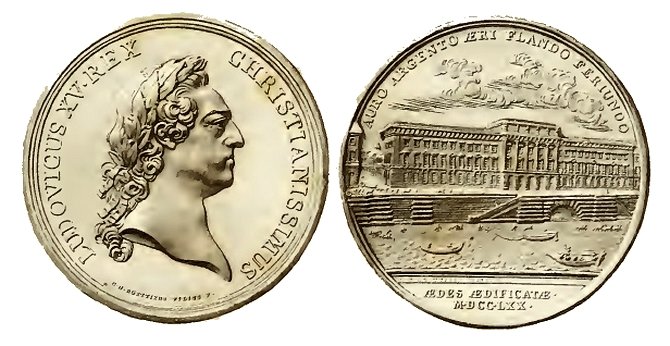
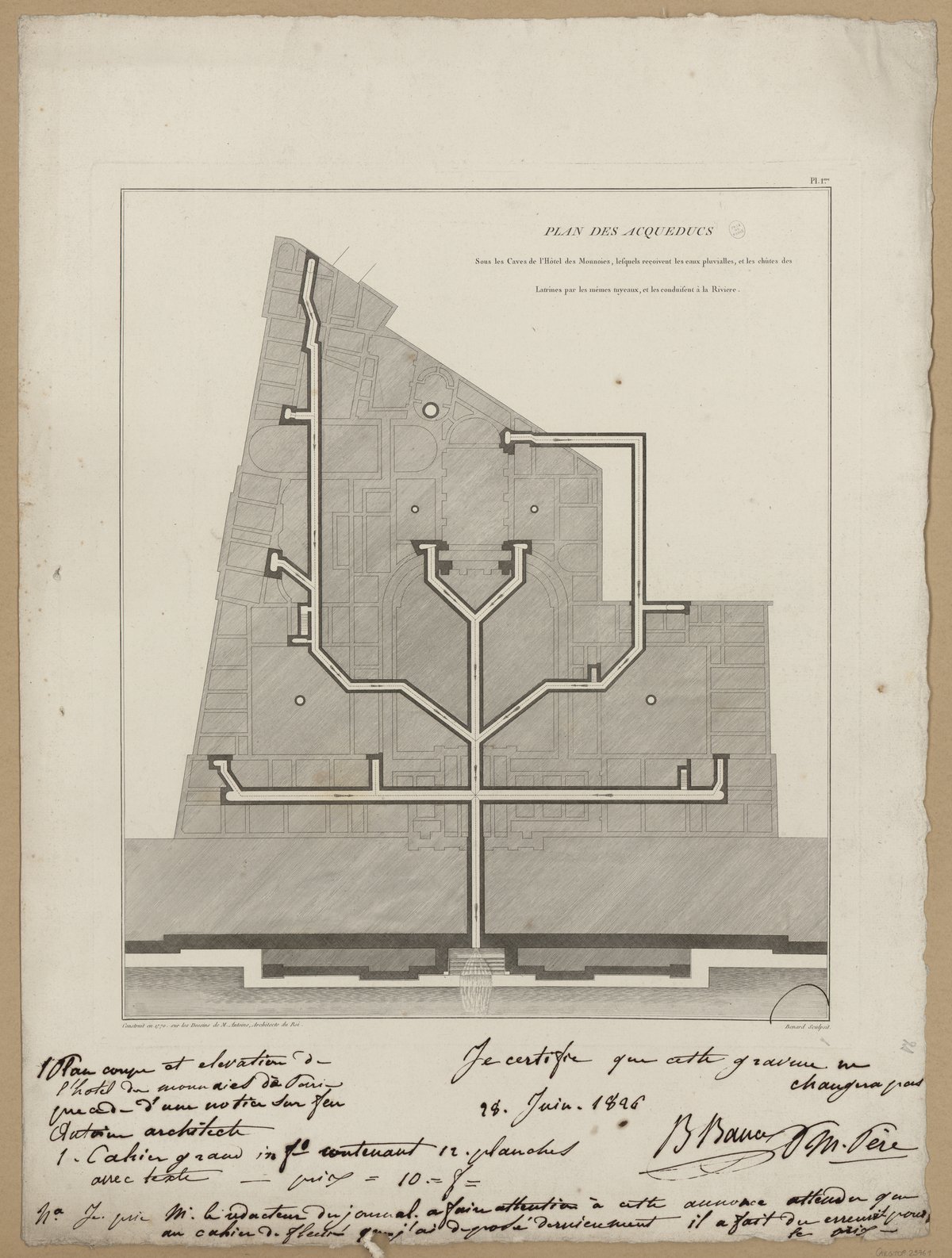
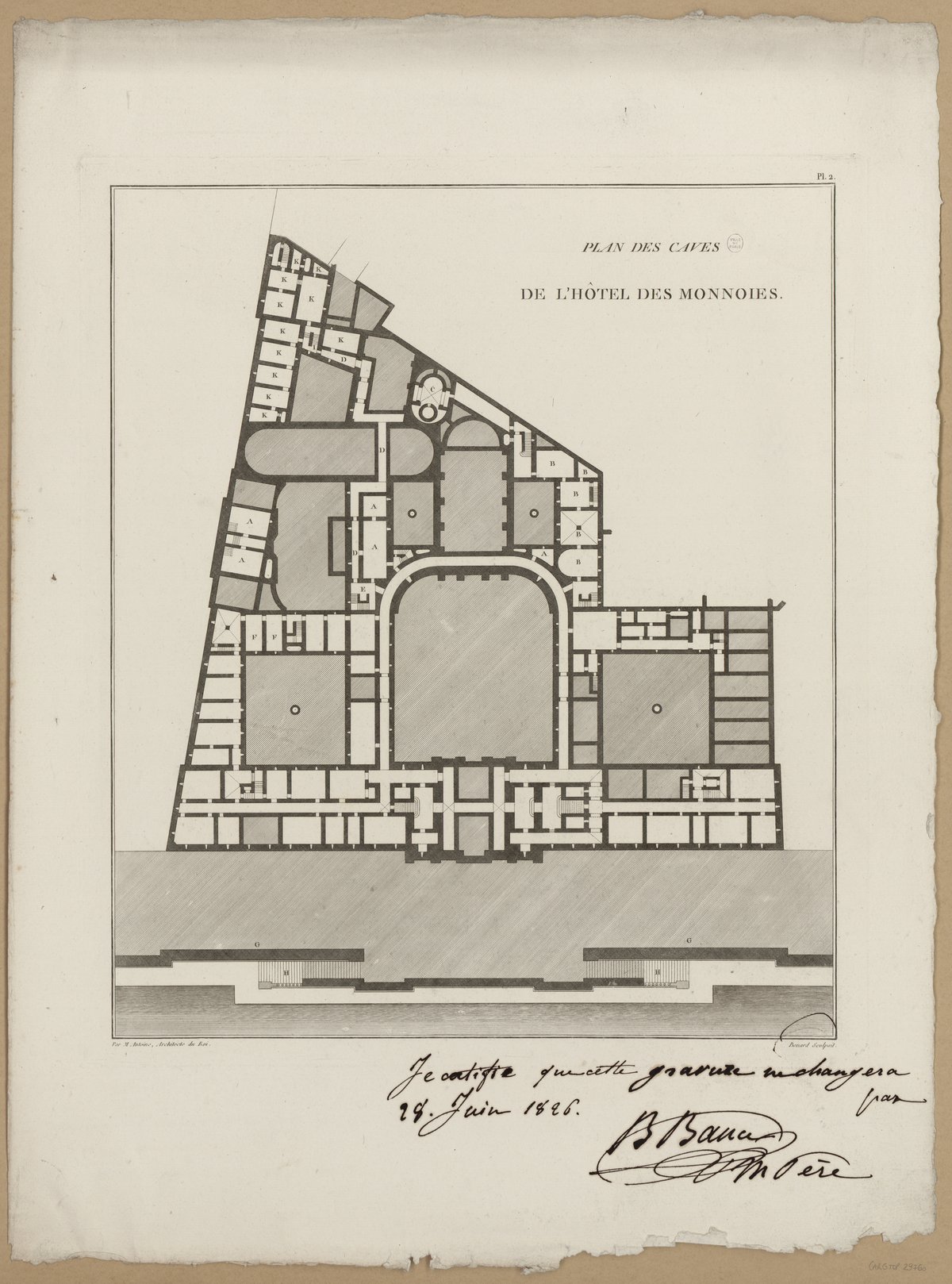
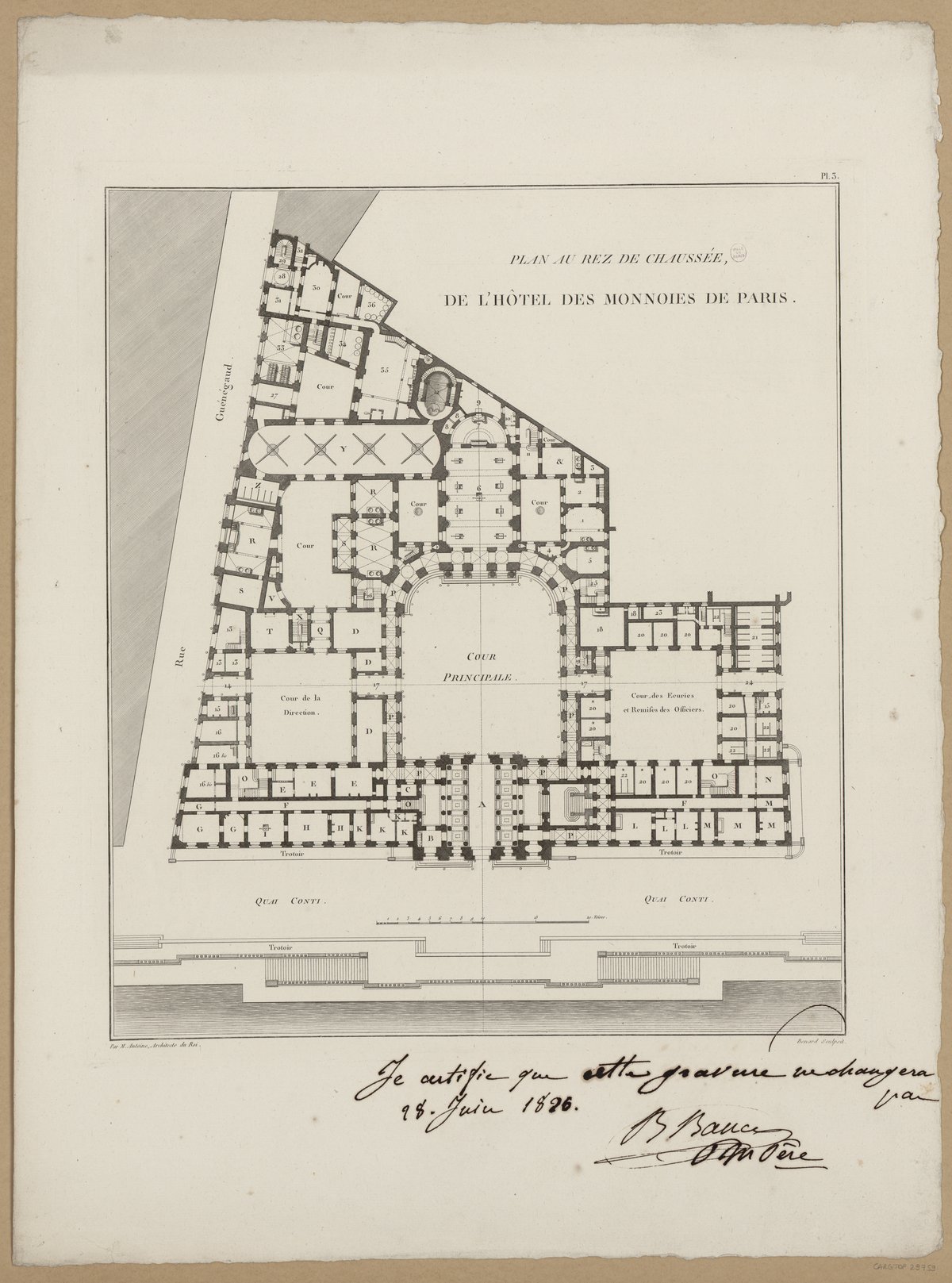
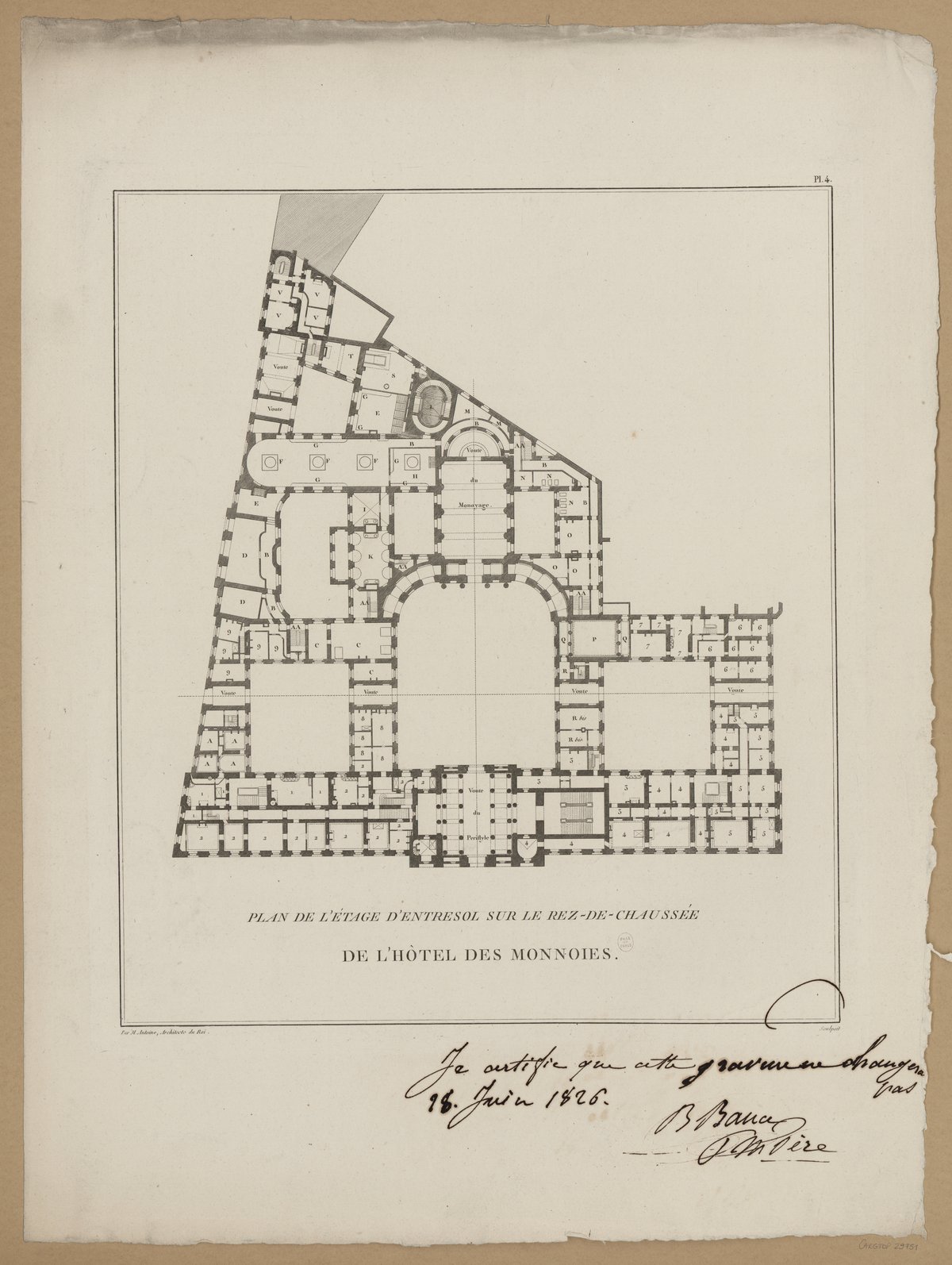
The Hôtel de la Monnaie was designed by Jacques-Denis Antoine, a key figure in French neoclassical architecture. Completed in 1775, the building’s C-shaped layout features a monumental riverfront façade, central courtyard, and a blend of administrative and industrial spaces. Its harmonious proportions, rusticated stonework, and restrained classical ornamentation symbolize the Enlightenment ideals of rationality and order (Carta Historica, Eugène Architectes).
Evolution Through the Centuries
Throughout the 19th and 20th centuries, the Hôtel de la Monnaie served as France’s primary minting site, adapting to new technologies while maintaining its architectural integrity. After large-scale coin production moved to Pessac in the 1970s, the site shifted its focus to producing commemorative coins, medals, and jewelry, while expanding its role as a museum and cultural venue. Recent restoration projects, including the “MétaLmorphoses,” have revitalized the complex for the 21st century (Monnaie de Paris).
Architectural Significance
The Hôtel de la Monnaie is a rare example of a building designed simultaneously as a palace and as a minting factory. Antoine’s design features a rational, functional layout, with workshops and administrative spaces organized around the vast interior courtyard (Monnaie de Paris). Materials used include massive quantities of stone and steel, reflecting advanced 18th-century engineering.
Key features include:
- Monumental Façade Neoclassical grandeur with rusticated stone and balustraded roofline.
- Central Courtyard The organizing heart of the complex, formerly housing mint operations.
- Aile Mansart The preserved 17th-century wing by Jules Hardouin-Mansart, integrated into the site.
- Salon d’Honneur Ceremonial room adorned with era-specific artworks and custom furniture.
- Workshops Still in use for artistic production and visitor demonstrations.
The Hôtel de la Monnaie has influenced public architecture in France and remains partially protected as a Monument Historique (Wikipedia).
Visitor Information: Hours, Tickets & Access
Visiting Hours
- Tuesday to Sunday 11:00 a.m. – 6:00 p.m.
- Wednesday Extended hours until 9:00 p.m.
- Closed Mondays and select public holidays
Note: Always verify current hours on the official website before visiting.
Tickets and Admission
- Full Price €12
- Reduced Price €8 (students, seniors, etc.)
- Free Admission Under 26s, and on the first Sunday each month
Tickets can be purchased online or at the entrance. Special exhibitions or events may require separate tickets.
Accessibility
The museum is fully accessible, with ramps, elevators, and adapted restrooms. Assistance is available upon request (Monnaie de Paris - Cultural Site).
Museum Collections and Exhibitions
Permanent Collections
The Monnaie de Paris museum boasts over 170,000 objects, including ancient coins, medals, minting tools, and historical machinery. Visitors can trace the history of money from Roman times through the euro, and explore the evolution of minting techniques (Monnaie de Paris - The Museum).
Temporary and Contemporary Exhibitions
The museum regularly hosts contemporary art exhibitions and thematic shows that explore the intersection of currency, art, and society. Recent and upcoming exhibitions have featured artists such as Georges Mathieu and innovative installations highlighting the artistry of coin and medal design (Monnaie de Paris - Cultural Agenda).
Visitor Experience and Activities
Guided Tours and Workshops
Guided tours in French are offered on weekends, with English tours available by advance booking. These tours provide insight into the history of money, engraving, and metallurgy. Artisan workshops allow visitors to observe minting in action, including engraving and coin striking (Monnaie de Paris - Visit Museum).
Interactive Features and Educational Programs
Interactive installations, augmented reality experiences, and family-friendly activity booklets make the museum accessible and engaging for all ages. Live demonstrations and multimedia displays further enrich the visit (Monnaie de Paris - The Museum).
Gastronomy and Retail
Dining
- Restaurant Guy Savoy Michelin two-star dining in an elegant setting.
- Frappé par Bloom Farm-to-table café and bar with locally sourced fare.
Retail
Concept stores offer exclusive coins, medals, jewelry, and design objects—many crafted using traditional techniques.
Nearby Attractions and Travel Tips
Getting There
- Address 11 Quai de Conti, 75006 Paris, France
- Metro Pont Neuf (Line 7), Odéon (Line 4, 10), Saint-Michel (Line 4)
- Bus Lines 21, 27, 58, 70, 72, 87
Nearby Landmarks
- Pont Neuf Paris’s oldest bridge, just steps away.
- Louvre Museum A pleasant walk along the Seine.
- Île de la Cité and Notre-Dame Cathedral Easily accessible.
- Jardin du Luxembourg, Place Saint-Sulpice, Institut de France Additional points of interest nearby.
FAQ
What are the Hôtel de la Monnaie visiting hours?
Tuesday to Sunday, 11:00 a.m. to 6:00 p.m., with extended hours on Wednesdays until 9:00 p.m. Closed Mondays.
How do I purchase tickets?
Via the official website or on-site.
Are guided tours available?
Yes, in French on weekends and in English by advance booking.
Is the site wheelchair accessible?
Yes, with adapted facilities and assistance available.
Can visitors see minting in action?
Yes, certain workshops and live demonstrations are open to the public.
Upcoming Developments
The Hôtel de la Monnaie will soon welcome the Maison des Mondes Africains (MansA), a center dedicated to Afro-diasporic cultures and contemporary arts, occupying 2,500 square meters within the complex. MansA will host exhibitions, research, and vibrant cultural programming, further enhancing the site’s role as a leading cultural destination (Beaux Arts Magazine).
Discover More
The Hôtel de la Monnaie stands as an extraordinary intersection of history, art, craftsmanship, and contemporary culture. Its neoclassical grandeur, exceptional museum collections, dynamic exhibitions, and vibrant gastronomy make it a must-visit Parisian landmark. Whether you’re a history aficionado, architecture lover, or cultural explorer, your visit promises discovery and inspiration.
Plan your visit today:
- Download the Audiala mobile app for guided tours and insider tips.
- Explore related articles on Parisian history, architecture, and culture.
- Follow Monnaie de Paris and Audiala on social media to stay informed about events and exhibitions.
For the latest updates, visiting hours, and ticket information, visit the Monnaie de Paris official website.