
The Grand Trianon at Versailles
Historical Origins and Royal Significance
Commissioned by King Louis XIV in 1670 and completed in 1687, the Grand Trianon was designed by Jules Hardouin-Mansart as a haven from Versailles’ formality. Built on the site of the demolished village of Trianon, it replaced the earlier Trianon de Porcelaine and quickly became the royal family’s favorite retreat. Monarchs from Louis XV to Napoleon Bonaparte have left their mark on the estate, each contributing to its evolving decor and function (versailleschateau.com; chateauversailles.fr).
Architectural Features and Artistic Highlights
The Grand Trianon’s single-story layout and pink marble columns create a harmonious transition between the palace and its formal gardens. Notable spaces include:
- The Peristyle Marble colonnade linking the palace wings, renowned for sunset views (matadornetwork.com).
- State Apartments Lavishly decorated rooms for royal receptions and gatherings.
- Empress’ Apartments Empire-style decor from the Napoleonic era.
- Trianon-sous-Bois Wing Seasonally open for deeper exploration.
Throughout, the palace is adorned with period furnishings, tapestries, and artworks that reflect the tastes of its various royal occupants. The gardens, designed in the classic French style, feature fountains, basins, and manicured parterres.
The Role of Le Trianon in Royal Life
The Grand Trianon provided a more intimate space compared to the main palace, enabling the king and his close companions to relax and entertain away from courtly scrutiny. Later, Marie-Antoinette’s preference for the nearby Petit Trianon and its rustic hamlet further established the estate as a center of royal privacy and personal expression (versailleschateau.com).
Grand Trianon Visiting Hours and Practical Information
Opening Hours
- Tuesday–Sunday 12:00 pm–6:30 pm (last admission 5:45 pm).
- Closed Mondays and May 1st.
- High Season (July–August) Opens at 10:00 am.
- Always check the official website for up-to-date hours.
Tickets and Admission
- Versailles Passport Includes Grand Trianon, main palace, gardens, Petit Trianon, and exhibitions. Available online.
- Free Admission For visitors under 18, EU residents 18–25, and Paris Museum Pass holders (advance reservation required) (parisdiscoveryguide.com).
- Special Event Tickets Required for Musical Fountains or Gardens shows (francetraveltips.com).
Accessibility
- The Grand Trianon is accessible to visitors with reduced mobility, though some areas may have limited access. Details on the official site.
Getting There and On-Site Facilities
- Location About a 30-minute walk from the main palace; accessible by estate shuttle train, bicycle, or electric buggy (en.chateauversailles.fr).
- Facilities Restrooms, lockers, dining, and audio guides via the official app.
- Photography Non-flash photography allowed inside.
Recommended Visit Duration
- Grand Trianon Only 1 hour.
- Full Estate (including Petit Trianon and Hamlet) 3–4 hours (en.chateauversailles.fr).
Tips for a Memorable Grand Trianon Visit
- Book tickets in advance (nomadicmatt.com).
- Visit early or late afternoon to avoid crowds.
- Consider a guided tour for historical context (versailleschateau.com).
- Combine sites Include the Petit Trianon and Queen’s Hamlet (matadornetwork.com).
- Use alternative transport Bike rentals or shuttles ease estate navigation (en.chateauversailles.fr).
- Enjoy estate cafés and restaurants for refreshments.
Seasonal Highlights and Special Experiences
- Musical Fountain and Garden Shows April–October (en.chateauversailles.fr).
- Sunset at the Peristyle Stunning photo opportunities (matadornetwork.com).
- Temporary Exhibitions Check the calendar.
Grand Trianon FAQ
What are the visiting hours?
Tuesday–Sunday, 12:00 pm–6:30 pm; closed Mondays and May 1st.
How do I buy tickets?
Via the official site or as part of the Versailles Passport.
Is it wheelchair accessible?
Yes, with some area restrictions.
Can I take photos inside?
Yes, non-flash only.
Best time to visit?
Early afternoon or late in the day.
Essential Visitor Information
- Address Place d’Armes, 78000 Versailles, France
- Contact +33 1 30 83 78 00 (en.chateauversailles.fr)
- Official Website chateauversailles.fr
Discover Le Trianon Concert Hall: Paris’s Belle Époque Venue
Historical Evolution
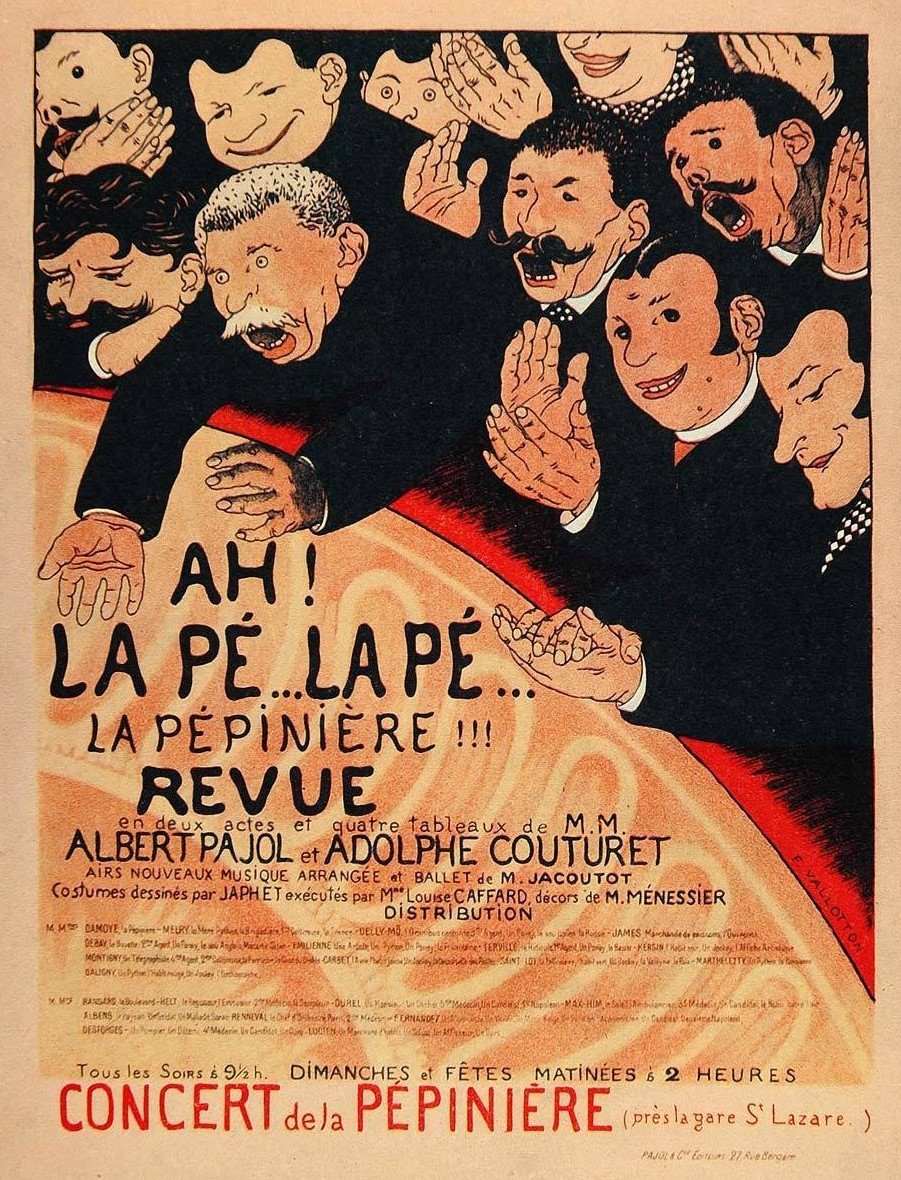
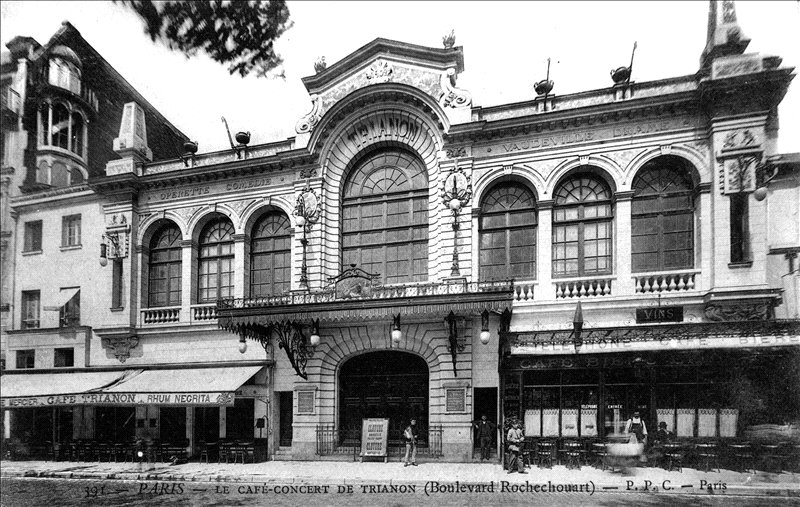
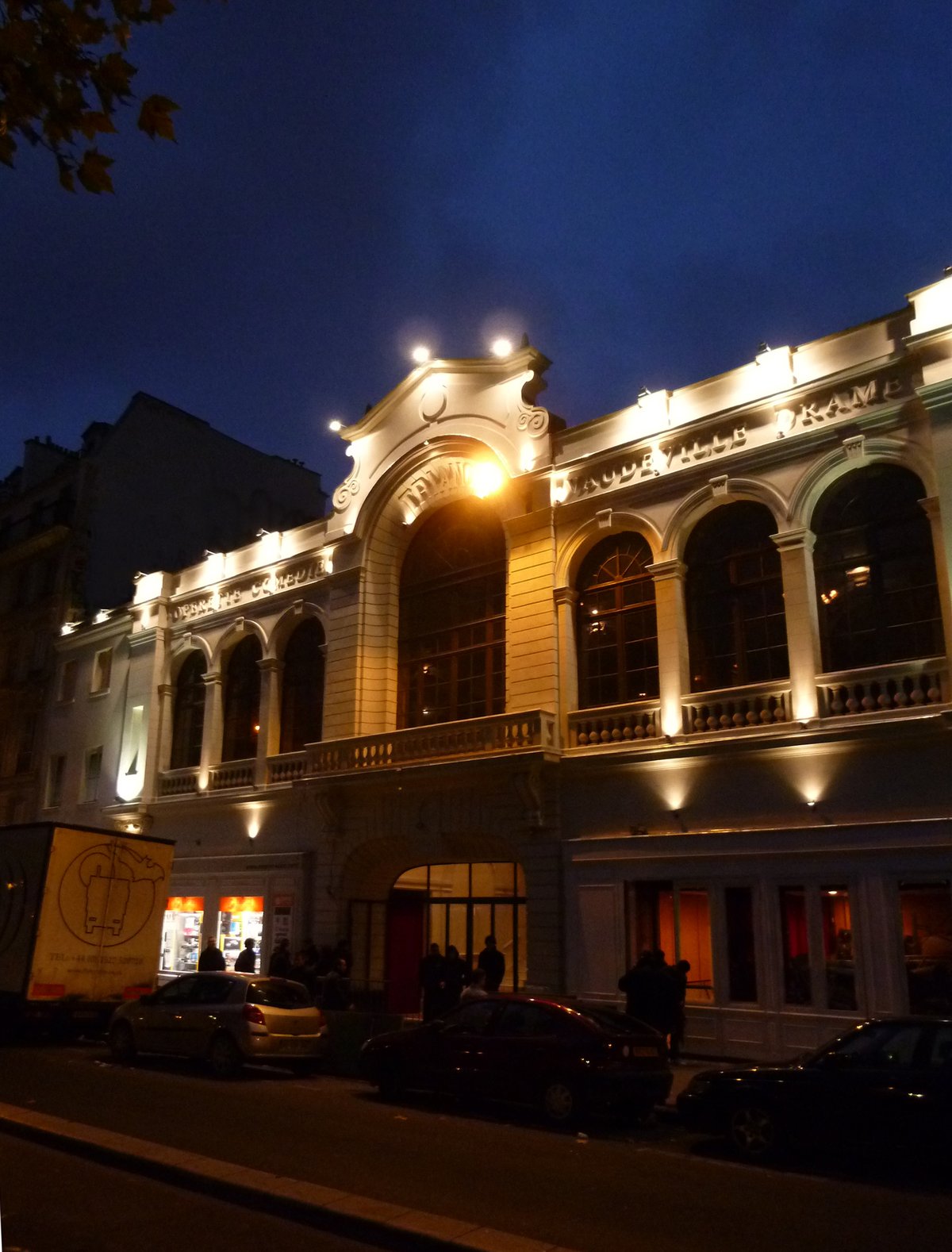
Opened in 1894 as Trianon-Concert, Le Trianon became one of Paris’s foremost music halls, hosting icons like Mistinguett. After surviving a fire in 1900 and multiple transformations, it reopened in 2010 after major restoration (letrianon.fr).
Architectural Features
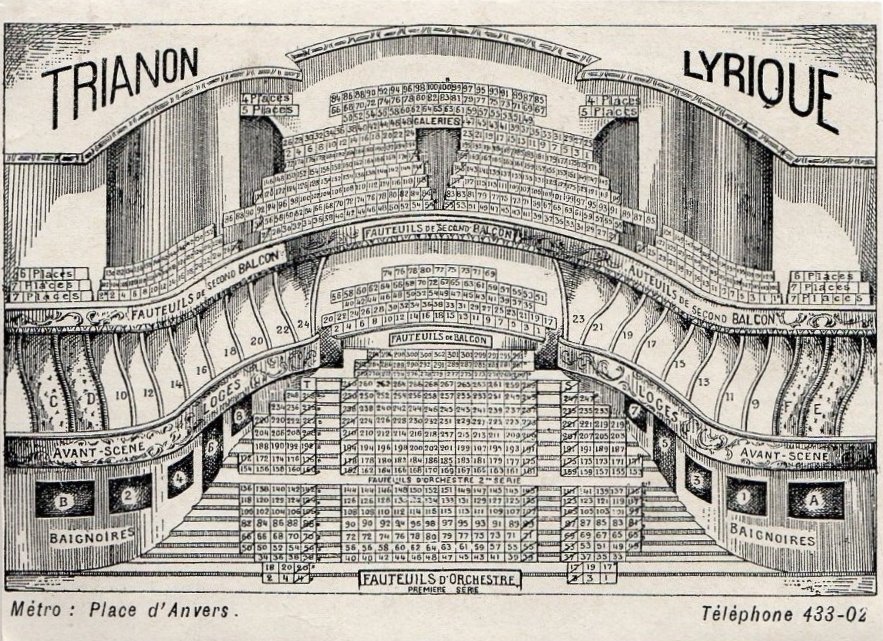
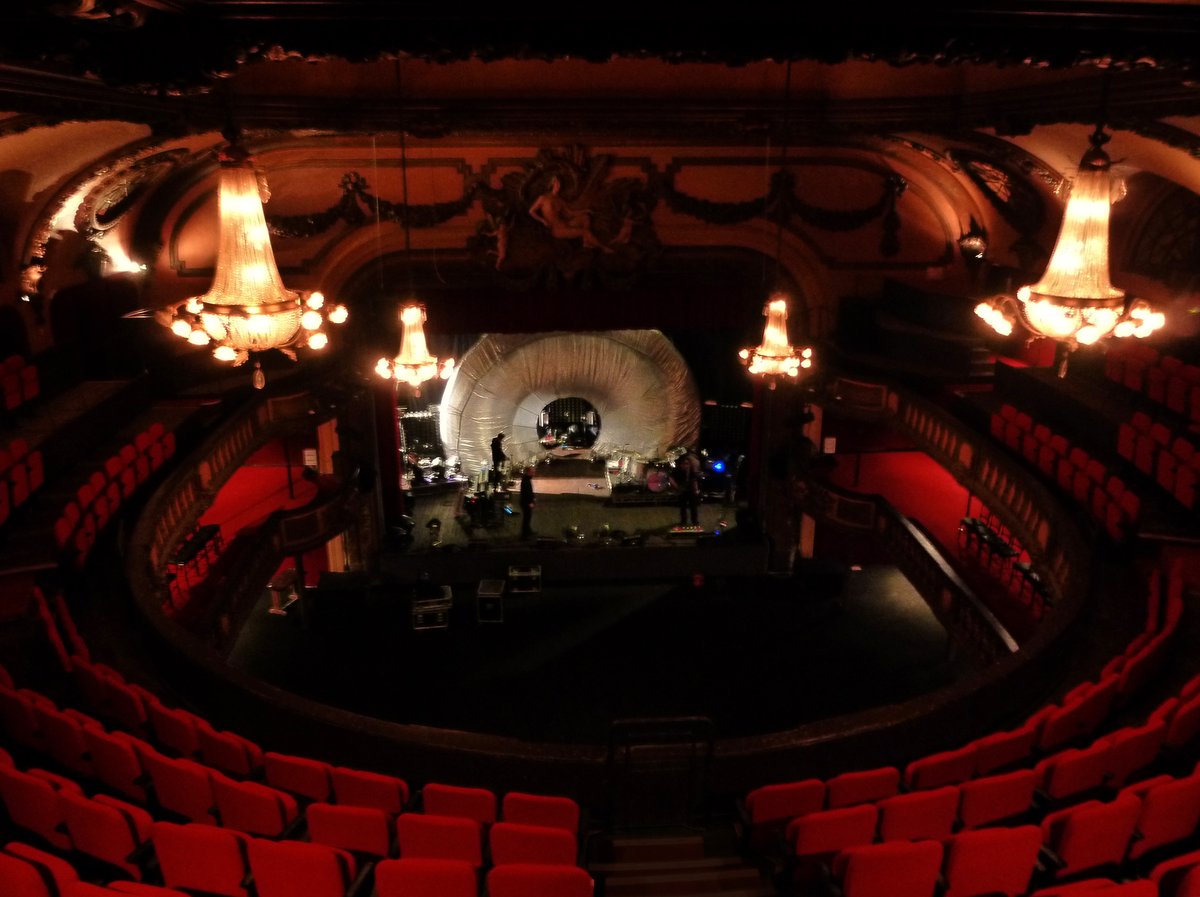
- Seating 647 (orchestra) + 440 (balconies); capacity up to 1,500 for standing events.
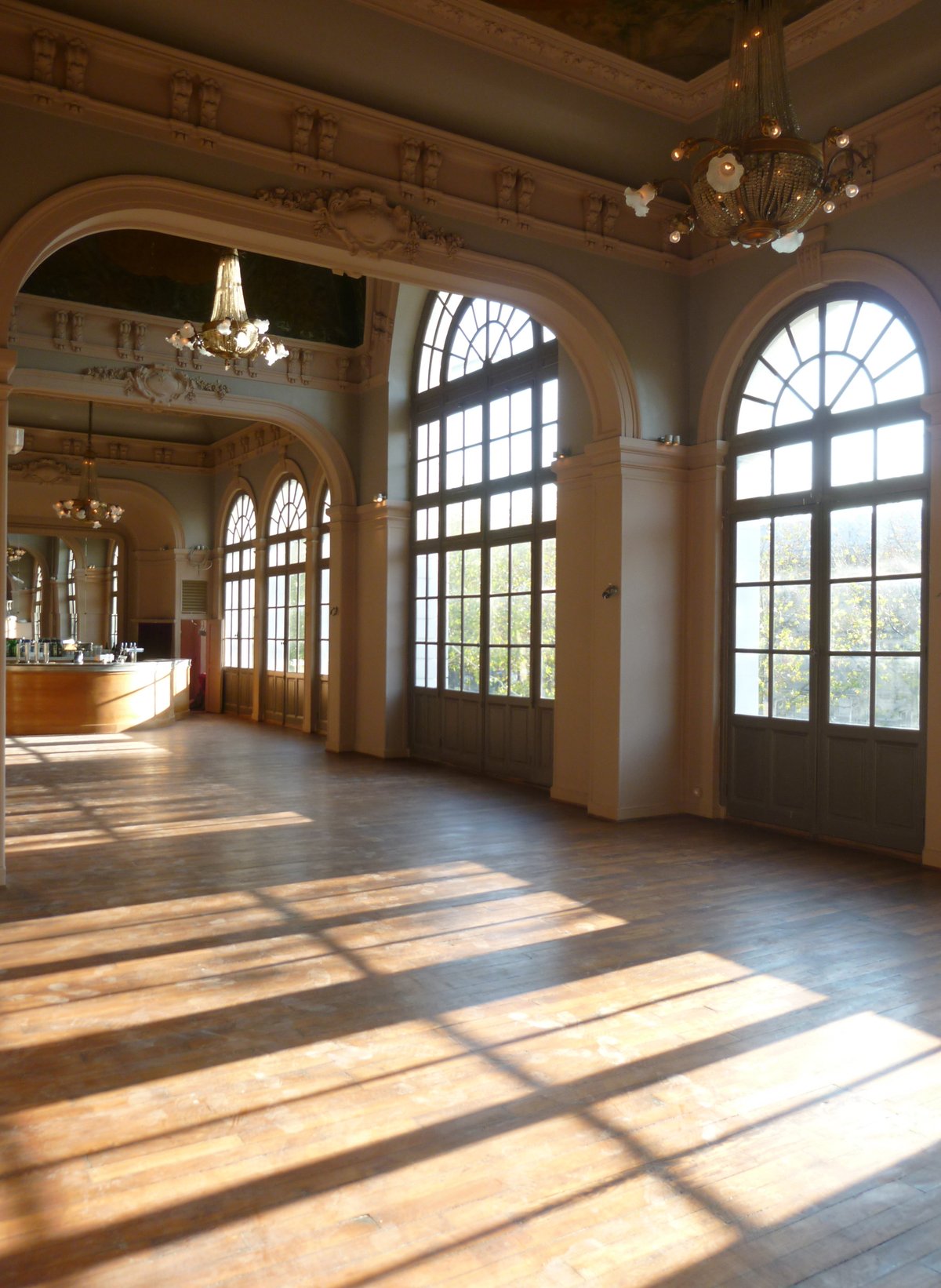
- Spaces Main theater, ornate ballroom, winter garden, and Le Petit Trianon café.
- Design Belle Époque façade, ironwork from Eiffel’s 1889 Exposition pavilion.
Visiting Hours and Tickets
- Box Office
- Mon–Fri: 10:00 am–6:00 pm
- Sat: 10:00 am–5:00 pm
- Closed Sundays/public holidays
- Event Times Venue opens 30–60 minutes before shows.
- Tickets €29–€99 depending on event, available online or at the box office.
Accessibility
- Wheelchair access available (contact in advance).
- Main public areas and café accessible (official page).
Cultural Significance
Le Trianon has hosted legends from Mistinguett to Rihanna, and played a role in contemporary culture with events such as Nouvelle Star auditions.
Event Highlights
- Concerts, theater, fashion, and festivals.
- Upcoming events: Colours in the Street, Louis Bertignac, The Flower Kings (official program).
Practical Visitor Information
- Address 80 boulevard de Rochechouart, 75018 Paris
- Metro Anvers (Line 2)
- Parking Nearby public lots (early booking advised)
- Café Le Petit Trianon for snacks and drinks
Le Trianon Estate: Visiting Hours, Tickets, and Planning
Visiting Hours
- High Season (April–October) Tues–Sun, 12:00 pm–6:30 pm (July/August from 10:00 am).
- Low Season (Nov–March) Tues–Sun, 12:00 pm–5:30 pm.
- Closed Mondays and some holidays (Versailles Tourism).
Ticket Options
- Versailles Passport Full access (Your Guides Abroad).
- Trianon Ticket Access to estate only.
- Free Under 18, EU under 26, people with disabilities, first Sunday Nov–Mar (versailleschateau.com).
Navigating and Accessibility
- Distances 1.5 km from main palace—comfortable shoes recommended.
- Wheelchair access Most areas accessible; contact for assistance.
- Prohibited Strollers/large bags in palaces; luggage storage at main entrance.
Visitor Amenities
- Restrooms, cafés, picnic areas, gift shops.
- Tours Guided and private options; audio guides available.
- Photography Non-flash inside; best outdoor shots early or late (Medium).
Special Events and Transportation
- Events Musical fountains, night shows (Paris Insiders Guide).
- Transport RER C to Versailles Château Rive Gauche, then walk/shuttle/bike (Your Guides Abroad).
- Parking Paid, fills early.
Essential Visitor Tips
- Plan ahead Prioritize must-see areas.
- Weather Prepare for outdoors.
- Children Best for ages 8+ due to walking.
Quick Reference: Le Trianon Concert Hall
- Address 80 boulevard de Rochechouart, 75018 Paris
- Website letrianon.fr
- Box Office +33 1 44 92 78 00
- Tickets Infoconcert, Bandsintown, JDS Paris
Discover More
Le Trianon, whether as the tranquil Versailles escape or the vibrant Montmartre concert venue, offers a journey through French history, art, and culture. Plan your visit by checking official resources, book tickets in advance, and take advantage of guided tours or audio guides for a richer experience. Apps like Audiala offer interactive guides and event recommendations. Embrace the unique atmosphere of Le Trianon—where royal elegance meets Parisian artistic flair (versailleschateau.com; letrianon.fr).