
22/07/2024
What the place is
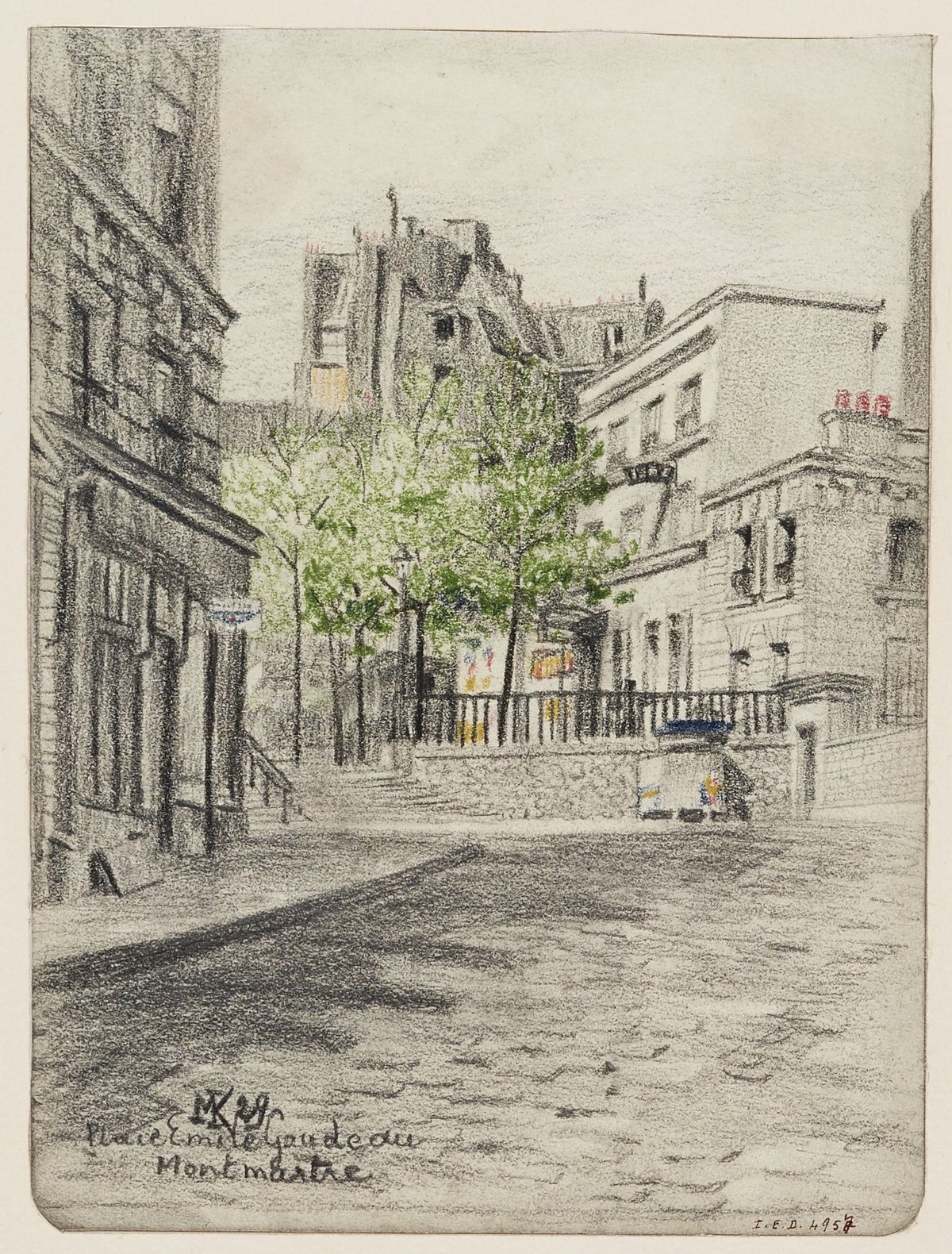
In Montmartre, Place Émile Goudeau is a small public square surrounded by cobblestone streets and historic buildings. Its setting reflects the area’s bohemian past and its continuing artistic legacy. The square and its surroundings have been associated with artists, writers and musicians, and remain part of Montmartre’s cultural heritage (ParisInfo).
History
The square and Montmartre
The square was originally called Place Ravignan. In 1929, it was renamed in honour of Émile Goudeau, a French poet and journalist prominent in the literary and artistic circles of the late 19th century.
Montmartre became a gathering place for artists, writers and musicians in the late 19th and early 20th centuries. Its cabarets, nightlife and creative communities made the area a centre of bohemian life, and Place Émile Goudeau became a focal point for people living and working nearby.
The Bateau-Lavoir
A landmark on the square, the Bateau-Lavoir was a former piano factory converted into an artists’ residence. Its name means “Washhouse Boat”; the building was said to resemble the laundry boats on the Seine. It became a hub of artistic innovation and collaboration, particularly for the avant-garde and the development of Cubism (Culture Trip).
Pablo Picasso lived and worked there and created Les Demoiselles d’Avignon in 1907. The painting marked a major departure from traditional artistic styles and is considered a precursor to Cubism. Other artists associated with the Bateau-Lavoir include Amedeo Modigliani, Juan Gris and Kees van Dongen.
Literary and cultural significance
Émile Goudeau led the Hydropathes, an avant-garde group of writers and artists who gathered to share their work and ideas and challenge conventional norms.
Montmartre’s bohemian lifestyle also appears in literature. French writer Roland Dorgelès wrote about it in his novel Les Croix de bois (Wooden Crosses), depicting the area’s cultural vibrancy.
Architecture and preservation
The square has changed over time alongside Montmartre, but its cobblestone streets and historic buildings retain a sense of the past. Place Émile Goudeau and its surrounding buildings are protected as part of the Montmartre conservation area. Ongoing preservation efforts and cultural events and exhibitions help maintain the area’s heritage.
What to see
The square’s historic buildings and cobblestone streets offer a glimpse of Montmartre’s past. The Bateau-Lavoir is a notable landmark and a popular photographic subject for visitors interested in the area’s artistic history.
Practical visiting information
Getting there
The square is in Montmartre and is served by public transportation. The nearest metro station is Abbesses (Line 12), a short walk away.
Events and guided tours
Cultural events and exhibitions take place in Place Émile Goudeau and the surrounding area throughout the year. Guided tours offer further insight into the square’s history and notable residents. Check local listings and tourism websites for current information on events and tours.
Tips
Wear comfortable walking shoes for Montmartre’s cobblestone streets. Visitors with mobility needs can plan ahead and check accessibility options.
Nearby places
Nearby attractions include the Sacré-Cœur Basilica, the Moulin Rouge and the Montmartre Museum, each offering further insight into the area’s cultural and artistic heritage.
FAQ
What are the visiting hours for Place Émile Goudeau?
The square is accessible at all times because it is a public square.
Do I need a ticket to visit Place Émile Goudeau?
No ticket is required to visit the square. If you plan to visit the Bateau-Lavoir, check whether special visiting hours or tours are available.
Is Place Émile Goudeau accessible for wheelchairs?
Montmartre’s cobblestone streets and hilly terrain can pose challenges for visitors with mobility issues. Ramps and accessible routes are available; plan ahead and check accessibility options before visiting.
What are some nearby attractions?
See the Nearby places section above.