
1. The Origins and Evolution of the Plans-Reliefs
The story of the plans-reliefs begins in 1668, when Louis XIV, aiming to reinforce his kingdom’s defenses, commissioned detailed three-dimensional models of key fortified cities for strategic planning. His minister, François-Michel le Tellier, Marquis de Louvois, and the renowned engineer Vauban were instrumental in realizing this vision, with the first model depicting Dunkirk (Musée des Plans-Reliefs; Visit Paris Region).
Initially, these models were central to military strategy, enabling the king and his advisors to visualize fortifications and plan sieges or defenses. Over time, their role expanded, becoming emblems of royal authority and French military prowess. By the late 19th century, the collection encompassed over 100 models, including not just French cities but also key sites in territories influenced by France, such as parts of Italy and the Low Countries.
2. Craftsmanship and Technical Innovation
Each plan-relief is a feat of technical and artistic collaboration. Constructed at a standardized 1:600 scale, the models capture every detail—from ramparts and bastions to natural topography and city layouts—using wood, papier-mâché, silk, and painted canvas.
Creating these models required extensive field surveys, cartographic studies, and the combined efforts of engineers, artisans, and cartographers. The plans-reliefs served both as strategic tools and as works of art, showcasing the intersection of scientific accuracy and creative skill (Visit Paris Region; Musée des Plans-Reliefs Paris historical sites).
3. The Museum: Preservation, Display, and Visitor Experience
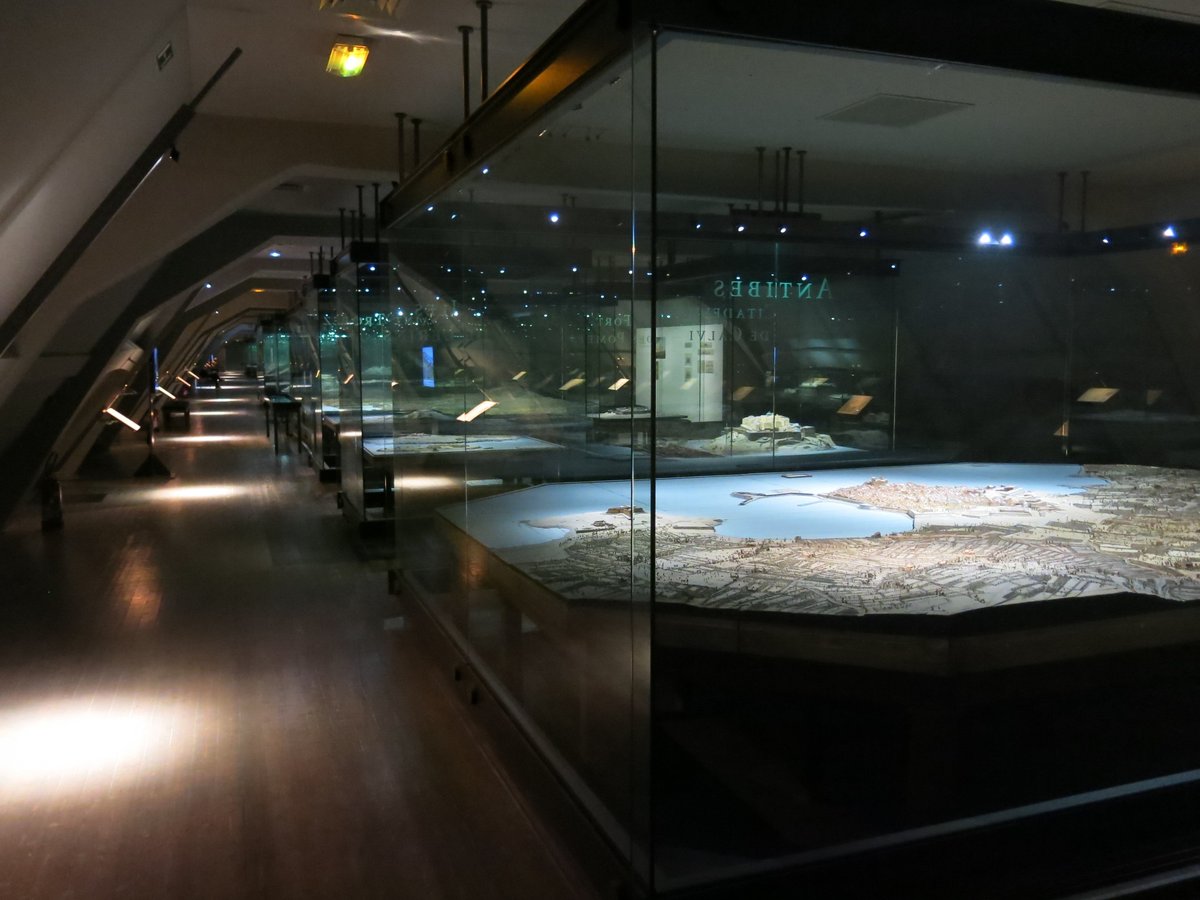
Today, the Musée des Plans-Reliefs displays a curated selection of about 28 models from its original collection of over 100, housed in climate-controlled galleries within the Hôtel des Invalides (Musée des Plans-Reliefs). The models are presented in large, well-lit cases, allowing visitors to appreciate their complexity and craftsmanship.
Interpretive panels, multimedia displays, and guided tours provide historical context and insights into both the models’ construction and their significance. The museum’s setting within the Invalides complex, alongside the Musée de l’Armée and Napoleon’s Tomb, enhances its appeal as a destination for anyone interested in French and European history.
4. Visiting Hours, Tickets, and Practical Information
Address and Location
- Musée des Plans-Reliefs, 129 rue de Grenelle, Hôtel des Invalides, 75007 Paris
- Accessible by Metro lines 8 (La Tour-Maubourg) and 13 (Varenne), RER C (Invalides), and several bus routes; paid parking available under the Esplanade des Invalides (Official Museum Site).
Visiting Hours
- April–September 10:00–18:00
- October–March 11:00–18:00
- Ticket office closes 17:30; last entry at 17:50
- Closed First Monday of each month and major holidays (Musée des Plans-Reliefs visiting hours)
Tickets and Admission
- Admission Included with a ticket to the Musée de l’Armée and Napoleon’s Tomb.
- Standard price €15; reduced price €12; free for visitors under 18 and EU residents 18–25 (Visit Paris Region)
- Special events Free entry during Nuit des Musées and Rendez-vous aux Jardins (Sortir à Paris)
5. Accessibility and Visitor Services
- Wheelchair access The museum is accessible, and wheelchairs are available at the ticket counter (ID required).
- Restrooms Accessible toilets are on the ground floor; additional facilities on level 2.
- Cloakroom Free service available for coats, umbrellas, helmets, scooters, and small bags.
- Languages Bilingual panels (French/English); guided tours in multiple languages during special events.
6. Special Events and Educational Programs
Annual Highlights
- Nuit des Musées (May 17, 2025) Free late-night entry, theatrical tours with historical figures, treasure hunts, and student-led presentations (Sortir à Paris).
- Rendez-vous aux Jardins (June 6–8, 2025) Special tours on botanical themes and hands-on workshops for children (Sortir à Paris).
- Augmented Reality Occasional AR experiences bring select models, such as Mont Saint-Michel, to life (France Travel Tips).
Educational Initiatives
- Booklet-games and family workshops during events
- Thematic guided tours (e.g., “Sur les traces de Vauban”)
- School collaborations and presentations
7. Nearby Attractions and Travel Tips
- Combine your visit Explore the Musée de l’Armée, Napoleon’s Tomb, and other museums within the Hôtel des Invalides complex (France Travel Tips).
- Best visiting times Weekdays and early mornings for fewer crowds; allow at least one hour for a thorough visit.
- Photography Non-flash photography is permitted; check for current policies upon arrival.
- Gift shop Features books, souvenirs, and educational materials.
8. FAQ
Q: What are the museum’s visiting hours?
A: April–September: 10:00–18:00; October–March: 11:00–18:00; closed first Monday of each month and major holidays.
Q: How do I buy tickets?
A: Tickets are included with Musée de l’Armée/Napoleon’s Tomb admission, available online or at the entrance.
Q: Is the museum accessible?
A: Yes, the museum is wheelchair accessible, with adapted restrooms and elevators.
Q: Are English tours available?
A: Bilingual panels throughout; guided tours in English during select events—check ahead for availability.
Q: Is the museum suitable for children?
A: Yes, family-friendly displays and booklet-games are available.
Q: Can I visit other sites with the same ticket?
A: Yes, your ticket covers other museums within the Hôtel des Invalides complex.