The Origins and Historical Significance of Les Invalides
Commissioned by King Louis XIV in 1670, Les Invalides began as a hospital and residence for wounded and retired soldiers. Designed by Libéral Bruant in the French classical style, it provided care and shelter for up to 4,000 veterans—a groundbreaking social innovation at the time. The Dôme des Invalides, completed in 1706 by Jules Hardouin-Mansart, became a Parisian icon and a symbol of national pride (History Tools, Flickr).
Les Invalides evolved into a site of national remembrance, hosting ceremonies and serving as the final resting place for celebrated military leaders, most notably Napoleon Bonaparte, whose ashes were returned to Paris in 1840 and placed beneath the dome in a monumental sarcophagus.
The Musée de l’Armée was established in 1905 through the merger of the Musée d’Artillerie and the Musée Historique de l’Armée, creating one of the world’s most comprehensive military museums (Sortir à Paris, Northleg).
Architectural Evolution and Institutional Role
Les Invalides’ design—with grand courtyards, chapels, and barracks—mirrored its dual function as both a practical hospital and a symbolic monument. Over the centuries, it expanded to include the tombs of other French military figures such as Vauban, Turenne, and Foch, reinforcing its status as a pantheon of martial achievement.
The creation of the Musée de l’Armée marked a new era, with a mission to preserve, study, and showcase military artifacts and to engage the public through education and commemoration (paristouristinformation.fr, wikipedia). Today, the museum continues to blend preservation, research, and public engagement, hosting ceremonies, exhibitions, and educational programs (musee-armee.fr).
Collections and Thematic Departments
The Musée de l’Armée’s holdings span every period of French and global military history. Key categories include:
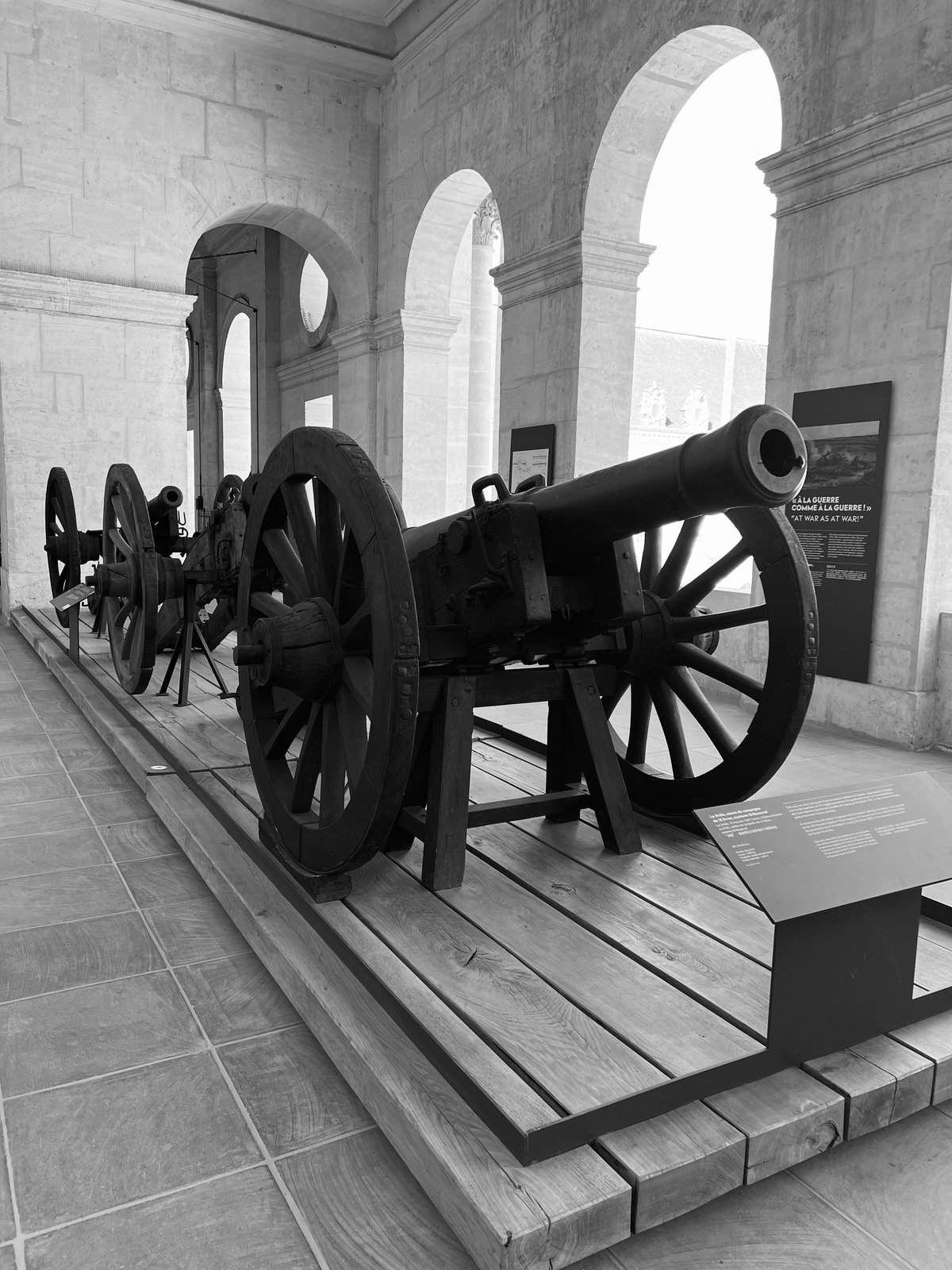
- Weapons and Artillery Cannons, siege guns, small arms, and innovations from the medieval period to the present.
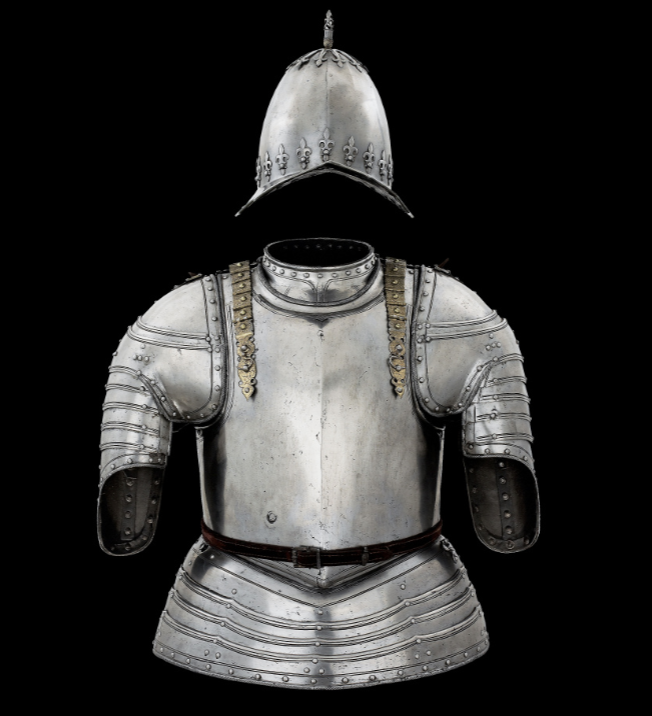
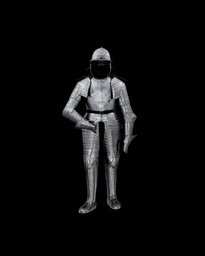
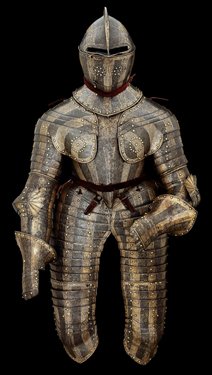
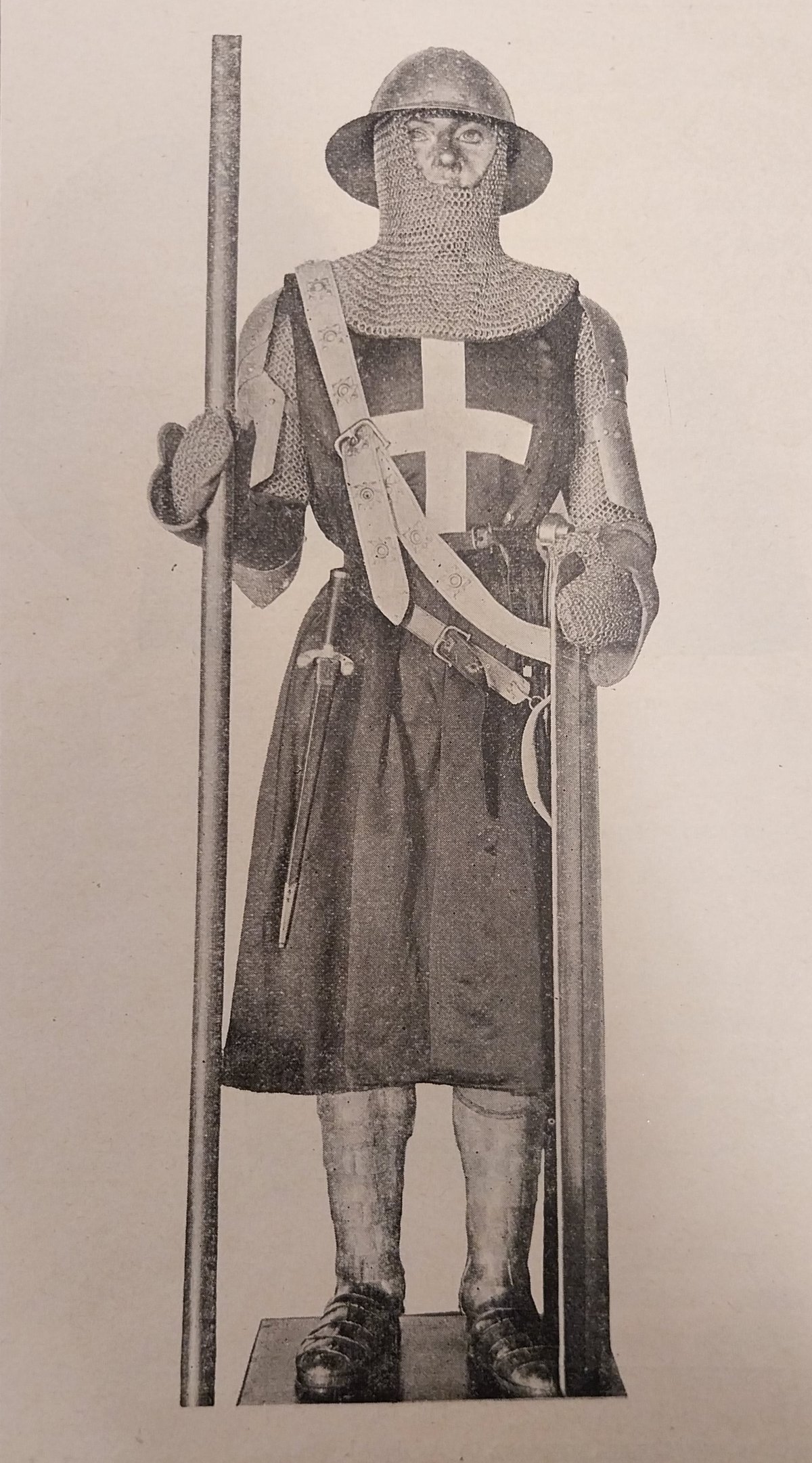
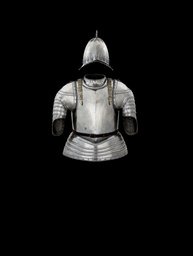
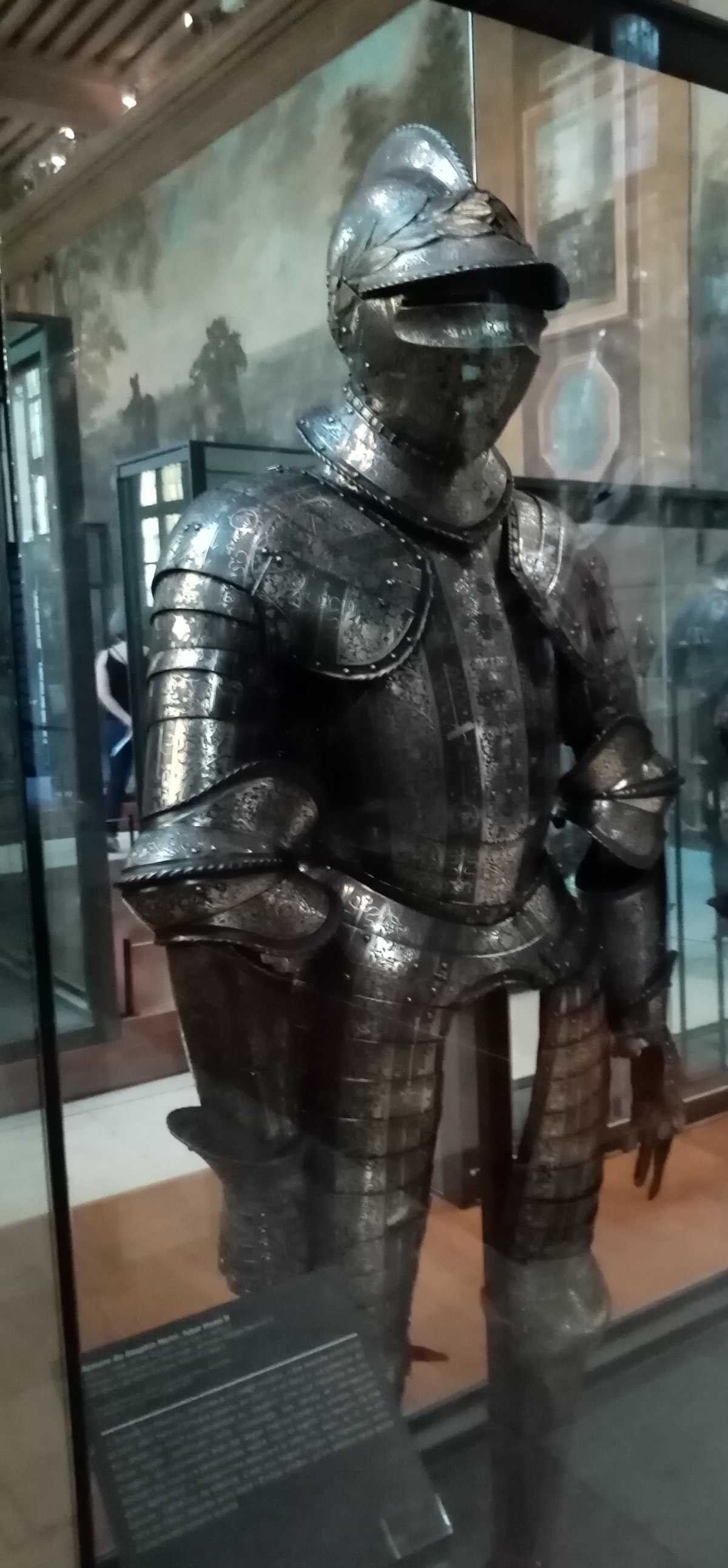
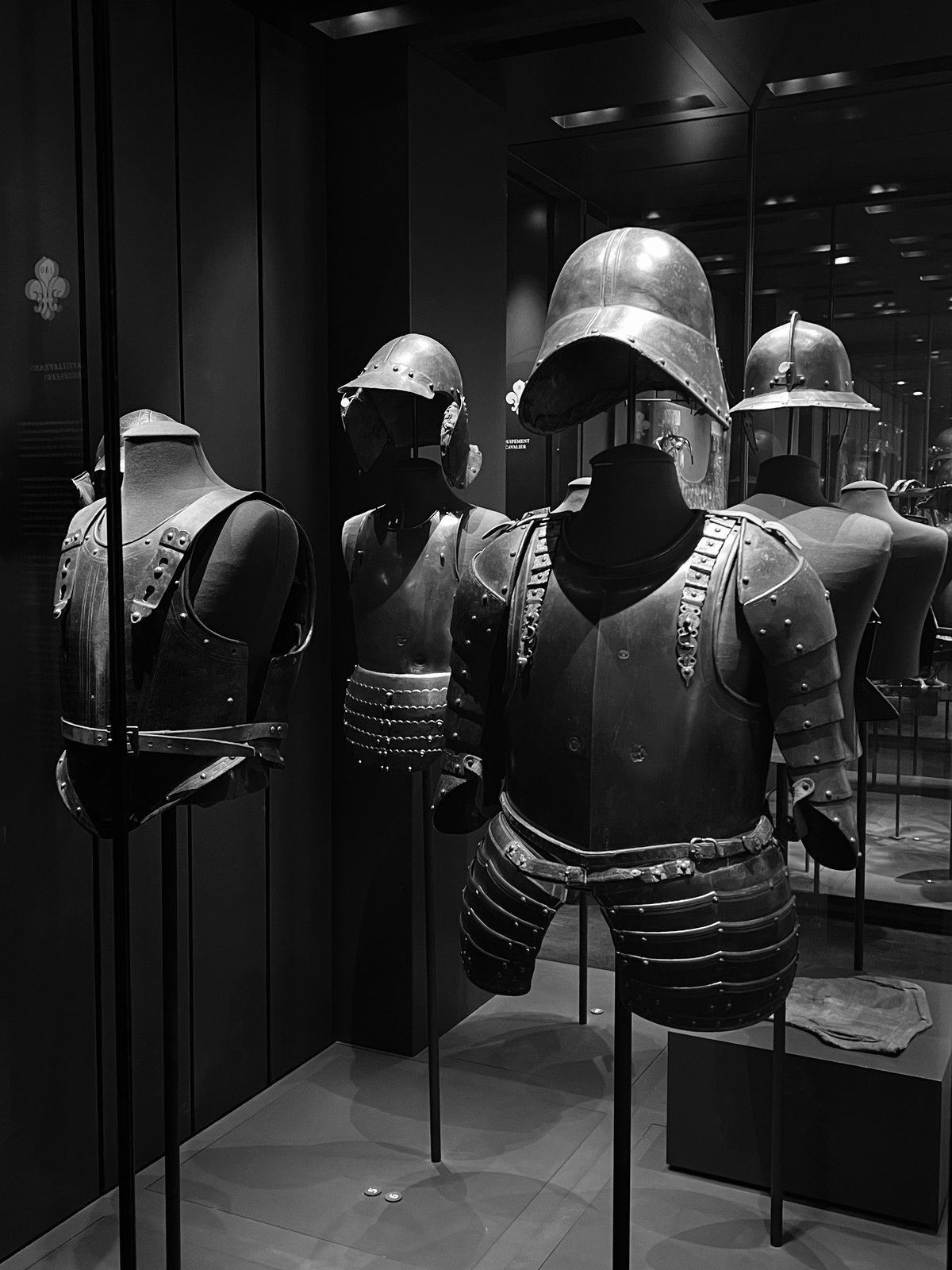
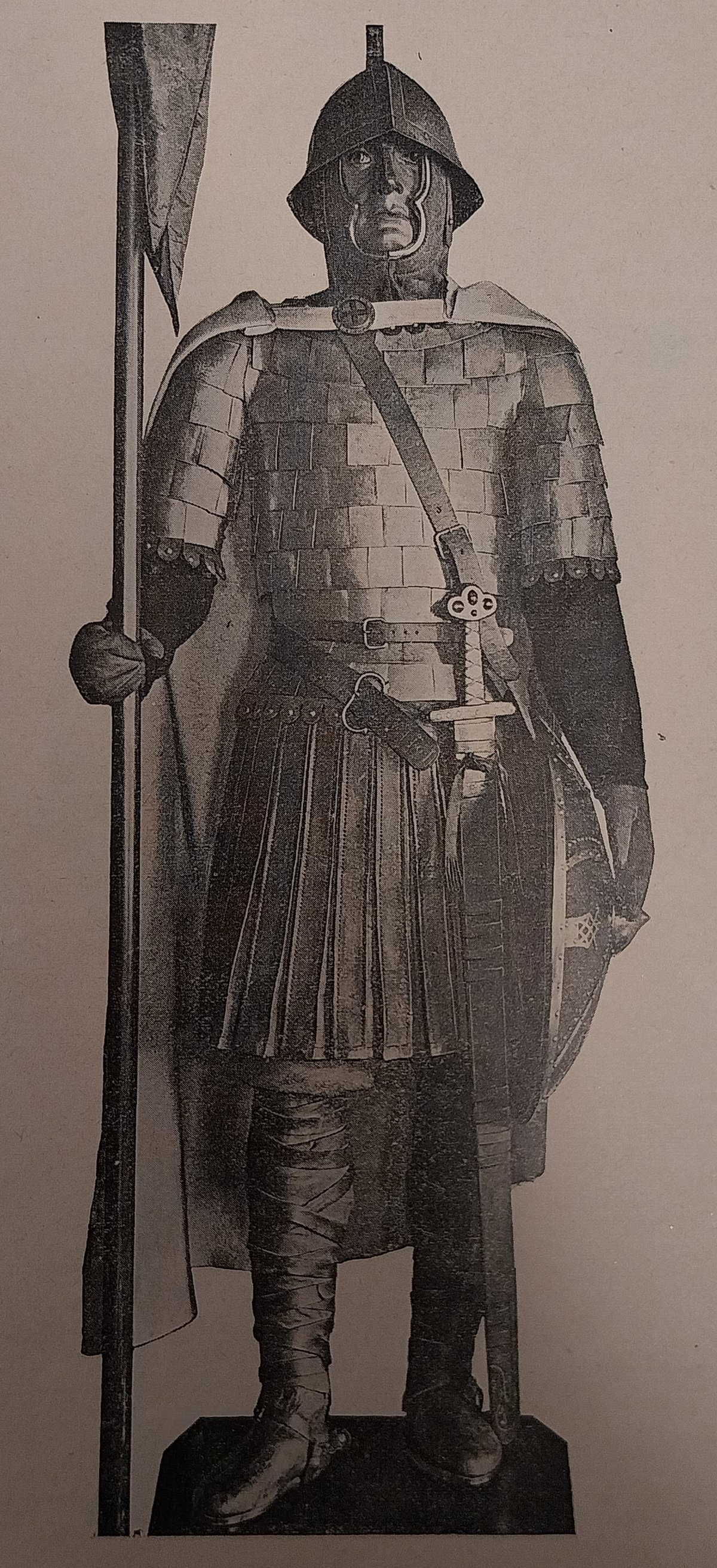
- Armor Ornate jousting armor, utilitarian battlefield gear, and ceremonial pieces from France and Europe.
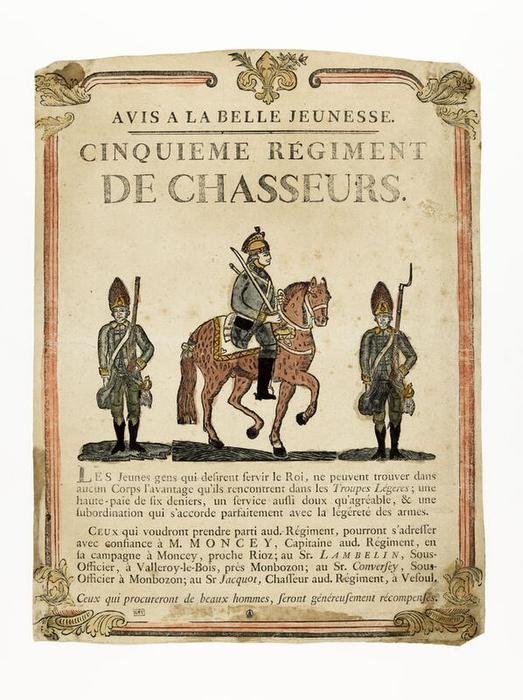
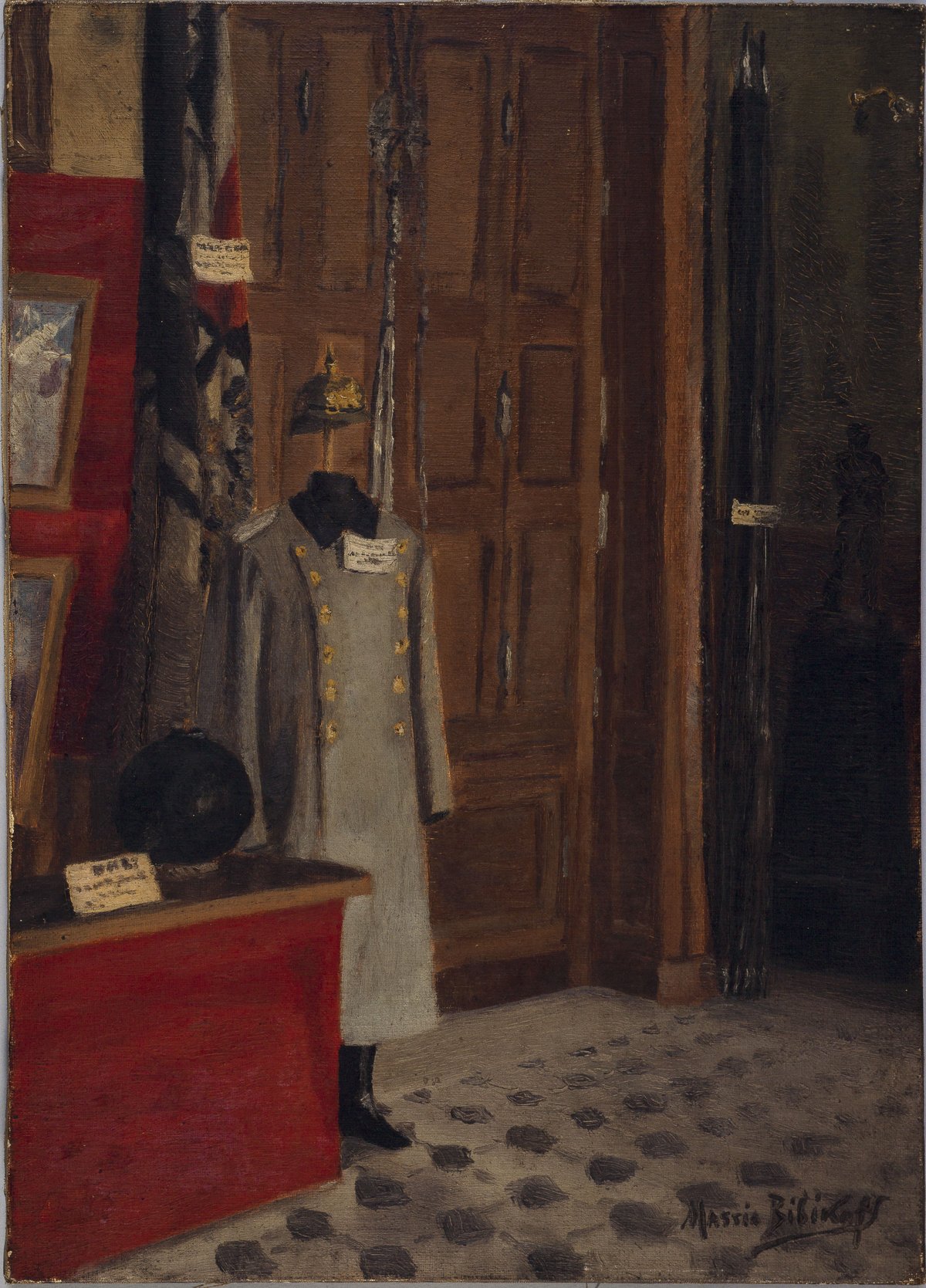
- Uniforms From royal costumes to modern military attire.
- Personal Effects Medals, letters, and memorabilia of soldiers and commanders.
- Art Paintings, sculptures, and dioramas illustrating battles and leaders.
Seven thematic departments cover distinct eras and aspects, such as the Ancient and Medieval Department, Modern Department (17th–18th centuries), Contemporary Department (19th–20th centuries), and specialized sections like the Musée des Plans-Reliefs, which houses scale models of historic fortifications (Northleg).
Practical Visitor Information
Visiting Hours and Ticket Details
- Open Daily, 10:00 AM–6:00 PM (last admission 5:00 PM).
- Closed January 1, May 1, December 25.
- Entrances
- 129 rue de Grenelle (10:00–18:00)
- Place Vauban (14:00–18:00)
- Extended Hours First Friday of each month, 18:00–22:00.
- Tickets
- Full price: €17
- Reduced price: €12 (conditions apply)
- Late-night (nocturne): €10
- Young visitors (18–25, EU nationals/residents): €5
- Free: Children under 18, job-seekers, disabled visitors and companions (Musée de l’Armée – Horaires et tarifs, Visit Paris Region)
- Purchase Online via the official ticket office or at the museum.
Accessibility
- The museum is wheelchair accessible, with ramps, elevators, and accessible restrooms.
- Wheelchairs are available on request; most exhibition spaces are accessible, though some historic areas may have limitations (Visit Paris Region – Accessibility).
- Service animals permitted.
Visitor Tips and Nearby Attractions
- Best times Weekday mornings or late afternoons.
- Nearby Rodin Museum, Seine River, Eiffel Tower.
- Photography Allowed in most areas (no flash/tripods).
- Dress Comfortable shoes recommended.
- Security Bag checks at entrances; large luggage prohibited.
- Language Signage and digital guides available in French and English.
Museum Layout and Key Exhibits
Key Exhibits
- Medieval and Renaissance Arms & Armour Knights’ armor, swords, shields, and early firearms with period murals.
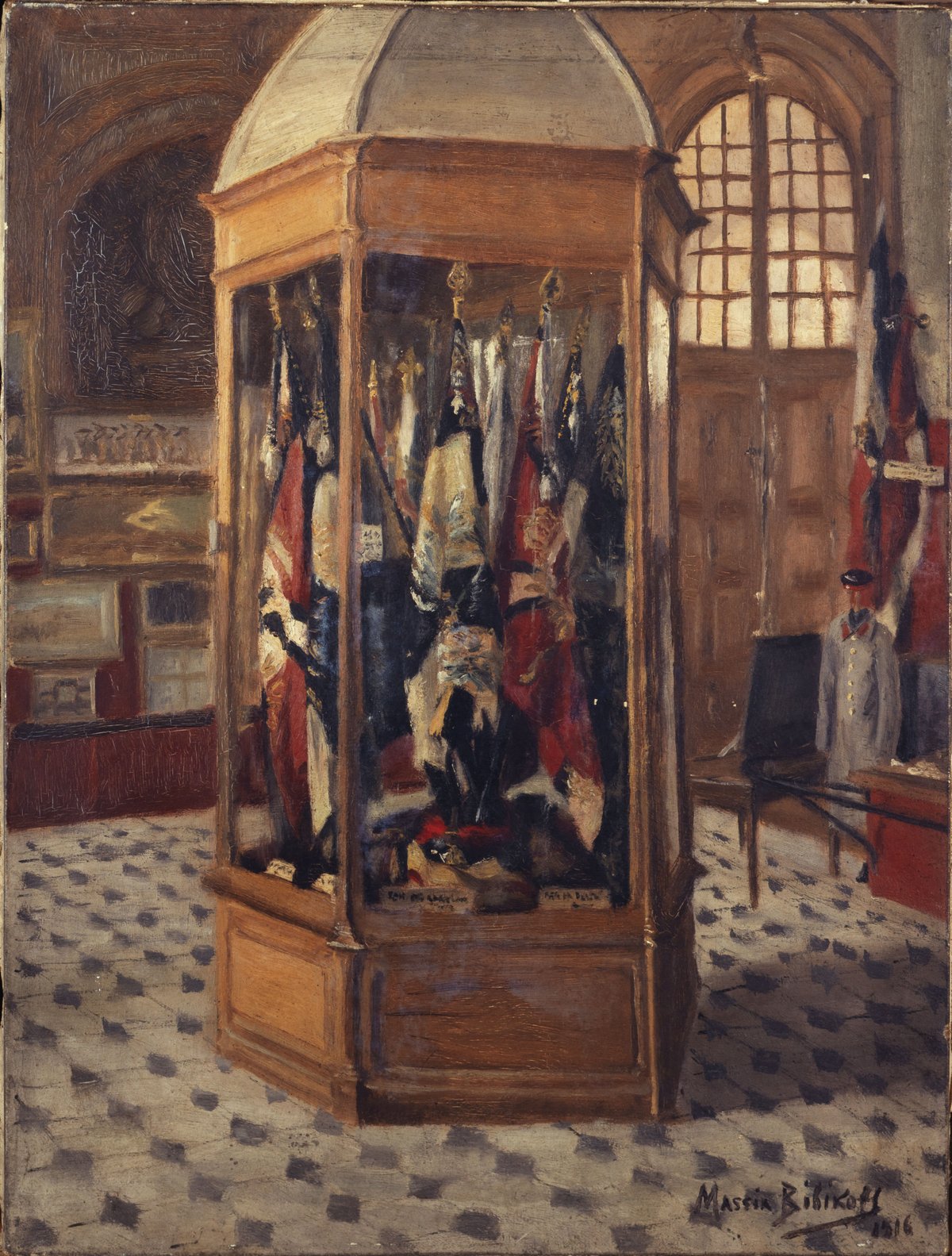
- Napoleonic Era Imperial Guard uniforms, Napoleon’s personal effects, and battle dioramas.
- World Wars I & II Trench reconstructions, tanks, artillery, and medals.
- Dôme des Invalides Napoleon’s monumental sarcophagus.
- Musée des Plans-Reliefs Over 100 scale models used for military planning.
- Soldiers’ Church (Cathédrale Saint-Louis) Memorials to France’s fallen soldiers.
- Temporary Exhibitions Rotating displays on topics such as wartime innovation and women in the military (Museos.com).
Visitor Services and Amenities
Digital and Multimedia Guides
- Free Digital Guide Accessible via on-site WiFi and QR codes (Musee_Armee).
- Tablet Loan Available free from summer 2025 (ID required).
- Paris Region Adventures App Family-friendly treasure hunts (Visit Paris Region – Family Activities).
Guided Tours
- Available for individuals, families, and groups.
- From April 2025, tours managed by “Des mots et des Arts” (Musée de l’Armée – Guided Tours).
Family Activities
- Storytelling visits for ages 3–12.
- Workshops, games, and activity booklets in French and English.
Café and Amenities
- Le Carré des Invalides Meals, snacks, and terrace seating.
- Restrooms and cloakrooms available; gift shop for books and souvenirs.
Events and Cultural Programming
- Concerts Musical season in the Saint-Louis Cathedral and Grand Salon.
- Special Events Temporary exhibitions, workshops, themed family days, and annual celebrations such as Nuit des Musées (Musée de l’Armée – Saison musicale).
Frequently Asked Questions (FAQs)
Q: What are the Musée de l’Armée visiting hours?
A: Daily, 10:00–18:00 (closed Jan 1, May 1, Dec 25).
Q: How much are tickets?
A: Full price €17; reduced and free options available.
Q: Is the museum accessible?
A: Yes, with ramps, elevators, and support for reduced mobility.
Q: Are guided tours available?
A: Yes, in multiple languages; advance booking recommended.
Q: Can I take photos?
A: Non-flash photography is allowed except in some temporary exhibitions.
Plan Your Visit
- Arrive early for quieter galleries and Napoleon’s tomb.
- Allow at least 2–3 hours for a comprehensive visit.
- Use digital guides or audio tours for deeper insights.
- Check the museum agenda for events and exhibitions.
Stay updated by visiting the official website, and download the Audiala mobile app for interactive tours and real-time updates.