
Musée Maillol, Paris
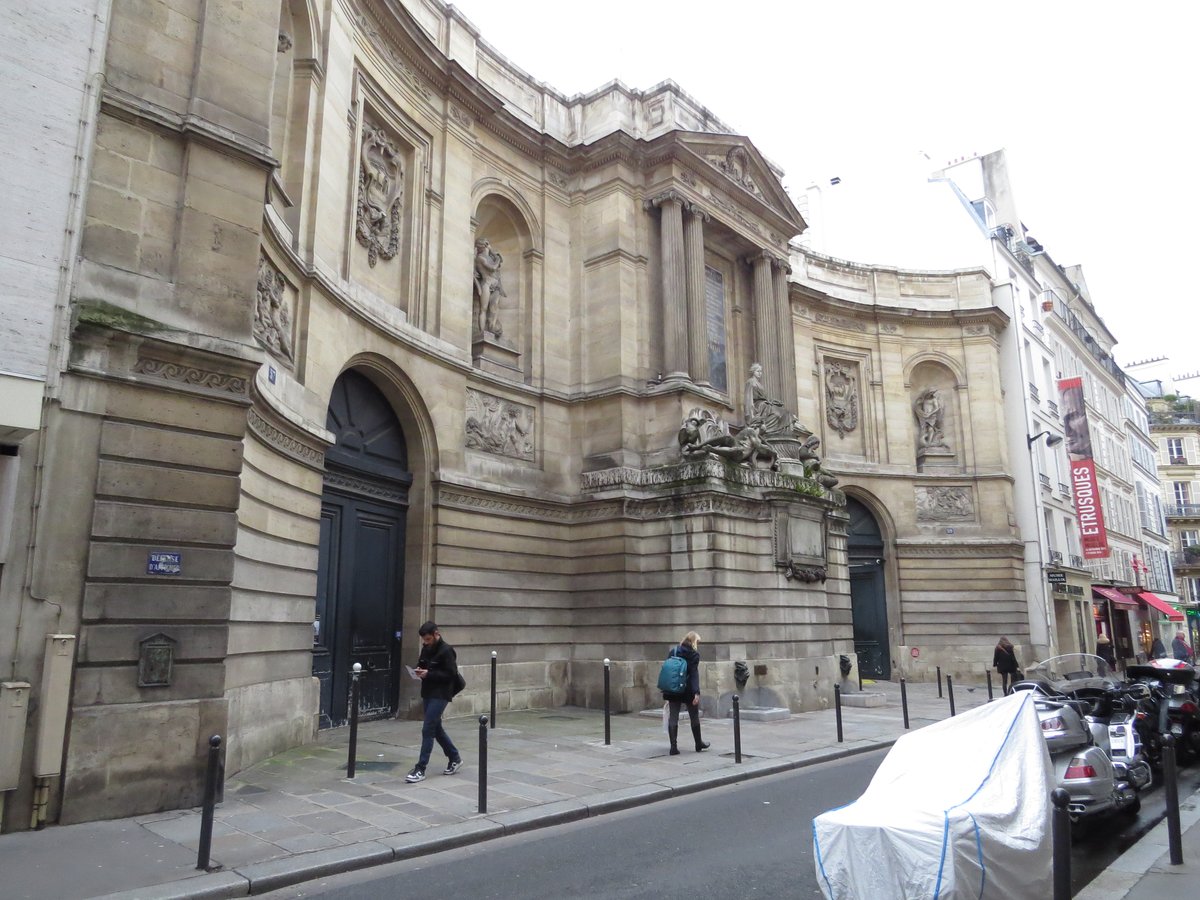
Located at 59–61 Rue de Grenelle in Paris’s 7th arrondissement, Musée Maillol is dedicated to the life and work of sculptor Aristide Maillol and presents art from the early 20th century alongside works by his contemporaries. It is housed in the 18th-century Hôtel Bouchardon, known for the monumental Fontaine des Quatre-Saisons. Inaugurated in 1995, the museum was established through the efforts of Dina Vierny, Maillol’s muse, collaborator and later patron (Musée Maillol Official Website; CometoParis; ParisInsidersGuide).
The museum combines its permanent collection with temporary exhibitions, tours and events. Its accessible facilities and programming make it a place to encounter Maillol’s work and explore its connections with the broader history of modern art.
History
The Hôtel Bouchardon
The Hôtel Bouchardon was built in the 18th century. Its baroque Fontaine des Quatre-Saisons was created by sculptor Edmé Bouchardon. The mansion was also home to poet Alfred de Musset and painter Paul-Jacques-Aimé Baudry (cometoparis.com; fr.wikipedia.org).
The site’s history also encompasses convent grounds and artistic salons, reflecting layers of Parisian cultural life.
Dina Vierny and the museum
Dina Vierny preserved and promoted Aristide Maillol’s legacy. After donating major works to the French state and founding the Fondation Dina Vierny, she established the museum, which opened in 1995 following extensive restoration (en.wikipedia.org; 175paris.com).
After Vierny’s death in 2009, the museum passed through periods of transition, including management by Culturespaces and later the direct involvement of Vierny’s heirs with Tempora. The foundation continues to champion Maillol’s work through exhibitions and loans, including its participation in the 2024 “Normandie Impressionniste” festival (museemaillol.com).
Collections and exhibitions
Permanent collection
Musée Maillol holds the world’s largest ensemble of Maillol’s works, with over 400 sculptures, paintings and drawings. His art is noted for its serenity, harmonious forms and classical inspiration. Highlights include “La Méditerranée,” “La Nuit” and “L’Air,” as well as early paintings influenced by Gauguin (The Geographical Cure).
The Vierny Collection includes works by Maillol’s contemporaries Matisse, Dufy, Bonnard, Gauguin, Rodin, Degas and Cézanne, placing his work in the wider story of modern art.
Temporary exhibitions and themes
Temporary exhibitions are held on the ground and first floors. Past and featured shows include hyperrealist sculpture, Artemisia Gentileschi and the 2025 Robert Doisneau retrospective, “Instants Donnés,” featuring over 250 photographs (Paris Update; Offi.fr).
Exhibitions may include immersive displays and educational materials. Themes have included “The Body in Art,” women as artists and muses, and the broader trajectory of modernism. Partnerships and loans contribute to the changing programme (The Geographical Cure).
Admission includes access to both the permanent and temporary galleries. Maillol’s “La Méditerranée” and tributes to Cézanne are among the sculptural highlights. Vierny’s influence is also visible in portraits by Matisse and Bonnard. Some Maillol sculptures donated by Vierny are displayed in the Tuileries Gardens.
Practical visiting information
Opening hours and tickets
- Opening hours Tuesday through Sunday, 10:30 AM–6:30 PM.
- Closed Mondays, January 1, May 1 and December 25.
- Special evenings Occasional late openings are held for special events; check the official website for updates.
- Full-price tickets €13–€16.5, depending on the exhibition and season.
- Reduced tickets €10–€14 for students, seniors and persons with disabilities.
- Free entry Children under 18, EU residents under 26, and disabled visitors with a companion.
- Purchasing tickets Tickets are available online via the official site and at the museum. Online purchase is recommended for faster entry.
Accessibility and facilities
The museum is wheelchair accessible, with elevators to all exhibition areas and accessible restrooms. Wheelchairs are available on request, strollers are permitted except during peak times, and service dogs are allowed. Disabled parking spaces are nearby. Visitors with special requirements can contact the museum in advance.
The museum offers audio guides in French and English, as well as English resources and QR-code digital guides. Café des Frères Prévert and a gift shop are on site. Only small bags are permitted.
Tours and events
Guided tours for individuals and groups are available. Workshops and lectures are offered during special exhibitions, and advance booking for tours is recommended.
Contact
- Address 59–61 Rue de Grenelle, 75007 Paris, France
- Website Musée Maillol Official Website
- Phone Check the official website for current details.
- Social media Follow the museum’s official channels for updates.
Visitor tips
Weekday mornings and late afternoons are described as the least crowded times to visit. A separate visitor tip suggests visiting on Mondays and Wednesdays, when many museums are closed; the listed museum schedule above says Musée Maillol is closed on Mondays (Paris Top Ten).
Booking online can help secure a time slot and avoid queues. Check eligibility for discounts, including those for students, seniors, children and EU youth. The museum’s official website and social media provide exhibition and visitor updates.
Nearby places
Nearby attractions include the Musée d’Orsay, Musée Rodin, Luxembourg Gardens, Les Invalides and the Bon Marché department store. Rue du Bac has cafés and bistros. Visitors can also see Maillol’s outdoor sculptures in the Tuileries Gardens or compare his work with Rodin’s at the Musée Rodin (The Geographical Cure).
Public transport is recommended because parking is limited.
- Metro Line 12 (Rue du Bac or Sèvres-Babylone); Line 13 (Varenne).
- Bus Lines 63, 68, 69, 83, 84, 87 and 94.
FAQ: Visiting Musée Maillol
What are the museum’s visiting hours?
Tuesday–Sunday, 10:30 AM–6:30 PM. It is closed on Mondays and on January 1, May 1 and December 25.
How can I buy tickets?
Buy them online in advance through the official site or at the museum.
Is the museum wheelchair accessible?
Yes. It has elevators, accessible restrooms and wheelchairs available on request.
Are audio guides available?
Yes. Audio guides are available in French and English; resources are also described as available in several languages.
Can I take photographs?
Photography without flash is permitted except where noted.