
Historical Background and Architectural Significance
Origins and Historical Development
The Galerie de Paléontologie et d’Anatomie Comparée emerged from the scientific fervor of late 19th-century France. Conceived by leading professors Albert Gaudry, Georges Pouchet, and Ernest-Théodore Hamy, its purpose was to unify paleontological, anatomical, and anthropological collections previously scattered across the Jardin des Plantes (Jardin des Plantes). Its inauguration in 1898 coincided with the 1900 Paris Exposition Universelle, propelling it to international prominence.
Architectural Significance
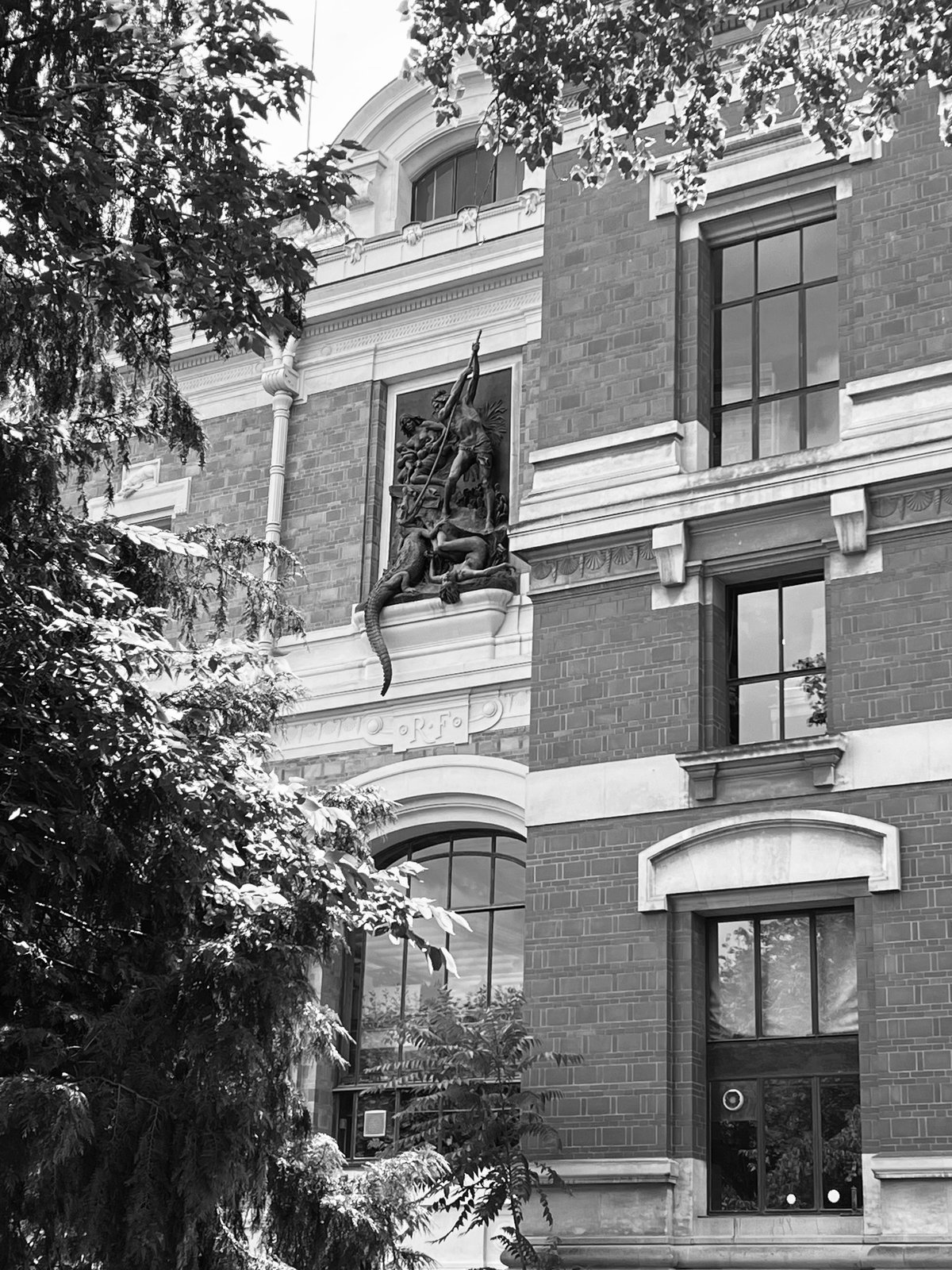
Architect Ferdinand Dutert, known for his pioneering use of iron and glass, designed the gallery in the Beaux-Arts tradition, crafting a monumental nave optimized for displaying large skeletons and fostering an immersive visitor experience. The building features:
- A grand open hall Allowing uninterrupted views and narrative flow through the “evolutionary chain of life.”
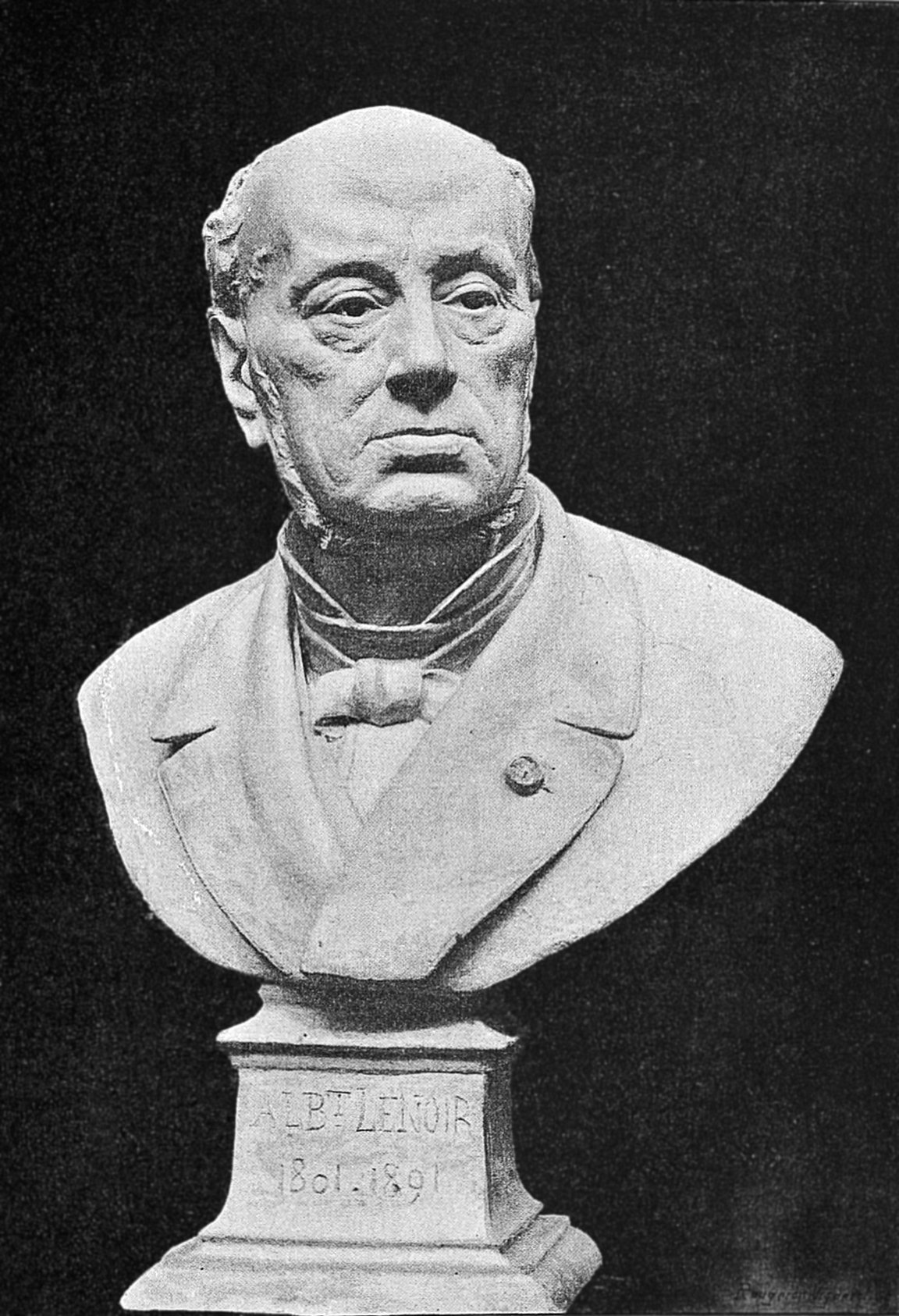
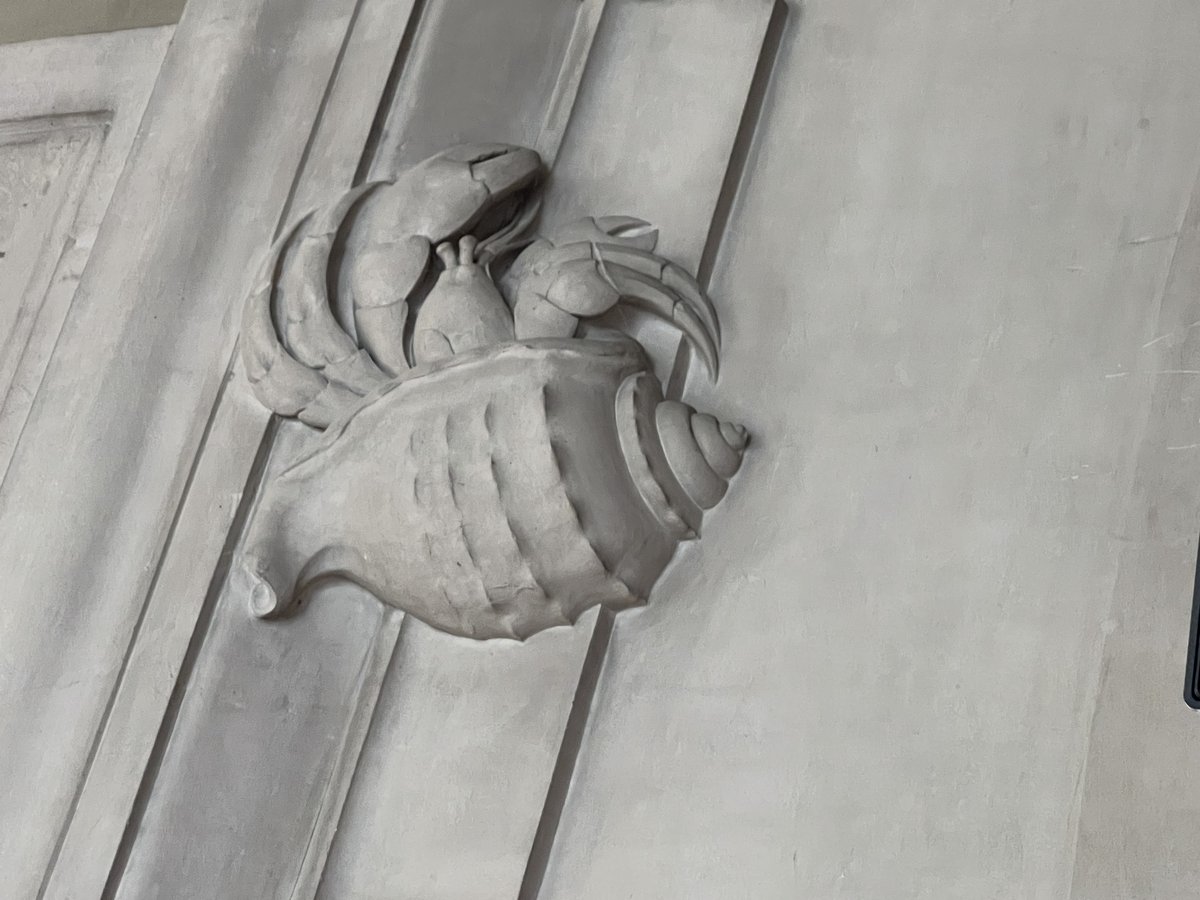
- Decorative sculpture Busts of scientific luminaries, paleontological friezes, and an elaborate ironwork entrance.
- Spatial organization Ground floor for comparative anatomy, upper floors for vertebrate and invertebrate paleontology, all logically sequenced to illustrate evolutionary history (Paris Zigzag; Life of an Architect).
Evolution of Collections and Museography
The gallery’s collections are among Europe’s most comprehensive, containing:
- Iconic fossils and skeletons Including the only authentic woolly mammoth skeleton outside Russia, a Diplodocus cast, and the holotype of Sarcosuchus (French Quest).
- Pioneering museography Specimens are arranged narratively, tracing the evolutionary timeline, an approach that has since become standard in natural history museums worldwide (Jardin des Plantes).
This narrative structure allows visitors to follow the progression of life from ancient invertebrates through the age of dinosaurs to modern mammals, making the learning experience both logical and visually compelling.
Visitor Information: Hours, Tickets, and Accessibility
Opening Hours
- Tuesday to Sunday 10:00 AM – 6:00 PM
- Closed Mondays, January 1, May 1, December 25, and select holidays (MNHN; Sortir à Paris)
Tickets and Admission
- Full Price €12
- Reduced Rate €9 (students, eligible categories)
- Free Children under 18 and EU residents under 26
- Where to Buy On-site or prebook online for quicker entry (4 Travelling Families)
Accessibility
- Mobility
- The building is not wheelchair accessible (no elevators; stairs throughout).
- Baby carriers are recommended over strollers (Jardin des Plantes).
- Other Assistance
- Some activities are adapted for visitors with disabilities; contact [email protected].
Facilities
- Restrooms Available, but limited.
- Cloakroom/Lockers None—travel light.
- Photography Allowed without flash (Anigaido).
- Food & Drink Not permitted in galleries; picnic areas and cafés are nearby in Jardin des Plantes (MNHN).
Must-See Exhibits & Gallery Highlights
Comparative Anatomy (Ground Floor)
- Parade of Skeletons Over 350 skeletons arranged by evolutionary relationships, from whales to elephants and even the extinct Steller’s sea cow (Discover Walks).
- Human and Primate Anatomy Comparative displays of human and primate skeletons highlight our evolutionary connections.
- Pathological Specimens Bones exhibiting diseases and deformities, offering a glimpse into medical history.
Paleontology (First Floor & Balcony)
- Dinosaur Gallery Allosaurus, a life-sized Diplodocus cast, Triceratops skull, and authentic Compsognathus skeleton (French Quest).
- Prehistoric Mammals Woolly mammoth and Megatherium (giant ground sloth).
- Marine Reptiles Skeletons of ichthyosaurs, plesiosaurs, and the holotype of Sarcosuchus (Allosaurus Roar).
- Fossil Invertebrates & Plants Cabinets with ammonites, trilobites, and ancient flora.
Architectural & Artistic Features
- Historic Nave & Ironwork The light-filled main hall and decorative elements create a dramatic, cathedral-like ambiance (Life of an Architect).
- Sculptures & Busts Celebrate scientific pioneers and enrich the narrative journey.
Planning Your Visit: Tips and Nearby Attractions
Getting There
- Location Jardin des Plantes, 2 rue Buffon, 75005 Paris
- Public Transport
- Metro: Lines 5 (Gare d’Austerlitz), 7 (Censier Daubenton), 10 (Jussieu or Gare d’Austerlitz)
- RER C: Gare d’Austerlitz
- Buses: 24, 57, 61, 63, 67, 89, 91
- Directions and maps
- Parking Limited; public transport recommended.
Duration
- Quick visit 1–2 hours
- In-depth exploration 3+ hours, especially for enthusiasts or families with older children
Best Times to Visit
- Weekday mornings for fewer crowds
- Avoid weekends and school holidays for a quieter experience
Nearby Attractions
- Grande Galerie de l’Évolution
- Jardin des Plantes botanical gardens
- Ménagerie (historic zoo)
- Other Paris historical sites in the Latin Quarter
Frequently Asked Questions (FAQ)
Q: What are the opening hours?
A: Tuesday–Sunday, 10:00 AM–6:00 PM. Closed Mondays and select holidays.
Q: How much are tickets?
A: Full price €12; reduced €9; free for children under 18 and EU residents under 26.
Q: Is the gallery wheelchair accessible?
A: No, the building is not accessible for wheelchairs due to stairs.
Q: Are guided tours available?
A: Yes, primarily for groups and schools; check the website for public tours.
Q: Can I take photos?
A: Yes, without flash.
Q: Is the museum suitable for families?
A: Yes, especially for children interested in dinosaurs and skeletons. Baby carriers are recommended for young children.
Q: Are audio guides or English-language resources available?
A: Some downloadable guides and apps are available; check the official website before your visit.