1. Historical Legacy and Academic Prestige
Medieval Origins
Panthéon-Assas University is the modern heir to the Faculty of Law of the University of Paris, founded in the 12th century. After the university’s division in 1971, Panthéon-Assas continued the tradition of legal excellence, earning the reputation as the “Harvard of French law.” Its faculty, research centers, and alumni have shaped French and international legal systems for generations. (globalscholarships.com)
Academic Renown
Today, Panthéon-Assas is recognized as France’s top law school, offering programs in law, economics, political science, management, and communication. It is a founding member of the 4EU+ Alliance and maintains a wide network of global partnerships and research collaborations. (edurank.org)
2. Key Campuses and Architectural Highlights
Panthéon Centre
- Location 12 Place du Panthéon, 5th arrondissement
- Significance Historic core of the university, adjacent to the Panthéon monument.
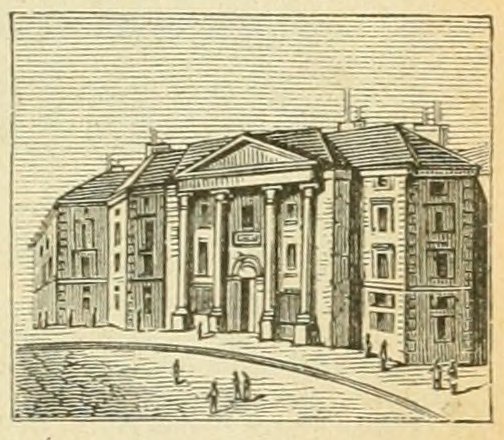
- Design Commissioned in 1753, designed by Jacques-Germain Soufflot; neoclassical façade with grand columns; registered national heritage site.
- Notable Spaces Administrative offices, postgraduate studies, ceremonial “Salon des quatre colonnes”. (Assas University – Campuses)
Assas Centre
- Location 92 rue d’Assas, 6th arrondissement
- Significance Modernist academic center, built 1959–1963, extensively renovated (2007–2017).
- Features France’s largest lecture theatre (1,700 seats), state-of-the-art library, multipurpose halls, and collaborative learning spaces.
Other Campuses
- Vaugirard Centres Major teaching facilities in the 15th arrondissement.
- Melun Campus South of Paris, serving first-year students and research.
- Sainte-Barbe Centre Historic setting for research in Roman law.
(For a comprehensive campus map and site descriptions: Assas University – Implantations)
3. Visiting Hours, Tickets, and Accessibility
Visiting Hours
- Weekdays Most main sites open to visitors Monday–Friday, 9:00 AM–6:00 PM.
- Weekends Limited access, generally by appointment or during special events.
- Academic Sessions Some areas may be restricted during exams or lectures.
Tickets and Entry
- General Entry Free for public areas and most exhibitions.
- Special Events Some guided tours or cultural exhibitions may require prior registration or a ticket.
- Check Updates Always consult the official website before your visit for the latest schedules.
Accessibility
- Mobility Major buildings have ramps, elevators, and accessible restrooms.
- Support Contact visitor services for specific needs or assistance.
4. Special Events and Guided Tours
Panthéon-Assas University hosts open days, lectures, symposia, and exhibitions, often open to the public. Guided tours are occasionally offered—especially during cultural festivals or by appointment. Check the university’s events calendar for current opportunities.
5. Visitor Facilities and Services
- Libraries The main library at Assas Centre is renowned for its design and resources; public access is generally restricted to open days.
- Art and Cultural Spaces Host regular exhibitions and events.
- Dining On-site cafés and nearby restaurants offer varied dining options.
- Student Life Experience vibrant academic and multicultural activities during festivals and open days.
For architectural visuals and campus interiors, view the official photo galleries or Surfaces International.
6. Nearby Attractions and Travel Tips
- Latin Quarter Medieval streets, bookshops, and lively Parisian cafés.
- Luxembourg Gardens Tranquil public gardens nearby.
- Panthéon Monument Historic mausoleum steps away from the university.
- Sorbonne University & Cluny Museum Additional historic and cultural sites.
Getting There: The campuses are easily accessible via Paris Metro (Lines 10, 7, 12) and RER B. Bus lines (21, 27, 38, 63, 85, 86, 87) also serve the area. For convenience, consider the Navigo or Imagine R pass for unlimited travel. (Uniplaces – Getting to Assas)
7. Frequently Asked Questions (FAQ)
Can I visit Panthéon-Assas University without an appointment?
Public access is limited; check the website or contact the university for visiting hours and tour availability.
Are there tickets required for entry?
General entry is free. Tickets may be required for special events or exhibitions.
Is the campus accessible for visitors with disabilities?
Yes, major buildings have full accessibility features.
What are the best times to visit?
Weekday mornings outside exam periods are usually quieter.
What attractions are nearby?
The Panthéon, Luxembourg Gardens, Sorbonne, and the Latin Quarter are all within walking distance.
8. Recommendations and Practical Tips
- Plan ahead by checking official updates.
- Attend open days or cultural events for guided access and a richer experience.
- Wear comfortable shoes for exploring the historic Latin Quarter.
- Explore the campus library’s architecture and the ceremonial spaces during public events.
- Combine your visit with nearby Paris historical sites for a full day of culture and education.