
Founding and Early Years
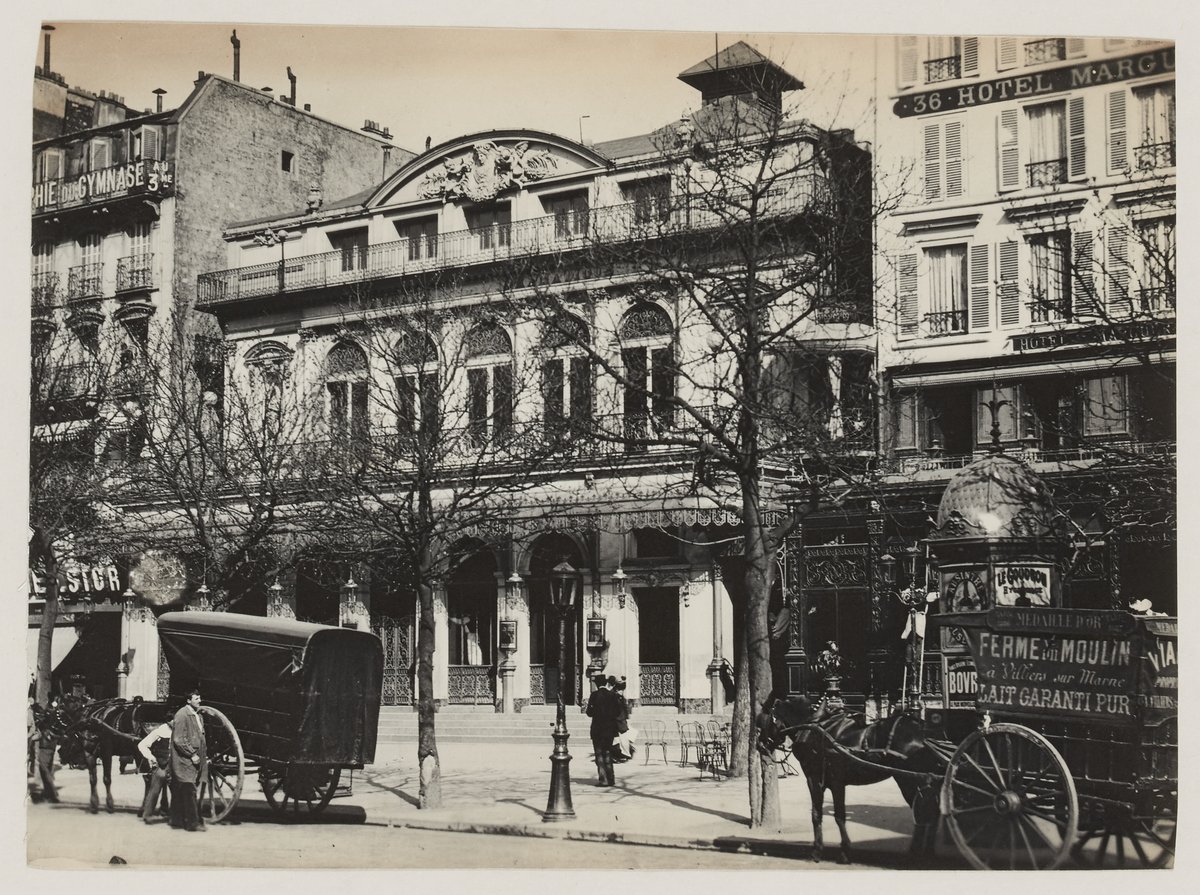
The Théâtre du Gymnase Marie Bell opened its doors in 1820, originally as the Gymnase-Dramatique. Conceived by M. de la Roserie as an institution to nurture young acting talent, it was built on the site of the former gardens of Hôtel du Baron Louis and the closed Bonne-Nouvelle parish cemetery. The theatre operated under strict royal privilege, initially limited to shortened versions of established plays. Its inaugural performance included Eugène Scribe’s “Le Boulevard Bonne-Nouvelle” (Wikipedia).
Early architectural design by Auguste Rougevin and Louis-Régnier de Guerchy reflected its educational mission. The theatre quickly distinguished itself as a pioneer, becoming one of the first in Paris to install gas lighting in 1823 (Theatre in Paris).
19th-Century Artistic Flourishing
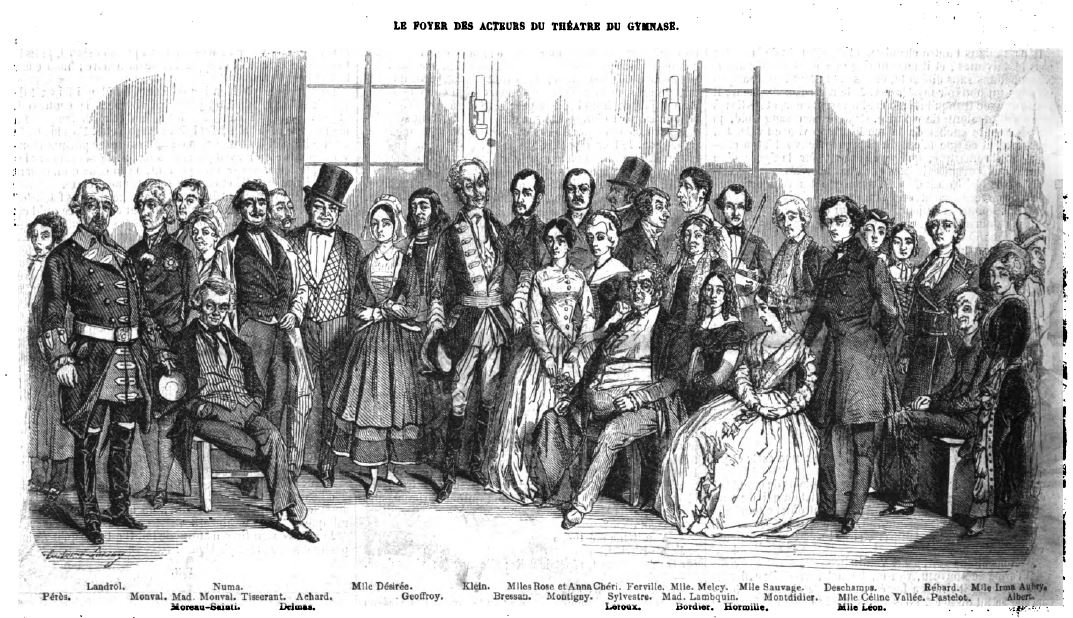
Under the direction of Adolphe Lemoine (Montigny) from 1844, the theatre shifted toward sentimental drama, staging works by literary giants such as Balzac, George Sand, and Alexandre Dumas père and fils. Renovations after the July Revolution and again in 1850 enhanced both comfort and prestige. The Gymnase became renowned for premiering classics like “Le Voyage de monsieur Perrichon” (1860) and fostering collaborations with notable playwrights including Eugène Scribe and Meilhac & Halévy (Wikipedia).
20th-Century Transformation
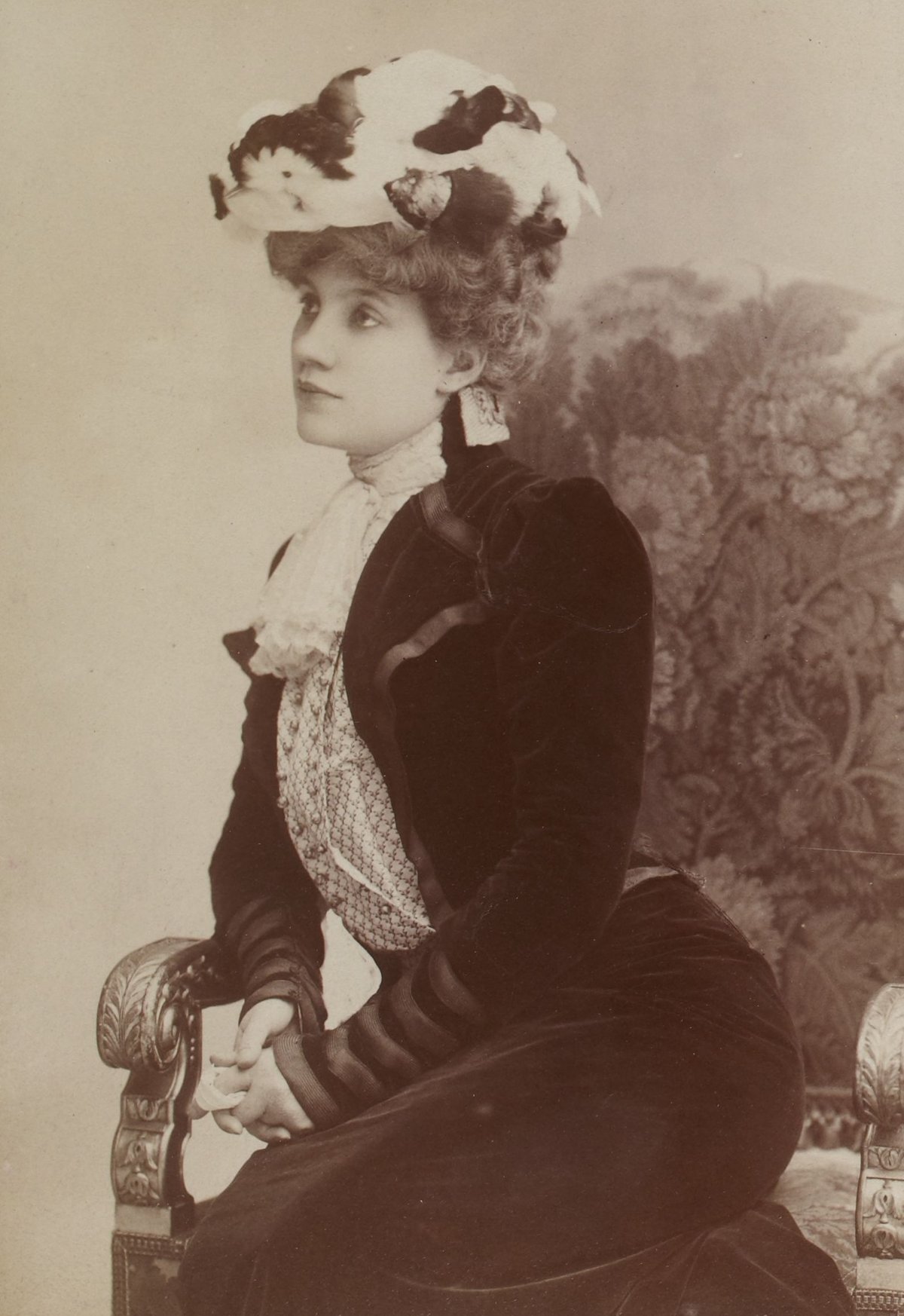
The 20th century saw the theatre adapt to changing cultural tastes under directors such as Albert Carré, Paul Porel, Henry Bernstein, and, most notably, Marie Bell. During WWII, the theatre maintained its cultural role, staging works by Jean Cocteau and Jean Genet. In 1962, Marie Bell became director, earning renown for her performance in “Phèdre” and guiding the theatre into a new era of artistic excellence. The venue was officially renamed in her honor after her death in 1985 (Theatre in Paris).
Architectural Heritage
The theatre’s architecture reflects a blend of 19th-century grandeur and modern adaptation. Its main horseshoe-shaped auditorium seats 800 guests, with two smaller venues—the Studio Marie-Bell (90 seats) and Le Petit-Gymnase (160 seats)—supporting diverse productions. The Belle Époque ornamentation, gilded interiors, and excellent acoustics create a warm, immersive atmosphere, recognized by its designation as a historic monument in 1994 (Wikipedia).
Visiting Information
Location and Access
- Address 38 Boulevard Bonne Nouvelle, 75010 Paris, France
- Metro Bonne Nouvelle (Lines 8 & 9), Strasbourg–Saint-Denis (Lines 4, 8, 9)
- Bus Lines 20, 39, 48, and others
- Parking Limited street parking; recommended garages include Parking Bonne Nouvelle (Indigo Parking)
- Bike Vélib’ stations nearby
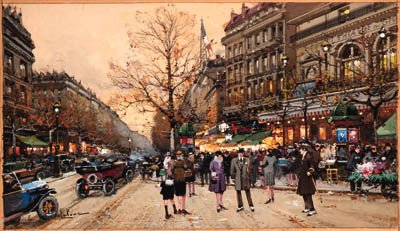
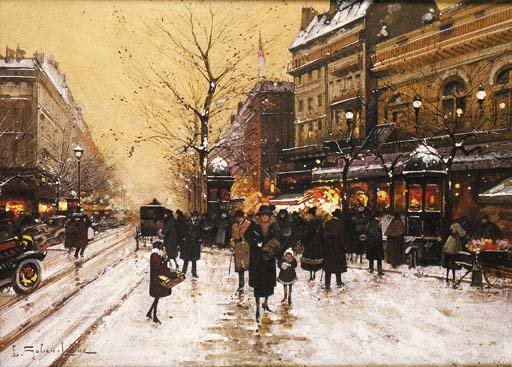
The theatre is centrally located on the Grands Boulevards, surrounded by shops, cafés, and other attractions (Paris Tourist Office).
Box Office and Visiting Hours
- Box Office
- Tuesday–Saturday: 11:00 AM – 7:00 PM
- Sunday: 11:00 AM – 4:00 PM
- Showtimes
- Evening performances: Tuesday–Saturday, usually at 8:30 PM
- Matinees: Saturday & Sunday at 3:30 PM
- Check the official program for updated schedules.
Tickets and Discounts
- Prices €20–€55 for standard seats; premium events and special productions may cost more.
- Discounts Available for students, seniors, groups, and sometimes for matinees or last-minute bookings.
- Purchase Online via the official website, by phone, or in person at the box office. E-tickets are accepted and can be scanned from your smartphone.
Accessibility
- Wheelchair access Step-free entry, accessible seating, and restrooms. Notify the box office when booking for specific needs.
- Assistance Staff available to help visitors with reduced mobility (Official Theater Contact).
Programming and Events
Current Season Highlights
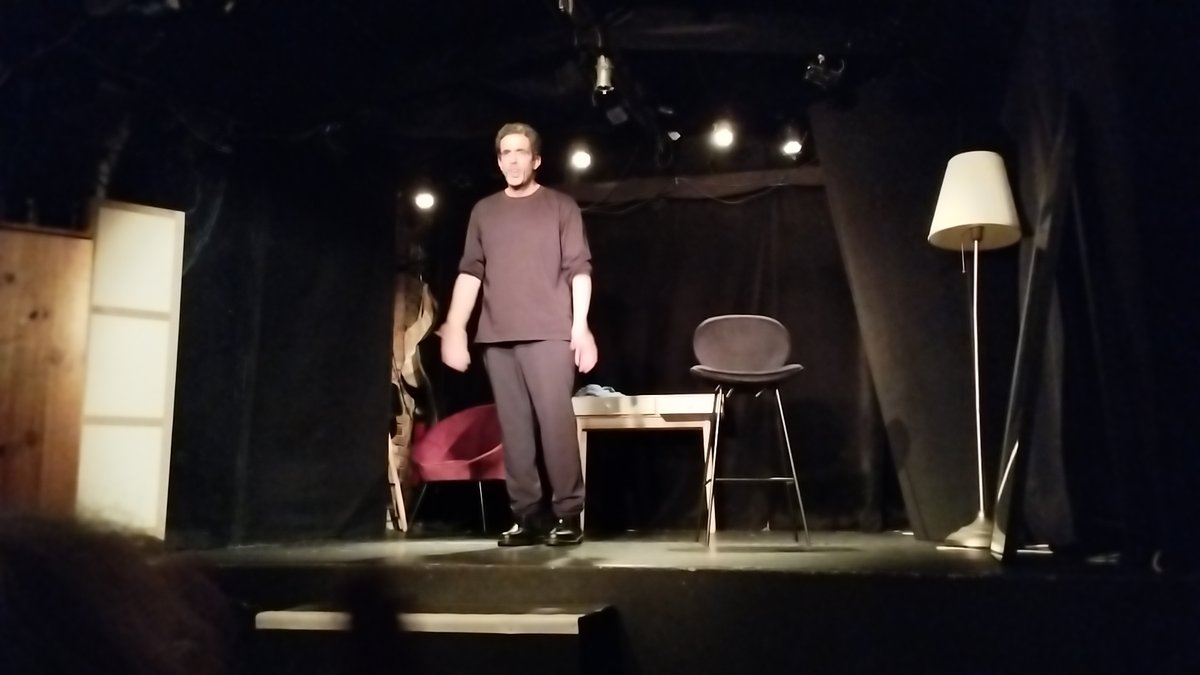
The theatre’s program features a mix of classic French dramas, modern plays, comedies, musicals, and family-friendly shows. Notable 2025 productions include:
- “Max le Vioc entre en résistance”
- “The Pin-up Games”
- “Madagascar : Une aventure musicale”
- Annual "Impro en Seine" improvisational festival
Some international productions offer performances in English or with English surtitles—check the program for details.
Guided Tours
Guided tours are occasionally available, exploring the theatre’s architecture, history, and backstage areas. Advance booking is required, and tours are typically in French; group tours and educational workshops can be arranged (Group Visits).
Facilities and Services
- Seating Main auditorium (800 seats), Studio Marie-Bell (90 seats), Le Petit-Gymnase (160 seats)
- Restrooms Available on the ground floor and mezzanine
- Cloakroom €2 per item
- Theater Bar Drinks and light snacks before performances and during intermissions
- Restaurant “Le Marie Bell” Pre-show dining (reservation recommended)
- Wi-Fi Complimentary in public areas
Nearby Attractions and Dining
-
Dining
- Bouillon Julien (classic brasserie), 16 Rue du Faubourg Saint-Denis
- Le Richer (modern bistro), 2 Rue Richer
- Numerous bakeries and cafés for quick meals
-
Attractions
- Grand Rex Cinema
- Passage Brady (Indian cuisine)
- Porte Saint-Denis
- Grands Boulevards shopping district
- Palais Garnier and other Paris historical sites
Travel Tips and Visitor Etiquette
- Arrival Arrive 30 minutes before showtime for ticket checks and seating.
- Dress Code Smart casual attire is recommended, especially for evening performances.
- Photography Allowed in public areas, prohibited during performances.
- Latecomers May only be admitted during designated intervals.
- Security Bag checks at the entrance; large luggage not permitted.
- COVID-19 Mask-wearing is optional; hand sanitizer available. Check current guidelines online (COVID-19 Updates).
Frequently Asked Questions (FAQ)
Q: What are the Théâtre du Gymnase Marie Bell visiting hours?
A: Box office hours are Tuesday–Saturday, 11:00–19:00, and Sunday, 11:00–16:00. Performances usually start at 8:30 PM, with weekend matinees at 3:30 PM.
Q: How can I buy tickets?
A: Purchase online via the official website, by phone, or at the box office.
Q: Are there discounts available?
A: Yes, for students, seniors, groups, and sometimes for matinees or last-minute bookings.
Q: Is the theater wheelchair accessible?
A: Yes, with step-free entry and accessible seating.
Q: Are performances available in English?
A: Some international productions offer English surtitles or are performed in English; check the schedule for details.
Q: What are some nearby Paris historical sites to visit?
A: Grand Rex Cinema, Passage Brady, Porte Saint-Denis, and the Grands Boulevards area.
Plan Your Visit
For an authentic Parisian cultural experience, plan your visit by checking the latest showtimes and ticket availability on the official website. Download the Audiala app for seamless ticket booking, accessibility tools, and up-to-date information on performances and special events.


