Quick Visitor Information
- Address 20 Rue Vaneau, 75007 Paris, France (Embassy Info)
- Telephone +33 1 40 62 61 00
- Fax +33 1 47 05 92 73
- Email [email protected]
- Website www.amb-syr.fr
- Visiting Hours Monday to Friday, 9:00 AM – 12:00 PM (appointment required for most services)
- Public Holidays Closed on French and Syrian public holidays (Embassies.net)
- Accessibility Wheelchair accessible; advance notice recommended for special needs
- Nearest Metro Rue du Bac (Line 12), Sèvres-Babylone (Lines 10 and 12)
Franco-Syrian diplomatic relations began during the French Mandate in the aftermath of World War I. France was granted administrative authority over Syria in 1920 at the San Remo Conference, a mandate that profoundly shaped Syrian legal, educational, and political institutions (BBC News). Syrian independence was achieved on April 17, 1946, a pivotal turning point now commemorated annually.
Formal diplomatic relations between France and Syria were established shortly after independence, with the embassy in Paris opening on June 18, 1946 (Wikipedia: France–Syria relations). Over the decades, the relationship has seen periods of both collaboration and strain, reflecting broader international developments and regional events.
Evolution and Milestones of the Embassy
The embassy, strategically located in the 7th arrondissement, has played a central role in:
- Cultural and Academic Exchange Facilitating programs for students, artists, and intellectuals.
- Bilateral Agreements Supporting treaties on trade, cooperation, and technological exchange.
- Syrian Community Support Providing legal and social assistance to the growing diaspora.
Key Historical Milestones
- Mandate and Early Diplomacy The embassy has been a vital conduit for dialogue, maintaining connections with Syrian intellectuals and the wider community (Wikipedia).
- Cold War Era It remained active despite Syria’s alignment with the Soviet bloc and France’s Western alliances.
- Renewed Engagements The 1990s and early 2000s brought renewed cooperation, highlighted by state visits and diplomatic summits.
- Post-2005 Tensions Relations cooled following the assassination of Lebanese PM Rafiq al-Hariri.
- 2008 Milestone President Bashar al-Assad’s visit to Paris signaled a temporary thaw (BBC News).
Impact of Recent Political Developments
The Syrian Civil War, beginning in 2011, drastically altered diplomatic dynamics. France’s recognition of opposition groups and calls for political change led to restricted embassy operations and reduced diplomatic engagement (Wikipedia). Despite this, the embassy has continued to deliver essential consular services, including passport renewals, visa processing, and assistance for Syrians in France (Embassy Info).
Recent initiatives, such as international conferences on Syrian reconstruction hosted in Paris, highlight the ongoing—though cautious—diplomatic interest (Thotharis Substack).
Practical Guide: Visiting the Embassy
Appointments & Procedures
- Appointments Required for all consular services; book via phone or the embassy website.
- Security Mandatory screening. Bring a valid photo ID. Large bags and electronic devices may be restricted.
- Dress Code Business or formal attire recommended.
- Language Services available in French, Arabic, and some English.
- Accessibility Facilities are accessible, but advance notice is advised for special requirements.
Embassy Services
- Visa Applications For tourism, business, study, family visits, and more (syrianguides.com).
- Passport Services Renewals and replacements.
- Legalization and Notarial Services Document authentication.
- Emergency Assistance For lost passports or urgent situations.
Visa Application Requirements
- Valid passport (6+ months validity)
- Completed application form
- Passport-sized photographs
- Supporting documents (invitation letter, hotel booking, itinerary)
- Proof of funds and travel insurance (recommended)
- Processing time: typically 2 weeks; fees vary by visa type
Note: Visa on arrival is limited to land border crossings for certain nationalities; check with the embassy for specifics.
Getting There & Nearby Attractions
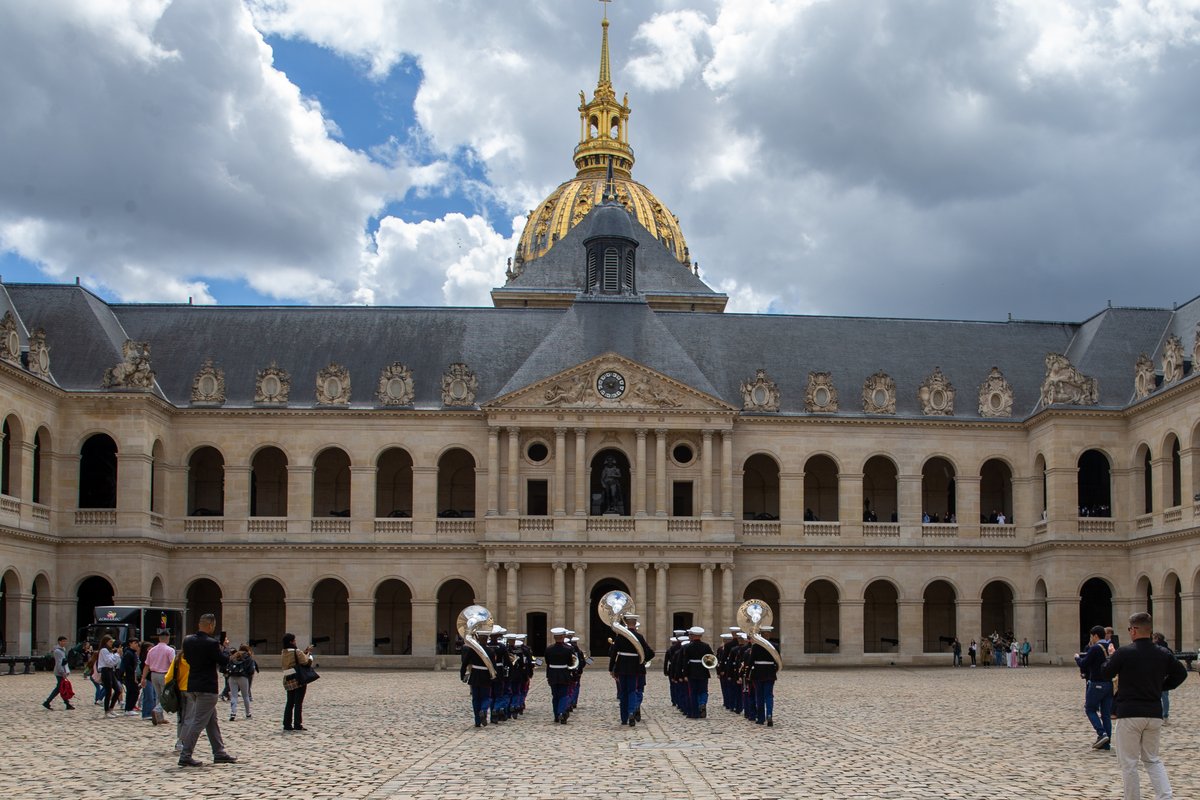
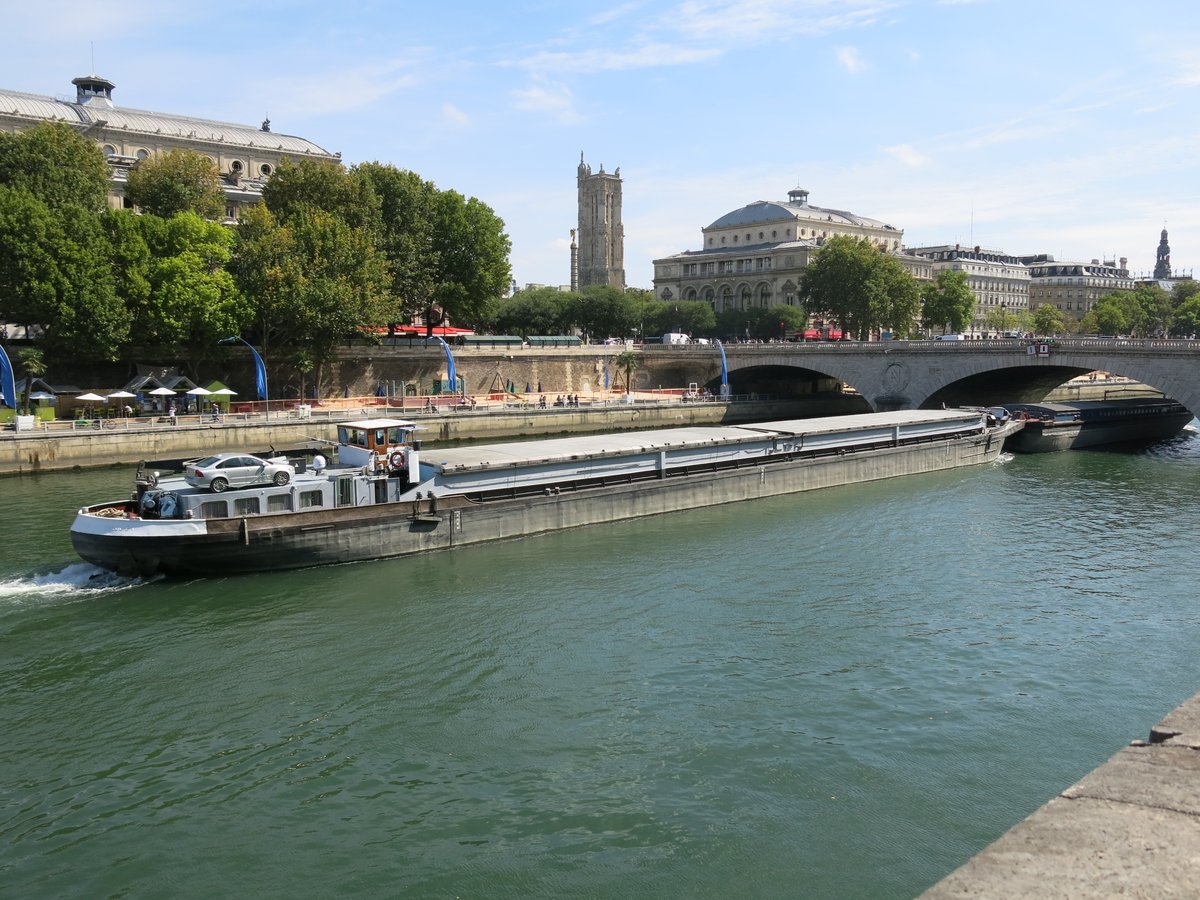
The embassy’s central location makes it easy to visit renowned Parisian sites such as the Musée d’Orsay, Les Invalides, and the Seine River. The area is well-served by metro and bus, and offers a variety of nearby cafés and restaurants.
Architectural and Cultural Importance
The embassy’s building is an example of elegant Parisian diplomatic architecture. It hosts cultural events, exhibitions, and community activities, strengthening Franco-Syrian cultural ties and celebrating Syrian heritage.
The Embassy’s Role for the Syrian Community
The embassy is a focal point for the Syrian diaspora, providing:
- Assistance with documentation, legal matters, and emergencies
- Support for students and professionals
- Organization of cultural festivals, language classes, and heritage events
This engagement fosters community resilience and maintains cultural identity amid changing circumstances.
Frequently Asked Questions (FAQ)
Q: What are the embassy’s visiting hours?
A: Monday to Friday, 9:00 AM to 12:00 PM (appointment required).
Q: How do I make an appointment?
A: Contact the embassy by phone or through their official website.
Q: Is the embassy accessible for visitors with disabilities?
A: Yes, but inform the embassy in advance to arrange any assistance.
Q: Are there entry fees or tickets required?
A: No entry fees or tickets are required; consular service fees apply for specific requests.
Q: What documents are needed for a visa application?
A: Refer to the embassy’s website or contact the consular section for up-to-date requirements.
Q: Is photography allowed inside the embassy?
A: No, photography is strictly prohibited inside and around the embassy premises for security reasons.