

Bataclan History and Architectural Significance
Chinoiserie Origins and Early Years
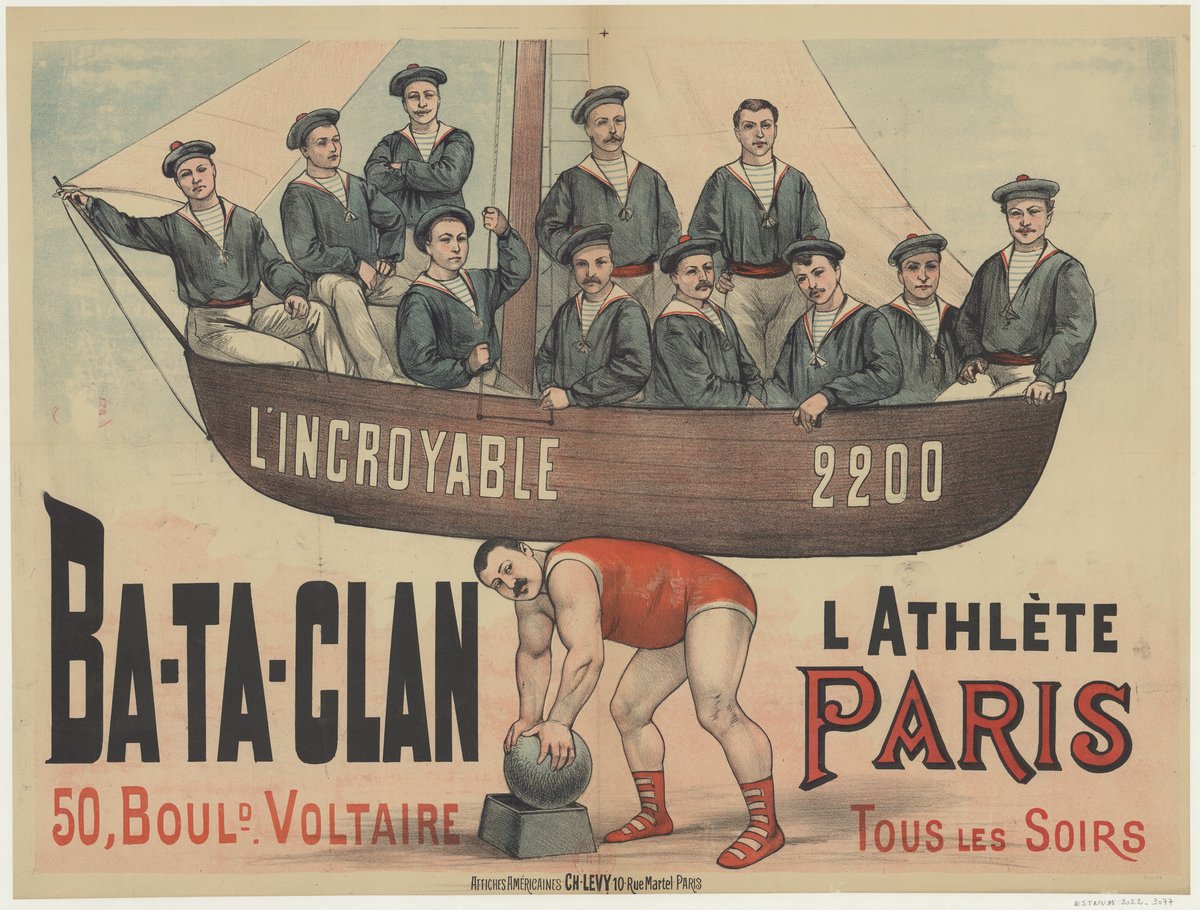
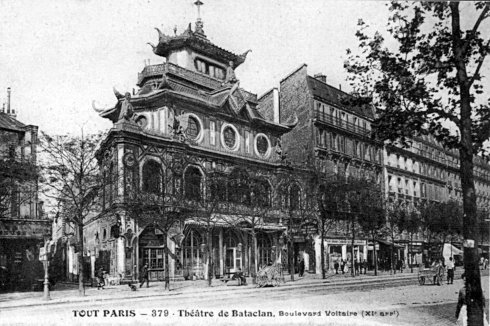
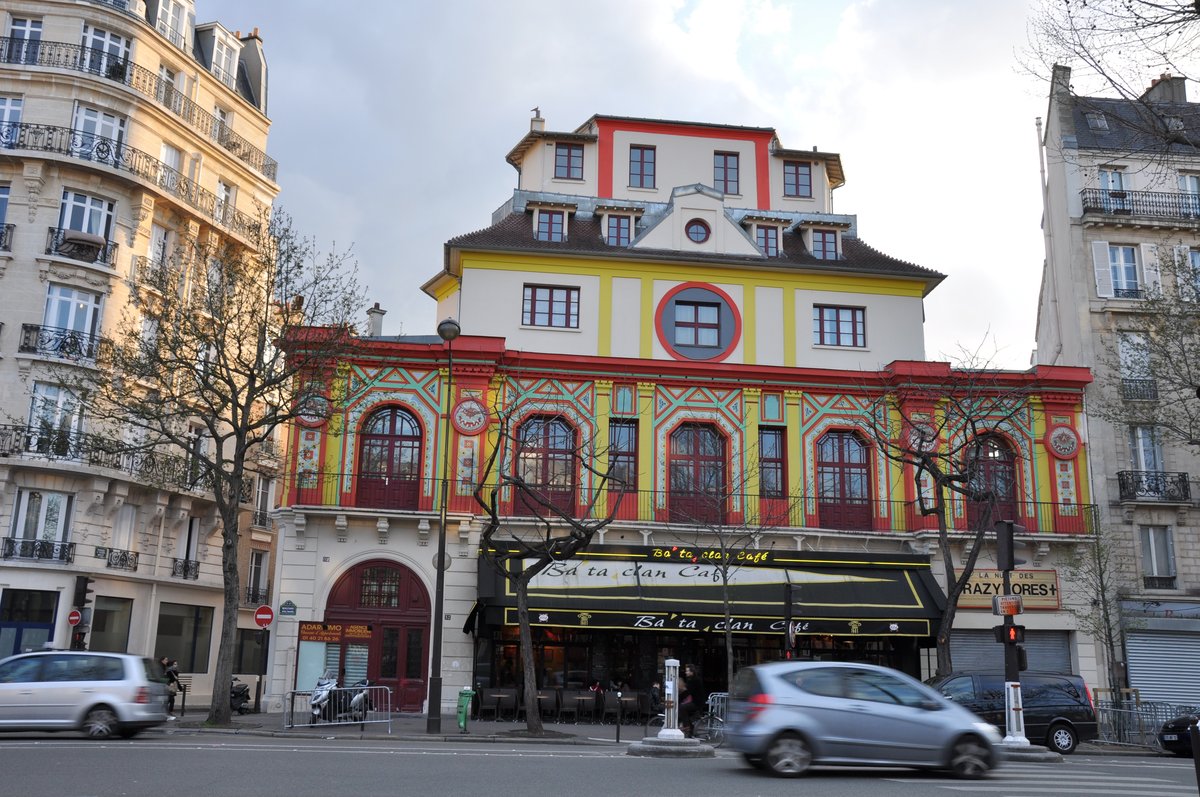
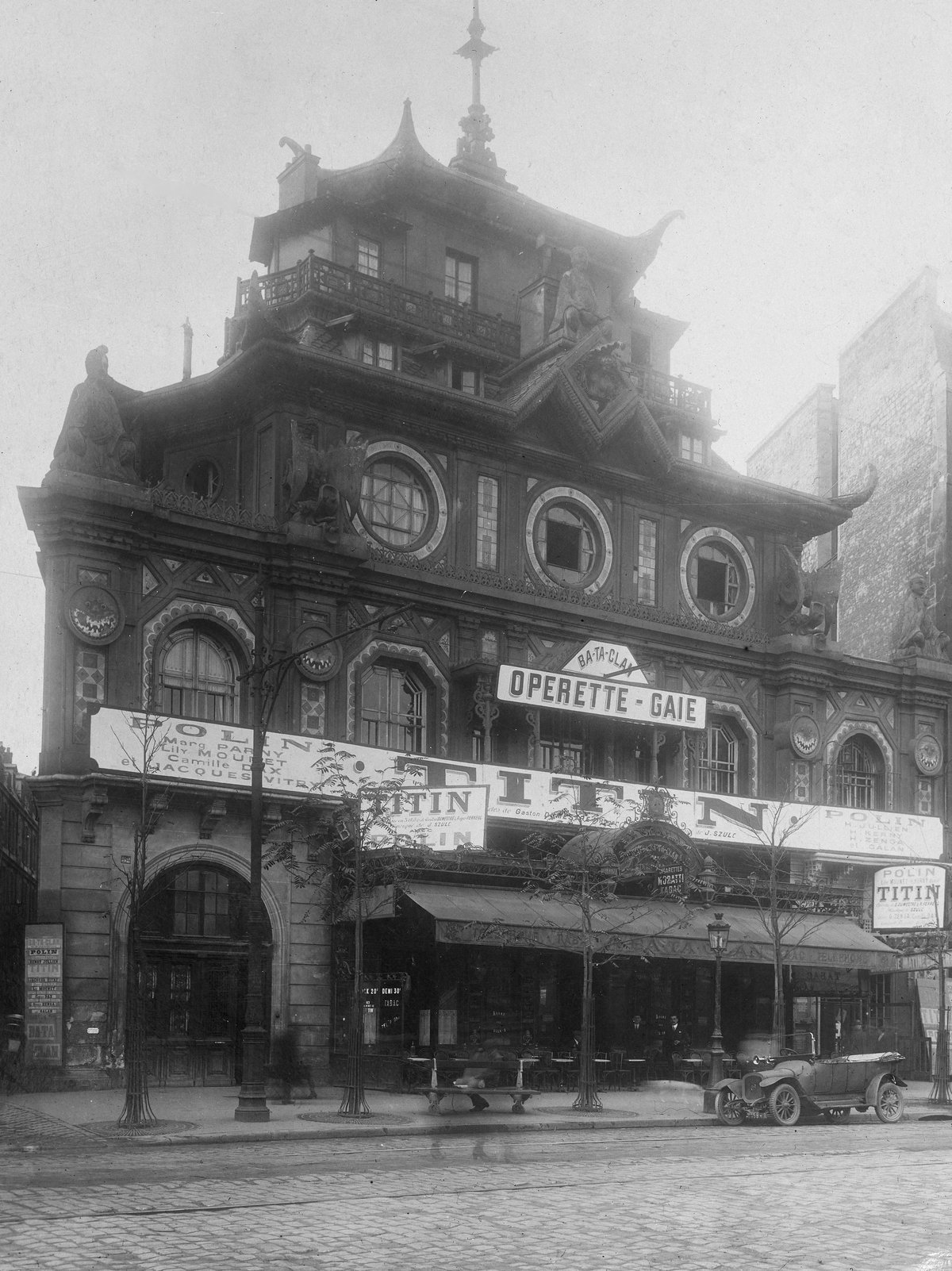
The Bataclan first opened its doors in 1865 as the “Café Chinois Théâtre,” designed by Charles Duval. Its name, referencing Jacques Offenbach’s operetta "Ba-ta-clan," captures both the lighthearted spirit and the European fascination with Asian decorative arts during the era (Wikipedia). The building’s original façade was an exuberant display of color and ornamentation, featuring bold reds, yellows, and greens, and it was crowned with a pagoda-style roof—a unique architectural flourish in Paris (Sortir à Paris).
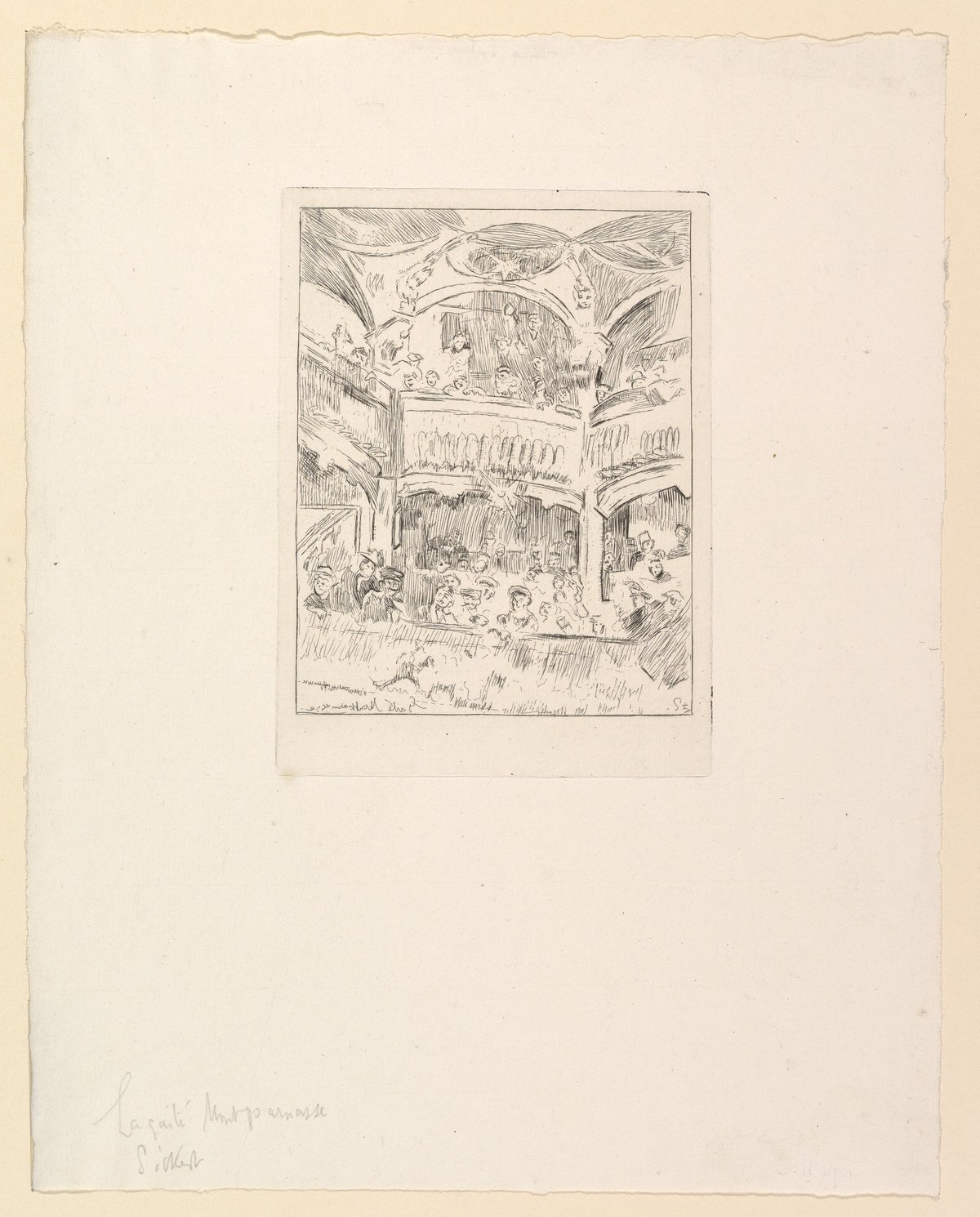
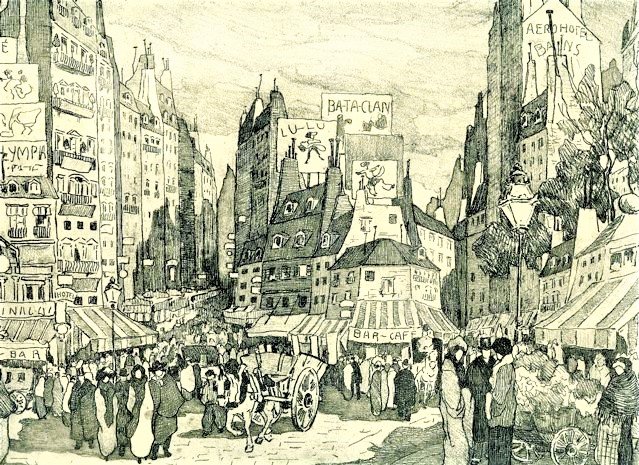
Over time, the Bataclan became a lively venue for vaudeville, operettas, and variety shows, showcasing performances by icons such as Maurice Chevalier and Mistinguett. Its distinctive style and diverse programming quickly established it as a gathering place for Paris’s creative elite (L’Incorrect).
Restoration and Modernization
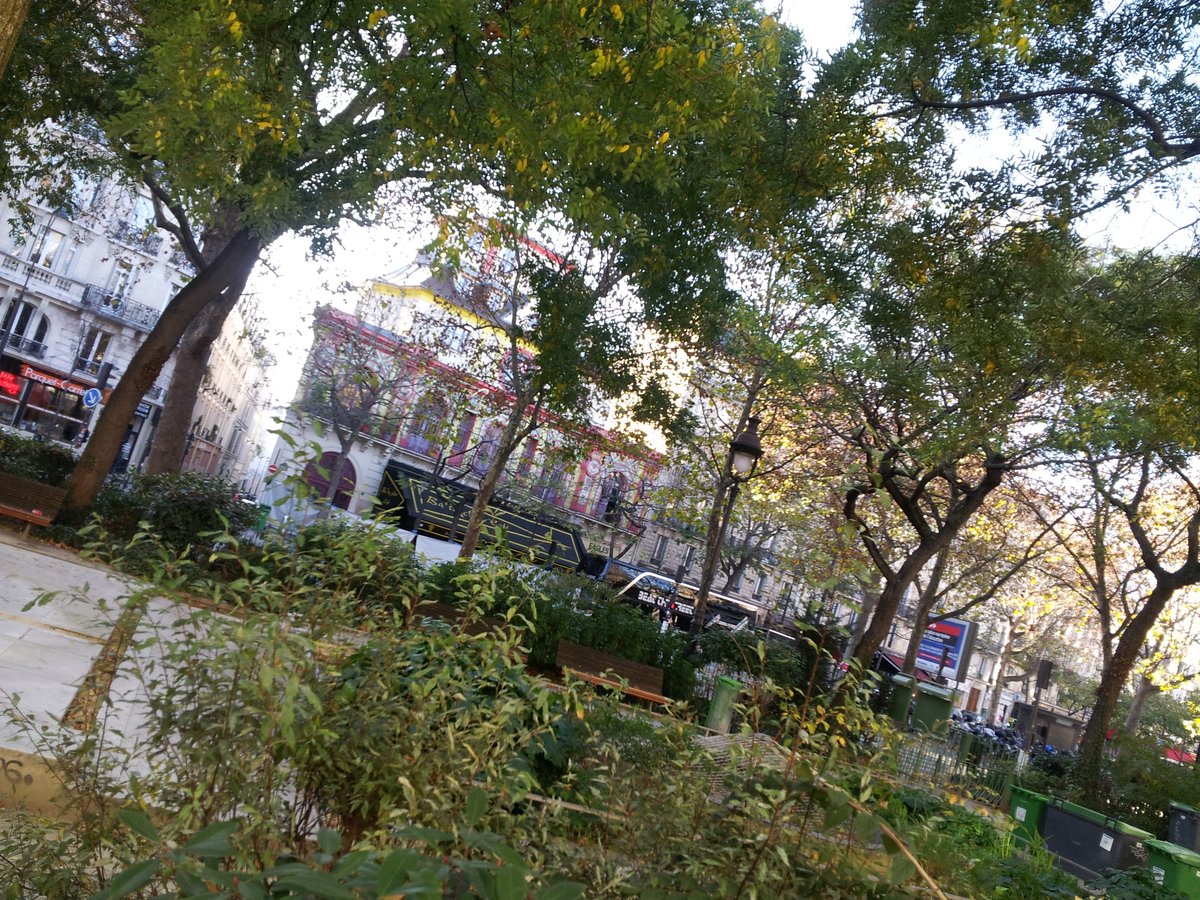
Throughout its 160-year history, the Bataclan has undergone several renovations. The most significant restoration took place in 2006, restoring the façade’s historic color palette and vibrancy. Despite the loss of its original pagoda roof, the building remains an architectural standout on Boulevard Voltaire. In 1991, the Bataclan was officially listed as a Historic Monument, ensuring its ongoing preservation (Sortir à Paris).
The Bataclan as a Cultural Venue
Transition to Music and International Fame
From the 1970s onward, the Bataclan pivoted towards contemporary music, hosting legendary acts such as Edith Piaf, Prince, Metallica, and Jeff Buckley. With a capacity of roughly 1,500 people, the venue is renowned for its intimate atmosphere and exceptional acoustics, making it a favorite among artists and audiences alike (Ultimate Classic Rock, Concert Archives).
Family Legacy and Neighborhood Life
The Habrekorn family played a significant role in the Bataclan’s history after acquiring it in 1905. Living above the theater, they contributed to its community spirit, with family members recalling fond memories of both live performances and its period as a cinema (L’Incorrect).
The 2015 Terrorist Attack and Its Aftermath
The Tragic Night and Its Impact
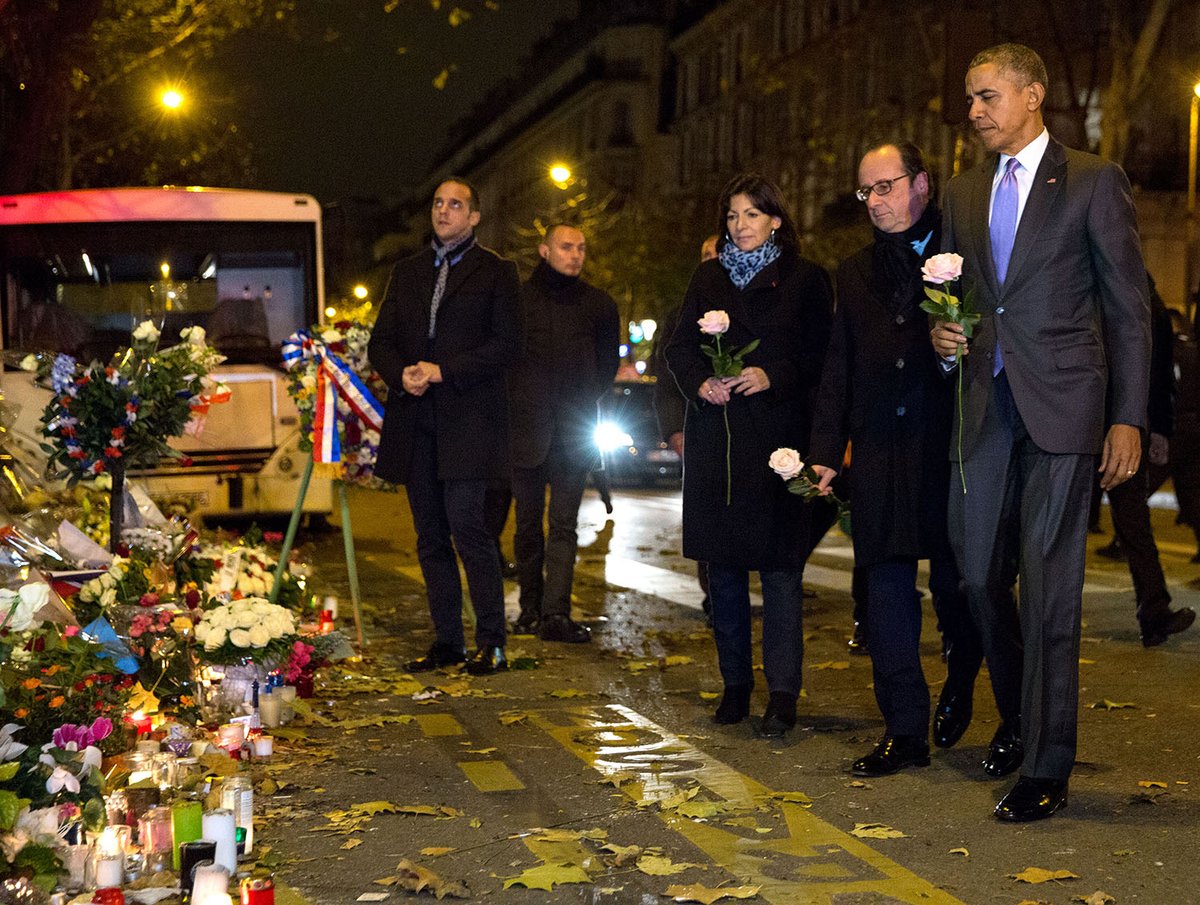
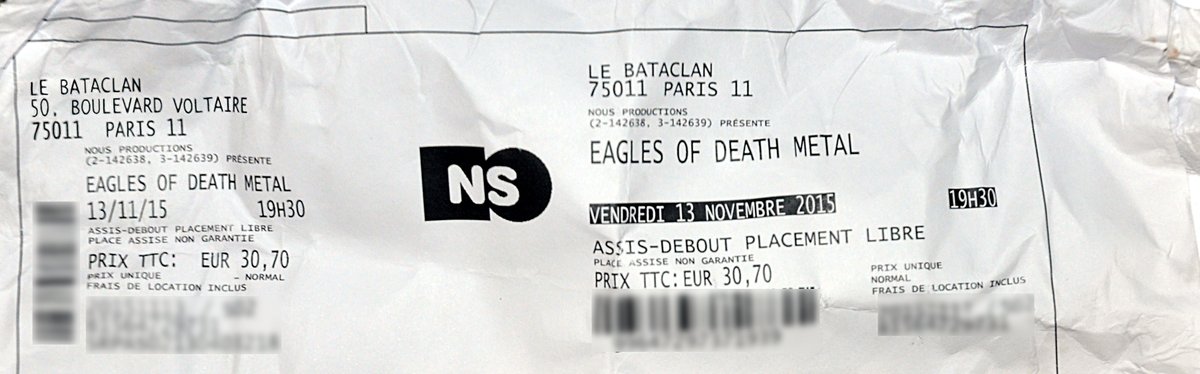
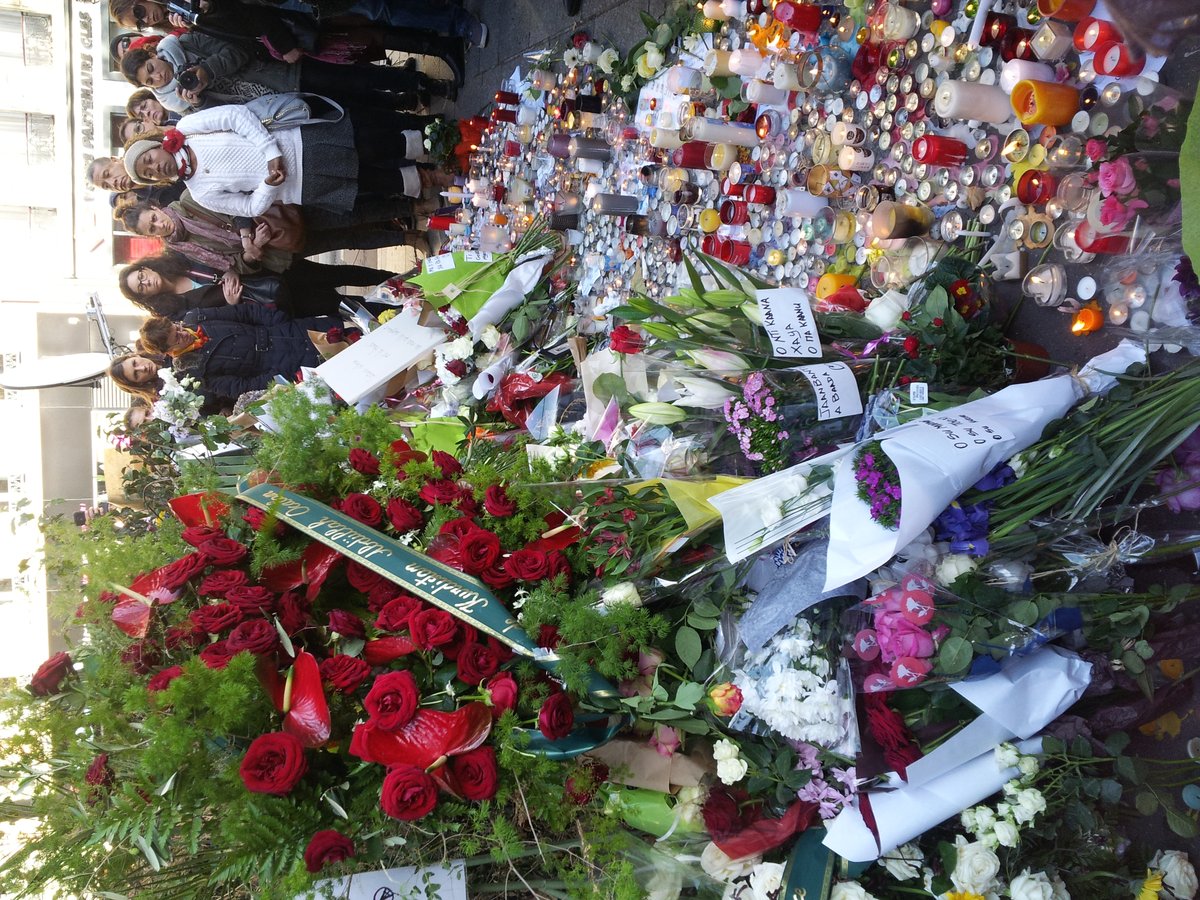
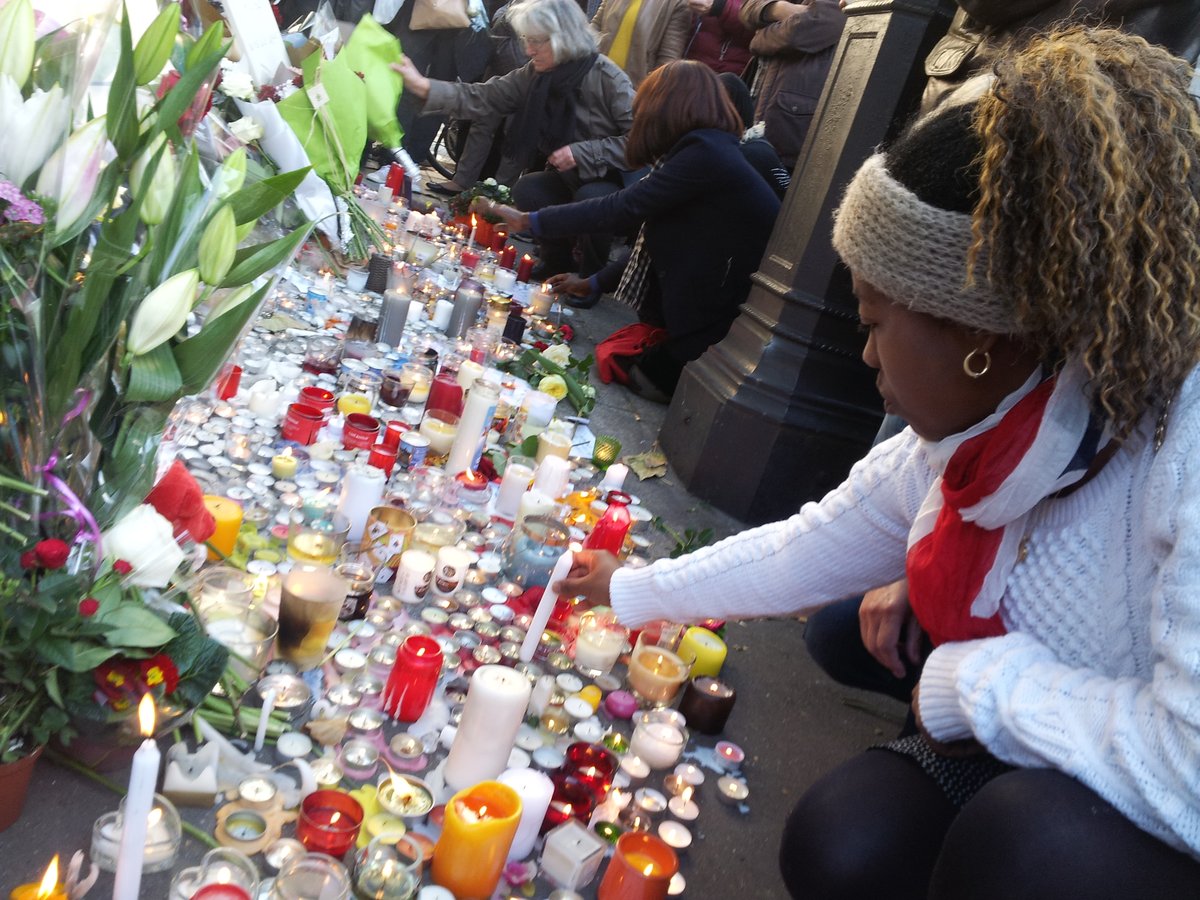
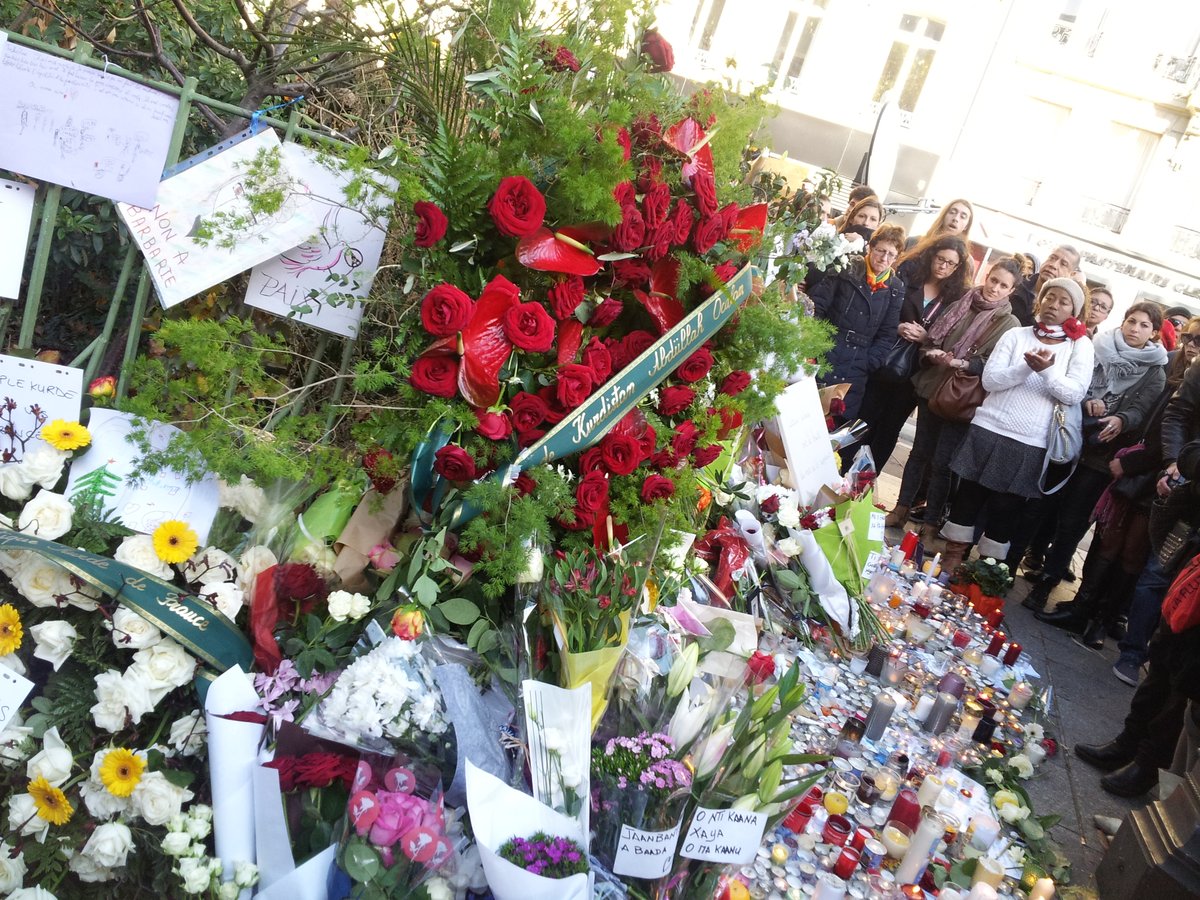
On November 13, 2015, the Bataclan became the site of one of France’s deadliest terrorist attacks. During an Eagles of Death Metal concert, gunmen killed 89 people at the venue—part of coordinated attacks across Paris that claimed 130 lives in total (VICE; The Economist). The event transformed the Bataclan into a global symbol of resilience, freedom, and remembrance (TIME).
Reopening and Resilience
Nearly a year after the attacks, the Bataclan reopened with a concert by Sting—a moving tribute to the victims and a defiant statement against fear (DW). The phrase “même pas peur” (“we are not afraid”) captured the spirit of Paris’s resilience. Today, commemorative plaques and annual ceremonies honor the memory of those lost, and the Bataclan continues to operate as a living memorial as well as a vibrant venue (Ultimate Classic Rock).
Visiting the Bataclan
Location and Access
Le Bataclan is situated at 50 Boulevard Voltaire, 75011 Paris, France. Its central location makes it easily accessible by public transportation (Bandsintown):
- Metro Oberkampf (Lines 5 and 9), Filles du Calvaire (Line 8)
- Bus Multiple lines serve the area
- Taxi/Ride-Sharing Taxis and apps like Uber and Bolt are readily available
- Parking Limited; public transport is strongly recommended
Visiting Hours and Ticketing
The Bataclan operates primarily as a concert venue, opening its doors typically 1–2 hours before scheduled performances. There are no regular daytime tours; access is usually limited to event times (Bataclan Official). For up-to-date event schedules and opening times, always check the official Bataclan website or trusted ticketing platforms (Bandsintown).
Ticket Information
Tickets can be purchased from official outlets such as:
Prices generally range from €20 to €70 depending on the artist and event (Places Concert). Early booking is highly recommended, especially for popular concerts.
Accessibility and Venue Layout
- Capacity Approximately 1,500 (standing floor and mezzanine with limited seating; layout may vary by event) (Travel2Concert).
- Accessibility The Bataclan accommodates visitors with reduced mobility. Wheelchair access is available at the main entrance, and accessible restrooms are provided. Contact the venue in advance for any special needs (Bataclan Official).
- Amenities Cloakroom, bar, and the Ba-ta-clan Café (serving drinks and snacks), restrooms (may be crowded during peak times).
Security and Visitor Etiquette
- Security Expect rigorous checks, including bag inspections and metal detectors. Prohibited items include large bags, professional cameras, and outside food or drinks (Billboard).
- Age Restrictions Some events may have age limits; check details before purchasing.
- Etiquette As a site of both celebration and remembrance, respectful behavior is essential. Photography policies vary; flash and professional cameras are usually not allowed.
Amenities and Nearby Attractions
- Nearby Sites Place de la République, the Marais district, Place de la Bastille, and the Promenade Plantée are all within walking distance.
- Food and Drink The area is filled with lively bars, bistros, and international restaurants—ideal for pre- or post-event meals.
- Accommodation A range of options from hostels to boutique hotels are available in the 11th arrondissement (Places Concert).
Frequently Asked Questions (FAQ)
Q: What are the Bataclan’s visiting hours?
A: The venue opens 1–2 hours before scheduled concerts. There are no regular sightseeing hours.
Q: How can I buy Bataclan tickets?
A: Purchase tickets via the Bataclan’s official website, authorized ticket platforms, or at the box office.
Q: Is the Bataclan accessible for people with disabilities?
A: Yes, wheelchair access and accessible restrooms are provided. Contact the venue in advance for assistance.
Q: Are there age restrictions for events?
A: Some concerts have age limits—check specific event details before buying tickets.
Q: Can I take photos inside?
A: Flash photography and professional cameras are generally prohibited. Always respect staff instructions.
Q: Are there guided tours of the Bataclan?
A: Regular tours are not offered, but special events may provide access. Check the official website for updates.
Plan Your Visit
Download the Audiala app for real-time updates on Bataclan events and ticket availability. Explore our other articles for more insights into Paris’s live music scene and historical landmarks. Stay connected with us on social media for the latest news, tips, and exclusive content.