Medieval Origins and Royal Acquisition
The Hôtel des Tournelles began as a modest residence in the early 14th century. In 1388, Pierre d'Orgemont, then Chancellor of France, built a substantial structure at the site (What Paris). By 1417, King Charles VI had acquired the estate, establishing it as a royal residence and a strategic base close to Hôtel Saint-Pol. The complex grew over time, reflecting both defensive needs and the ornamental tastes of the Parisian elite (What Paris).
Renaissance Era and Royal Life
By the 16th century, the Hôtel des Tournelles was a favored royal home. François I housed his mother and mistress there, while Henri II gifted it to his favorite, Diane de Poitiers (What Paris). The site was renowned for courtly festivities and jousting tournaments, most notably the event in 1559 where King Henri II was fatally wounded (Paris Insiders Guide).
Demise and Transformation
Following Henri II’s death, Catherine de’ Medici ordered the demolition of the outdated complex. Materials were repurposed for the Tuileries Palace, and the grounds lay vacant until Henri IV commissioned the construction of Place Royale (now Place des Vosges) in 1605, creating Paris’s first planned square and a landmark of Renaissance urbanism (What Paris; Paris Insiders Guide).
Cultural and Architectural Significance
The Hôtel des Tournelles epitomized the medieval hôtel particulier, with its labyrinth of interconnected wings, towers, and gardens (parismarais.com). Its blend of fortification and elegance set the tone for aristocratic residences. After its demolition, the location’s redevelopment as Place des Vosges marked a shift toward uniformity, symmetry, and shared public space in Parisian architecture—an influence seen in later squares such as Place Vendôme.
Vestiges of the original complex—such as medieval cellars—remain beneath buildings around Place des Vosges (parismarais.com). The Marais district’s historical fabric, preserved through centuries, stands today as a testament to Paris’s ability to meld tradition with vibrant contemporary culture.
Visiting Place des Vosges: Practical Information
Opening Hours and Access
Place des Vosges is open to the public 24 hours a day, year-round. The central park typically opens daily from 8:00 AM to dusk (approximately 8:00 PM in summer, earlier in winter).
Nearby museums and attractions have variable opening hours:
- Victor Hugo’s House Tuesday to Sunday, 10:00 AM–6:00 PM (closed Mondays)
- Hôtel de Sully Gardens Daily, 10:00 AM–6:00 PM
Tickets and Tours
- Place des Vosges Free access.
- Victor Hugo’s House Approx. €7 for adults; discounts available.
- Guided Tours Numerous companies offer walking tours focusing on the Marais and Place des Vosges, highlighting historical and architectural insights.
Accessibility
The square and surrounding arcades are wheelchair accessible, with smooth pavements and ramps. Metro stations Saint-Paul (Line 1) and Bastille (Lines 1, 5, 8) provide easy access.
Nearby Attractions
- Musée Carnavalet Dedicated to the history of Paris.
- Picasso Museum Major collection of Picasso’s works.
- Rue des Rosiers The historic Jewish quarter.
- Rue Saint-Antoine and Rue de Turenne Lined with boutiques, cafés, and historic sites.
Hôtel Les Tournelles: Accommodation and Amenities
Location and Context
Hôtel Les Tournelles, at 30 Rue de Turenne, offers boutique accommodation a stone’s throw from Place des Vosges (boutiquehotels-paris.net). The hotel honors the historic legacy of the original Tournelles estate with a blend of medieval-inspired design and modern comfort.
Facilities
- Rooms 24 soundproofed rooms with modern amenities, including air conditioning, free Wi-Fi, and en-suite bathrooms.
- Ambience Classic Parisian architecture with contemporary interiors; many rooms overlook a tranquil inner courtyard.
- Services 24-hour reception, luggage storage, concierge, lounge bar, accessible rooms, and an elevator.
- Dining Parisian breakfast served daily; lounge bar for drinks and relaxation.
Practical Tips
- Check-in/Check-out From 3:00 PM/check-out by 12:00 PM.
- Accessibility Elevator and rooms for guests with reduced mobility.
- Nearby Dining The Marais offers diverse restaurants and food markets, such as Chez Janou and Marché des Enfants Rouges.
Your Guide to Place des Vosges and the Marais
Exploring the Marais
Le Marais, originally developed in the 14th century, is famed for its preserved medieval street plan, grand hôtels particuliers, and vibrant, multicultural atmosphere. Its boutique-lined streets, art galleries, and historic Jewish quarter make it one of Paris’s most engaging neighborhoods.
Place des Vosges
Completed in 1612, this symmetrical, arcaded square set a precedent for European urban design. Notable residents included Victor Hugo, whose house now serves as a museum. The square’s manicured lawns, fountains, and arcades offer ideal settings for relaxation, picnics, and cultural events.
Suggested Walking Itinerary
- Start at Hôtel Les Tournelles for breakfast in the historic wine cellar.
- Stroll to Place des Vosges; visit the park and Victor Hugo’s House.
- Explore Musée Carnavalet and the boutiques of Rue des Francs Bourgeois.
- Savor Jewish pastries on Rue des Rosiers.
- Lunch at Marché des Enfants Rouges.
- Conclude with coffee at a local café or an evening in a classic Marais bistro.
Frequently Asked Questions (FAQ)
Q: Can I visit the original Hôtel des Tournelles?
A: The original structure was demolished in the 16th century. The site is now Place des Vosges, where you can explore its legacy.
Q: What are the Place des Vosges opening hours?
A: The square is accessible 24/7. The gardens generally open from 8:00 AM to dusk.
Q: Are there guided tours available?
A: Yes, guided walking tours of the Marais and Place des Vosges are widely available.
Q: Is the area accessible for visitors with reduced mobility?
A: Yes, Place des Vosges and the Marais are largely wheelchair accessible.
Q: Where can I stay nearby?
A: Hôtel Les Tournelles offers boutique accommodation honoring the site’s history.
Travel Tips and Accessibility
- Best Times to Visit Early morning or late afternoon for peaceful ambience and ideal photography.
- Transport Metro stations Saint-Paul (Line 1) and Chemin Vert (Line 8) are nearby.
- Safety The Marais is considered safe, but standard precautions apply.
- Language English is widely spoken in tourist areas; a few French phrases are appreciated.
Visual Gallery
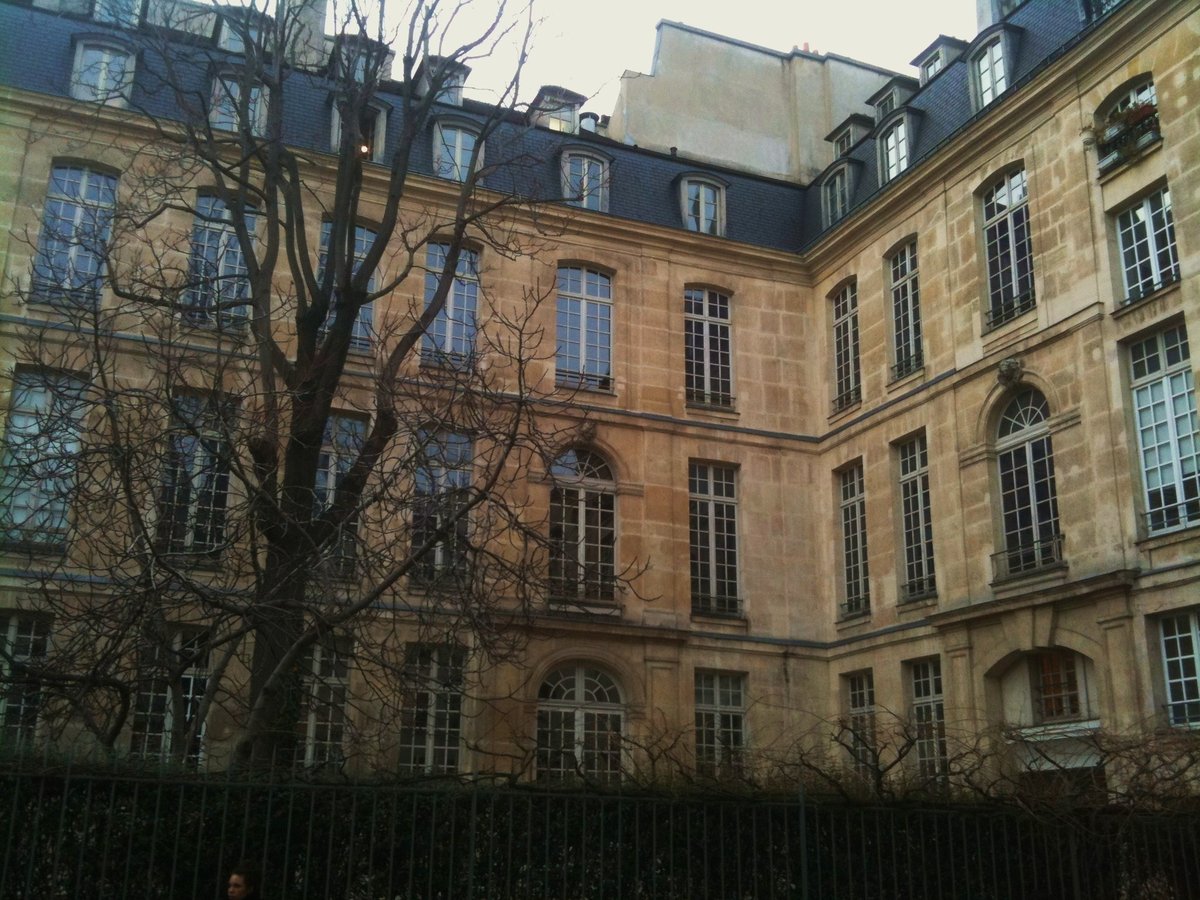
- Place des Vosges – Harmonious red brick facades and vaulted arcades (alt="Place des Vosges red brick facades and arcades")
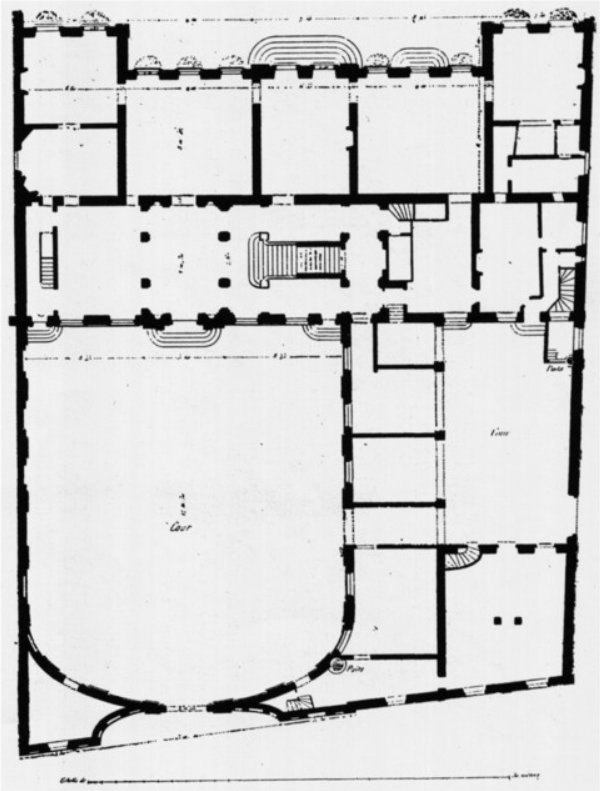
- Historical map depicting Hôtel des Tournelles and jousting grounds (alt="Historical map of Hôtel des Tournelles and jousting grounds")
- Victor Hugo’s House Museum entrance on Place des Vosges (alt="Victor Hugo's House Museum entrance")
Related Articles
- Explore the Marais: Paris’s Historic Heart
- Guide to Paris’s Royal Palaces
- Best Photography Spots in Paris’s Historic Districts