
What Champ de Mars is
Champ de Mars is a vast public park in the heart of Paris’s 7th arrondissement, between the Eiffel Tower and École Militaire. Around 24.5 hectares in area, it stretches approximately 780 meters long and 220 meters wide, with an axis running from the base of the Eiffel Tower to École Militaire (Wikipedia; Paris Top Ten).
The park combines lawns, paths, monuments, and gathering spaces. It is a place for history, photography, walks, family outings, and public events, as well as a popular spot for Parisians and visitors.
History
The name “Champ de Mars” means “Field of Mars,” referring to the Roman god of war and the park’s origins as a military parade ground. The area was once the agricultural Grenelle plain. In 1765, King Louis XV commissioned the École Militaire; the academy was constructed, and the adjacent plain was converted into a space for military drills and ceremonies (Discover Walks; Introducing Paris).
Champ de Mars became a focal point during the French Revolution. On July 14, 1790, it hosted the Fête de la Fédération, a celebration of national unity attended by King Louis XVI, Queen Marie Antoinette, and some 300,000 spectators. In 1791, the National Guard fired on demonstrators demanding the king’s abdication in what became known as the Champ de Mars Massacre. The park also hosted the Festival of the Supreme Being in 1794 and exhibitions of art seized during revolutionary campaigns (Parcours Révolution).
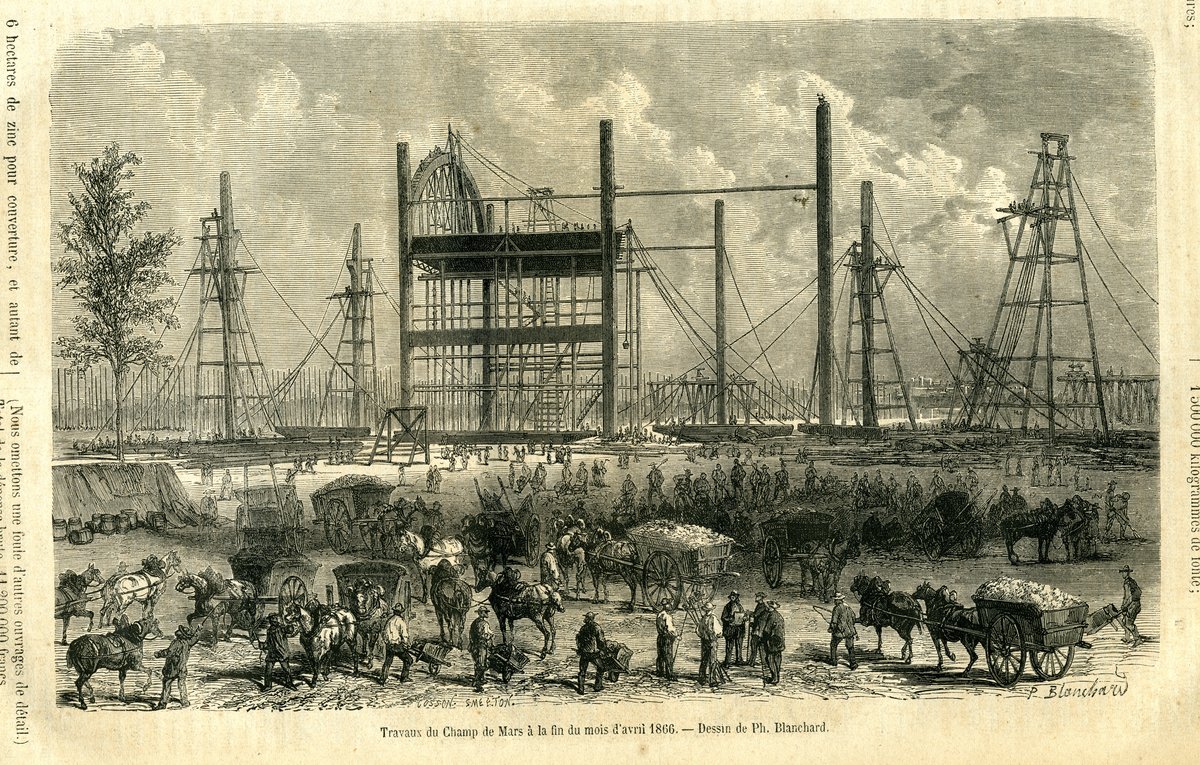
During the 19th century, Champ de Mars was the setting for imperial ceremonies under Napoleon and became associated with Paris’s international exhibitions. Napoleon’s Champ de Mai ceremony took place there in 1815 (Discover Walks). The 1889 Exposition Universelle saw the construction of the Eiffel Tower, further shaping the park’s place in modern history (Introducing Paris). Champ de Mars continued to host international fairs and national celebrations, and became a symbol of civic life and public leisure in the 20th century (Paris Insiders Guide).
What to see and do
Lawns, paths, and gardens
A broad central lawn is bordered by tree-lined avenues and wide gravel paths suitable for walking, jogging, and relaxing. Smaller gardens, flowerbeds, and ornamental shrubs add variety and color (Paris Perfect).
The park is open and unfenced, with multiple entrances along its perimeter and main access points at the Eiffel Tower and École Militaire ends (SoloSophie).
Monuments and notable sites
- Eiffel Tower Paris’s iconic landmark, with panoramic city views and an evening light show (TripSavvy).
- École Militaire The grand 18th-century academy at the southeast end of the park, historically significant as Napoleon’s training ground (Paris Top Ten).
- Wall for Peace A modern monument near École Militaire, inscribed with “peace” in 49 languages (Wikipedia).
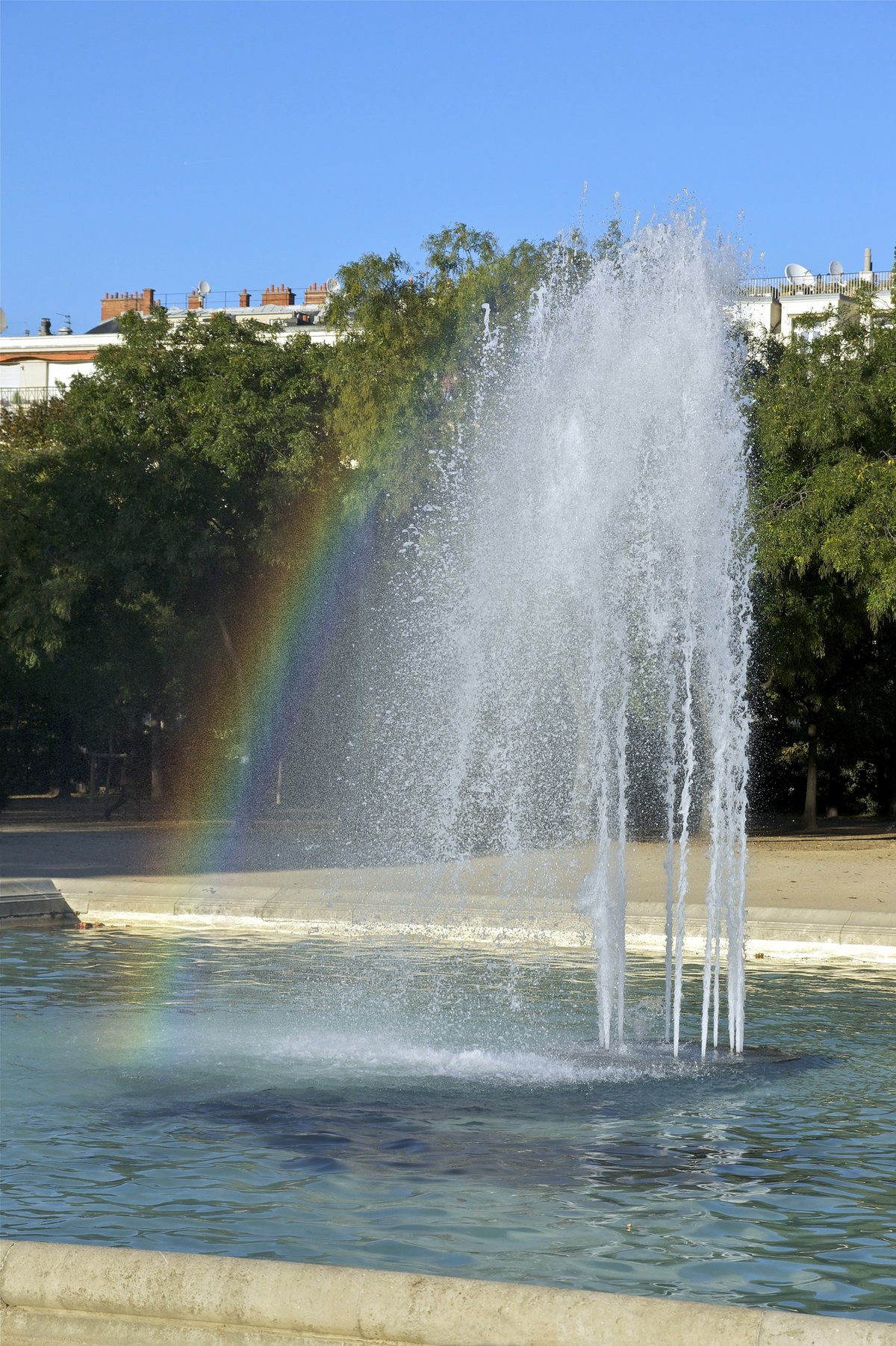
- Fountains and statues Decorative fountains and sculptures throughout the park commemorate French history and culture (Paris Perfect).
Family activities, sports, and events
The park has four main playgrounds, an antique carousel, a puppet theater, and basketball courts (Paris Perfect). Carousels, pony rides, and playgrounds make it a popular family destination (Come to Paris).
Joggers, cyclists, and yoga enthusiasts use the park daily, and the open layout accommodates casual games and outdoor exercise. The lawns are also popular for picnics, especially in spring and summer; visitors can bring a blanket and enjoy a meal with a view of the Eiffel Tower (Northleg).
Champ de Mars hosts major public events, including Bastille Day fireworks, open-air concerts, and festivals. Temporary stages and installations transform the park for special occasions (Cadran Hotel). Events also include music festivals such as Fête de la Musique (Paris Insiders Guide) and Bastille Day fireworks (Paris Discovery Guide).
Views and photography
Champ de Mars offers vantage points for photographing the Eiffel Tower. Sunrise, sunset, and the nightly light show provide opportunities for dramatic shots. Wide-angle lenses are recommended for capturing both the tower and the park in one frame.
Practical visiting information
Hours, tickets, and tours
Champ de Mars is open year-round, 24 hours a day, and has no entry fee. Daylight hours are best for enjoying the park’s features safely (Paris Top Ten).
Tickets are required for the Eiffel Tower and nearby museums, but not for the park itself. Many guided Paris tours include a walk through Champ de Mars and can be booked in advance (Thrillophilia; Come to Paris).
Accessibility and facilities
Champ de Mars is wheelchair and stroller accessible, with paved paths and several accessible restrooms. Benches, shade, and drinking fountains are available throughout the park (TripSavvy). Public restrooms and water fountains are available, though restroom lines may be long during events.
Getting there
- Metro Bir-Hakeim (Line 6), École Militaire (Line 8)
- RER Champ de Mars–Tour Eiffel (Line C)
- Bus Lines 42, 69, 82, 87
- Bike Vélib’ stations are located near entrances
Dining and refreshments
Food vendors and snack kiosks operate in high season. The Eiffel Tower has a restaurant, and cafés and bistros are within walking distance in the 7th arrondissement (Come to Paris).
Tips
Early mornings and weekdays are suitable for a quieter visit. Evenings offer views of the Eiffel Tower’s light show, especially in summer (TripSavvy).
The area is generally safe, but be mindful of pickpockets, especially in crowds. Dogs are allowed but must be leashed. Bring a light jacket or umbrella, as Parisian weather can change quickly.
For wayfinding and self-guided tours, the GPSmyCity app offers offline maps and walking routes. Checking event calendars, purchasing Eiffel Tower tickets in advance, and using digital tools such as the Audiala app for guided tours and insider tips are also suggested (Paris Insiders Guide; Come to Paris).
Nearby places
- Trocadéro Gardens Across the Seine, with panoramic views.
- Musée du Quai Branly – Jacques Chirac Showcases non-European art and cultures.
- Les Invalides A historical complex with Napoleon’s tomb, a short walk east.
- Seine River Cruises Scenic boat tours depart from nearby quays.
Frequently Asked Questions (FAQs)
Is there an entry fee for Champ de Mars?
No. The park is free and open to all.
What are the opening hours?
Champ de Mars is open 24 hours a day, year-round.
Are guided tours available?
Yes. Many Paris tours include Champ de Mars in their itineraries.
Is the park accessible for wheelchairs and strollers?
Yes. It has paved paths and accessible facilities.
Can I have a picnic in the park?
Yes. Picnicking is a cherished tradition at Champ de Mars.
Are pets allowed?
Yes. Dogs must be leashed.
Where can I buy Eiffel Tower tickets?
Use the Official Eiffel Tower site or authorized vendors.