
History of Square Saint-Lambert
Origins and Early Development
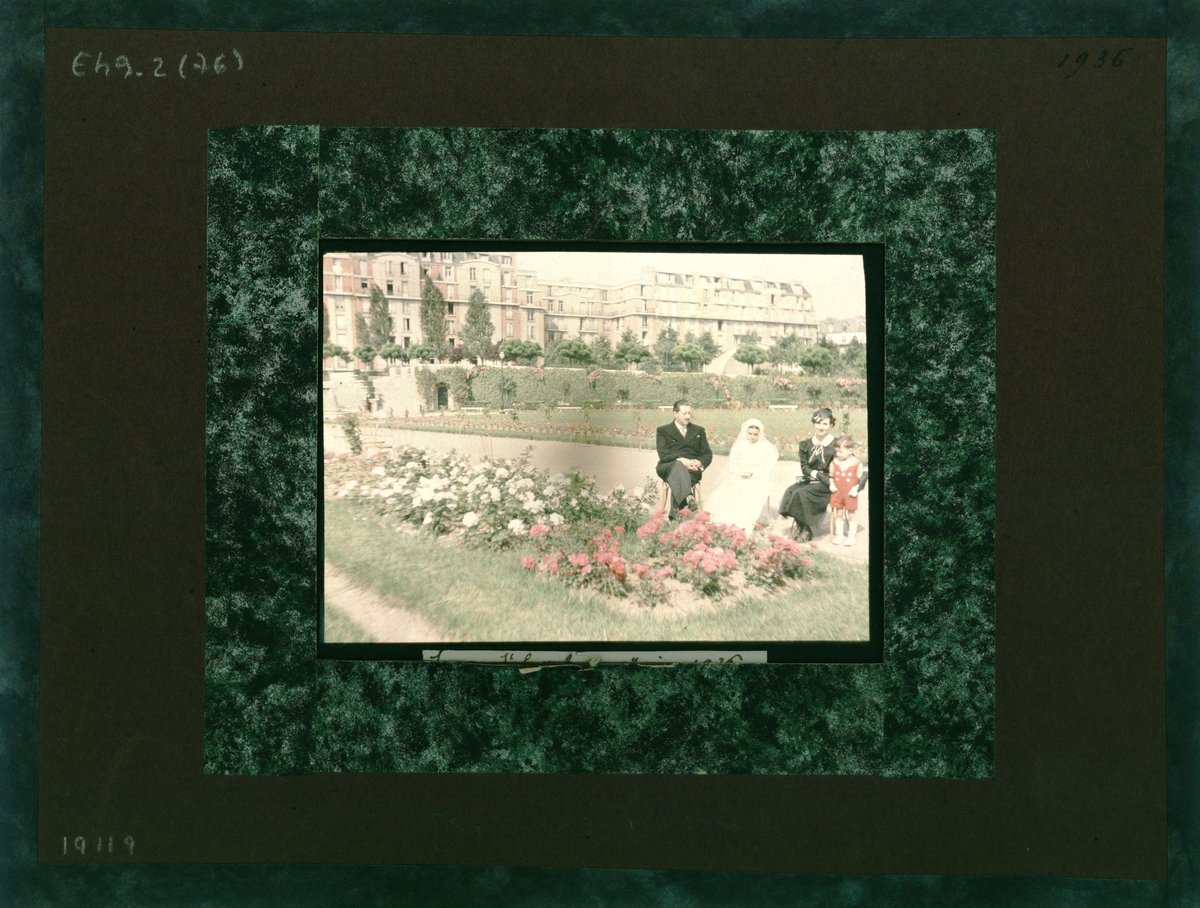
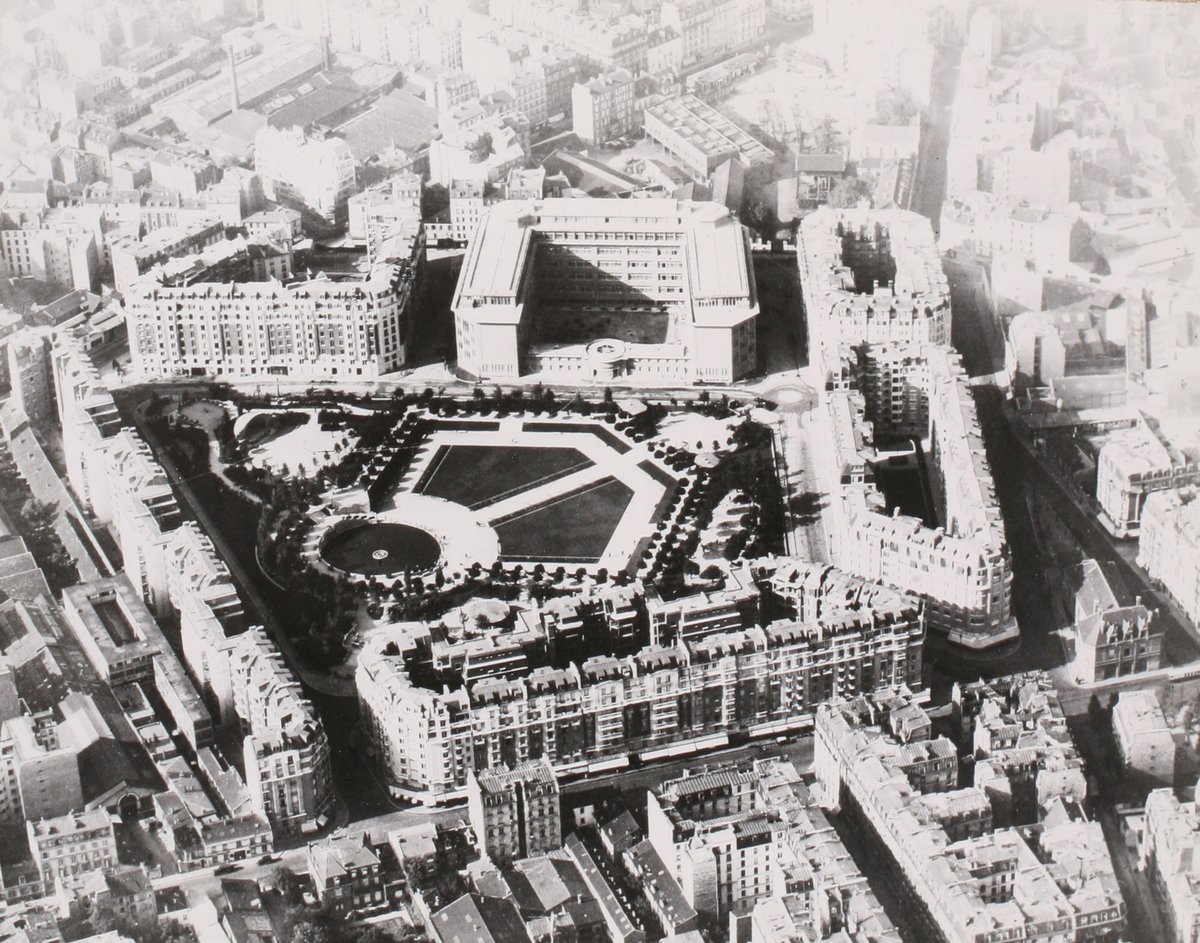
Square Saint-Lambert, established in 1933, was part of an urban development initiative aimed at providing green spaces for the rapidly growing population of the arrondissement. Named after Saint Lambert, a 7th-century bishop of Maastricht, the square reflects the historical and cultural ties of the region to Christian heritage.
Urban Planning and Design
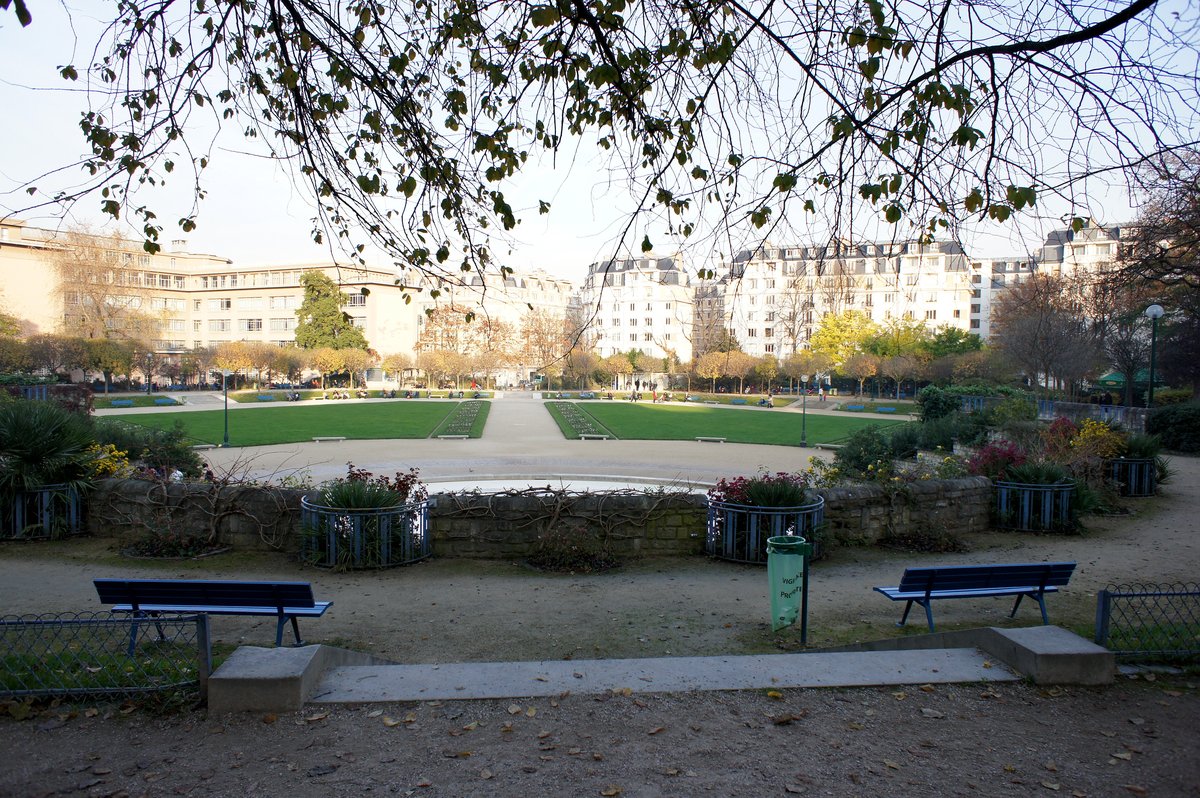
The design of Square Saint-Lambert was influenced by early 20th-century urban planning trends, emphasizing public parks and recreational areas. The square was designed as a communal space for relaxation and socialization, featuring wide pathways, manicured lawns, and a variety of trees and shrubs.
Architectural Features
One of the notable architectural features of Square Saint-Lambert is its central fountain, installed in the 1930s and designed in an Art Deco style. Surrounding the fountain are several statues and sculptures that enhance the cultural and artistic value of the space.
Historical Events and Changes
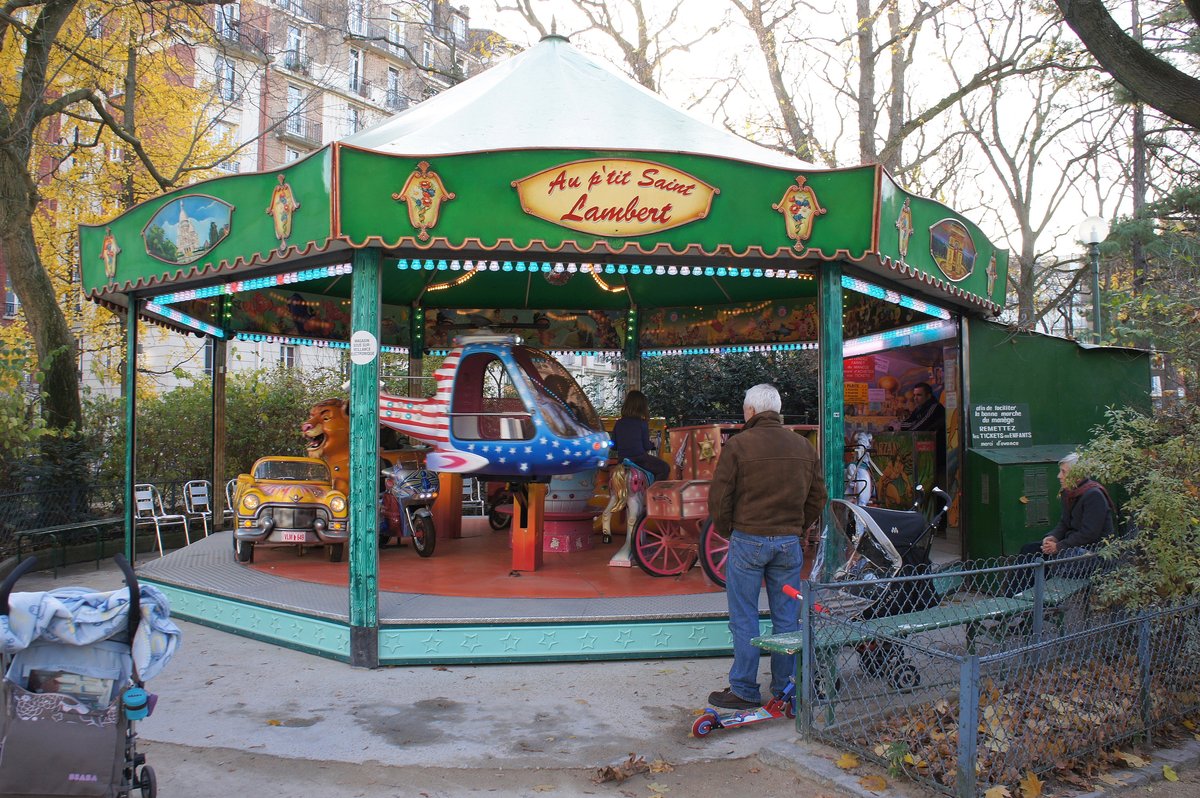
Over the decades, Square Saint-Lambert has witnessed several historical events. During World War II, it served as a gathering place for residents and a site for community activities. Post-war renovations added playgrounds, sports facilities, and improved landscaping.
Cultural Significance
Square Saint-Lambert holds significant cultural value for the residents of the 15th arrondissement. It has been a venue for numerous cultural events, including concerts, art exhibitions, and community festivals. The square symbolizes the arrondissement's commitment to preserving green spaces and promoting community well-being.
Modern Developments
In recent years, Square Saint-Lambert has evolved to meet the needs of the local community with modern amenities. These include Wi-Fi access, improved lighting, and enhanced security measures, making the square a popular destination for both residents and tourists.
Preservation Efforts
Efforts to preserve and maintain Square Saint-Lambert have been ongoing. The local government, along with community organizations, has implemented various initiatives to ensure the square remains a vibrant and well-maintained public space. These include regular maintenance of the landscaping, restoration of historical features, and the promotion of environmental sustainability.
Notable Figures
Several notable figures have been associated with Square Saint-Lambert, including renowned French architect and urban planner Jacques Gréber, who played a key role in the design and development of the square.
Visitor Experience
Visiting Hours and Tickets
Square Saint-Lambert is open daily from 7:00 AM to 10:00 PM. Admission is free, making it an accessible destination for everyone. No tickets are required to enter the square.
Travel Tips
- Accessibility The square is wheelchair accessible, with paved pathways and ramps.
- Nearby Attractions After visiting the square, explore nearby attractions such as the Eiffel Tower, Champ de Mars, and the Seine River.
- Guided Tours While no official guided tours are available, visitors can join local walking tours that include the square in their itinerary.
- Facilities The square offers modern amenities such as Wi-Fi access, improved lighting, and enhanced security.
Nearby Attractions
Visitors can explore nearby attractions like the Église Saint-Lambert de Vaugirard and Parc Georges-Brassens. The nearby Rue de Vaugirard offers shopping and dining options (Paris Tourism).
FAQ
- What are the opening hours of Square Saint-Lambert? The square is open daily from 7:00 AM to 10:00 PM.
- Is there an admission fee to enter Square Saint-Lambert? No, admission is free.
- Are there guided tours available at Square Saint-Lambert? While no official guided tours are available, local walking tours often include the square in their itinerary.
- What facilities are available at Square Saint-Lambert? The square offers amenities such as Wi-Fi access, improved lighting, and enhanced security.