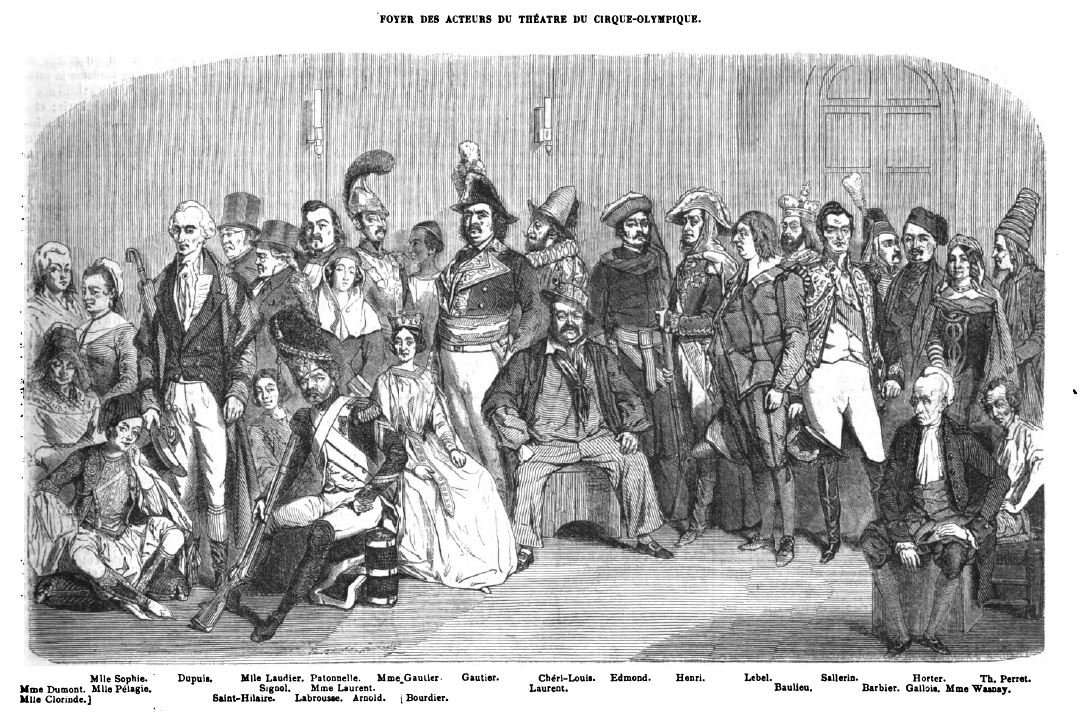
Origins and Early Years (1867–1900)
Théâtre de la Gaîté Montparnasse originated as a café-concert, established in 1867 during the Exposition Universelle—a period that saw Paris flourish as a global cultural capital. After the exposition, entrepreneur François Jamin relocated a temporary structure to 26 rue de la Gaîté, launching the venue as an accessible gathering place for music, comedy, and variety shows. The early years were marked by light-hearted entertainment and original revues, setting a tone of warmth and inclusivity that endures to this day (Theatre in Paris; Agenda Culturel).
20th Century Evolution
With the turn of the century, the theatre adapted to the changing tastes of Parisian society, embracing music-hall performances, cabaret, and avant-garde theatre. Legendary performers such as Maurice Chevalier and Juliette Gréco graced its stage, and the venue became a hub for both popular and experimental works (Agenda Culturel). The 1930s brought challenges as the café-concert tradition waned, but World War II saw a revitalization, with the theatre serving as a platform for French chanson and innovative postwar productions.
Surviving Decline and Demolition Threat
By the 1980s, urban renewal placed many historic Parisian theatres at risk. Théâtre de la Gaîté Montparnasse narrowly avoided demolition thanks to advocacy from the performing arts community. It was listed as a historical monument in 1984, securing its preservation. Renovations in 2003 modernized its facilities while retaining its distinctive character and red façade (Theatre in Paris).
Cultural Impact and Notable Artists
Throughout its existence, the theatre has fostered the talents of icons such as Colette, Jean-Pierre Darras, Jacques Weber, and Agnès Capri. Its programming has mirrored shifts in Parisian society—hosting everything from chanson and cabaret to avant-garde plays and family musicals. This adaptability has ensured its role as a microcosm of Paris’s ever-evolving cultural scene (Agenda Culturel).
Architectural and Heritage Significance
The theatre’s red façade and intimate 400-seat auditorium are emblematic of 19th-century Parisian architecture. Its protected status as a historical monument underscores its value not only as an entertainment venue but also as a vital piece of the city’s heritage (Theatre in Paris). Its continued operation is a testament to Paris’s commitment to preserving its artistic landmarks.
Visiting Information
Opening Hours
- The theatre typically opens one hour before each performance.
- Performances are generally scheduled in the evenings from Tuesday to Saturday, with matinees on Sundays.
- Box office hours: Open from 2:00 PM until showtime on performance days.
- Tip Always consult the official website for the latest schedule.
Tickets and Booking
- Online Purchase tickets through the official website or reputable platforms such as BilletReduc.
- Box Office In-person sales available, but advance booking is recommended.
- Prices Generally range from €20 to €60, with discounts for students, seniors, and groups.
- Language Most shows are in French; some may have English subtitles or be accessible to non-French speakers (Theatre in Paris).
Accessibility
- Step-free access and accessible seating are available.
- Notify the theatre in advance for wheelchair accommodations or special assistance.
- Accessible restrooms and assistance from staff provided.
Getting There
- Address 26 rue de la Gaîté, 75014 Paris, France
- Metro Montparnasse-Bienvenüe (Lines 4, 6, 12, 13), Edgar Quinet (Line 6), and Gaîté (Line 13)
- Bus Lines 28, 58, 88, 91
- Parking Limited street parking; nearby garages available (Parking Montparnasse Raspail, Parking Tour Montparnasse)
Nearby Attractions
- Montparnasse Cemetery
- Montparnasse Tower observation deck
- Historic brasseries: La Coupole, Le Dôme
- Fondation Cartier pour l'Art Contemporain
- Numerous local cafés, crêperies, and galleries (Paris Pass)
Special Events and Tours
- Occasional backstage tours, artist talks, and festival events are offered.
- Check the official website and social media for current programming.
Visitor Experience and Tips
- Atmosphere The 400-seat auditorium creates an intimate setting with excellent sightlines and acoustics. The historic décor and warm lighting enhance the sense of connection between audience and performer (Paris Walking Guide).
- Dress Code Smart-casual attire is standard; formal wear is welcome for gala events.
- Arrival Arrive 20–30 minutes before showtime for a smooth experience.
- Etiquette No photography or recording during performances; silence phones before entering.
- Food & Drink Drinks and snacks available on-site; numerous options for dining nearby.
- Safety The Montparnasse area is lively and well-patrolled. Standard urban precautions apply.
Frequently Asked Questions
Q: What are the visiting hours?
A: The theatre opens about one hour before performances, with evening shows Tuesday–Saturday and matinees on Sundays.
Q: How do I buy tickets?
A: Purchase online via the official website or at the box office. Advance booking is advised.
Q: Is the theatre accessible?
A: Yes, with step-free entry and accessible facilities. Notify staff ahead for special needs.
Q: Are there English-language performances?
A: Occasionally, or with English subtitles. Check show details online.
Q: What are nearby attractions?
A: Montparnasse Cemetery, Montparnasse Tower, Fondation Cartier, and numerous cafés and restaurants.