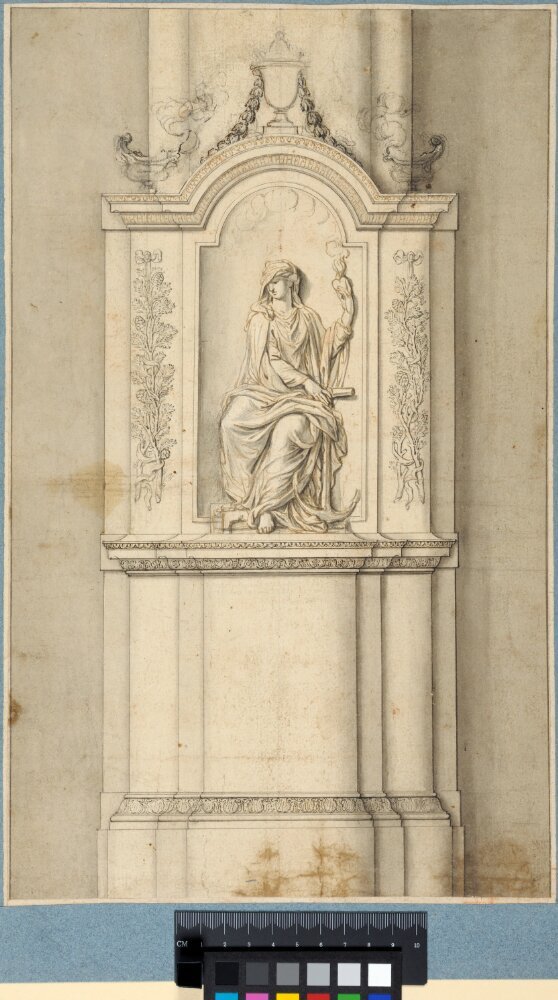


Saint-André-des-Arts Church: A Legacy in Stone
Saint-André-des-Arts Church once stood proudly in the Latin Quarter, serving as a vibrant parish hub from the early 13th century until its demolition between 1800 and 1807. Over the centuries, the church evolved architecturally, reflecting Gothic, Renaissance, and Baroque influences. It was a focal point for the local community, hosting religious ceremonies and witnessing pivotal moments during the French Revolution. The church’s location near the University of Paris and frequentation by artists and intellectuals further cemented its cultural significance (Paris Discovery Guide).
Place Saint-André-des-Arts: Transformation and Archaeological Insights
After the church was demolished in the early 19th century, the site was transformed into the present-day Place Saint-André-des-Arts. Archaeological excavations have revealed layers of history beneath the square, including medieval burials, pottery from the 13th century, and even Gallo-Roman remains (French Wikipedia). These discoveries underscore the area’s continuous occupation and importance through the ages.
The Site Today: What Remains of Saint-André-des-Arts
The Square and Its Atmosphere
While the church no longer stands, its spirit is alive in the Place Saint-André-des-Arts—a compact, triangular square framed by 17th- to 19th-century buildings and classic Parisian façades. The square is open 24/7 and accessible free of charge, making it an ideal spot for a leisurely stroll, people-watching, or enjoying a coffee at one of the surrounding cafés (Paris la Douce). Shaded by mature trees and paved in cobblestones, the square maintains a peaceful, village-like atmosphere.
Historical Markers and Cultural Heritage
Numerous plaques on buildings around the square commemorate notable figures and historic events. For example, composer Charles Gounod was born at No. 11. The nearby Cour du Commerce Saint-André passage is steeped in history, housing the legendary Le Procope café, frequented by Enlightenment thinkers and revolutionaries (Paris Discovery Guide).
Visiting Information
Opening Hours and Accessibility
- Place Saint-André-des-Arts Open to the public at all hours, year-round.
- Accessibility The area is pedestrian-friendly, though some cobblestone surfaces may be uneven. Wheelchair users may find certain passageways challenging, but the main square is generally accessible.
Tickets and Admission
- No tickets or entry fees are required to visit Place Saint-André-des-Arts or the surrounding streets.
Guided Tours and Events
- Walking tours of the Latin Quarter often include Place Saint-André-des-Arts and nearby historic sites. Check with local tour providers for schedules.
- The square is sometimes enlivened by street musicians and performers, especially in the summer, adding to its charm.
Photography
- The square and adjacent streets offer excellent photo opportunities, from classic Parisian architecture to lively street scenes. Please be respectful of locals and café patrons when photographing the area.
Exploring the Neighborhood
Place Saint-André-des-Arts
A hub of local life, the square is surrounded by cafés, brasseries, and shops. It’s an excellent starting point for exploring the Left Bank’s literary and artistic heritage, or simply enjoying the relaxed ambiance of old Paris (Vivre Paris).
Nearby Attractions
- Cour du Commerce Saint-André A historic passageway home to Le Procope café and quaint shops.
- Cinéma Saint-André-des-Arts An independent art-house cinema (30 Rue Saint-André-des-Arts) known for its diverse programming (Cinéma Saint-André-des-Arts).
- Luxembourg Gardens A short walk away, offering beautiful green spaces.
- University of Paris (Sorbonne) Explore the heart of Paris’s intellectual tradition.
Cafés, Accommodation, and Local Life
- Cafés and Dining Classic Parisian cafés and brasseries with outdoor terraces abound—perfect for people-watching and experiencing the local culture (Paris la Douce).
- Accommodation The area offers a range of hotels, from historic guesthouses to boutique options like Hôtel Saint-André des Arts (mrandmrssmith.com).
Getting There and Practical Tips
How to Get There
- Metro Saint-Michel (Line 4, RER B and C) is the closest station, featuring the iconic Guimard entrance. Odéon (Lines 4 and 10) is also nearby.
- Bus Lines 21, 27, 38, 85, and 96 serve the area.
- Cycling Vélib’ bike-sharing stations are nearby.
- Walking Easily reached from the Seine, Notre-Dame Cathedral, and the Latin Quarter.
Best Times to Visit
- Spring Mild weather and blooming trees—ideal for walking tours.
- Summer Lively with street performances and extended café terraces; expect crowds.
- Autumn Pleasant temperatures, fewer tourists, and beautiful foliage.
- Winter Less crowded, with cozy cafés and festive mood (Roaming Paris).
Additional Tips
- Safety The area is safe, but as in all busy parts of Paris, remain vigilant for pickpockets.
- Etiquette Greet café staff with “Bonjour”, and tipping is appreciated but not obligatory.
- Restrooms Available at metro stations and cafés (usually for customers).
- Tourist Info Use the My.ParisJeTaime web app or info points at newsstands/post offices for assistance.
Frequently Asked Questions (FAQ)
Q: Is the Saint-André-des-Arts Church still standing?
A: No, the church was demolished between 1800 and 1807. The site is now Place Saint-André-des-Arts.
Q: What are the visiting hours?
A: The square is open 24/7. Cafés and shops have individual hours, typically from morning until late evening.
Q: Are there entrance fees?
A: No, the square and surrounding streets are open to the public free of charge.
Q: Is the area accessible for people with mobility challenges?
A: The main square is flat and accessible; some cobblestone streets may be uneven.
Q: Are guided tours available?
A: Latin Quarter walking tours often include Place Saint-André-des-Arts. Check with local providers.
Q: What can I see nearby?
A: Explore the historic Cour du Commerce Saint-André, Cinéma Saint-André-des-Arts, Luxembourg Gardens, and the Sorbonne.