Visiting Hours and Ticket Information
- Regular Access As an active secondary school, Lycée Charlemagne is generally closed to the public for daily visits.
- Special Events Limited public access is permitted during special occasions, most notably the European Heritage Days (Journées Européennes du Patrimoine) each September.
- Heritage Days Hours Typically 10:00 AM to 6:00 PM (subject to change).
- Entry Free during these events, but advance booking is recommended due to high demand.
- Guided Tours Occasionally organized by the Paris City Hall or heritage associations, with schedules and booking details announced on the official lycée or Paris tourism websites.
- Open Days (Journées Portes Ouvertes) Held in early spring for prospective students and sometimes the public; dates are published on the school website.
For up-to-date details and booking links, refer to the Lycée Charlemagne official site and the Heritage Days portal.
Getting There: Location and Transportation
- Address 14 rue Charlemagne, 75004 Paris
- Metro Saint-Paul (Line 1) is a 3-minute walk; Hôtel de Ville (Lines 1, 11) and Pont Marie (Line 7) are nearby.
- Bus Lines 29, 69, and 96 stop close to the lycée.
- Bicycle Several Vélib’ bike-sharing stations are located nearby.
- Walking The lycée is easily reached on foot from Place des Vosges, the Seine, and other Marais landmarks.
For public transport maps and fare information, consult the RATP site.
Historical Evolution and Architectural Highlights
Origins and Jesuit Foundation
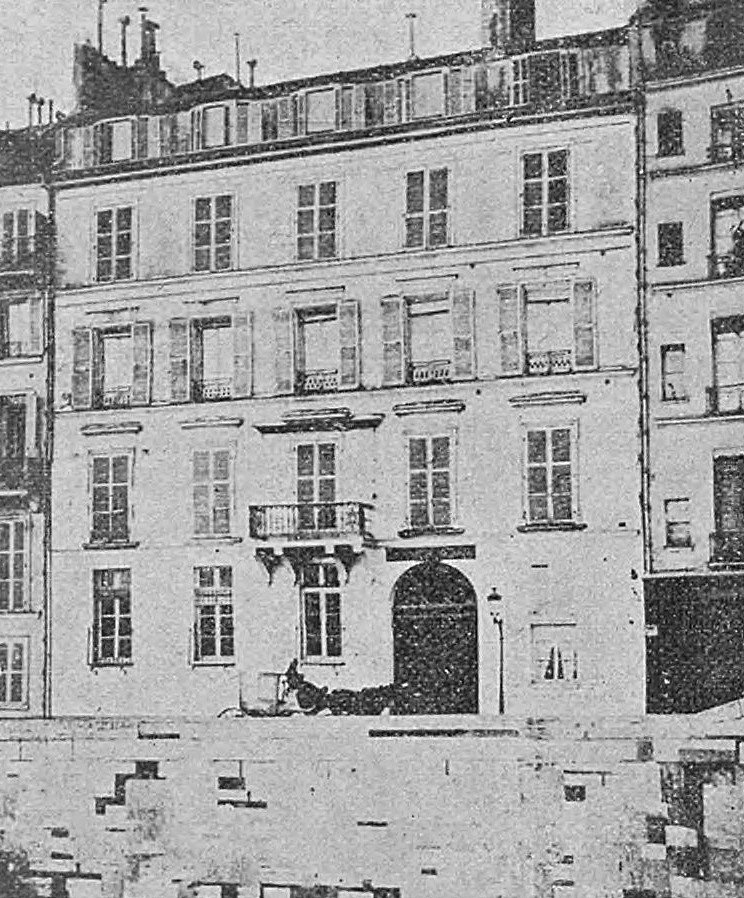
The site began as the Hôtel de Rochepot and was acquired by Cardinal de Bourbon in 1580. Donated to the Jesuits, it became the Maison Professe de Paris, with construction led by Brother Charles Turmel and completed in 1647. The layout centered on a quadrilateral garden, reflecting monastic traditions (Paris Promeneurs).
17th–18th Century Modifications
Significant changes were made in 1687 by architects Sylvain Cartaud and François Ponsard. The north wing features refined stonework, decorative keystones, and bands, while the east and south wings display simpler, utilitarian finishes. After the Jesuits’ expulsion in 1767, the property was managed by the Génovéfains, and the grand library became a public resource (Paris Promeneurs).
Revolution and Empire
The French Revolution secularized the property, transforming it into the École Centrale de la rue Saint-Antoine. In 1802, Napoleon’s reforms officially established it as Lycée Charlemagne (Wikiwand).
Architectural Highlights
- Main Courtyard The former Jesuit garden, now elevated above the cour d’honneur.
- Grand Staircase Features a baroque fresco by Giovanni Gherardini.
- Entrance The original 101 rue Saint-Antoine entry was replaced with a 17th-century style portal at 14 rue Charlemagne.
- Philippe Auguste Wall Remnants of the medieval city wall are visible adjacent to the school.
Notable Alumni and Educational Legacy
Lycée Charlemagne boasts a prestigious list of former students:
- Victor Hugo Author of Les Misérables and The Hunchback of Notre-Dame
- Charles Gounod Composer of the opera Faust
- Émile Durkheim Pioneer sociologist
- Paul Valéry Poet and essayist
- Georges Pompidou President of France (1969–1974)
The lycée ranks among the top schools in France, with high graduation rates and strong preparatory classes for the Grandes écoles (Wikiwand).
Accessibility and Visitor Tips
- Mobility The school and surrounding Marais district feature some cobblestoned and uneven surfaces. Wheelchair access is available for main public areas during events—contact organizers in advance for arrangements.
- Facilities As a functioning school, visitor facilities are limited. Restrooms and cafés can be found nearby.
- Photography Allowed outside and, during events, in designated areas inside. Always follow staff instructions.
- Etiquette Respect the educational environment—avoid visiting during peak student hours and maintain quiet during tours.
Nearby Attractions in the Marais
Enhance your visit by exploring these nearby highlights:
- Place des Vosges Paris’s oldest planned square with elegant arcades and gardens.
- Musée Carnavalet Museum of Paris history.
- Philippe Auguste Wall Medieval city wall remnants can be viewed adjacent to the lycée.
- Cafés and Shops The Marais is filled with boutique shops, bakeries, and lively eateries.
Frequently Asked Questions (FAQ)
Q: When can I visit Lycée Charlemagne?
A: Public visits are limited to special events like Heritage Days or open days. Check the official website for dates.
Q: Is there an entrance fee?
A: Entry is typically free during authorized public events.
Q: Are guided tours available?
A: Yes, especially during European Heritage Days and occasionally on open days.
Q: Is the site accessible to people with disabilities?
A: Main public areas are accessible; contact organizers for specific needs.
Q: Can I take photographs inside?
A: Usually permitted during public events, but restrictions may apply.
Summary and Visitor Recommendations
Lycée Charlemagne is a vital part of Paris’s educational and cultural heritage. Its architectural beauty, storied past, and central location in the Marais make it a rewarding stop for those interested in Paris’s historic sites. For the best experience:
- Plan your visit around open days or Heritage Days.
- Book guided tours in advance when available.
- Combine your trip with nearby Marais attractions.
- Use official resources for the latest visitor information.
For a richer experience, consider downloading the Audiala app for curated audio guides and stay updated via social media and the lycée’s official channels.