

Medieval Foundations and Early Evolution
Église Saint-Leu-Saint-Gilles traces its roots to the 14th century, originally serving a bustling quarter of merchants and travelers. The church’s dual dedication to Saints Leu (Lupus) and Gilles reflects the medieval custom of invoking multiple saints for protection and charity. Its continued presence through centuries of social and political change stands as a testament to the city’s enduring faith and resilience.
Renaissance, Baroque, and 19th Century Transformations
Over the centuries, the church has experienced significant architectural and artistic transformations. The Renaissance and Baroque periods saw the addition of new art and structural enhancements, while the 19th century brought restoration and expansion, including ties to the Equestrian Order of the Holy Sepulchre of Jerusalem. Notably, architect Victor Baltard’s 1857 renovation adapted the church to the changing urban landscape, and in 1915, it was designated a Monument Historique (parisladouce.com).
Modern Era and Community Engagement
Since the 1970s, Église Saint-Leu-Saint-Gilles has become a hub for charismatic renewal, emphasizing hospitality, outreach, and interfaith dialogue. Social programs such as partnerships with "Aux Captifs, la Libération" and Sant’Egidio demonstrate the church’s enduring commitment to serving the marginalized (saintleusaintgilles.fr).
Architectural and Artistic Highlights
Exterior and Structural Design
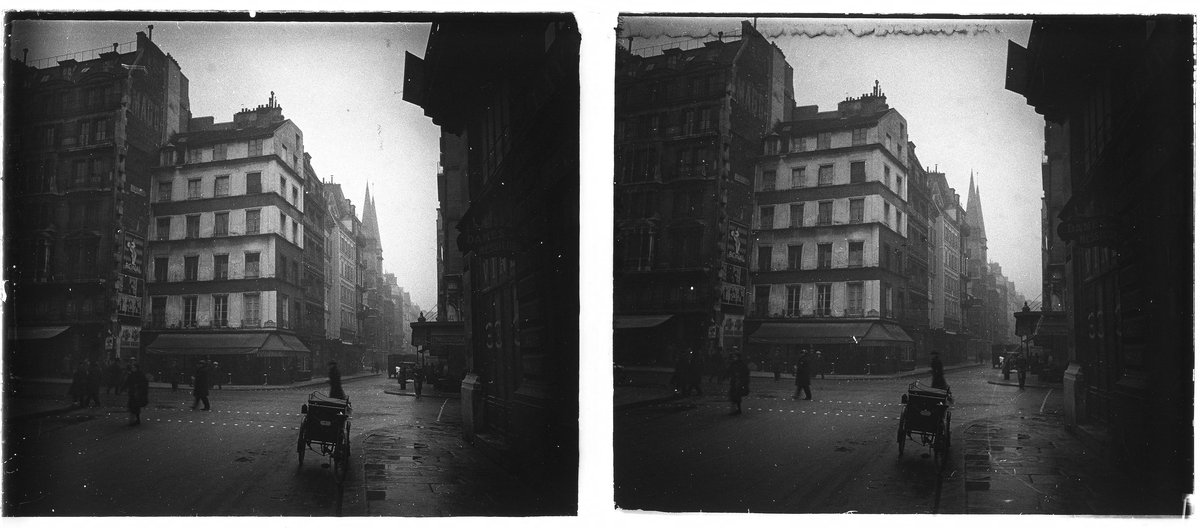
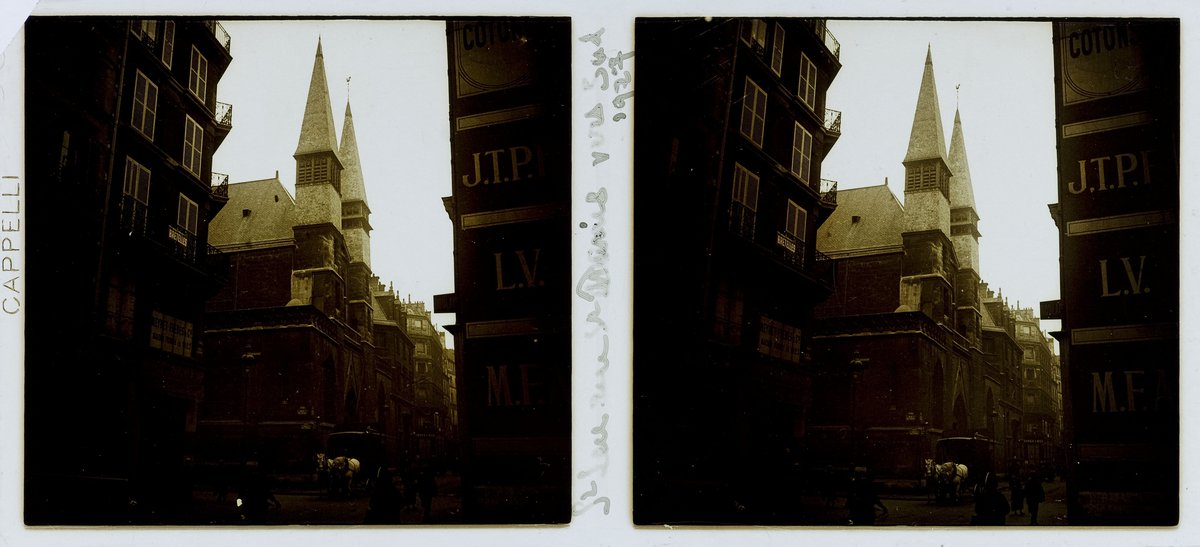
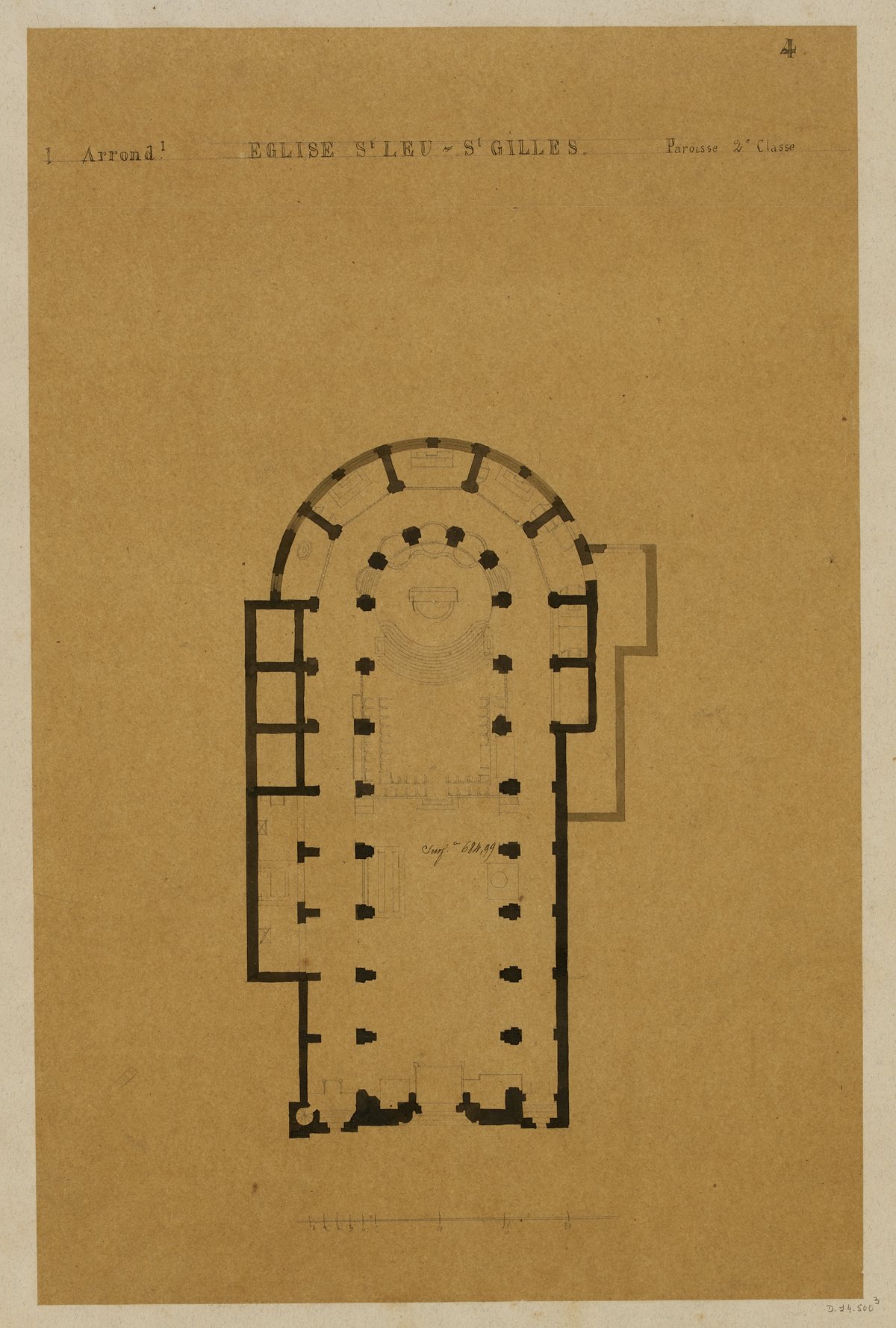
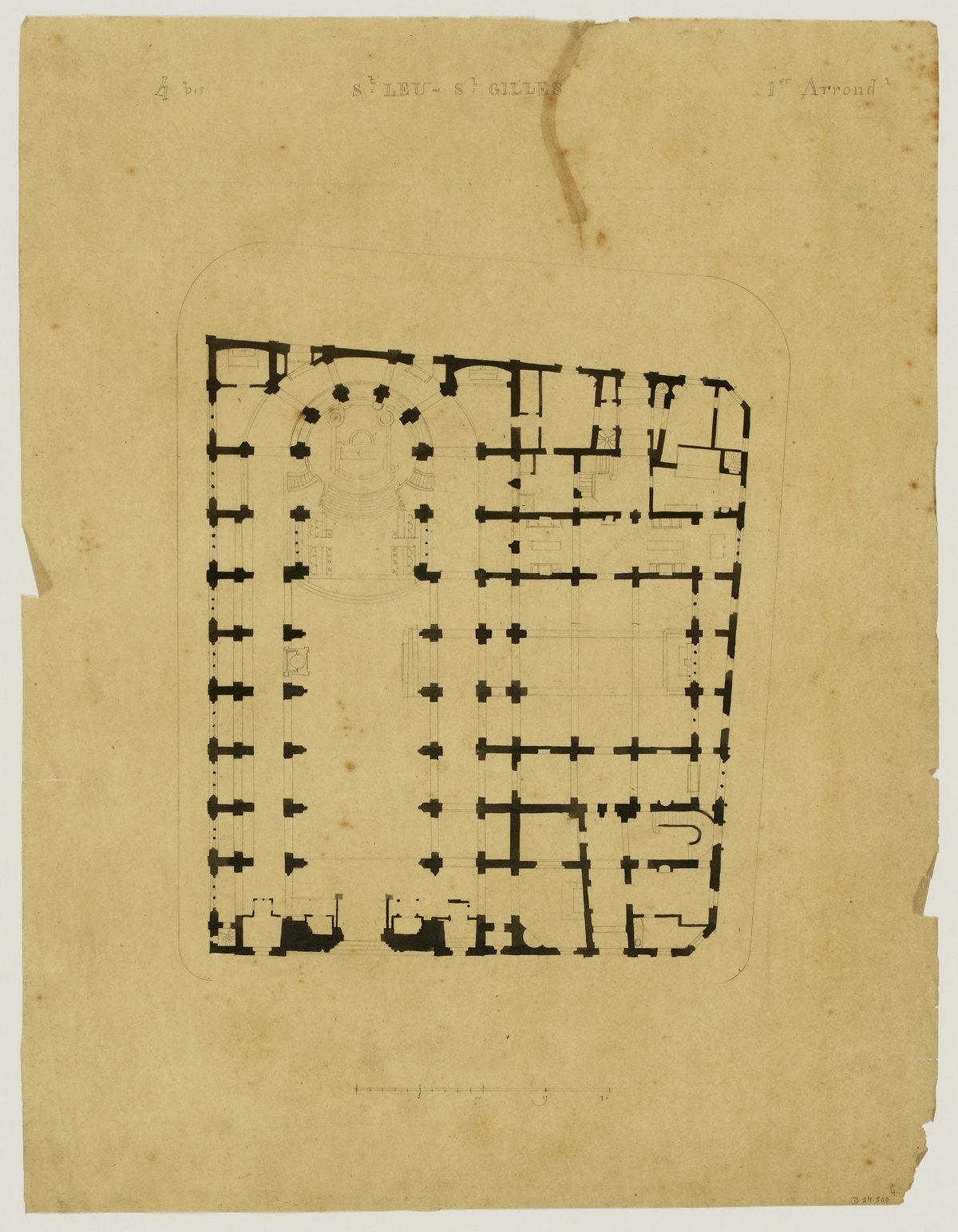
The church’s Gothic façade, complemented by neo-Renaissance enhancements, features twin turrets, a large pointed-arch window, and a distinctive clock above the portal. The lack of a transept creates an elongated nave leading to a semi-circular chevet with an ambulatory, emphasizing verticality and light. Baltard’s 19th-century restorations added balustraded terraces and reinforced the fortress-like impression (france-voyage.com).
Interior Layout and Treasures
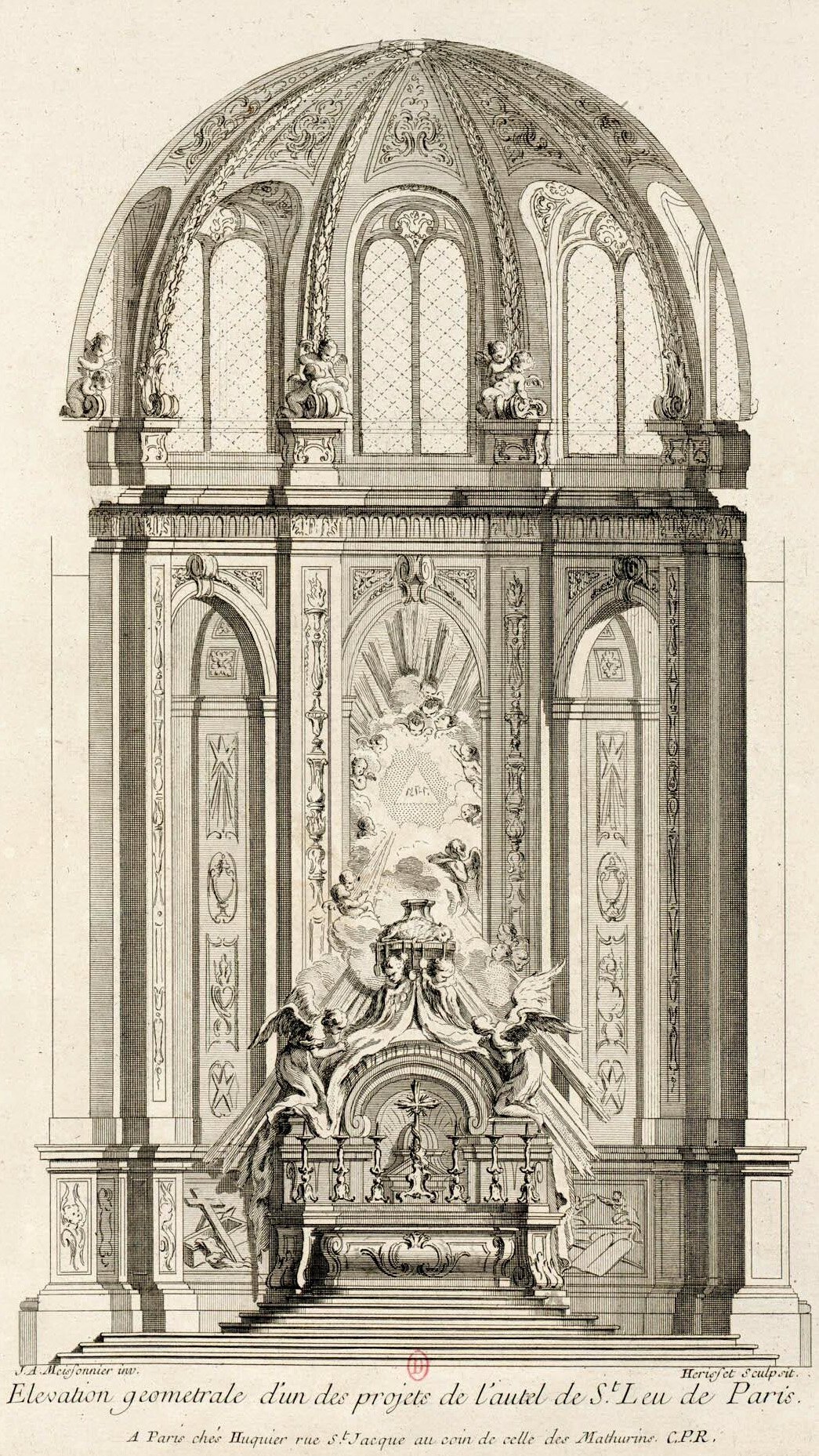
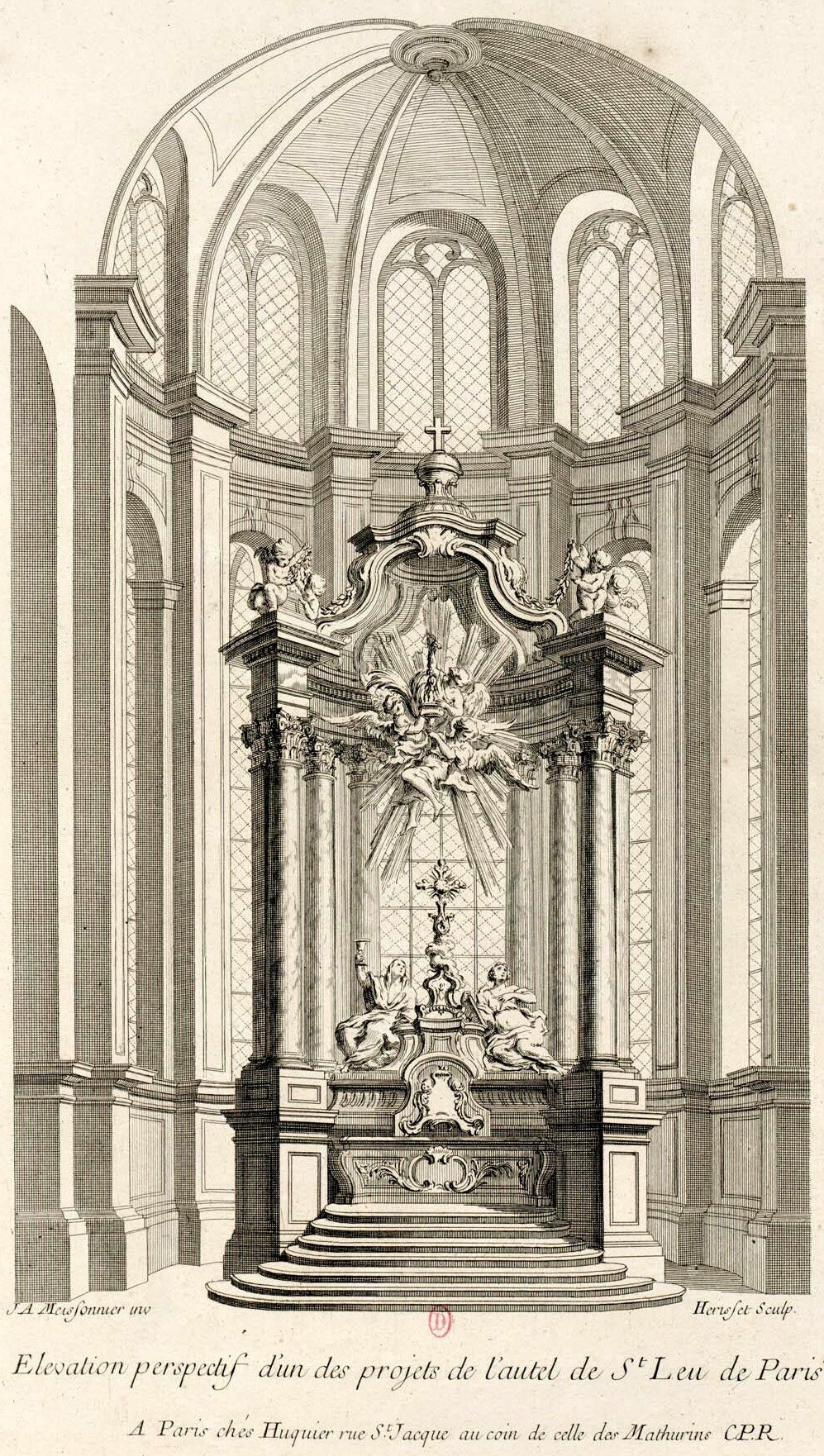
Inside, six bays open onto side aisles beneath ribbed vaults, with an elevated choir drawing attention toward the sanctuary. The church is adorned with stained-glass windows depicting saints and biblical scenes, and houses notable artworks including Jean Bullant’s 16th-century marble sculpture of St. Anne and the Virgin, the 19th-century Angel of Meditation by Jean-Louis-Désiré Schroeder, and an 18th-century organ, restored in 1983, which remains central to the church’s musical life (france-voyage.com).
Crypt and Relics
Beneath the sanctuary lies the crypt, home since 1819 to the relics of Saint Helena, mother of Constantine the Great. This sacred site draws pilgrims from both Catholic and Orthodox traditions and is especially significant for members of the Order of the Holy Sepulchre (saintleusaintgilles.fr, en.wikipedia.org).
Visitor Information
Visiting Hours
- Monday to Saturday 9:00 AM – 6:00 PM
- Sunday 8:30 AM – 7:00 PM
- Note Hours may vary on religious holidays or during special events; always confirm on the official website.
Admission and Tickets
- Entry Free for all visitors; donations are appreciated to support maintenance and outreach.
- Special Events Tickets may be required for concerts or special exhibitions.
Guided Tours
- Available on weekends and by appointment, as well as during "Portes ouvertes" (Open House) events. Audio guides can be rented on-site for a deeper exploration of the church’s history and art.
Accessibility
- The church is wheelchair accessible, with ramps available at the main entrance and accessible restrooms. Some older areas, like the crypt, may have limited access (paristopten.com).
Location & Transport
- Address 92 rue Saint-Denis, 75001 Paris
- Metro Les Halles (Line 4), Étienne Marcel (Line 4), Châtelet (Line 1), or Réaumur-Sébastopol (Lines 3 & 4)
- Nearby Attractions Centre Pompidou, Les Halles Shopping District, Palais Royal, Sainte-Chapelle, and Notre-Dame Cathedral.
Special Events and Activities
Église Saint-Leu-Saint-Gilles hosts frequent liturgical celebrations, including Sunday and weekday Masses, special liturgies around the relics of Saint Helena, prayer evenings ("Dieu Agit"), concerts, and exhibitions. Community support initiatives include Christmas meals for the vulnerable and partnerships with local charities. During European Heritage Days each September, visitors can access areas usually closed to the public, such as the crypt and sacristy (fr.wikipedia.org).
Photography Tips
- Morning and late afternoon offer the best natural light for capturing the façade and stained-glass windows.
- Non-flash photography is permitted; respect worshippers and avoid taking photos during services.
- The crypt and reliquary of Saint Helena, as well as the organ and stained glass, are popular subjects.
Frequently Asked Questions (FAQ)
Q: What are the visiting hours of Église Saint-Leu-Saint-Gilles?
A: Generally, 9:00 AM to 6:00 PM daily; Sundays 8:30 AM to 7:00 PM. Check the official website for updates.
Q: Is there an entrance fee?
A: No, admission is free.
Q: Are guided tours available?
A: Yes, on weekends, by appointment, and during special events. Audio guides are available for rent.
Q: Is the church wheelchair accessible?
A: Yes, except for some older sections like the crypt.
Q: Can I attend Mass?
A: Yes, all are welcome at regular Masses and special liturgies.
Q: Are there concerts or special events?
A: Yes, check the parish website or bulletin for the latest schedule.
Q: Can I take photographs?
A: Yes, non-flash photography is allowed, except during services.
Planning Your Visit
- Duration Allocate 1–2 hours for a thorough visit.
- What to Bring Modest attire (shoulders and knees covered), camera, and an audio guide if desired.
- Best Time to Visit Early mornings or weekdays to avoid crowds.
- Language Signage is primarily in French; audio guides are available in English and other languages.
- Safety Standard urban precautions apply; the church is well-patrolled and secure.
Nearby Attractions
- Les Halles Modern shopping and cultural hub.
- Centre Pompidou Renowned for contemporary art.
- Sainte-Chapelle & Notre-Dame Cathedral Iconic Gothic landmarks.
- Rue Saint-Denis Lined with shops, cafés, and historic architecture.
Combine your church visit with these nearby sites for a comprehensive Parisian experience.
Key Takeaways for Visiting Église Saint-Leu-Saint-Gilles
- Rich History Spanning from medieval origins to modern community outreach.
- Architectural Marvels Gothic and neo-Renaissance features, rare relics, and artistic treasures.
- Free Entry Open daily, with accessible facilities and welcoming atmosphere.
- Community Engagement Active parish life, charitable initiatives, and special events.
- Central Location Easy to include in a broader itinerary of Paris historical sites.
For continuous updates, guided tour schedules, and insider tips, consult the official website or download the Audiala app.