The Wiener Ziegelmuseum
The Wiener Ziegelmuseum, or Vienna Brick Museum, is a museum in Vienna’s 14th district dedicated to the history of brickmaking and its role in shaping the city’s architecture. It operates as a special department within the Bezirksmuseum Penzing and is housed there at Penzinger Straße 59.
Its collection contains more than 13,000 artifacts, including historic bricks, roof tiles, kiln models, manufacturing tools, and “Ziegelzeichen” (brick marks). The museum also documents how brickmaking developed from ancient Roman times through the modern industrial era, reflecting Vienna’s urban and technological development.
History
The Wiener Ziegelmuseum was officially founded on January 20, 1978. Its creation was inspired by Anton Schirmböck, who donated his private collection of more than 1,000 bricks, architectural plans, and historical documents. The museum moved to its current address at Penzinger Straße 59 in August 1980 (Wien Geschichte Wiki).
Brickmaking was particularly important to Vienna’s growth in the 19th century, after the city’s fortifications were dismantled and the Ringstraße was built. Major buildings, including the Vienna State Opera and City Hall, used locally produced bricks, often clad in stone for decorative purposes (Visiting Vienna: Historicism). The museum’s displays also connect architectural history with the social history of brickmakers, many of whom were migrants and working-class people. Personal stories and archival photographs show the labor behind the city’s buildings.
The museum documents Austria’s brick kilns (Ziegelöfen) and works with academic institutions, including the Institute for Applied Geology at BOKU. Its archives and mapping projects are used by academics and the public (WGM Wien).
Collection and exhibits
The collection includes bricks from Roman and medieval periods through modern industrial production. It also includes wall bricks (Mauerziegel), with examples ranging from ancient Babylonian to modern times, as well as bricks from Vienna’s earliest fortifications and the Linienwall.
Other displays feature roof and stove tiles, decorative ceramics, mosaic plates, kiln models, tools, architectural plans, photographs, and archival materials. Many bricks bear “Ziegelzeichen,” or distinctive marks that can indicate their origin and production history. The museum presents these marks and the evolution of brickmaking techniques through thematic and interactive displays.
The compact exhibition layout uses lighting to bring out the textures and markings of bricks and ceramics. The museum also publishes the research series “Schriftenreihe Wiener Ziegelmuseum” (Austria-Forum).
Visiting information
- Address Penzinger Straße 59, 1140 Vienna, Austria (Bezirksmuseum Penzing)
- Opening hours The museum is usually open on the 1st and 3rd Sunday of the month, 10:00–12:00. It is also listed as open Tuesday–Sunday, 10:00–6:00 PM; hours may vary. Check the official website before visiting.
- Admission Free; donations are appreciated.
- Guided tours Available by prior arrangement, especially for groups and educational visits.
- Accessibility The museum is in a historic building and has partial accessibility. Contact the museum in advance about specific needs.
- Languages Most exhibit materials are in German. English-speaking staff and translated materials may be available.
- Facilities Basic restrooms are available; there is no on-site café.
- Photography and conduct Photography is generally permitted for personal use, but restrictions may apply, particularly to archival materials. Flash and tripods are not permitted. The museum has a quiet atmosphere and does not allow smoking.
Tips
- Check current opening hours on the official website before your visit.
- Arrange guided tours in advance if needed.
- A translation app may be useful if you need help with German-language exhibits.
- Respect museum guidelines and preserve the artifacts for future visitors.
- Information about visits is also available through official museum resources and the Audiala app.
Nearby attractions
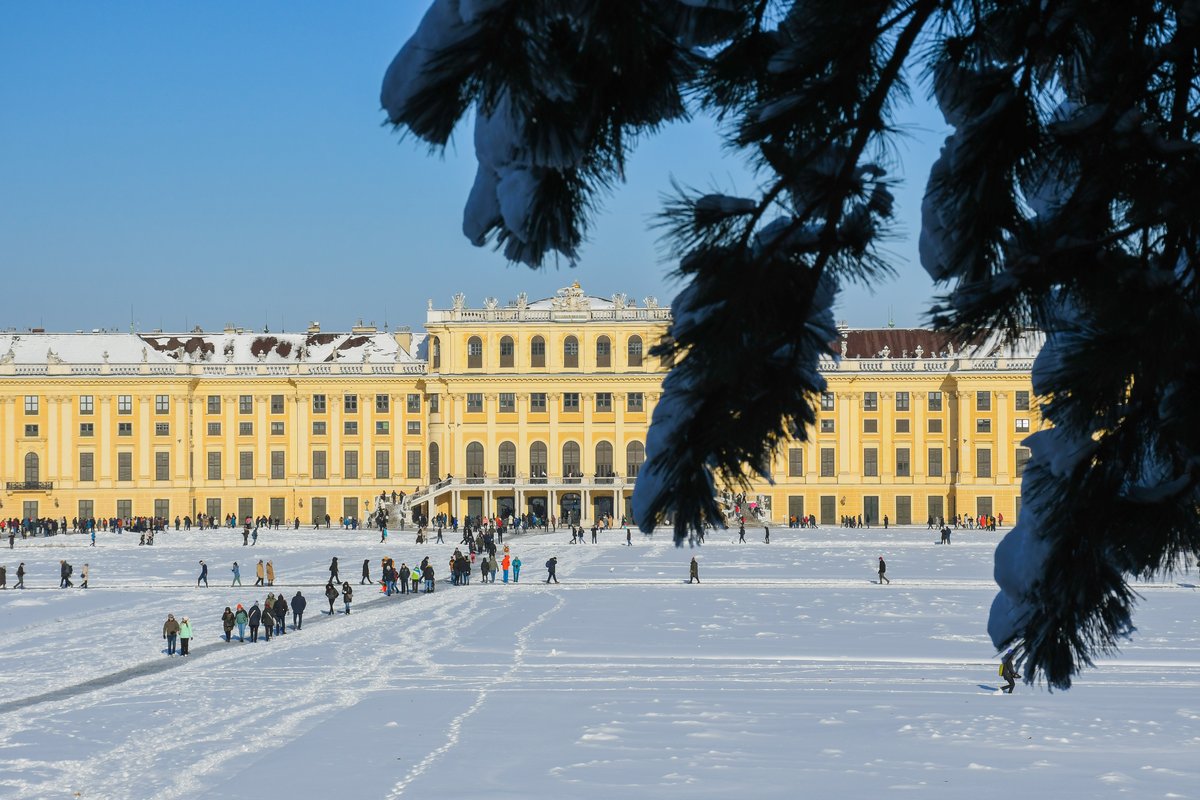
The museum’s location in Penzing makes it possible to combine a visit with nearby attractions, including Schönbrunn Palace and the Technical Museum Vienna. Local cafés and markets offer other nearby stops.
The museum is accessible by public transport. Parking is limited, so trams and buses are recommended (Vivent.at).
Frequently asked questions
Are tickets required?
Admission is free; donations are welcome.
What are the museum’s opening hours?
The museum is usually open on the 1st and 3rd Sunday of the month, 10:00–12:00. It is also listed as open Tuesday–Sunday, 10:00–6:00 PM, with hours subject to change. Confirm details on the official website.
Is the museum accessible?
Accessibility is partial. Contact the museum ahead of time about specific needs.
Are guided tours available?
Yes. Tours can be arranged by appointment.
Is photography permitted?
Photography is permitted for personal use, but restrictions may apply. Flash and tripods are not allowed.