History and Founding of the Gesellschaft der Musikfreunde
Established in 1812 by leading Viennese citizens such as Franziska von Arnstein, Joseph and Ignaz Sonnleithner, Ignaz Franz von Mosel, and Joseph Franz Prince Lobkowitz, the Gesellschaft der Musikfreunde aimed to democratize music through concerts, education, and archival preservation. Archduke Rudolf, a Beethoven patron, served as its protector, reinforcing its cultural prominence (Schenker Documents Online). The society’s early mission was threefold: organizing public concerts, collecting and safeguarding musical documents, and providing music education via its conservatory. This vision was realized with the 1819 founding of the Vienna Conservatory, a model for global music education (MDW Magazin).
Architectural Highlights: The Musikverein Building
Exterior and Urban Setting
Located at Musikvereinsplatz 1, near Vienna’s Ringstraße and the Wien River, the Musikverein was designed by Theophil Hansen in the Neo-classical style, with imperial support from Emperor Franz Joseph I. Its symmetrical façade, grand columns, and allegorical sculptures harmonize with Vienna’s monumental urban landscape (Mahler Foundation).
The Golden Hall (Großer Musikvereinssaal)
The Großer Musikvereinssaal, or Golden Hall, is the heart of the venue. Measuring 49 meters long, 19 meters wide, and 18 meters high, it seats 1,744 guests and has standing room for 300 more. Hansen’s “shoebox” design, shared by halls like Amsterdam’s Concertgebouw and Boston’s Symphony Hall, is a foundation of its legendary acoustics (Fidelity Magazine).
Decorative and Acoustic Features
The Golden Hall dazzles with gilded surfaces, classical columns, ornate stucco, and ceiling panels depicting Apollo and the Muses. Metal caryatids onstage can vibrate at high frequencies, adding a unique timbre. No electronic amplification is needed due to the hall’s acoustic perfection. The grand pipe organ, originally built by Friedrich Ladegast, remains central to performances (Mahler Foundation).
Brahms Hall and Other Spaces
The Brahms Hall offers an intimate chamber music setting, blending Neoclassical elegance with excellent acoustics. Additional rooms—rehearsal spaces, corridors, and service areas—are designed for function and style.
Practical Considerations
The historic building’s small elevators and narrow passages require logistical care for musicians and staff. Chandeliers and sconces illuminate the interiors, with natural light enhancing the ambiance (Fidelity Magazine).
The Society’s Role in Vienna’s Musical Heritage
From its inception, the Gesellschaft der Musikfreunde has been central to Vienna’s cultural life. Associated with luminaries such as Antonio Salieri, Johannes Brahms, Wilhelm Furtwängler, Richard Strauss, and Nikolaus Dumba, the society’s administration has influenced European music profoundly (Schenker Documents Online). Its conservatory, prior to state control in 1909, educated generations of musicians and composers.
The Musikverein is the home of the Vienna Philharmonic Orchestra and the Wiener Singverein choir. The annual Vienna Philharmonic New Year’s Concert, broadcast globally, is a symbol of Vienna’s continuing musical prestige (All About Vienna, Visiting Vienna).
Archives and Collections
The Gesellschaft’s archive is one of the world’s most significant music repositories, with over two million objects (Musikverein Archive). Key components include:
- Sheet Music Archive 200,000 works from extensive operas to short pieces.
- Letters 10,000 items, including correspondence by Mozart, Beethoven, and Haydn.
- Brahms Collection The world’s only complete Brahms estate, listed in the UNESCO Memory of the World Register.
- Pictures and Graphics Over 50,000 paintings, photos, busts, and medals.
- Instruments 800+ rare and historical pieces.
Treasures include autograph scores of Beethoven’s “Eroica” Symphony and Mozart’s Symphony No. 40.
Visitor Information
Visiting Hours
- Concerts The building opens one hour before concerts.
- Guided Tours Typically Tuesday to Saturday, 10:00 AM to 4:00 PM. Hours may vary; always check the official website for updates.
Tickets
- Purchase Online via the Musikverein website, in person at the box office, or through authorized vendors.
- Pricing Varies by event, seat category, and concert type. Standing tickets offer affordable options; discounts are available for students and under-30s.
- Advance Booking Recommended for popular events like the Vienna Philharmonic's New Year’s Concert (Musikverein Official).
Guided Tours
- Tours offer access to the Golden Hall, Brahms Hall, and backstage areas. Available in multiple languages; book online or on-site, subject to availability.
Accessibility
- The Musikverein provides wheelchair access, elevators, and assistance for visitors with reduced mobility. Contact visitor services for specific needs (Musikverein Official).
Getting There
- Centrally located and easily reached by public transport (U-Bahn lines U1, U2, U4 via Karlsplatz; trams and buses).
- Bicycle stands and taxi ranks are nearby. Parking is limited due to the historic setting.
Nearby Attractions
- Vienna State Opera Major historical and cultural venue.
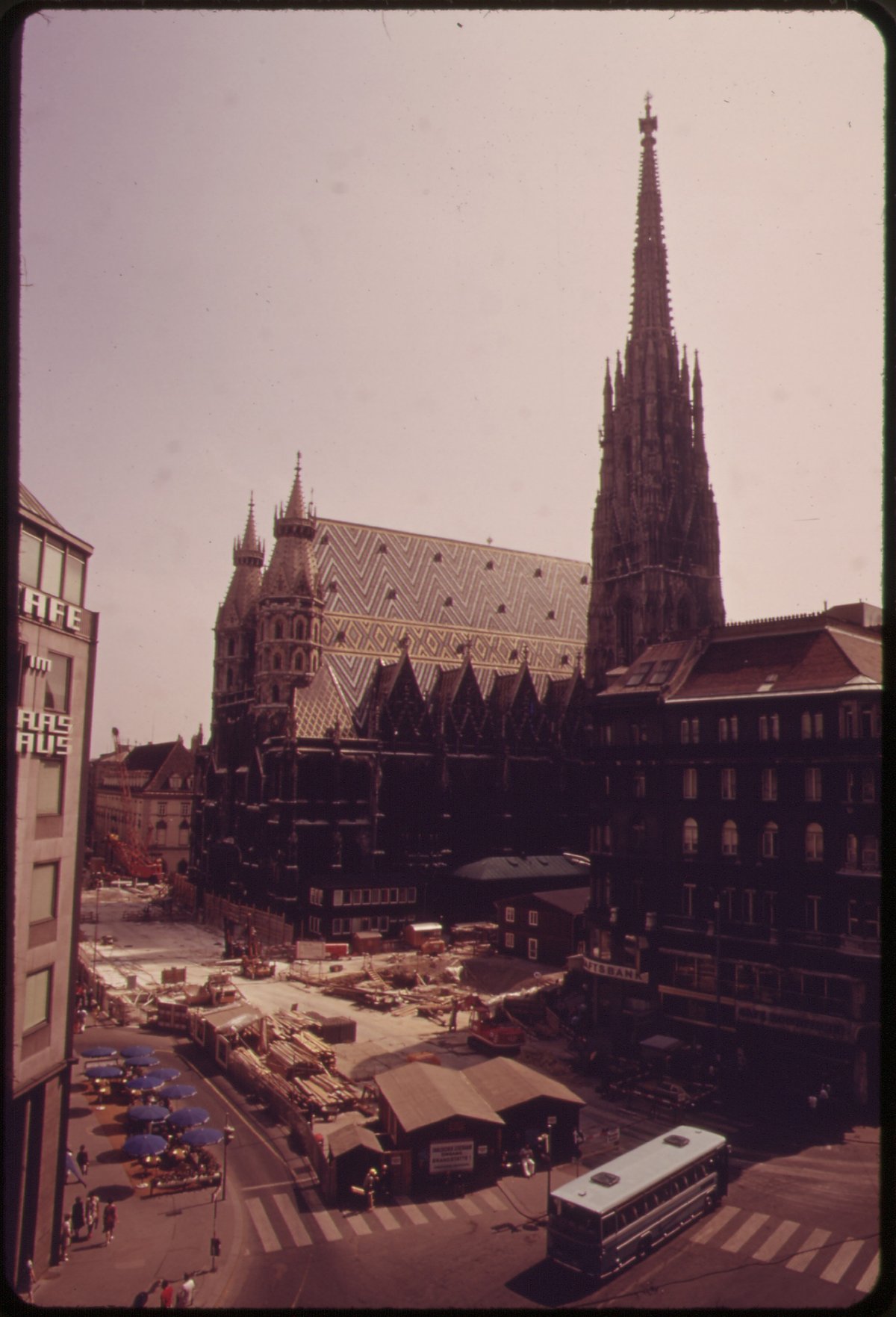
- St. Stephen’s Cathedral Gothic masterpiece.
- Hofburg Palace Former imperial residence.
- Stadtpark Vienna’s famous park with the Strauss monument.
- All within walking distance, ideal for combining with your Musikverein visit.
Concert Experiences
Types of Concerts and Programming
- Vienna Philharmonic Concerts Masterworks by Mozart, Beethoven, Brahms, Mahler, and more.
- Festivals & Special Events Spring, autumn, Easter, and Christmas concerts; the Musikverein Festival.
- Guest Orchestras and Soloists International performers and ensembles.
- Daytime/Matinée Concerts Relaxed atmosphere, emerging artists.
- Children’s and Family Concerts Educational and interactive programs (Musikverein Official).
Ticketing Details
- Purchase & Collection Tickets can be picked up at the box office or printed at home.
- Resale Unused tickets may be consigned for resale at the box office, subject to a commission fee.
Seating and Audience Experience
- Main Floor (Parterre) Closest to the stage.
- Golden Balcony Elevated panoramic views.
- Standing Room Affordable and offers excellent sound.
- Etiquette Smart casual to semi-formal dress is recommended. Applaud at appropriate moments; silence is customary during performances.
Visitor Tips
- Arrival Arrive 30–60 minutes early for seating and to enjoy the architecture.
- Photography Not permitted during concerts.
- Facilities Cloakrooms, snack bars, and restrooms on multiple levels.
- Language Most concerts are instrumental; vocal works are performed in their original languages, with program booklets often available in English.
Frequently Asked Questions (FAQ)
Q: What are the Musikverein’s visiting hours?
A: Generally, one hour before concerts and during scheduled guided tours. Always check the official website for current information.
Q: How do I buy tickets?
A: Online via the Musikverein ticket shop, by phone, or at the box office.
Q: Are there guided tours?
A: Yes, available in several languages and covering historic and backstage areas.
Q: Is the Musikverein accessible?
A: Yes, with wheelchair access and support for visitors with limited mobility.
Q: What are nearby attractions?
A: Vienna State Opera, St. Stephen’s Cathedral, Hofburg Palace, and Stadtpark.
Q: Can I take photos during concerts?
A: Photography and recording are prohibited during performances.