Early Origins
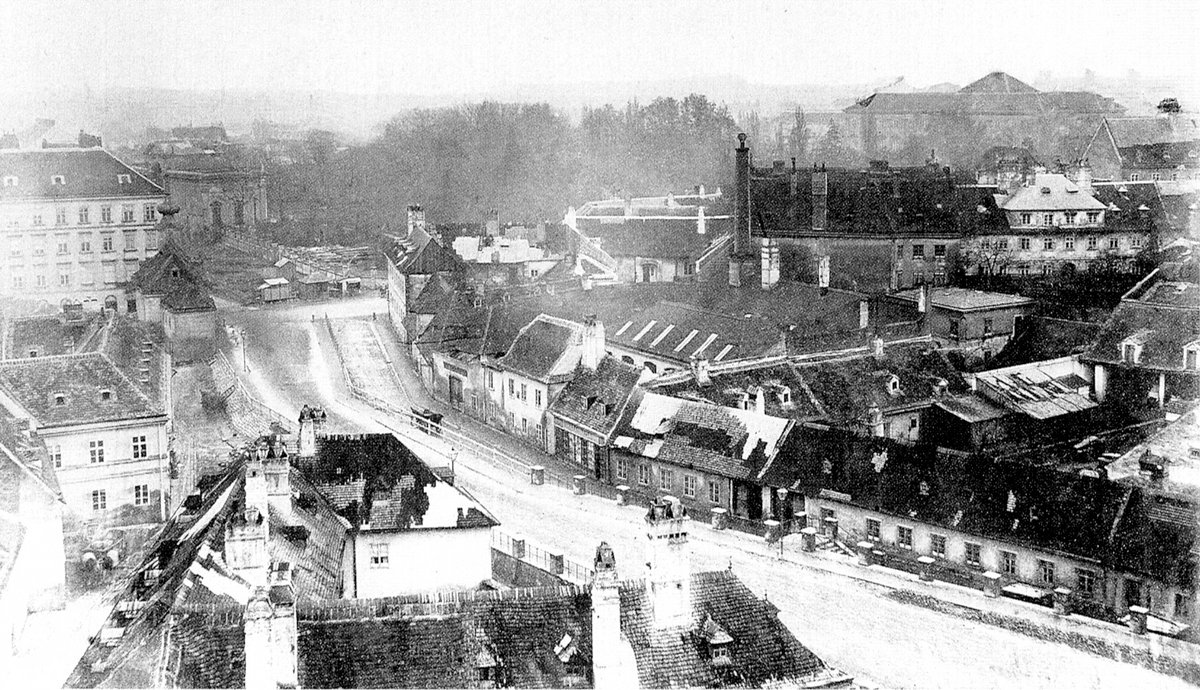
The lands comprising Rudolfsheim-Fünfhaus were initially rural, with villages like Reindorf, Braunhirschen, and Rustendorf developing after the 1683 Turkish siege of Vienna (Wikipedia). In 1863, these merged as Rudolfsheim, named for Crown Prince Rudolf (TravelsHelper). Fünfhaus (“Five Houses”) and Sechshaus further contributed to the district’s evolving character, each bringing distinct social and economic influences (TravelsHelper).
Integration into Vienna
In 1890, Vienna’s rapid expansion brought Rudolfsheim, Fünfhaus, and Sechshaus into the city limits (Wikipedia). Initial administrative boundaries changed over time, with the present-day 15th district, Rudolfsheim-Fünfhaus, officially established in 1938 and named as such since 1957 (Wikipedia).
Industrialization and Urban Renewal
The late 19th and early 20th centuries saw dramatic urbanization, with factories, tenement housing, and a diverse workforce shaping the district’s social and architectural landscape. Recent decades have focused on urban renewal, revitalizing public spaces and preserving historic buildings (Evendo).
Administrative Evolution
The district office (Bezirksamt) was established alongside the district’s formation and remains a focal point for municipal services and community engagement. Its building is a notable example of Gründerzeit architecture, reflecting the district’s late-19th-century growth and Vienna’s administrative modernization (Stadt Wien).
Architectural and Cultural Highlights
Baroque and Religious Heritage
- Mariensäule (Marian Column) A bronze and stone monument on Henriettenplatz, commemorating Vienna’s endurance through historical crises (Evendo).
- Church of St. Laurenz Showcases Baroque ecclesiastical architecture.
- Visiting Hours Mariensäule is always accessible; the church is open during services and scheduled tours (check ahead for details).
Urban Development
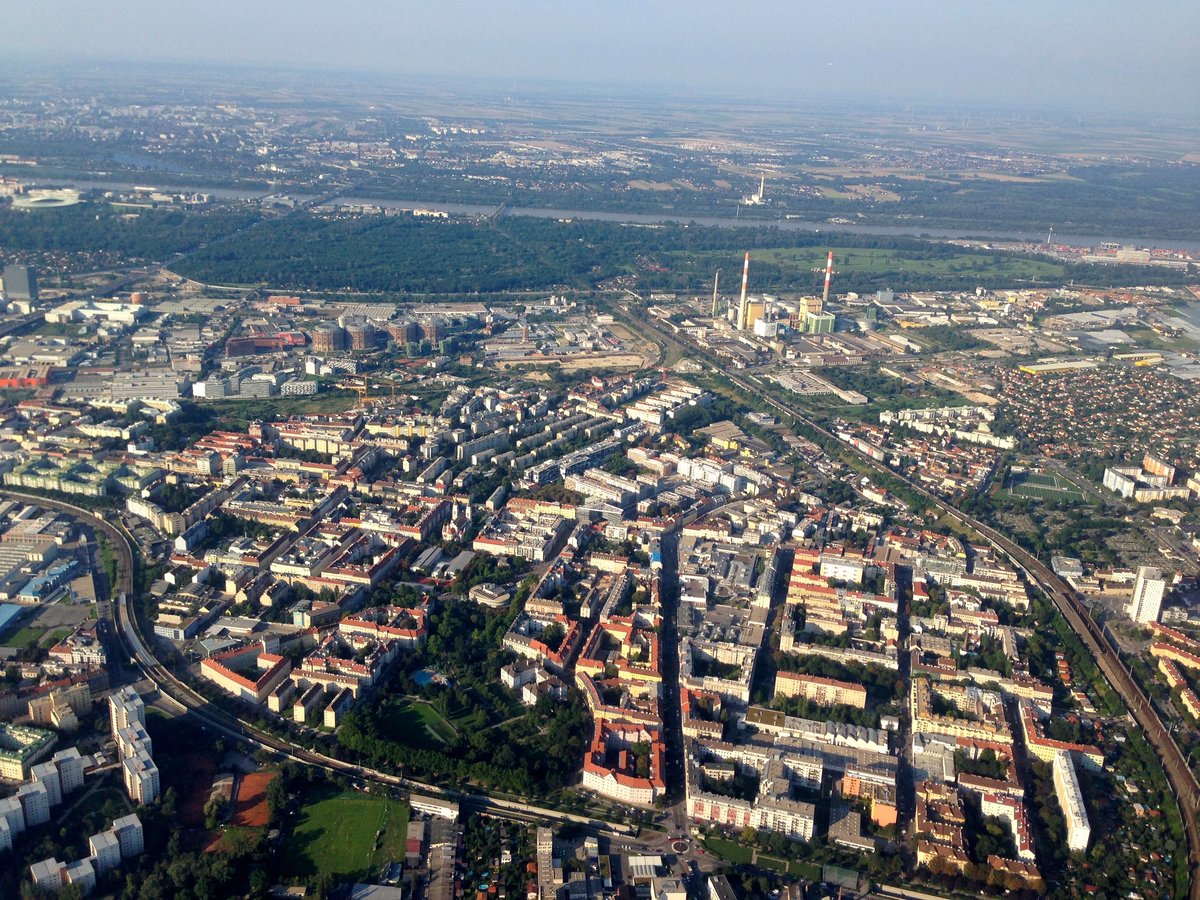
The majority of Rudolfsheim-Fünfhaus’s area is residential (over 80%), with dense blocks of historicist and Gründerzeit-style buildings (Wikipedia). The district is characterized by a blend of preserved architecture and vibrant street life.
Modern Cultural Venues
- Brick-5 Former factory turned cultural venue, hosting exhibitions and performances (Vienna Würstelstand).
- Wiener Stadthalle Vienna’s largest indoor arena, hosting concerts and sporting events (Vienna Stadthalle Official Site).
- Westbahnhof Major railway and transport hub (Vienna Tourist Information).
Visiting Tips:
- Check venue websites for event schedules and ticketing.
- Stadthalle and Westbahnhof are fully accessible.
District Office: Services and Visiting Information
Location: Rosinagasse 4, 1150 Vienna
Opening Hours: Monday–Friday 8:00 am–3:30 pm (Thursdays until 5:30 pm); check for holiday changes (Stadt Wien).
Entry: Free; appointments required for most administrative services.
Visitor Services:
- Lost and found
- Event permits
- Tourist information point (local attractions, transit, emergency contacts)
- Multilingual support for expatriates
The office also leads sustainability and urban development projects, including green space expansion and historic preservation.
Getting There and Travel Tips
Public Transport:
- U-Bahn U3 and U6 (Westbahnhof and other nearby stations)
- Tram/Bus Numerous lines connect the district
- Bike Sharing Stations available for eco-friendly travel
Accessibility:
- Major venues and the District Office are wheelchair accessible.
Best Time to Visit:
- Spring to early autumn for outdoor events and pleasant weather.
Demographics and Community Life
Rudolfsheim-Fünfhaus is Vienna’s most multicultural district, home to significant Turkish, Serbian, and other immigrant communities (Vienna Tourist Information). German is the official language, but many others are spoken in markets and shops. The district’s religious landscape is diverse, with Catholic, Muslim, and Orthodox communities (Wikipedia).
Green Spaces and Urban Structure
With over half its area developed and robust transport infrastructure, green spaces like Auer-Welsbach-Park and smaller gardens offer respite from the urban bustle (Wikipedia).
Local Landmarks and Memory
- Former Synagogue on Turner Street A site of memory for the district’s once-thriving Jewish community, destroyed in 1938 (Wikipedia).
- Meiselmarkt Lively market with multicultural food stalls (Vienna Tourist Information).
- Public Art Street art and monuments, including the Lobkowitzbrücke and local murals.
Nearby Attractions
- Schönbrunn Palace Vienna’s imperial landmark, easily reached by tram.
- Hours 8:30 am–5:30 pm (seasonal variations, check official site).
- Ticketing Online or on-site; options include Grand Tour, Imperial Tour, or combined tickets.
- Accessibility Fully accessible, with guided tours, audio guides, and family-friendly amenities.
- Mariahilfer Straße Vienna’s premier shopping avenue, bordering the district.
- Brunnenmarkt Open daily, renowned for multicultural foods and atmosphere.
FAQs
Q: What are the hours for key Rudolfsheim-Fünfhaus attractions?
A: Public monuments are accessible year-round; museums and venues have specific hours—always check ahead.
Q: How do I reach Rudolfsheim-Fünfhaus?
A: U-Bahn lines U3/U6, trams, and buses all serve the district.
Q: Are guided tours available?
A: Yes—check with the Bezirksmuseum Rudolfsheim-Fünfhaus and local operators.
Q: Is the district safe and accessible?
A: The area is generally safe with good infrastructure for disabled visitors.
Q: How do I visit Schönbrunn Palace from the district?
A: Take tram or U4 subway; see the Schönbrunn Palace Official Site for details.