

History & Origins
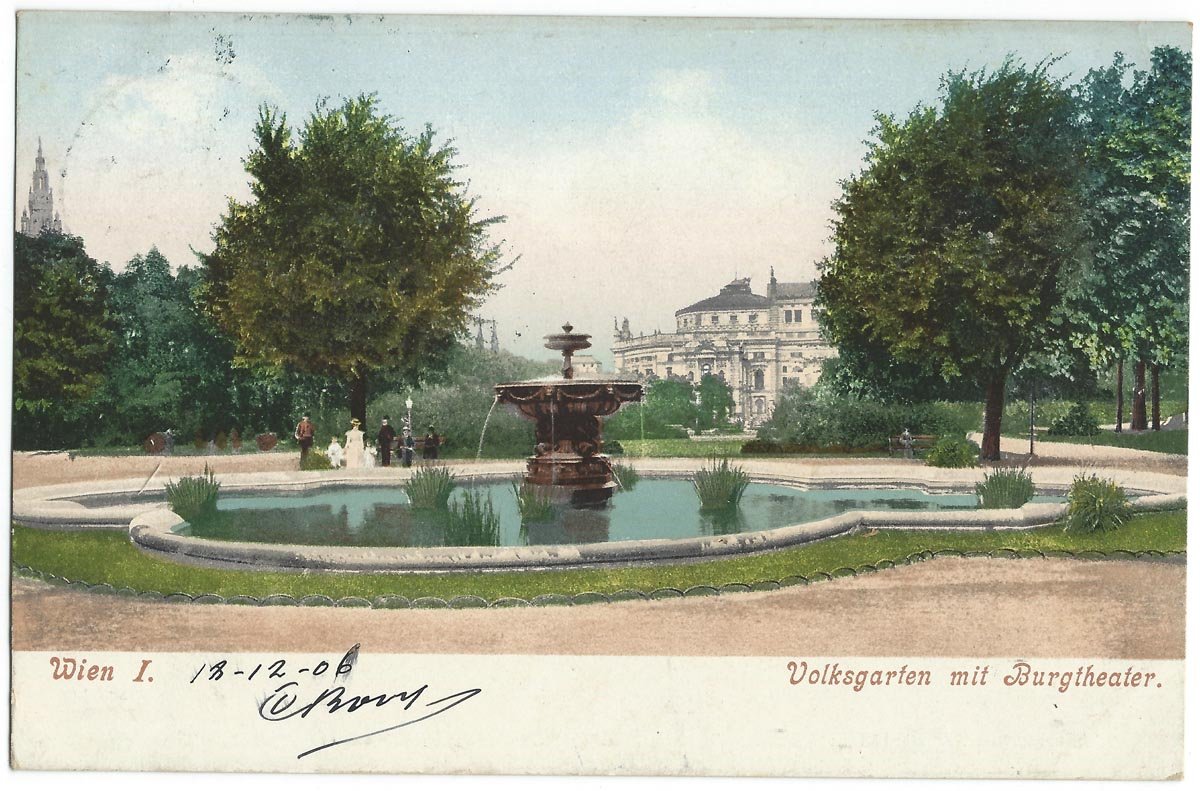
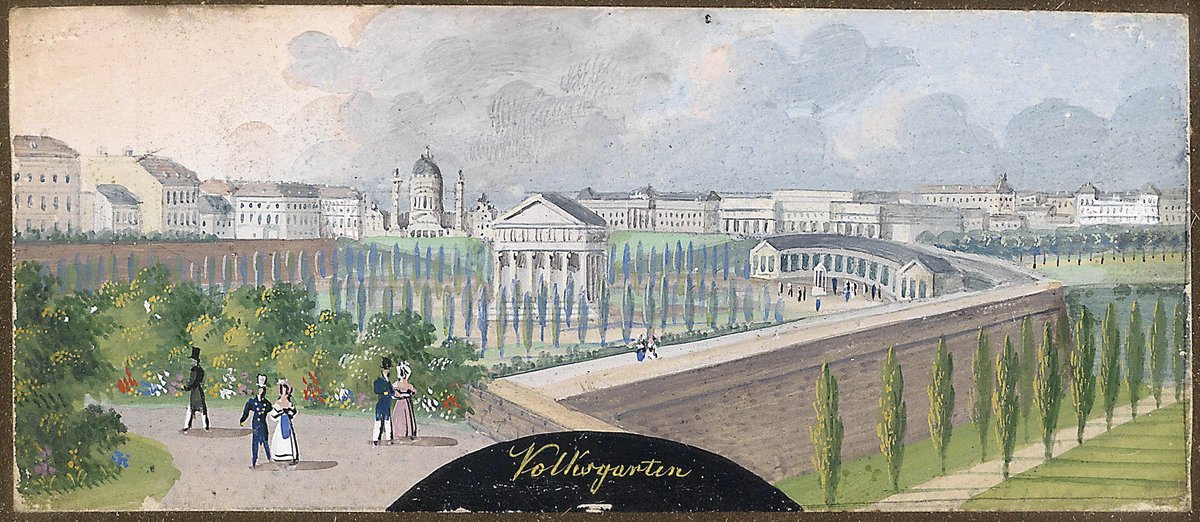
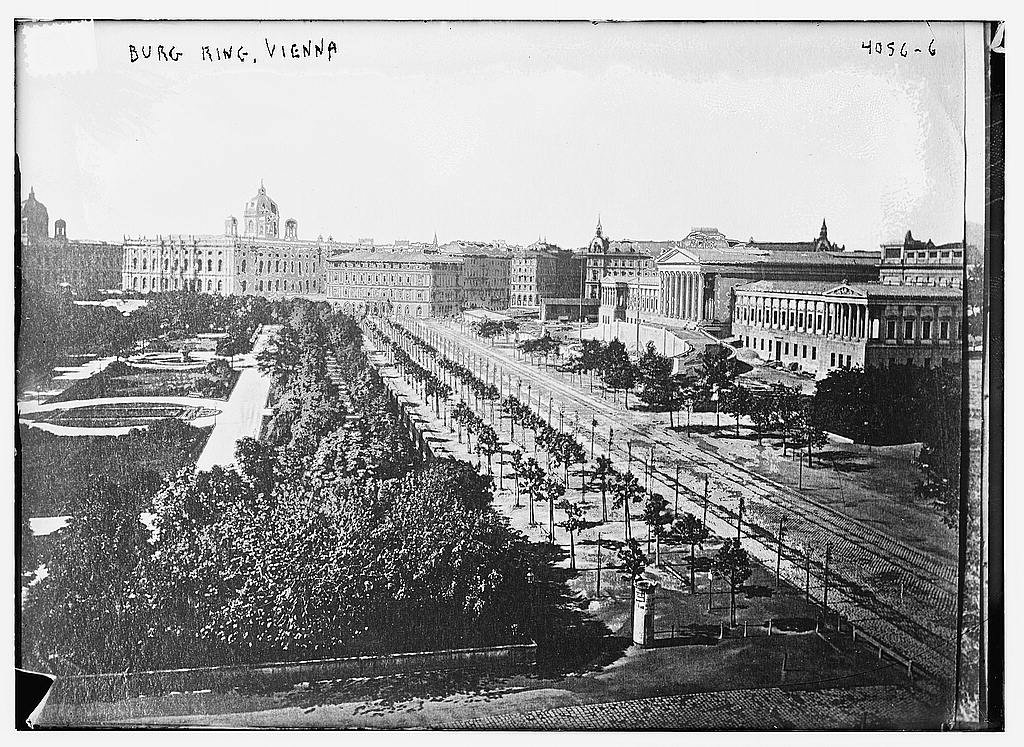
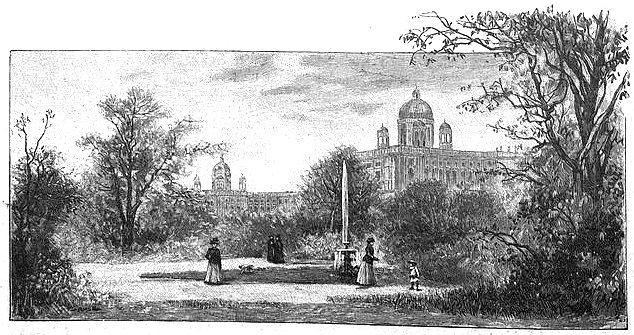
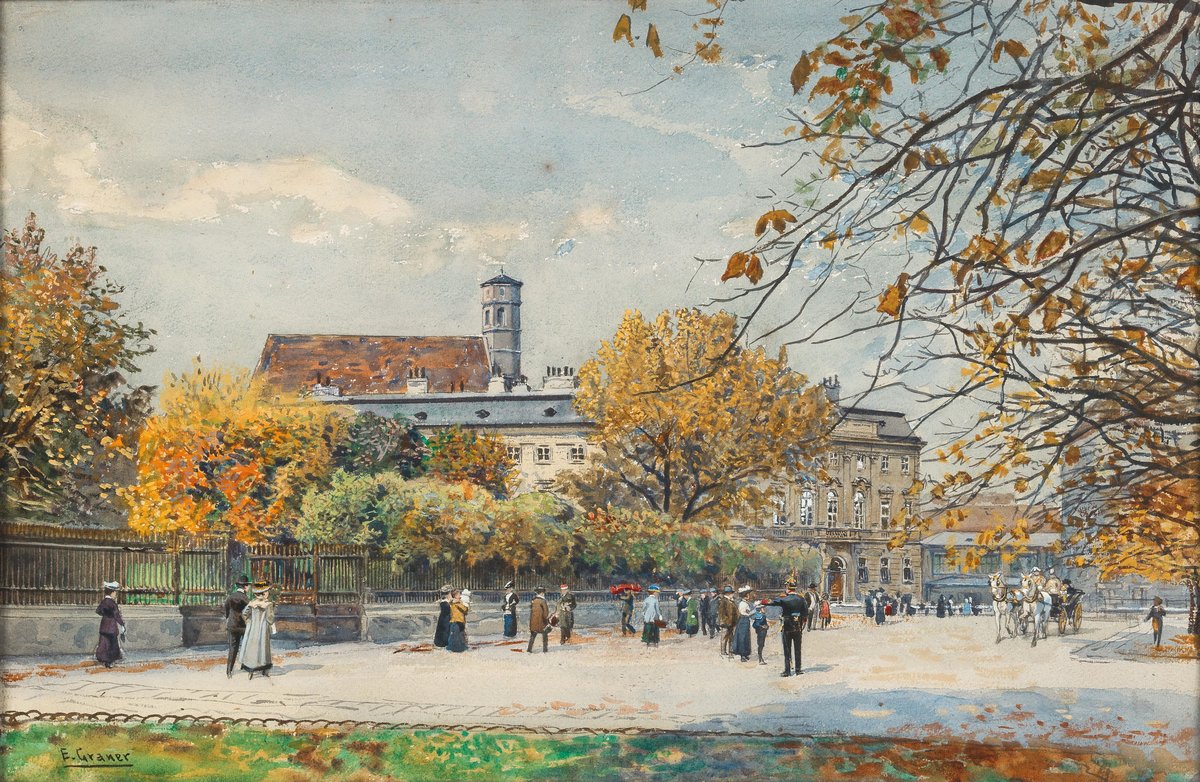
The Volksgarten opened in 1823, symbolic of Vienna’s transition from military stronghold to enlightened metropolis. Built atop the ruins of the city’s demolished fortifications after the Napoleonic Wars, the park embodied ideals of public accessibility and civic pride promoted by the Habsburg monarchy (GPSmyCity). Its establishment marked a shift towards green, communal spaces in urban planning, reflecting broader European Enlightenment values.
Architectural & Landscape Features
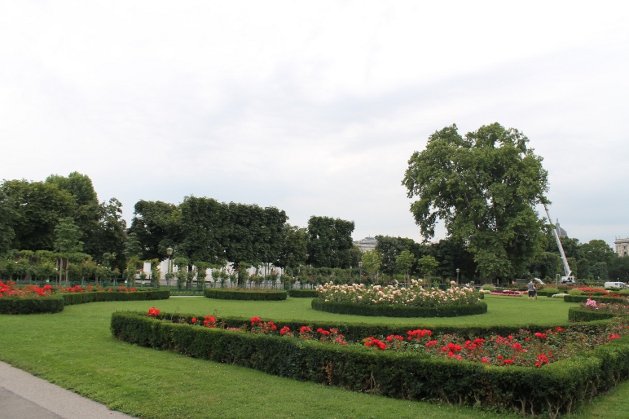
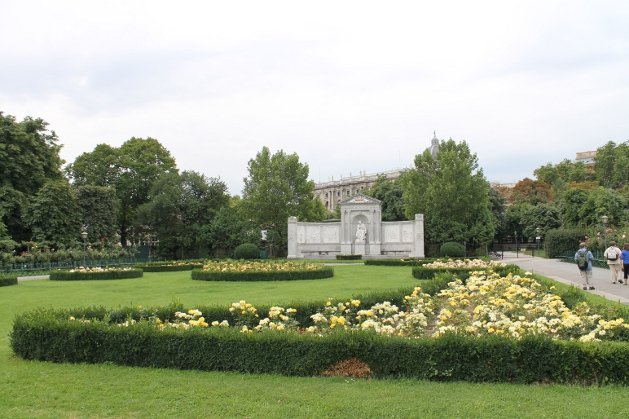
The Volksgarten’s design marries French formal garden symmetry with English landscape elements. The park’s geometrically arranged flowerbeds, gravel paths, and manicured lawns are interspersed with shaded avenues and open lawns for rest and recreation. At the heart stands the Theseus Temple, a neoclassical structure inspired by Athens’ Temple of Hephaestus, serving as both visual centerpiece and venue for cultural events (Vienna Tourist Information).
Fountains and statues, such as the Nymph Fountain and various marble monuments, punctuate the landscape, offering focal points for contemplation and photography. Elegant ironwork fencing and stone benches add to the park’s classical charm.
Botanical Highlights: The Rose Garden
A signature attraction, the Volksgarten’s rose garden features over 3,000 bushes from more than 200 cultivars (Free Tours by Foot). The roses, planted in meticulous geometric patterns, reach peak bloom from late May through June, transforming the park into a vibrant mosaic of color and fragrance. Each variety is labeled, making the garden a living museum for horticulture enthusiasts.
The park’s mature trees—horse chestnuts, lindens, and plane trees—provide ample shade, while perennial borders and seasonal flower beds ensure year-round visual interest.
Key Monuments & Landmarks
Theseus Temple
A striking replica of an ancient Greek temple, designed by Pietro Nobile (1819–1823), the Theseus Temple originally displayed Antonio Canova’s “Theseus and the Minotaur.” Today, it is used for art exhibitions and as a popular photo spot (A View on Cities).
Empress Elisabeth (“Sisi”) Monument
Completed in 1907, this white marble memorial honors Empress Elisabeth of Austria and is set in a tranquil garden, surrounded by roses (RJ On Tour).
Franz Grillparzer Monument
Erected in 1889, this monument celebrates Austria’s renowned dramatist and includes reliefs depicting scenes from his plays (Evendo).
Julius Raab Memorial
A modern monument dedicated to the Austrian chancellor pivotal in the country’s mid-20th-century history (Evendo).
Fountains & Sculptures
The park’s water features, including the Nymph Fountain and a bronze sculpture of a young athlete, provide artistic and sensory enrichment.
Café Meierei Volksgarten
Originally a water reservoir, later a milk hall, and a gathering place for composers like Johann Strauss, the café now offers refreshments with garden views (Evendo).
Integration with Vienna’s Urban Fabric
Volksgarten’s central location along the Ringstrasse situates it near the Hofburg Palace, Burgtheater, Parliament, and MuseumsQuartier. Its open design and strategic entrances make it a natural extension of Vienna’s cityscape, accessible for both spontaneous visits and planned tours.
Visiting Hours, Tickets & Accessibility
- Opening Hours
- April–October: 06:00–22:00
- November–March: 07:00–17:30 (All About Vienna; City Walks Vienna)
- Admission Free for all visitors (Trek Zone)
- Accessibility Flat, paved paths throughout; wheelchair- and stroller-friendly; benches and shaded areas are plentiful.
Getting There & Nearby Attractions
Entrances:
- Heldenplatz (near Hofburg)
- Burgtheater (Ringstraße)
- Across from Parliament
Public Transport:
- U-Bahn: U2, U3 (Volkstheater, Herrengasse stations)
- Trams: 1, 2, D, 71, 46, 49 (Ring/Volkstheater)
- Buses: N25, N38, N60, N66
Nearby Sights:
- Hofburg Palace (7 mins walk)
- Austrian Parliament (adjacent)
- Kunsthistorisches & Natural History Museums (6 mins walk)
- Palais Epstein (2 mins walk)
- Minoritenkirche (7 mins walk) (Trek Zone)
Events & Activities
Seasonal & Cultural Events
Volksgarten’s musical legacy continues today with open-air concerts, art exhibitions, and occasional public performances, especially in spring and summer (Awesome Vienna). The park’s rose garden is a favorite for wedding photography and leisurely strolls during peak bloom (Wikipedia).
Though the park itself does not host large-scale festivals, its location near Rathausplatz and the Hofburg makes it a convenient retreat during citywide events like Vienna Pride or the Rathausplatz Film Festival (Visiting Vienna).
Recreational Activities
- Walking & Jogging Well-maintained paths for exercise and relaxation.
- Picnicking Grassy lawns and shaded benches welcome visitors for informal meals (All About Vienna).
- Photography Best during golden hour; highlights include rose gardens and monuments (City Walks Vienna).
- People-Watching Central location makes it ideal for observing city life (Trek Zone).
The Volksgarten Club: Nightlife
Adjacent to the park, the Volksgarten Club blends imperial elegance with modern nightlife, hosting legendary parties and music events (MyGlobalViewpoint). This unique venue offers both indoor and outdoor spaces, connecting Vienna’s historic charm with its contemporary cultural scene.
Visitor Tips & Practical Information
- Best time to visit Late May to June for peak rose bloom; early morning or late afternoon for tranquility and optimal photography.
- Amenities Café Meierei (open seasonally), ample benches, public toilets nearby.
- Regulations
- Dogs must be leashed; owners must clean up after them.
- No cycling, ball games, or climbing on monuments.
- Picnics are allowed; maintain cleanliness.
- Guided Tours Available via local providers and the Vienna tourism office, especially during rose season (Vienna Tourist Information).
FAQs
Q: Is there an entrance fee?
A: No, admission is free.
Q: What are the visiting hours?
A: April–October: 06:00–22:00; November–March: 07:00–17:30.
Q: Is the park accessible for wheelchairs and strollers?
A: Yes, all paths are flat and paved.
Q: Are guided tours available?
A: Yes, through Vienna tourism providers—especially during rose bloom season.
Q: Can I picnic in the park?
A: Yes, but please respect park rules and cleanliness.
Q: Are pets allowed?
A: Dogs are allowed on a leash.
Q: When is the best time to see the roses?
A: Late May through June is peak bloom.