What is the Lainz Tunnel?
The Lainz Tunnel (Lainzer Tunnel) is a double-track, underground railway tunnel running beneath Vienna’s 10th to 13th districts. Designed for high-speed passenger trains (up to 160 km/h) and freight trains (up to 120 km/h), it ensures seamless rail connectivity between key Austrian and European lines. By diverting rail traffic underground, the tunnel alleviates noise, air pollution, and congestion at the surface, especially in Vienna’s densely populated western districts.
History and Strategic Importance
Initiated in the late 1990s and completed in 2012, the Lainz Tunnel was conceived to modernize Vienna’s rail network and enable direct, high-speed transit through the city. Prior to its construction, international trains were often delayed by surface-level congestion and inefficient routing. The tunnel’s integration forms a continuous 26-kilometer underground rail corridor, especially when combined with the Wienerwald Tunnel, reinforcing Vienna’s status as a central European transport hub.
The Lainz Tunnel is a critical segment of the "Magistrale for Europe" project, connecting Western and Eastern Europe and streamlining transcontinental travel.
Engineering Highlights
The tunnel’s construction utilized advanced mined tunneling and cut-and-cover methods to navigate Vienna’s urban landscape. Key technical features include:
- Length Approximately 12.8 km for the main tunnel, extending to 15.4 km with connections.
- Structure Single-tube, dual-track design.
- Noise and Vibration Control Use of mass-spring track systems and sophisticated slab track to minimize impact on residential areas.
- Safety Systems Equipped with 28 emergency exits, fire-resistant concrete, modern fire protection, ETCS Level 2 signaling, emergency galleries, and ventilation shafts.
- Construction Timeline Built between 1999 and 2010, minimizing surface disruption and preserving the Lainzer Tiergarten above.
Visitor Information
Visiting Hours & Tours
- Tunnel Access The Lainz Tunnel is an active rail corridor and not open to the public. There are no tours, tickets, or direct visiting hours.
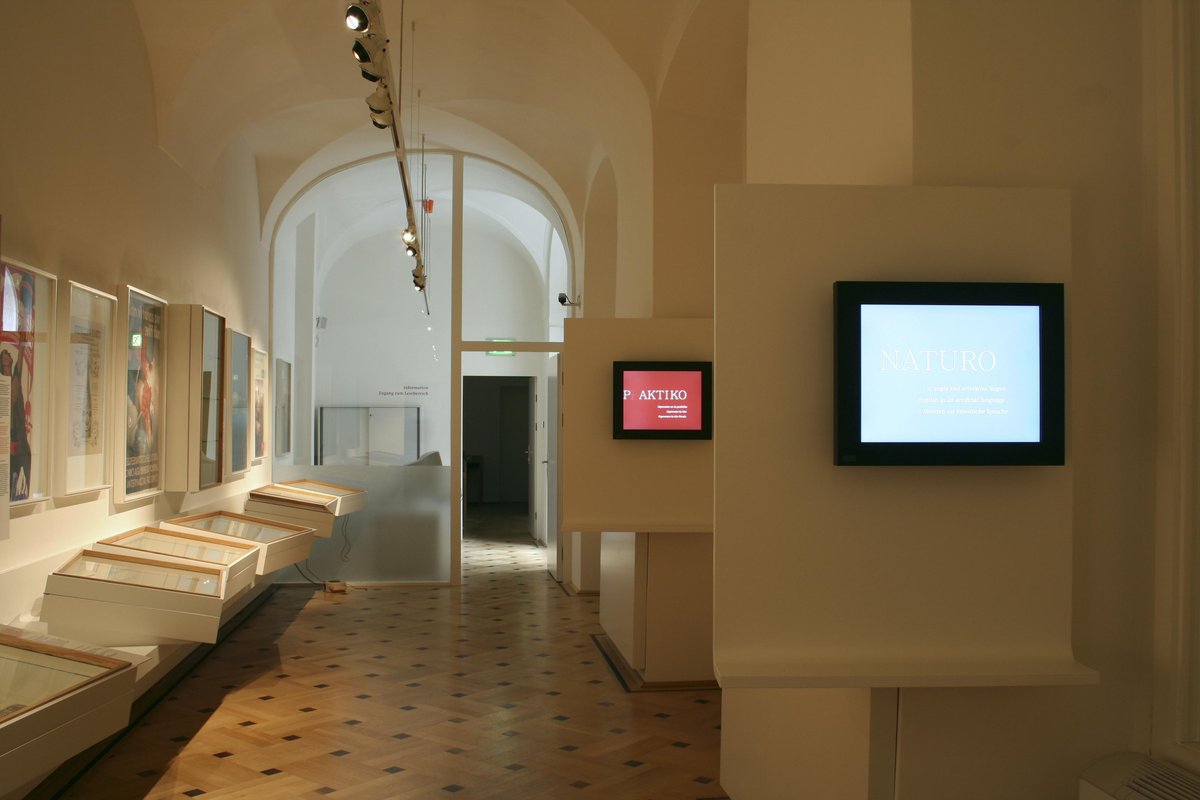
- Learning Opportunities Vienna’s Railway Museum and select guided city tours offer information about the tunnel’s construction, significance, and impact on Vienna’s transit system.
Accessibility
- Public Transport The area above the tunnel is well-served by Vienna’s S-Bahn, U-Bahn (notably the U6), tram lines (60, 62), and buses. Wien Hauptbahnhof (Central Station) is a key access point for train travelers.
- Barrier-Free Travel Vienna’s transport network is highly accessible, with elevators, ramps, tactile guidance, and accessible restrooms at major stations. The Vienna Tourist Board provides detailed accessibility resources.
Nearby Attractions and Historical Sites
Though the tunnel itself cannot be visited, there are several notable attractions in the surrounding districts:
- Lainzer Tiergarten This expansive nature reserve, once an imperial hunting ground, is perfect for hiking and wildlife observation. It also houses the Hermesvilla, a museum and historic villa.
- Hermesvilla Located within the Lainzer Tiergarten, this “palace of dreams” was built for Empress Elisabeth and features exhibits on Viennese imperial life.
- Vienna Central Station (Wien Hauptbahnhof) This major rail hub is a prime example of modern station architecture, serving as a gateway to Vienna and the greater region.
- Schloss Hetzendorf A nearby Baroque palace with picturesque gardens, open for occasional events and tours.
- Schönbrunn Palace Vienna’s world-famous palace and UNESCO site is easily accessible from the same district.
Photo Spots and Special Events
While the tunnel is underground, the above-ground ventilation shafts and portals can be seen in Vienna’s western districts—ideal for railway and urban infrastructure photography. Occasionally, city tours or exhibitions focus on Vienna’s transport achievements, including the Lainz Tunnel, so check local listings for upcoming events.
Safety and Accessibility
Tunnel Safety
- State-of-the-Art Features The Lainz Tunnel is equipped with fire-resistant materials, modern signaling, emergency exits, and advanced ventilation to ensure operational safety.
- Public Access To maintain safety, public entry is strictly prohibited.
Safety for Visitors
- Districts and Parks The Hietzing district, Lainzer Tiergarten, and surrounding areas are safe, well-patrolled, and suitable for families. Paths in the Tiergarten are well-marked, but visitors should wear sturdy footwear, especially in winter.
Frequently Asked Questions (FAQs)
Q: Can I visit or tour the Lainz Tunnel?
A: No, the tunnel is not open to the public due to operational and safety restrictions.
Q: Are there tours or exhibits related to the tunnel?
A: While there are no tours inside the tunnel, Vienna’s Railway Museum and select guided city tours provide information about the tunnel’s significance.
Q: How do I reach the Lainzer Tiergarten or Hermesvilla?
A: Use tram line 60 or bus lines 253 and 354 to reach the Lainzer Tor entrance.
Q: Is the tunnel visible from the surface?
A: Portions such as ventilation shafts and portals are visible in certain districts and can be photographed.
Q: What are the accessibility features of nearby attractions?
A: Wien Hauptbahnhof is fully accessible. The Hermesvilla offers step-free access to the ground floor, but upper floors are not accessible.
Planning Your Visit
- Best Time to Visit Spring through autumn for comfortable park exploration.
- Accessibility Vienna’s public transport and major attractions are accessible for visitors with mobility needs.
- Travel Tips Combine your journey with visits to the Lainzer Tiergarten, Hermesvilla, and Schönbrunn Palace for a well-rounded experience.