History and Significance
Origins and Historical Context
Time Travel Vienna was conceived to provide an engaging way to experience Vienna's past, from its early days to modern times. Housed in a historical building dating back to the 16th century, it adds an authentic touch to the experience. Vienna was originally a Roman military camp called Vindobona, established around 15 BC. Over the centuries, Vienna grew in importance, becoming a key center of the Holy Roman Empire and later the Austro-Hungarian Empire.
The Habsburg Dynasty
One of the most significant periods in Vienna's history is the reign of the Habsburg dynasty, who ruled Austria and much of Europe for over six centuries. Under their rule, Vienna became a center of art, music, and intellectual thought. The city's architecture, including the Hofburg Palace and Schönbrunn Palace, reflects the grandeur and opulence of the Habsburg era. Time Travel Vienna offers an immersive experience through interactive exhibits and multimedia presentations, including a 5D cinema that takes visitors on a virtual journey through Vienna's history, including the Habsburg era.
World War I and II
The early 20th century was tumultuous for Vienna. The assassination of Archduke Franz Ferdinand in 1914 triggered World War I, leading to the eventual collapse of the Austro-Hungarian Empire. During World War II, Vienna was heavily bombed and many historic buildings were damaged or destroyed. Time Travel Vienna provides a poignant look at this period, highlighting the resilience of its people.
The Cold War and Modern Vienna
After World War II, Vienna became a neutral ground for diplomacy during the Cold War. Today, Vienna is known for its high quality of life, cultural heritage, and vibrant arts scene. Time Travel Vienna captures this transformation, showcasing the city's journey from a war-torn past to a thriving, modern metropolis.
Cultural Significance
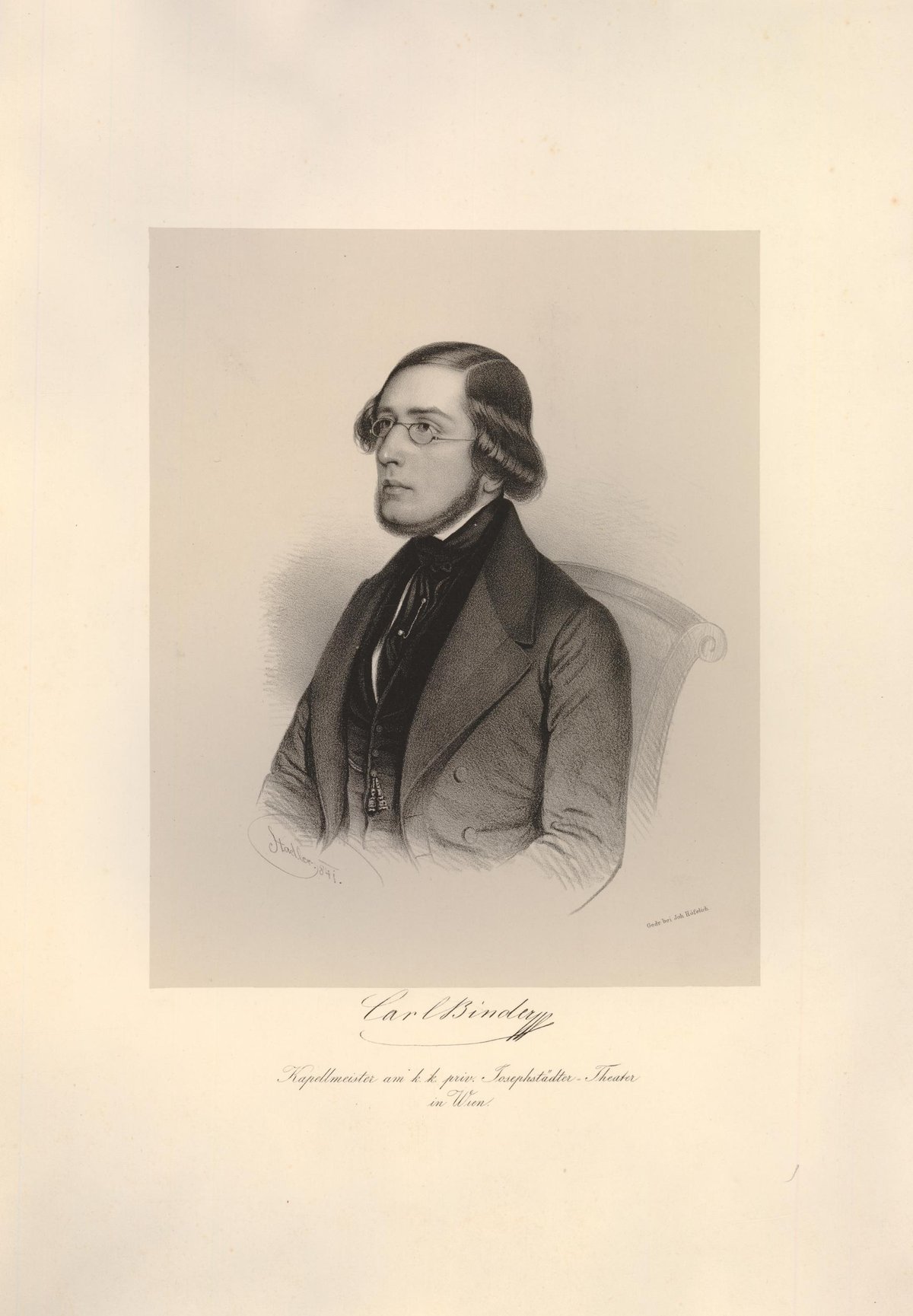
Vienna has been home to some of the world's greatest composers, including Mozart, Beethoven, and Johann Strauss. The Vienna State Opera and the Musikverein are renowned for their performances. Time Travel Vienna celebrates this rich musical heritage with exhibits dedicated to these famous composers and their works.
Visitor Information
Ticket Prices and Opening Hours
Tickets for Time Travel Vienna can be purchased online or at the venue. Prices vary depending on age and group size. The attraction is open daily from 10 AM to 8 PM, with last admission at 7 PM.
Travel Tips
- Best time to visit Early mornings or late afternoons to avoid crowds.
- What to wear Comfortable shoes and casual attire.
- Photography Allowed in designated areas only.
Accessibility
Time Travel Vienna is wheelchair accessible. There are also facilities for visitors with hearing impairments.
Visitor Experience
Guided Tours
Guided tours are available in multiple languages and provide in-depth insights into Vienna's history.
5D Cinema and Interactive Exhibits
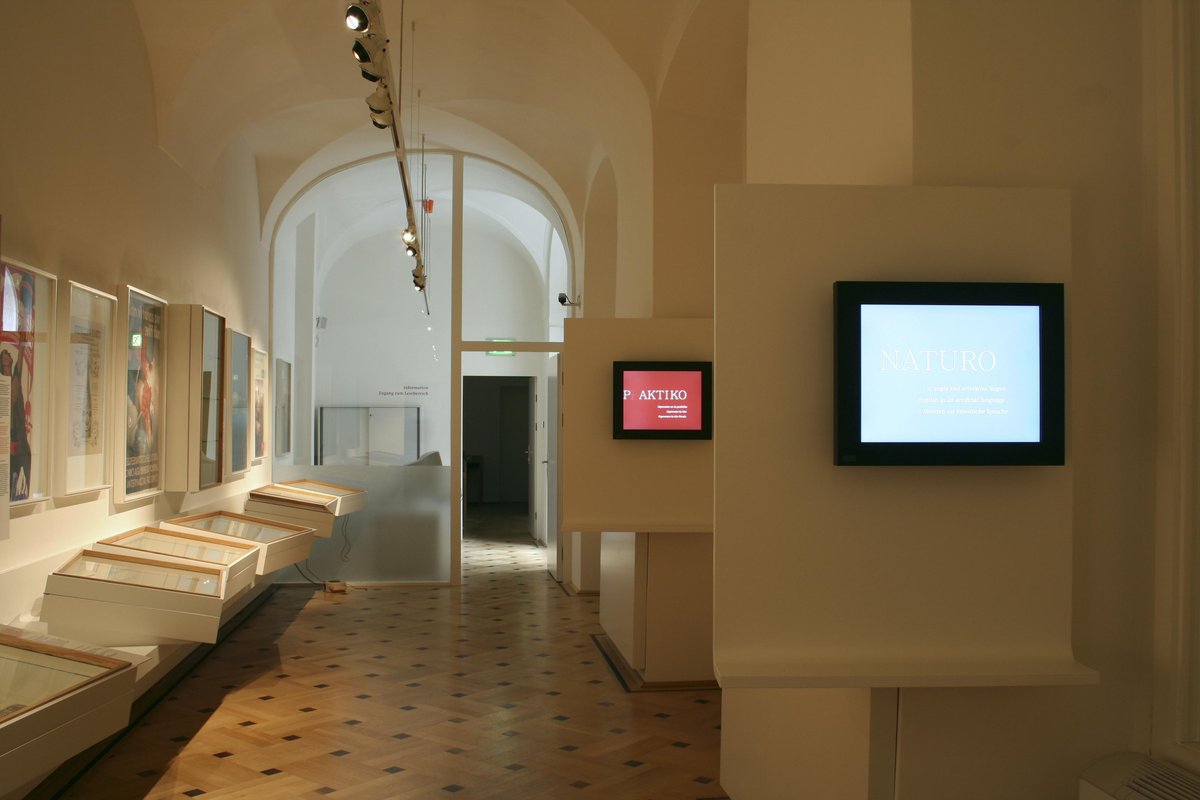
The 5D cinema features moving seats, wind, and other special effects to immerse visitors in Vienna's history. Other exhibits include a replica of a medieval street and exhibits dedicated to the Habsburgs, World War I and II, and the Cold War.
Special Events and Photographic Spots
Time Travel Vienna hosts special events throughout the year. Photographic spots are available for capturing memorable moments.
Educational Value
Time Travel Vienna serves as an educational resource with guided tours and programs for school groups. The interactive nature of the exhibits encourages engagement and learning.
Nearby Attractions
- St. Stephen's Cathedral A Gothic masterpiece located nearby. (St. Stephen's Cathedral)
- Hofburg Palace The former imperial palace in the center of Vienna. (Hofburg Palace)
- Vienna State Opera A world-renowned opera house. (Vienna State Opera)
FAQ
- What are the opening hours of Time Travel Vienna? 10 AM to 8 PM daily.
- How much are the tickets for Time Travel Vienna? Prices vary; visit the official website for details.
- Is photography allowed? Yes, in designated areas.