
Historical Background
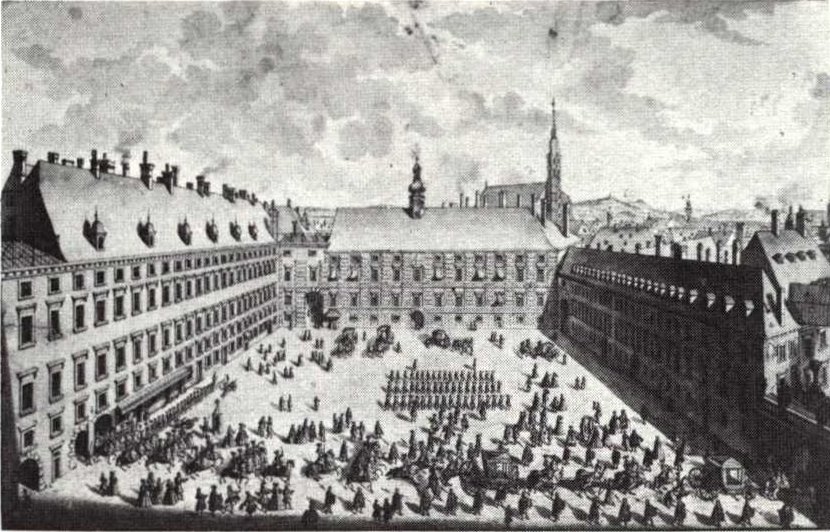
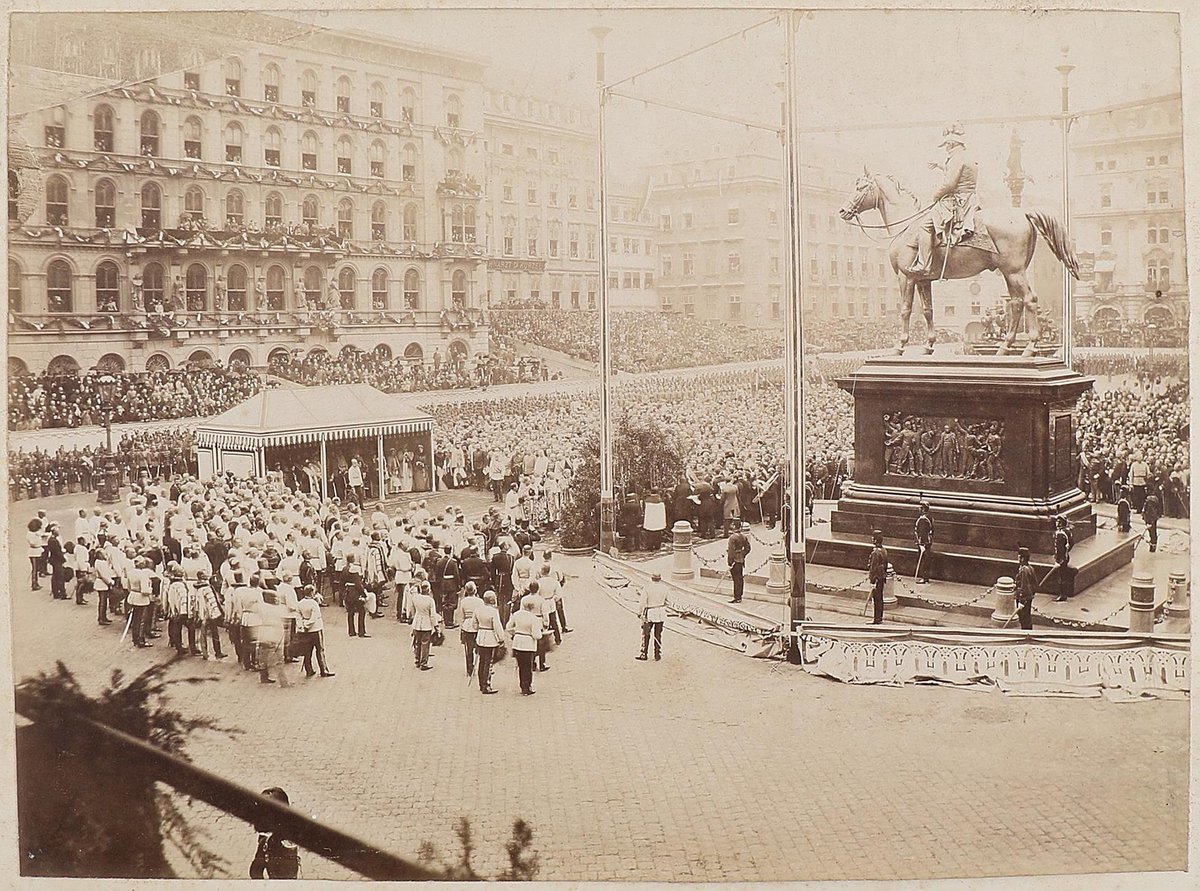
Am Hof Square is one of Vienna’s earliest and most significant public spaces. Its origins trace back to the Roman era, where it served as a military camp for Vindobona (A View On Cities). In the 12th century, the Babenberg dynasty constructed a castle on these Roman foundations, making Am Hof the nucleus of ducal power until 1220. As Vienna grew, the square transformed from a ceremonial ducal courtyard and tournament ground into the city’s commercial heart.
By 1221, Vienna enjoyed extensive trading privileges, and Am Hof became a thriving marketplace (Wien.gv.at). Markets dealing in fish, fruit, bread, and other staples flourished here for centuries, interrupted only by shifting regulations and urban development. The square’s legacy as a commercial and civic hub endures in its current role as a venue for Vienna’s beloved seasonal markets.
Architectural Heritage and Landmarks
Roman and Medieval Roots
Archaeological finds reveal Roman barracks beneath Am Hof, connecting visitors to Vienna’s ancient past (Architectural Digest). The medieval street plan and the square’s enduring layout reflect centuries of urban evolution (Visiting Vienna).
The Mariensäule (Madonna Column)
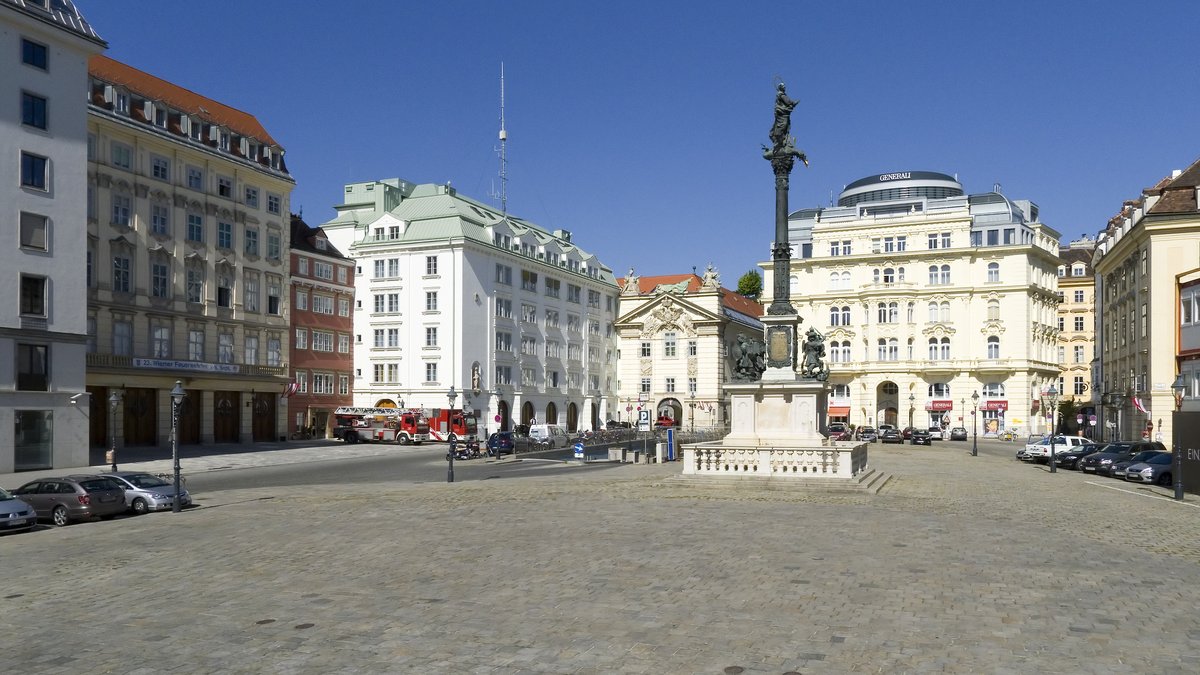
The Mariensäule, erected in 1667, commemorates Vienna’s deliverance from Swedish siege during the Thirty Years’ War (Visiting Vienna). This gilded column features the Virgin Mary atop allegorical bronze figures symbolizing faith, hope, and charity.
Kirche am Hof
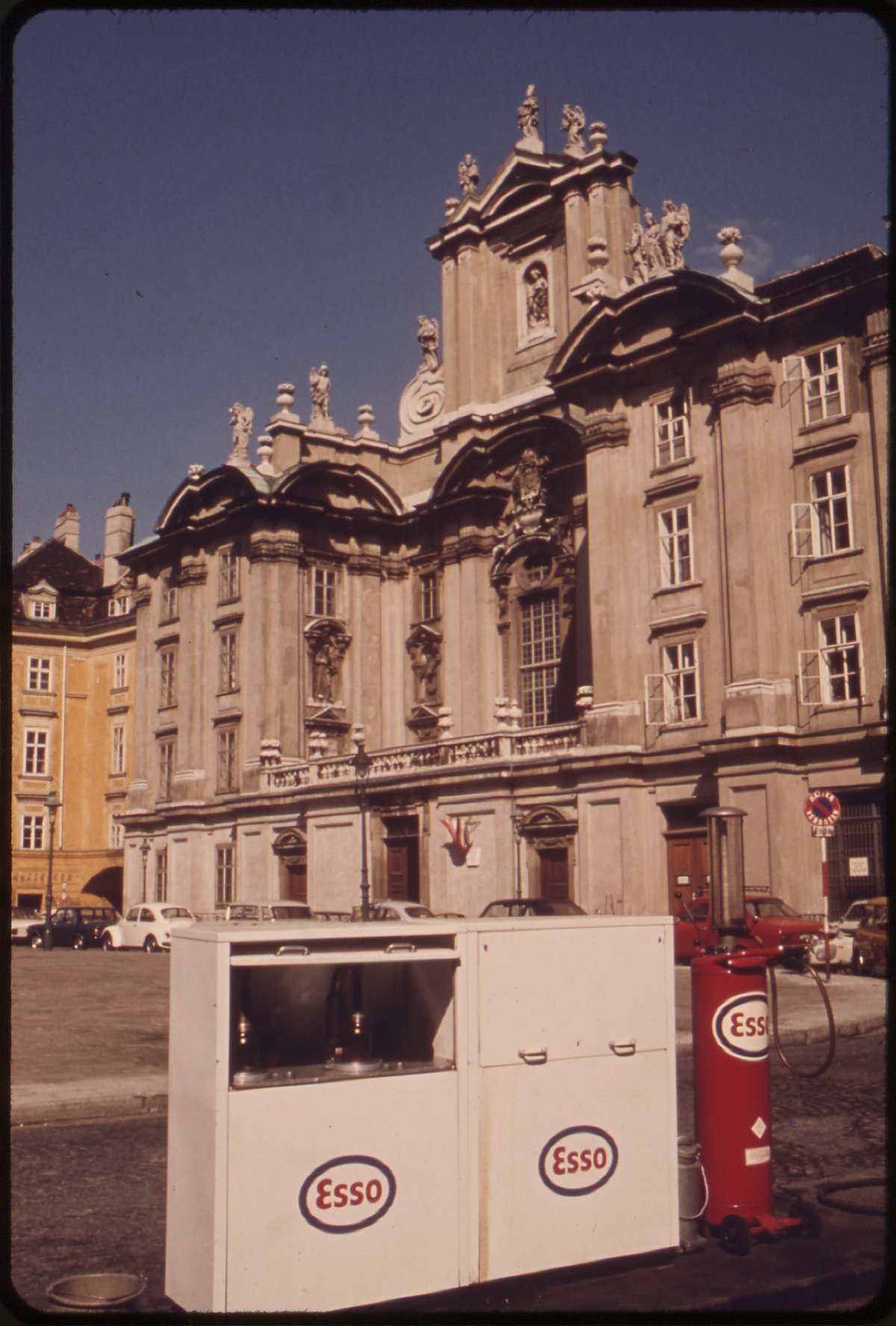
The Kirche am Hof is a monumental church with origins in 1386. Its Baroque façade, remodeled in 1662, is a masterpiece by Carlo Carlone. The church is not only an architectural highlight but also a witness to major historical events, including the 1806 proclamation ending the Holy Roman Empire (A View On Cities). Inside, baroque art and historic relics immerse visitors in Vienna’s spiritual and artistic heritage (Tour My Country).
Notable Townhouses and Palaces
- Palais Collalto (Am Hof 13) Mozart’s first public Vienna performance took place here in 1762 (Visiting Vienna).
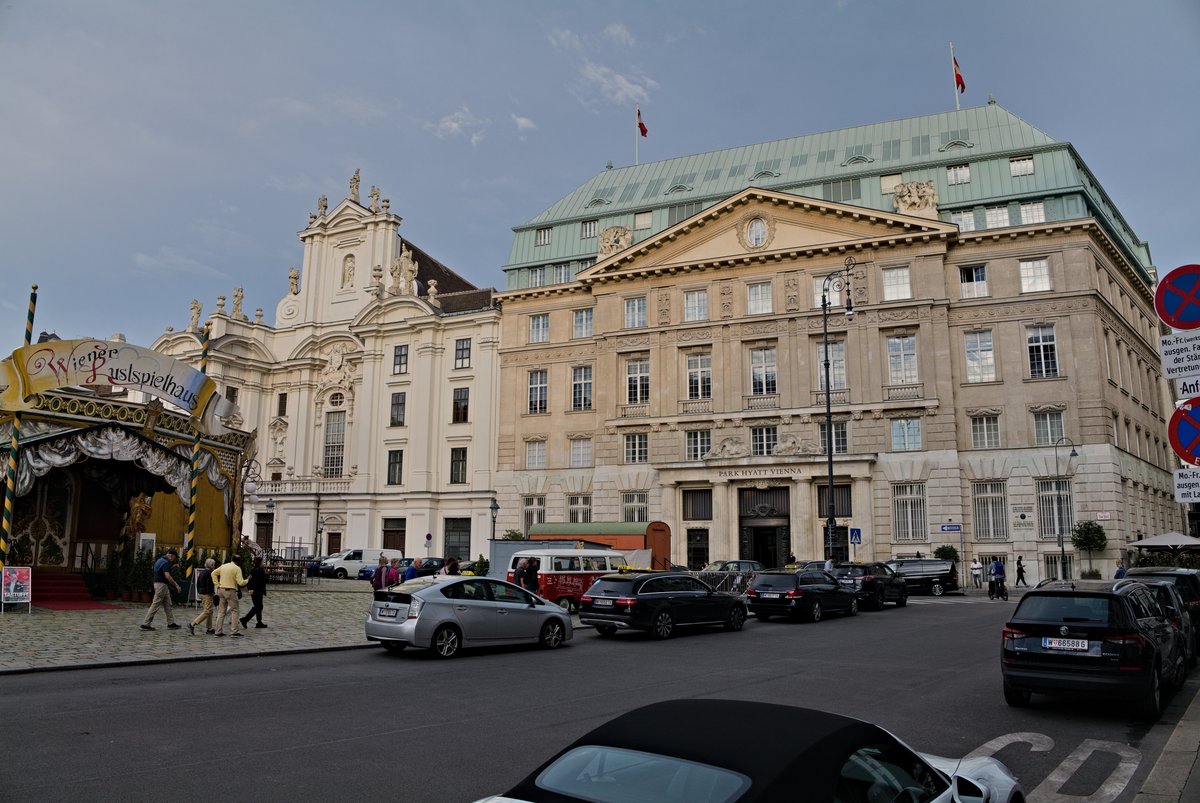
- Park Hyatt Vienna (Am Hof 2) Once a bank, now a luxury hotel, this building exemplifies adaptive reuse of neoclassical architecture (Architectural Digest).
- Bürgerliches Zeughaus (No. 10) The former civil armory features baroque sculptures by Lorenzo Mattielli.
- The Narrow House (No. 8) A Renaissance-era gem, squeezed between the fire brigade premises.
Fire Brigade Museum
The former fire brigade headquarters, now the Feuerwehrmuseum, showcases the history of firefighting in Vienna, including historical engines and equipment (A View On Cities).
Cultural Significance and Living Traditions
Marketplace & Civic Life
Since the 13th century, Am Hof has been a center for commerce, from medieval fish and bread markets to today’s art and antiquity fairs (Wien.gv.at). Seasonal events like the Christmas and Easter markets transform the square into a festive gathering place (Visiting Vienna; Vienna Itineraries).
Religious and Musical Heritage
Kirche am Hof is a major Catholic site, hosting papal blessings and significant liturgical events (Audiala). The square’s musical legacy is highlighted by Mozart’s 1762 performance at Palais Collalto (Visiting Vienna).
Contemporary Culture
Am Hof's open spaces host art fairs, concerts, and festivals such as Vienna Design Week and Wiener Festwochen, making it a lively center for the arts (B2B Wien Info).
Viennese Lifestyle
Am Hof is surrounded by traditional coffeehouses, modern bistros, and specialty shops, inviting visitors to experience Vienna’s café culture (Vienna4u).
Preservation and Adaptive Reuse
The transformation of historic buildings—such as the conversion of the former bank to Park Hyatt Vienna—reflects Vienna’s dedication to heritage preservation and adaptive reuse (Architectural Digest).
Visitor Information: Hours, Tickets & Accessibility
Am Hof Square
- Open 24/7, no admission fee.
- Accessibility Flat, paved, wheelchair-friendly.
Kirche am Hof
- Open Monday–Saturday 9:00 AM–6:00 PM; Sundays 9:00 AM–1:00 PM (check official site for updates).
- Entry Free; donations welcome. Guided tours may require tickets.
Feuerwehrmuseum (Fire Brigade Museum)
- Open Tuesday–Sunday 10:00 AM–5:00 PM (closed Mondays).
- Tickets Approx. €7 for adults; discounts for students, seniors, and groups.
Getting There
- U-Bahn Stephansplatz (U1/U3) or Herrengasse (U3), 5-min walk.
- Tram Lines 1, 2, D.
- Bus Several routes stop nearby.
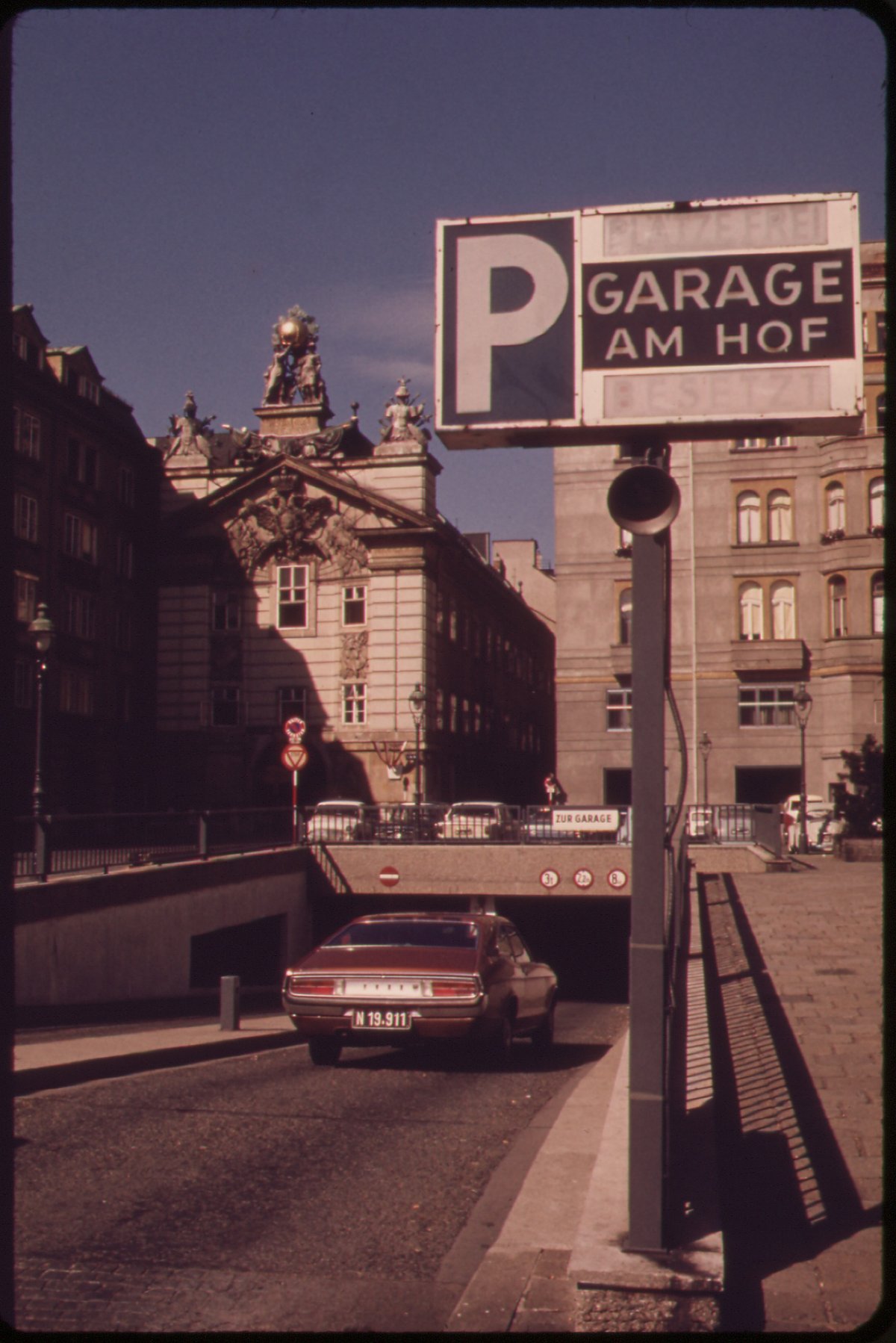
- Parking Limited; public transit recommended.
Accessibility
- Wheelchair access throughout the square and main buildings.
- Accessible restrooms during market events.
- Assistance available on request at major venues.
Markets and Events
Am Hof is famous for its festive markets:
- Easter Market April 4–21, 2025. 11:00 AM–8:00 PM (Fri–Sun from 10:00 AM).
- Christmas Market Nov 14–Dec 23, 2025. 11:00 AM–9:00 PM (Fri–Sun from 10:00 AM). (vienna.at; city-walks.info)
Events feature artisanal crafts, regional foods, music, and children’s programs. Entry is free.
Nearby Attractions, Dining & Shopping
- Hofburg Palace (royal residence and museums)
- St. Stephen’s Cathedral (Gothic landmark)
- Freyung Square (additional markets)
- Graben and Kohlmarkt (shopping streets)
- Traditional cafés and bistros around the square
- Souvenir stalls during market seasons
Travel Tips and Photo Opportunities
- Arrive Early Beat the crowds at popular markets.
- Use Public Transport Parking is limited and expensive in the city center.
- Cash & Cards Bring euros; some market stalls may not accept cards.
- Best Photo Times Dusk for festive lights and architectural shots.
- Guided Tours Enhance your visit with expert-led walking tours.
FAQ
Q: What are Am Hof’s visiting hours?
A: The square is open 24/7. Attractions like Kirche am Hof and the Fire Brigade Museum have set hours.
Q: Is there an entry fee?
A: No fee for the square or markets; some attractions may charge admission.
Q: Is Am Hof wheelchair accessible?
A: Yes, the square and most venues are accessible.
Q: Are guided tours available?
A: Yes, many walking tours include Am Hof.
Q: How do I get there by public transport?
A: Use Stephansplatz or Herrengasse U-Bahn stations; tram and bus lines stop nearby.