
Architectural Origins and Early History
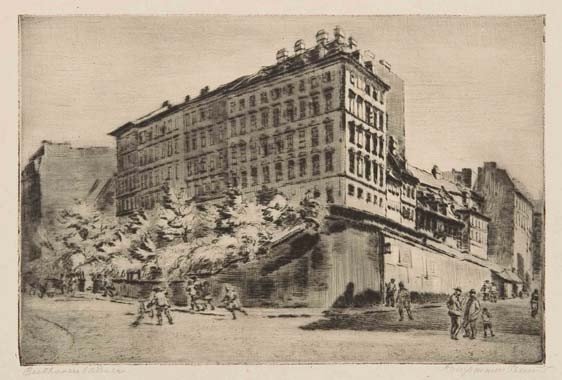
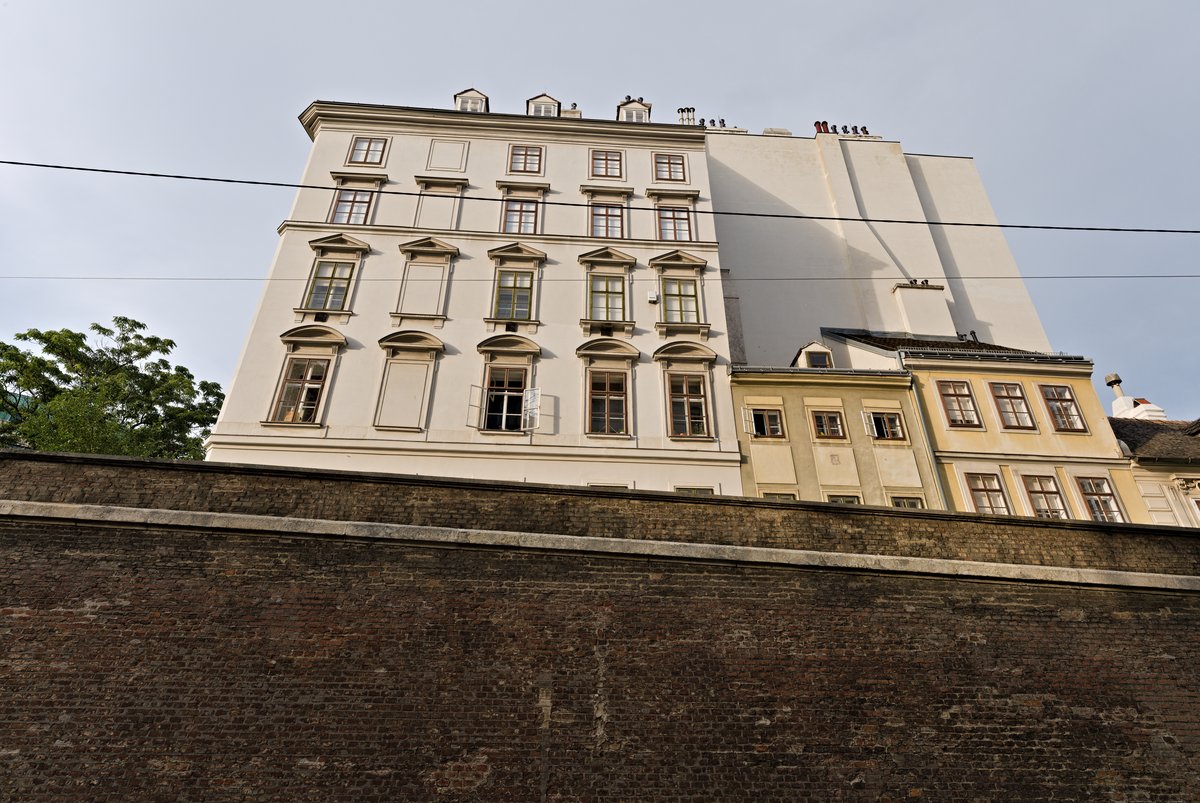
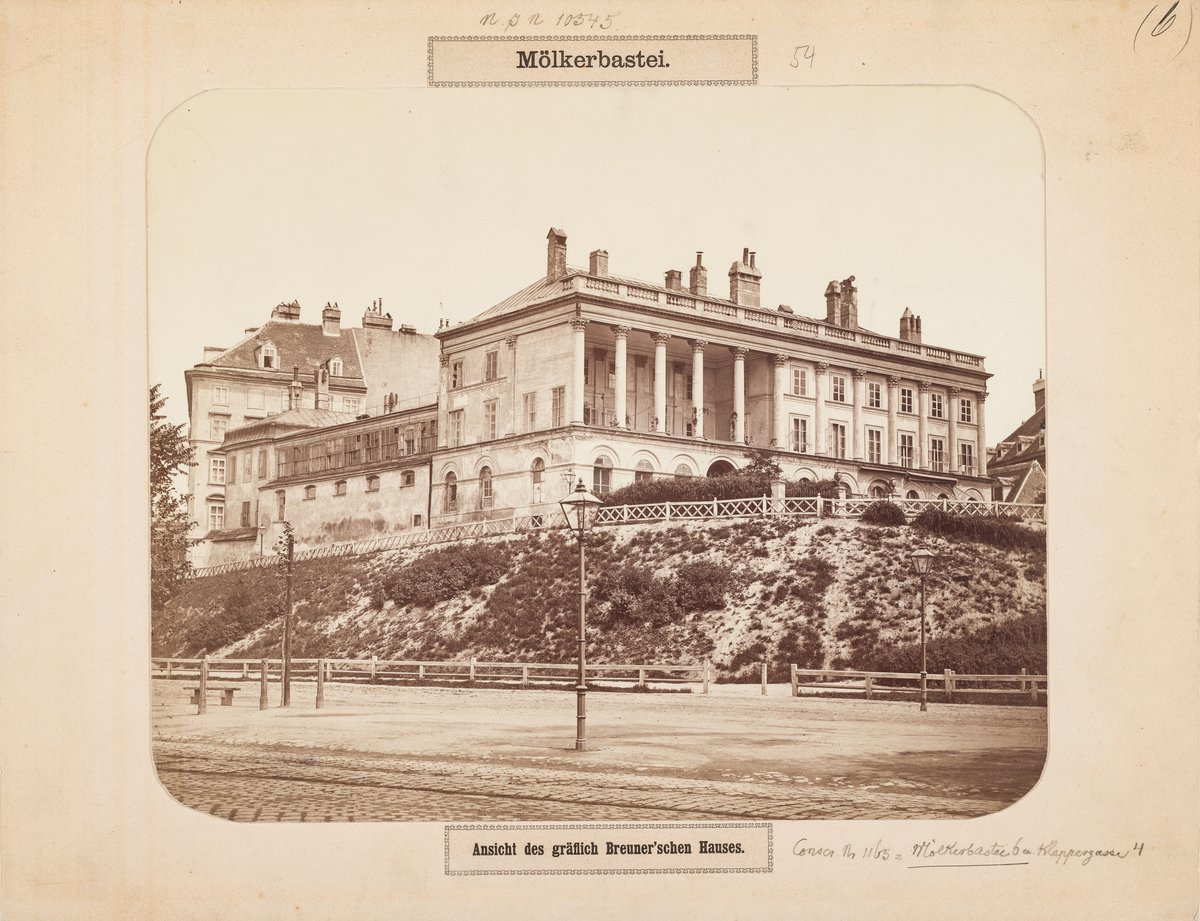
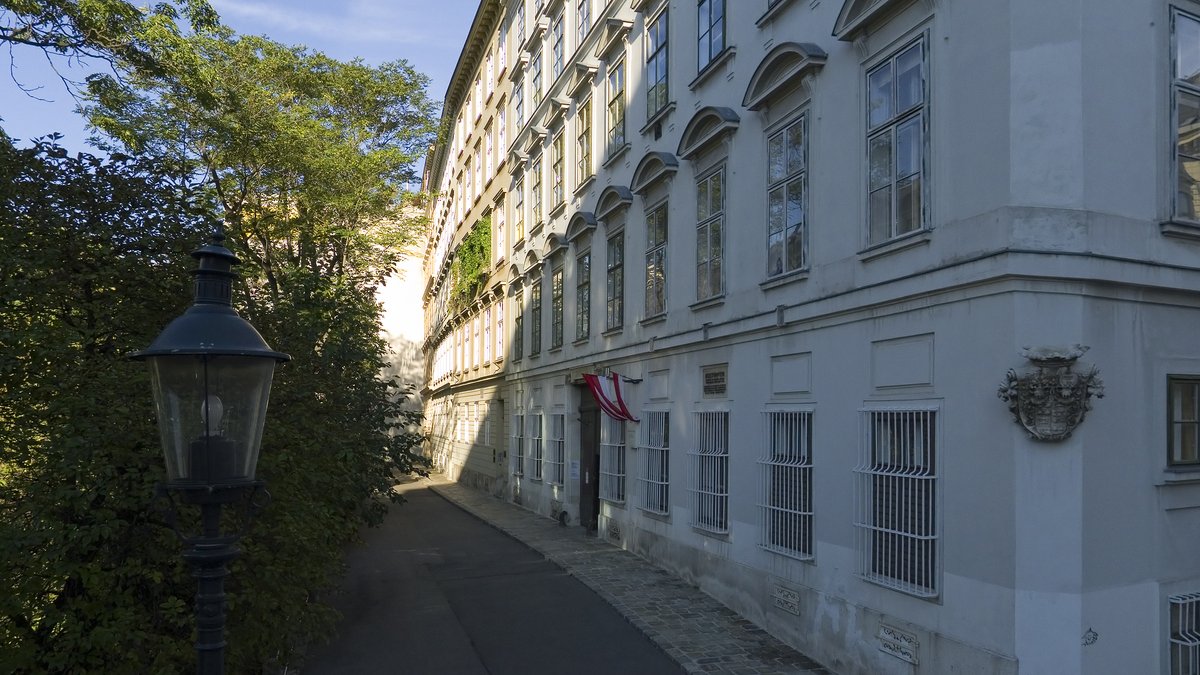
The Pasqualatihaus, located in Vienna's 1st district, is a significant historical building dating back to the late 18th century. Constructed in 1797 by Peter Mollner for Joseph Benedikt Freiherr von Pasqualati, the personal physician to Empress Maria Theresa, the building showcases classicist-style architecture. Notable features include the Pasqualati coat of arms, a rectangular portal with a builder's inscription, and a courtyard with a wrought iron lantern and fountain.
Originally, the site consisted of two smaller residences. One housed a stonemason's workshop, while the other was home to notable tenants such as Count Leander Anguissola, an imperial chief engineer, and Johann Jakob Marinoni, a court mathematician. In 1786, Dr. Johann Benedikt Pasqualati von Osterberg combined these two buildings into one, completing the construction in 1791.
Beethoven's Residence
Ludwig van Beethoven, one of the most influential composers in Western music history, resided in the Pasqualatihaus on several occasions between 1804 and 1814. During his stays, Beethoven composed some of his most important works, including the Fourth, Fifth, and Sixth Symphonies, the opera "Fidelio," and many others. The Pasqualatihaus offers a unique opportunity to walk in the footsteps of the great composer and understand the environment that inspired his masterpieces.
Visitor Information
Visiting Hours and Ticket Prices
Pasqualatihaus is open to visitors from Tuesday to Sunday, between 10:00 AM and 6:00 PM. The museum is closed on Mondays and public holidays. Ticket prices are as follows:
- Adults: €6
- Seniors (65+): €4
- Students (with ID): €3
- Children (under 14): Free
Guided Tours and Special Events
The museum offers guided tours in multiple languages, which can be booked in advance. Special events, such as temporary exhibitions and musical performances, are held throughout the year. Check the official Pasqualatihaus website for the latest updates on events and tours.
Travel Tips and Nearby Attractions
Pasqualatihaus is easily accessible by public transport. The closest subway station is Schottentor, served by the U2 line. Nearby attractions include the University of Vienna, the Votivkirche, and the Sigmund Freud Museum, making it easy to plan a full day of exploring Vienna's rich cultural heritage.
Accessibility
While the historical nature of the building poses some accessibility challenges, efforts have been made to accommodate visitors with disabilities. Contact the museum in advance to discuss specific needs and available facilities.
FAQs
Can I take photographs inside Pasqualatihaus?
Yes, photography is allowed for personal use. However, the use of flash and tripods is prohibited.
Are there any discounts available for group bookings?
Yes, discounts are available for groups of 10 or more. Contact the museum for more details.
Is there a gift shop at Pasqualatihaus?
Yes, there is a gift shop where you can purchase souvenirs, books, and music related to Beethoven and the Pasqualatihaus.