
History and Significance of the Danube Tower
A Vision of Progress
The idea for the Danube Tower was born in the optimistic atmosphere of the 1950s and 1960s Vienna. Post-war Austria was experiencing a period of economic upswing and technological advancement, and the tower was conceived as a symbol of this newfound prosperity and progress. Architect Hannes Lintl won the design competition in 1962, envisioning a sleek, modern structure that would stand as a beacon of modernity on the city's skyline.
Construction and Inauguration
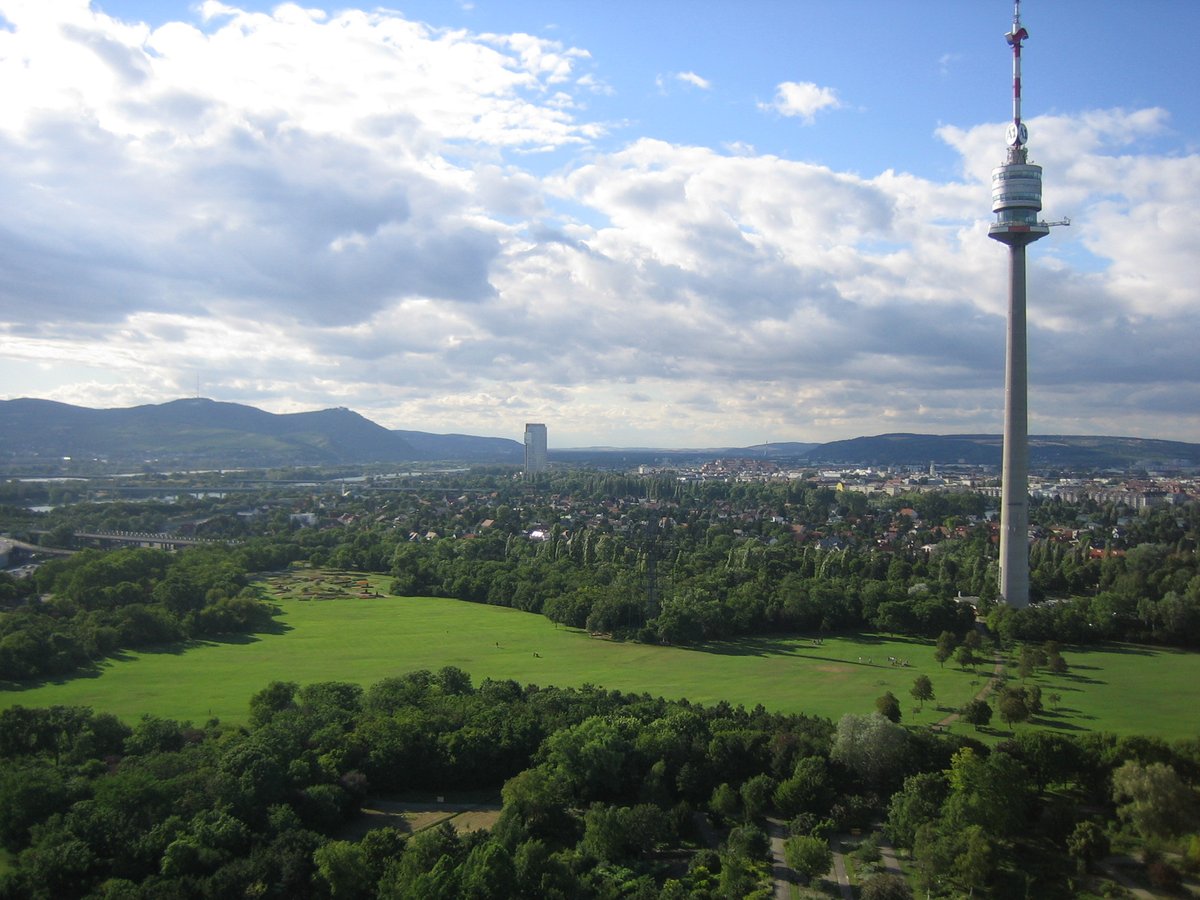
Construction of the Danube Tower commenced in 1962 and lasted for two years, culminating in its grand opening on April 16, 1964. Built in the Donaupark, a large public park created for the 1964 Vienna International Garden Show, the tower quickly became a popular attraction. Its location, slightly removed from the historic city center, offered unparalleled panoramic views of Vienna and its surroundings.
A Symbol of Vienna
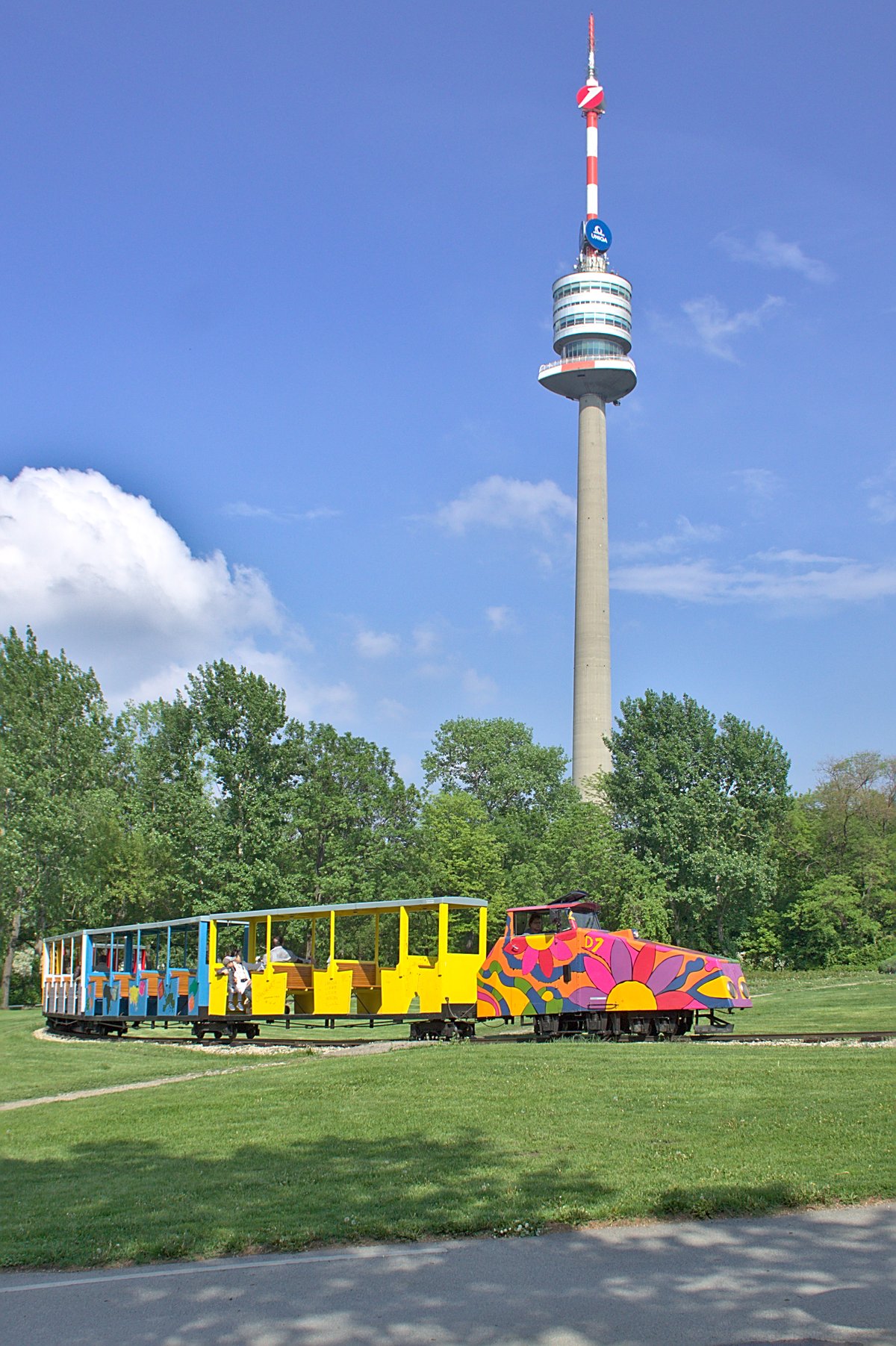
Standing at 252 meters (827 feet) tall, the Danube Tower was the tallest structure in Austria for over four decades, only surpassed in 2010. Its distinctive design, featuring a concrete shaft topped by a two-level revolving restaurant and observation deck, has become an iconic part of Vienna's skyline. The tower's image has graced countless postcards, souvenirs, and promotional materials, solidifying its status as a symbol of the city.
More Than Just a View
Beyond its architectural significance, the Danube Tower has played a multifaceted role in Viennese society. It has served as a telecommunications hub, housing antennas for radio and television broadcasting. The tower's observation deck has hosted countless proposals, celebrations, and special events, becoming a place where personal memories intertwine with the city's panorama.
A Daredevil's Dream
The Danube Tower has also attracted its fair share of daredevils and adventurers. In 1964, Austrian mountaineer Sepp Jochler famously scaled the tower's exterior using only his bare hands and climbing shoes. Over the years, the tower has been the site of numerous BASE jumping events, with thrill-seekers leaping from its dizzying heights.
A Legacy of Innovation and Inspiration
Today, the Danube Tower remains a popular tourist destination, attracting visitors from around the globe who come to marvel at its architectural prowess and enjoy breathtaking views of Vienna. It stands as a testament to the city's spirit of innovation and its enduring appeal as a cultural and technological hub. The tower's continued relevance is a testament to its timeless design and its ability to inspire awe and wonder in visitors of all ages.
Visitor Information
Ticket Prices
General admission tickets are priced at €14.50 for adults and €9.50 for children. Special rates are available for seniors, students, and groups. Tickets can be purchased online or at the entrance (Danube Tower Tickets).
Opening Hours
The Danube Tower is open daily from 10:00 AM to 10:00 PM. Seasonal variations in opening hours may apply, so it is advisable to check the official website before planning your visit.
Travel Tips
- Transportation - The tower is accessible via public transport, with nearby bus and metro stations.
- Best Time to Visit - For the best views, visit during clear weather conditions and consider going in the late afternoon to catch the sunset.
- Dining - The revolving restaurant offers a unique dining experience, but reservations are recommended.
Accessibility
The Danube Tower is wheelchair accessible, with elevators and ramps available for ease of movement. Special arrangements can be made for visitors with disabilities by contacting the management in advance.
Things to Do
Special Events
Throughout the year, the Danube Tower hosts various events, including seasonal festivals, art exhibitions, and cultural performances. Check the events calendar on the official website for more information.
Guided Tours
Guided tours are available for those interested in delving deeper into the history and engineering of the tower. Tours can be booked in advance and are offered in multiple languages.
Photographic Spots
The observation deck provides numerous vantage points for photography enthusiasts. Capture stunning panoramic shots of Vienna’s skyline, especially during golden hour.
Nearby Attractions
While visiting the Danube Tower, consider exploring other nearby attractions such as the Donaupark, the Vienna International Centre, and the Alte Donau recreational area. Each offers unique experiences and scenic views.
FAQ Section
Q: What are the Danube Tower's visiting hours?
A: The tower is open daily from 10:00 AM to 10:00 PM. Verify seasonal hours on the official website.
Q: How much do tickets for the Danube Tower cost?
A: General admission is €14.50 for adults and €9.50 for children, with discounts for seniors, students, and groups.
Q: Are there any special events at the Danube Tower?
A: Yes, the tower hosts various events throughout the year, including festivals, exhibitions, and performances. Check the official website for details.
Q: Is the Danube Tower accessible to visitors with disabilities?
A: Yes, the tower is wheelchair accessible with elevators and ramps. Contact the management for special arrangements.