


Burgtheater Vienna
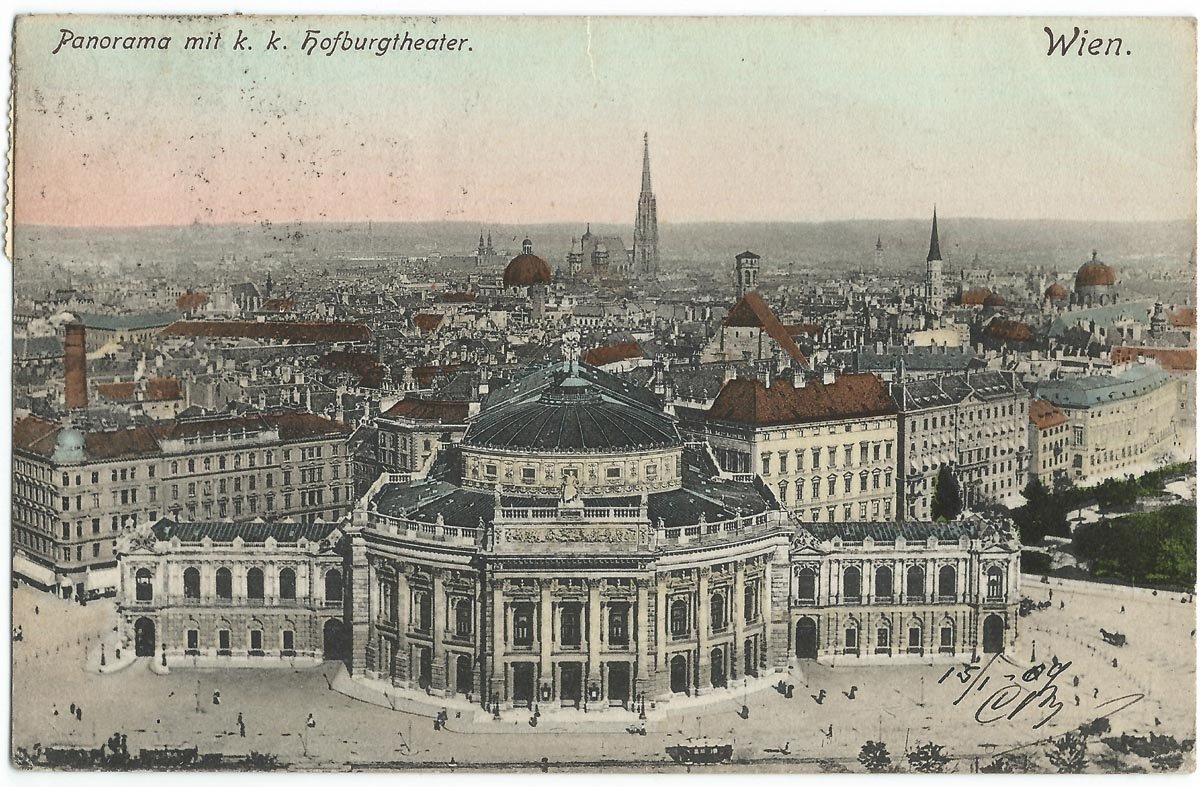
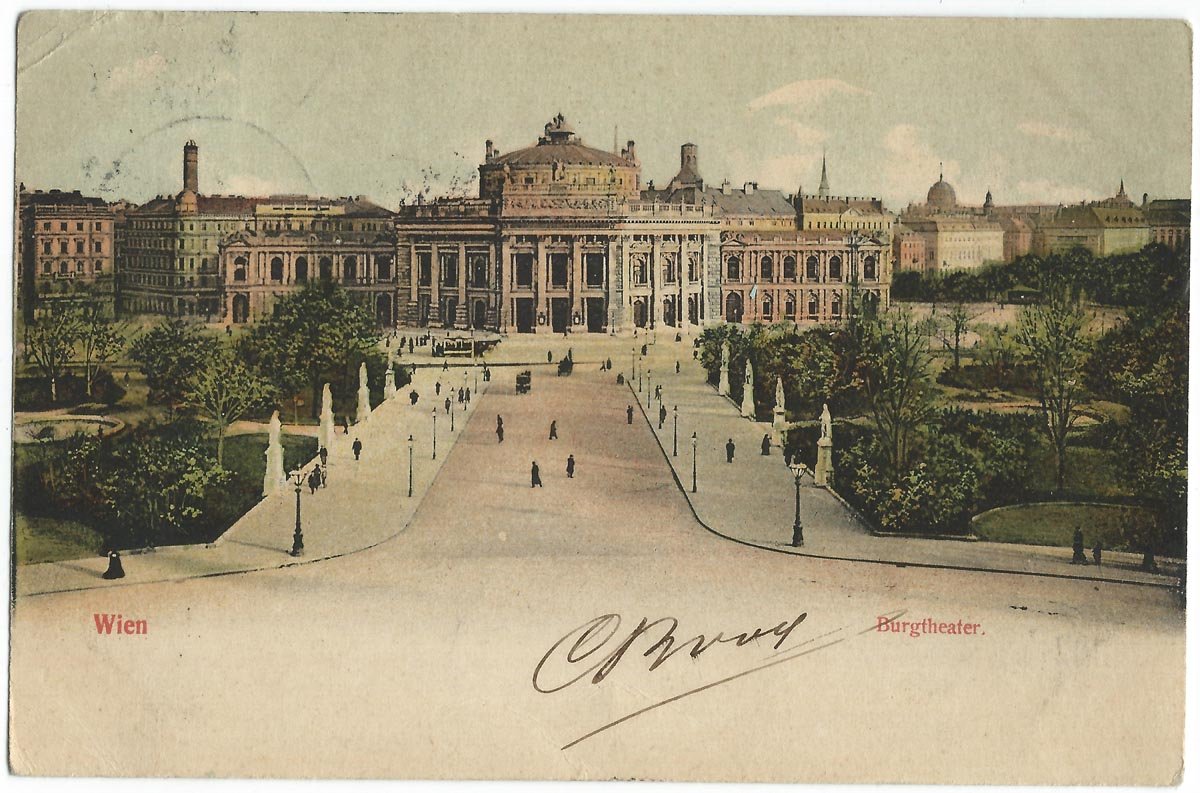
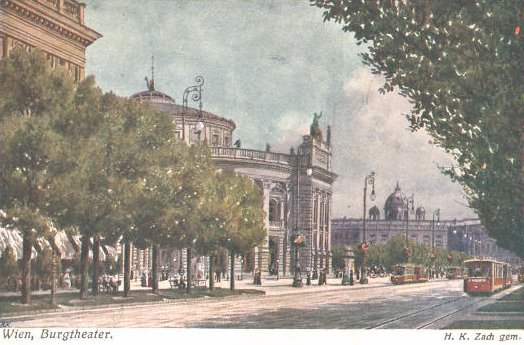
The Burgtheater, Austria’s National Theatre, stands on Vienna’s Ringstrasse across from City Hall. Established in 1741 by Empress Maria Theresia, it is one of the oldest German-language theatres in the world and a leading European theatre. Its central location is close to the Volksgarten and Vienna University.
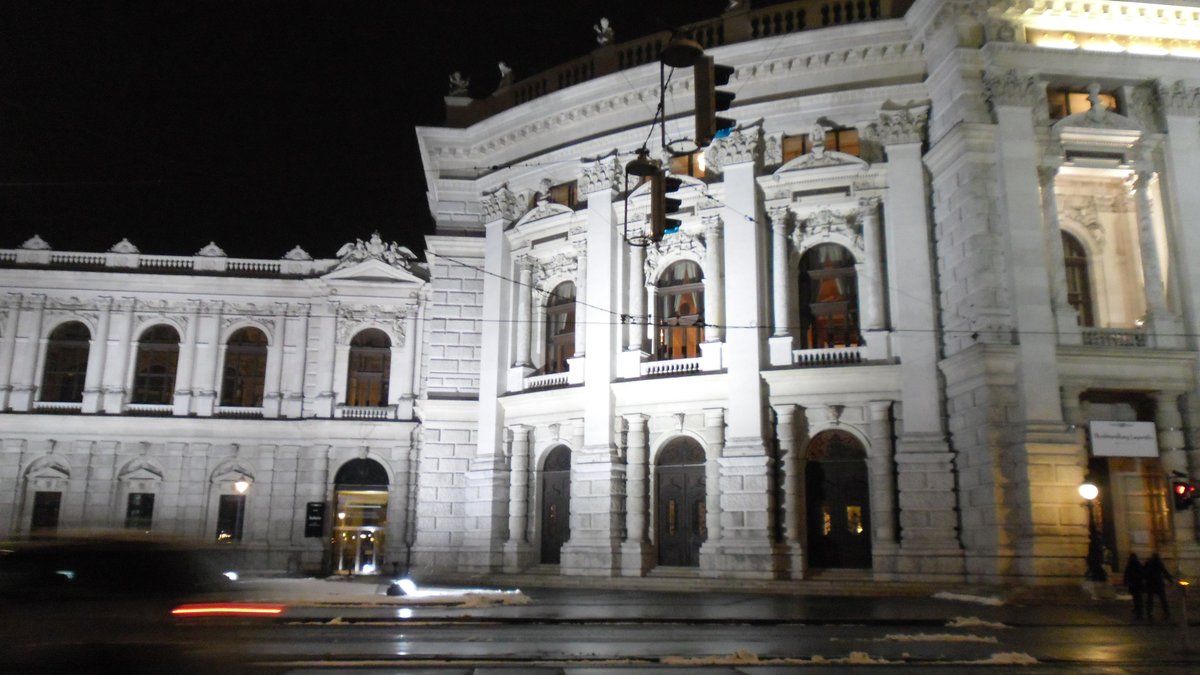
The theatre’s architecture combines Italian High Renaissance, Renaissance Revival and Neo-Baroque influences. Designed by Gottfried Semper and Karl von Hasenauer, it features statues of literary figures such as Goethe and Schiller, as well as interior artworks by Gustav Klimt. The Burgtheater is known for a repertoire that pairs classical works with contemporary Austrian drama (Burgtheater Official Site, Vienna Trips, Theatre Architecture, Visiting Vienna).
History and cultural significance
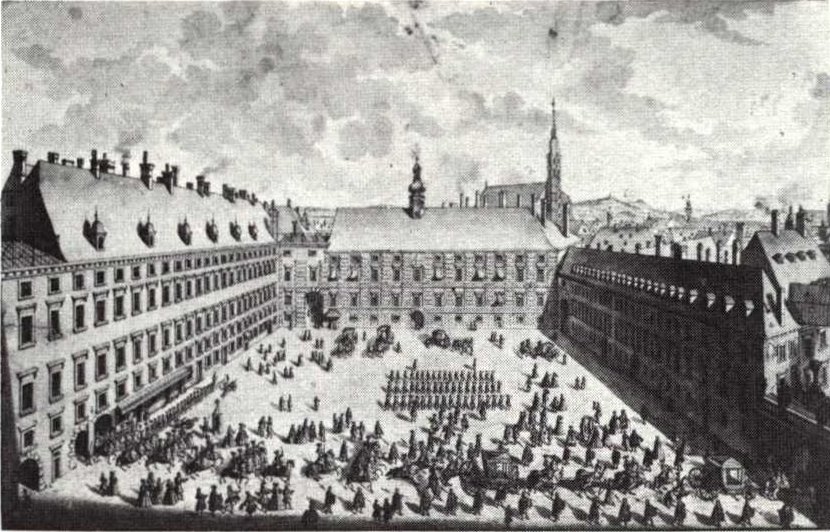
Founded in 1741 as the K.K. Hoftheater nächst der Burg, the Burgtheater became a centre of German-language theatre in Vienna. It hosted premieres by writers including Johann Nestroy and Ferdinand Raimund, and established itself as Austria’s foremost stage (official Burgtheater website).
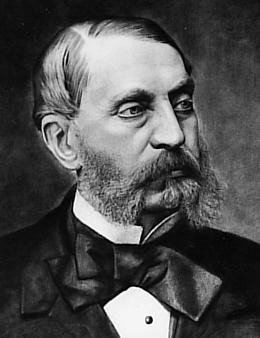
The theatre moved to its current building on the Ringstrasse in 1888. The building was constructed between 1874 and 1888 and designed by Gottfried Semper and Karl von Hasenauer. After World War II, reconstruction in 1955 became a cultural milestone associated with national renewal (vienna-trips.at; cordmagazine.com).
Regarded as the most important German-language theatre, the Burgtheater has influenced theatre across Europe. Its ensemble and productions have helped shape artistic standards and a distinctive celebrity culture in the German-speaking world. Guest performances in major cities worldwide have also made it an ambassador for Austrian culture (wikipedia.org, cordmagazine.com, Vienna Info, Cord Magazine).
Architecture and what to see
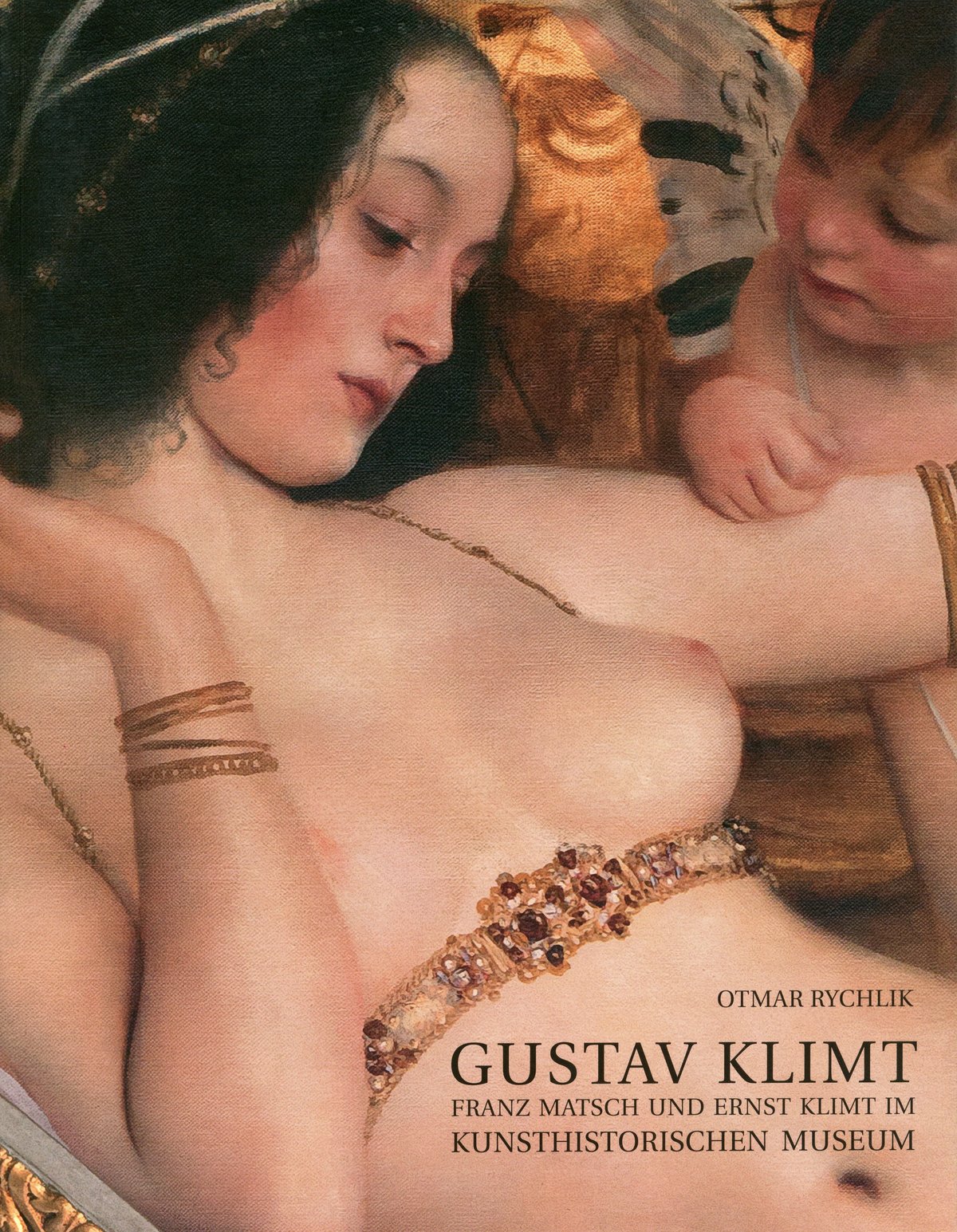
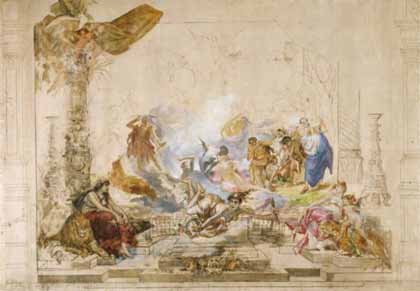
The Ringstrasse façade has a grand portico and allegorical sculptures. Inside, visitors can see Corinthian columns, marble staircases, portrait and sculpture galleries, and busts and portraits of playwrights and actors. The staircases have frescoed ceilings by Gustav and Ernst Klimt and Franz Matsch (theatre-architecture.eu, viennaitineraries.com).
The auditorium was originally lyre-shaped and was renovated in 1898 to improve acoustics and sightlines. Postwar restoration added modern stage technology. The main stage seats more than 1,150 guests (vienna.net Burgtheater page).
The theatre has advanced stage machinery and a fire-resistant iron structure. Backstage tours can show visitors the workshops, costume departments and technical facilities (theatre-architecture.eu, viennaitineraries.com).
Guided tours cover the main staircases, Klimt frescoes, portrait galleries and auditorium, and introduce the theatre’s technical and organisational work (viennaitineraries.com). Photographic highlights include the façade at sunset, the marble staircases, ceiling paintings and portrait and sculpture galleries. Photography is prohibited during performances.
Practical visiting information
Address: Universitätsring 2, 1010 Vienna.
Performance season and times: The theatre’s main season runs from September through June, with performances typically Tuesday to Sunday. It is closed in July and August. Evening performances are listed at 7:30 PM, with matinees on select days.
Tickets: Tickets are available online through the official Burgtheater website, from authorized vendors or at the box office at Universitätsring 2. Listed performance prices range from €10–€70, with discounts for students, seniors and groups. Another listing gives prices from €4 for standing places to €60 for the best seats.
Tours: Tour information lists typical visiting hours of Tuesday to Sunday, 10:00 AM–4:00 PM; check the website for updates. Scheduled tours are also listed for Thursdays and Fridays at 3:00 pm, and Saturdays, Sundays and holidays at 11:00 am, with extra tours in summer (wien.info). Tours last 60–90 minutes. Tickets are listed at €10, or free with Vienna Pass. Individuals do not need to reserve; groups and wheelchair users can book by phone at +43 1 514 44-4545 or email [email protected].
Accessibility: The theatre offers wheelchair-accessible entrances and seating, ramps, elevators, hearing assistance, audio-described performances, language support, specialized assistance and tours tailored to mobility needs. More details are available in the Accessibility section.
Public transport: Trams 1, 2, D and 71 stop at Rathausplatz/Burgtheater. The U-Bahn options listed are U2 at Rathaus and Schottentor, and U3 at Herrengasse. Many central attractions are about a 20-minute walk away.
The theatre presents festivals, premieres and exhibitions; check the event calendar. Contact details are +43 1 514 44-4545 and [email protected]. The burgtheater.at website and wien.info provide further visitor information. Virtual tours, interactive maps and images of the exterior, Klimt frescoes and auditorium are also available through the official Burgtheater website and tourism portals.
Tips for visiting
- Check restoration schedules, as areas such as the Klimt frescoes may be under conservation (visitingvienna.com).
- The Burgtheater app provides English subtitles during performances. The Audiala app is also listed for English subtitles and guided content.
- Smart casual dress is suggested for performances.
- Advance purchase is recommended for popular shows and tours.
Nearby places
Nearby sites include Rathaus (City Hall), the Volksgarten, Café Landtmann and Minoritenkirche. Parliament, coffee houses and museums on the Ringstrasse are also listed as nearby attractions.
Frequently Asked Questions (FAQ)
What are the Burgtheater’s visiting hours?
Guided tours are listed as Tuesday–Sunday, 10:00 AM–4:00 PM. Tour schedules also list Thursdays and Fridays at 3:00 pm, and Saturdays, Sundays and holidays at 11:00 am. Check the official website for updates.
How do I purchase tickets?
Tickets are available online at the official Burgtheater website, from authorized vendors or at the box office.
Is the Burgtheater wheelchair accessible?
Yes. It has wheelchair-accessible entrances and seating, ramps and elevators.
Are tours available in English?
Yes. English and German tours are offered.
What else can I visit nearby?
Parliament, Rathaus, the Volksgarten, coffee houses and museums on the Ringstrasse are among the nearby options. For related guides, see Vienna Historical Sites and Vienna Theaters.