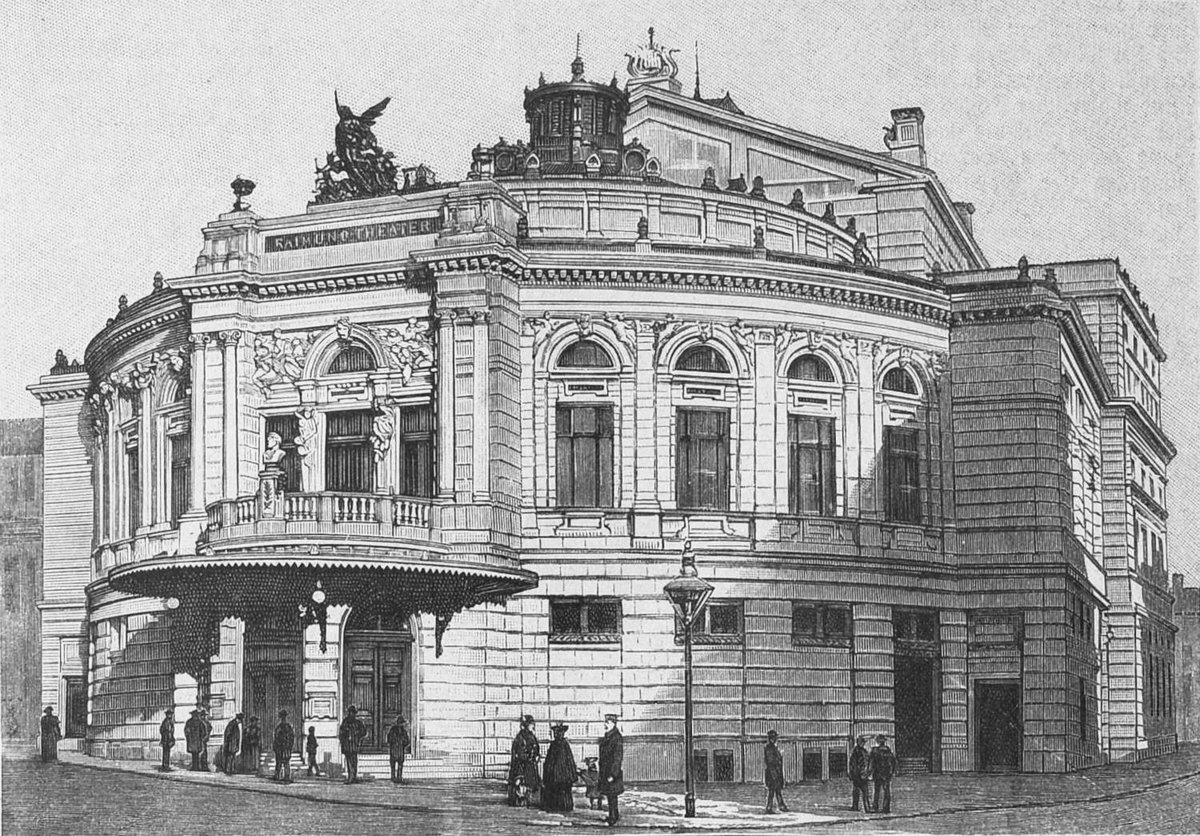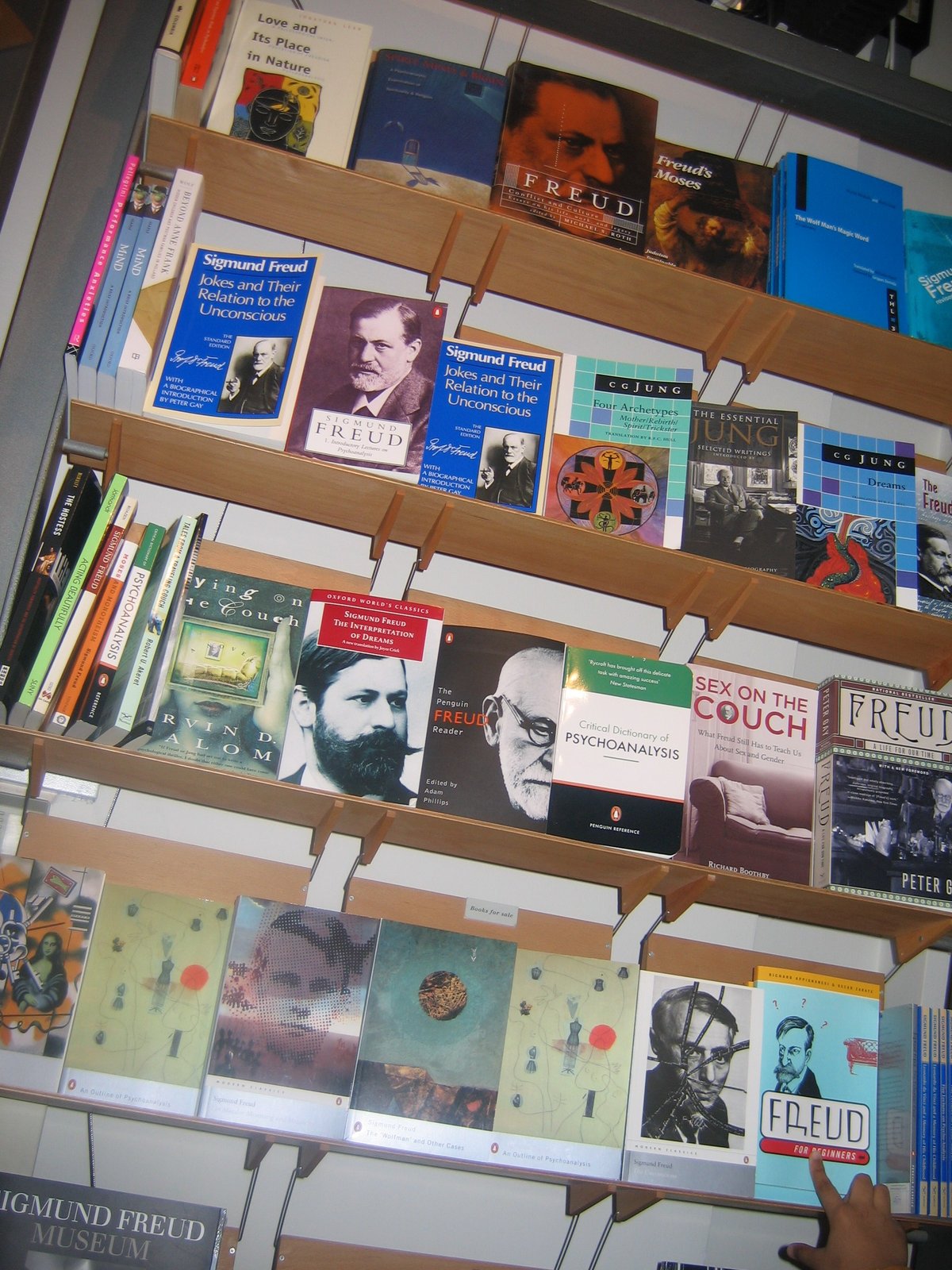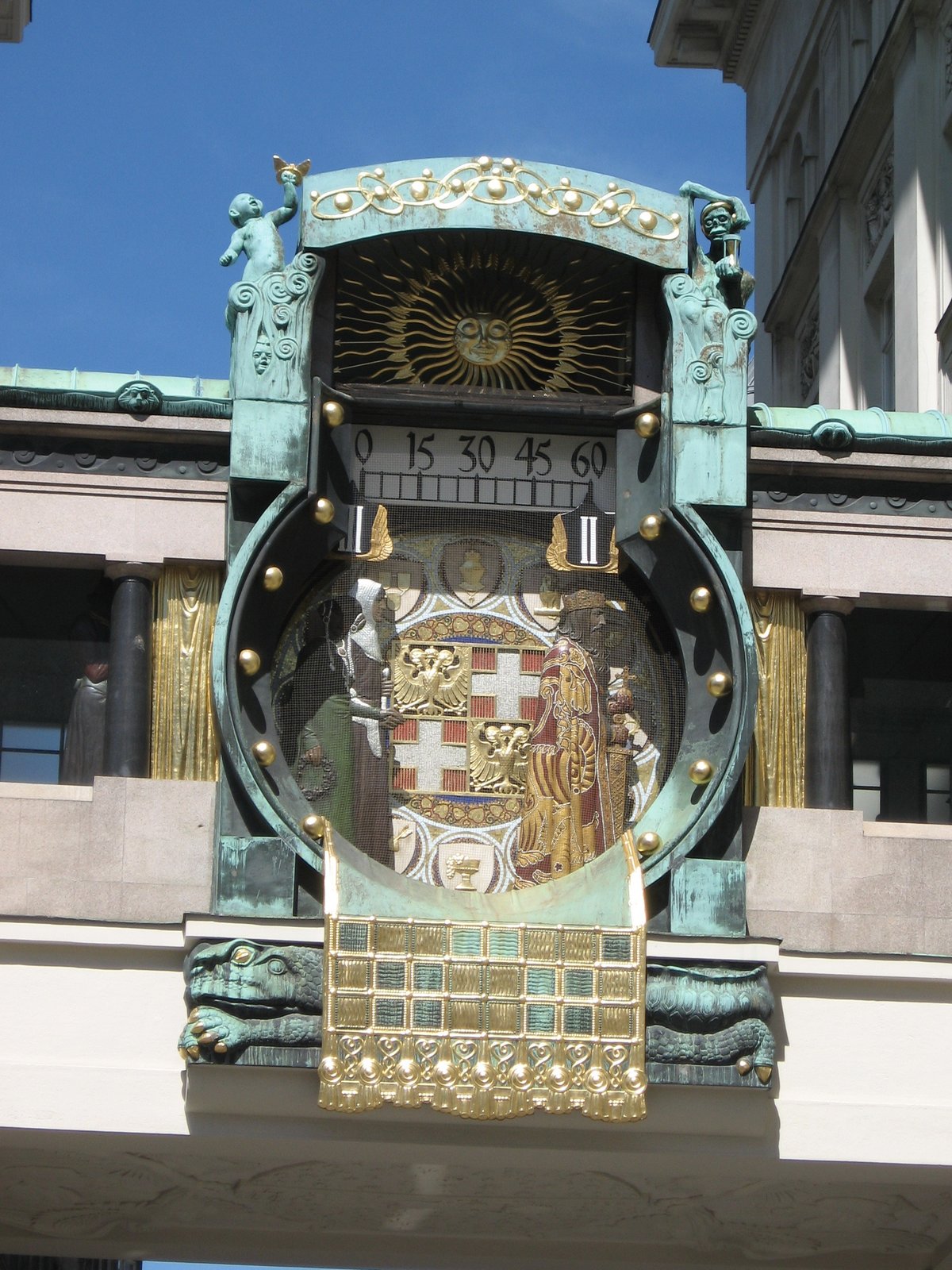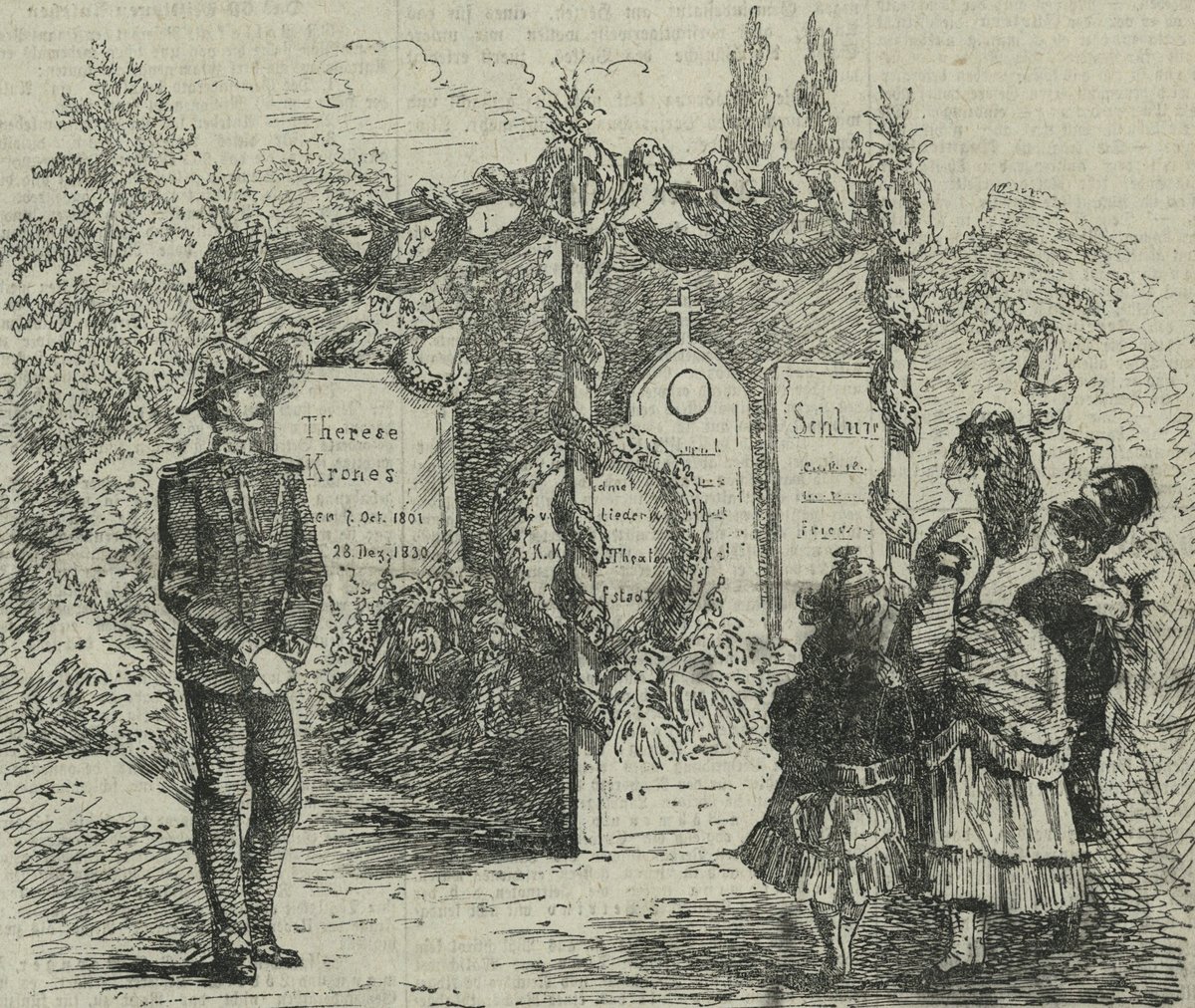
Introduction
The first surprise in Vienna, Austria, is the sound: Stephansdom’s bells, tram brakes on the Ring, and coffee cups clicking onto silver trays in rooms that smell faintly of roast and polish. You can climb 343 steps up St. Stephen’s south tower, then ride a few stops to Otto Wagner’s Jugendstil transit architecture at Karlsplatz. Vienna looks ceremonial at first glance, but it reveals itself through side doors, courtyards, and long conversations over a single Melange.
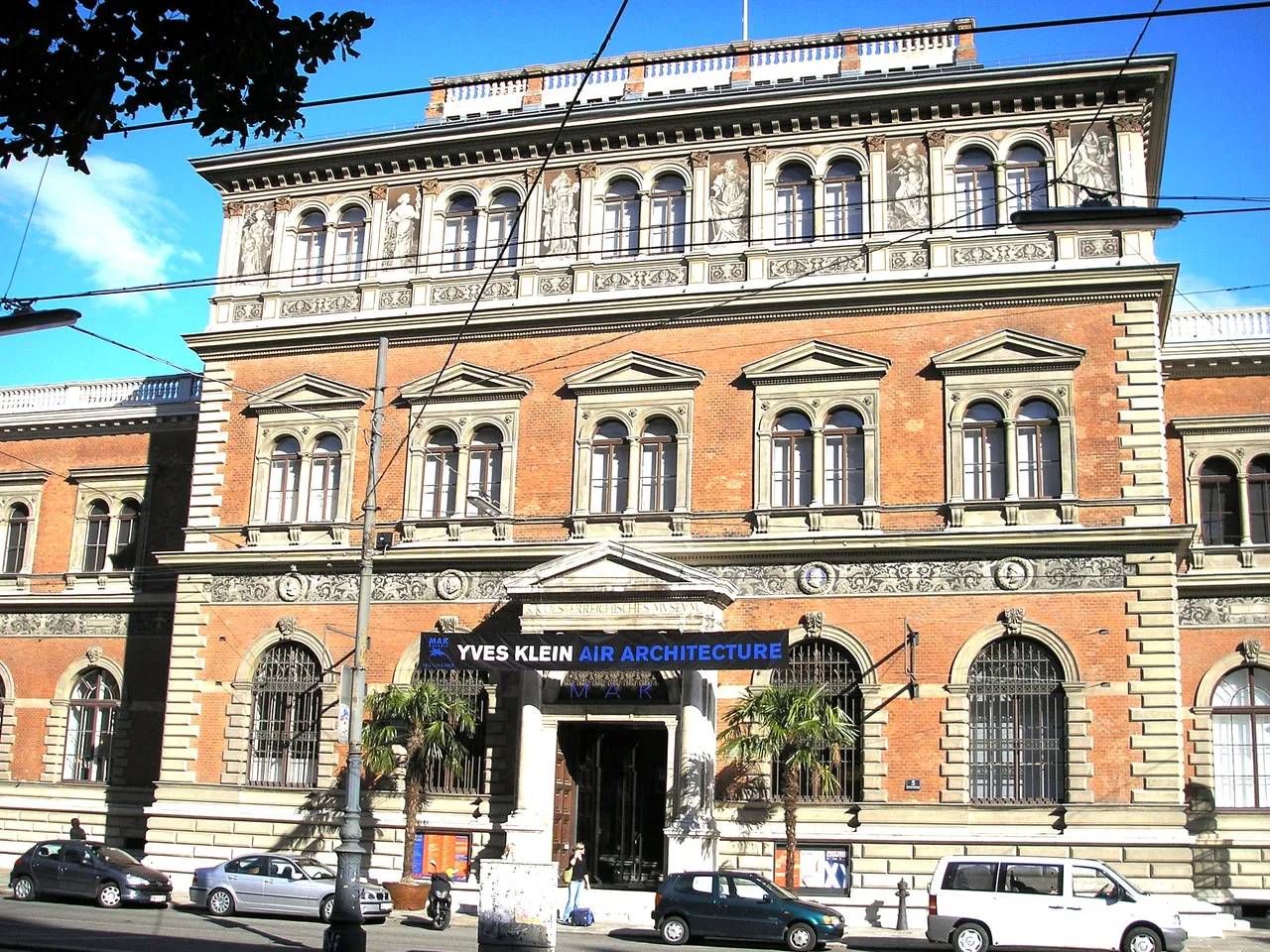
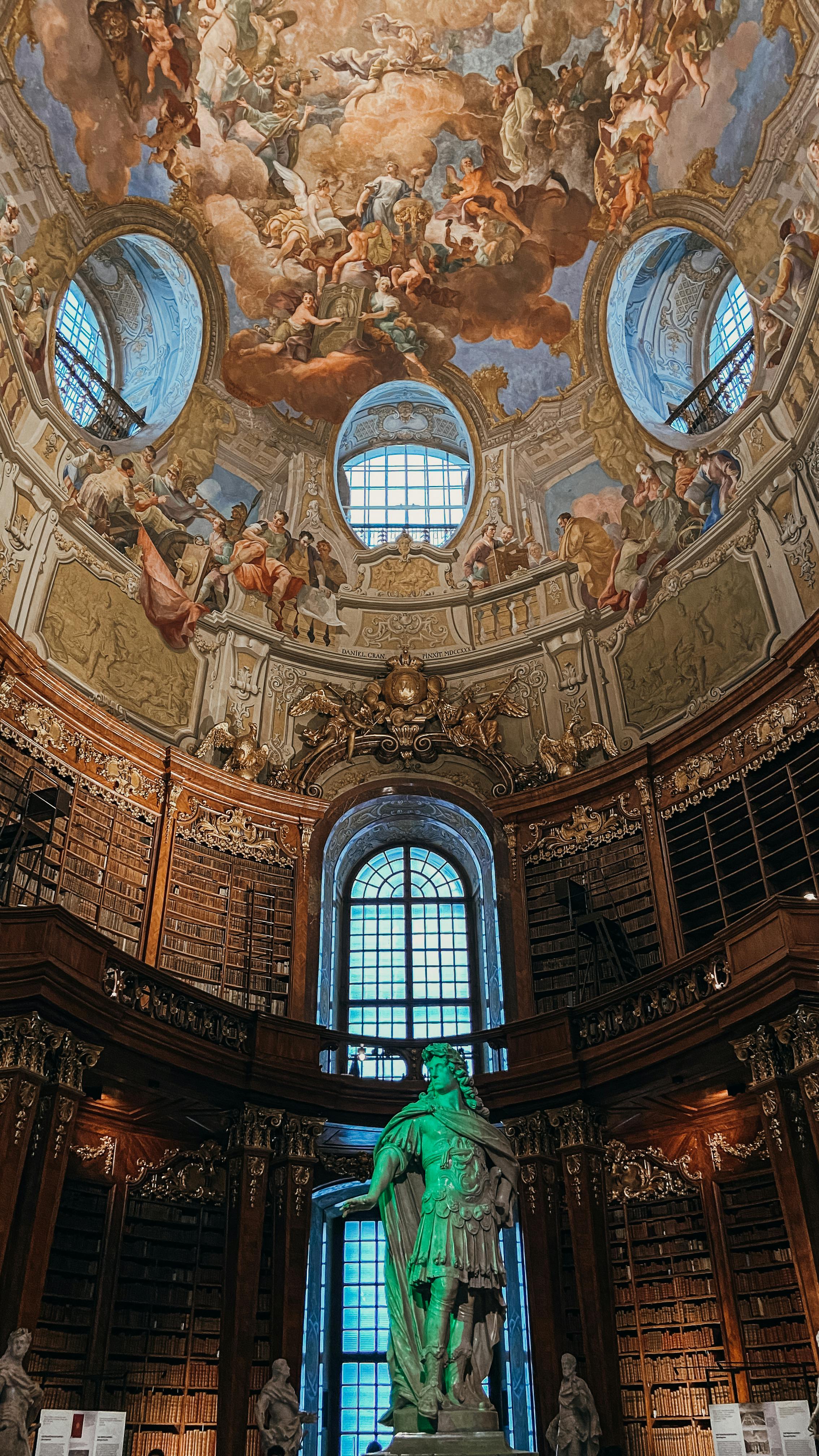
This is a city of layered power and private rituals. The Hofburg and Schonbrunn still stage the Habsburg story in grand rooms and axial gardens, yet the daily Vienna that matters happens at table height: boiled beef at lunch, a Beisl for dinner, a late-night Kasekrainer at a Wurstelstand. Even its museums argue with one another in productive ways, from Belvedere’s Klimt to the MAK’s design intelligence and the Austrian National Library’s overwhelming Baroque hall.
Vienna’s cultural life is broader than its postcard image. The State Opera runs a famously large repertoire, but the same week can include contemporary theater at Volkstheater, jazz at Porgy & Bess, and courtyard people-watching in MuseumsQuartier. The city rewards visitors who mix formats: one formal concert night, one experimental venue, one unplanned evening drifting between bars in Spittelberg or Karmeliterviertel.
What changes your understanding is how much water, green space, and wine-country logic sits inside the capital. Danube Island, the Old Danube, and the Lobau shift the mood from imperial stone to reeds and bike paths, while Kahlenberg and the heuristic districts on the northern edge pull the city toward vineyards and slower meals. Vienna is not a museum city pretending to be alive; it is a living city that happens to keep extraordinary rooms.
Places to Visit
The Most Interesting Places in Vienna
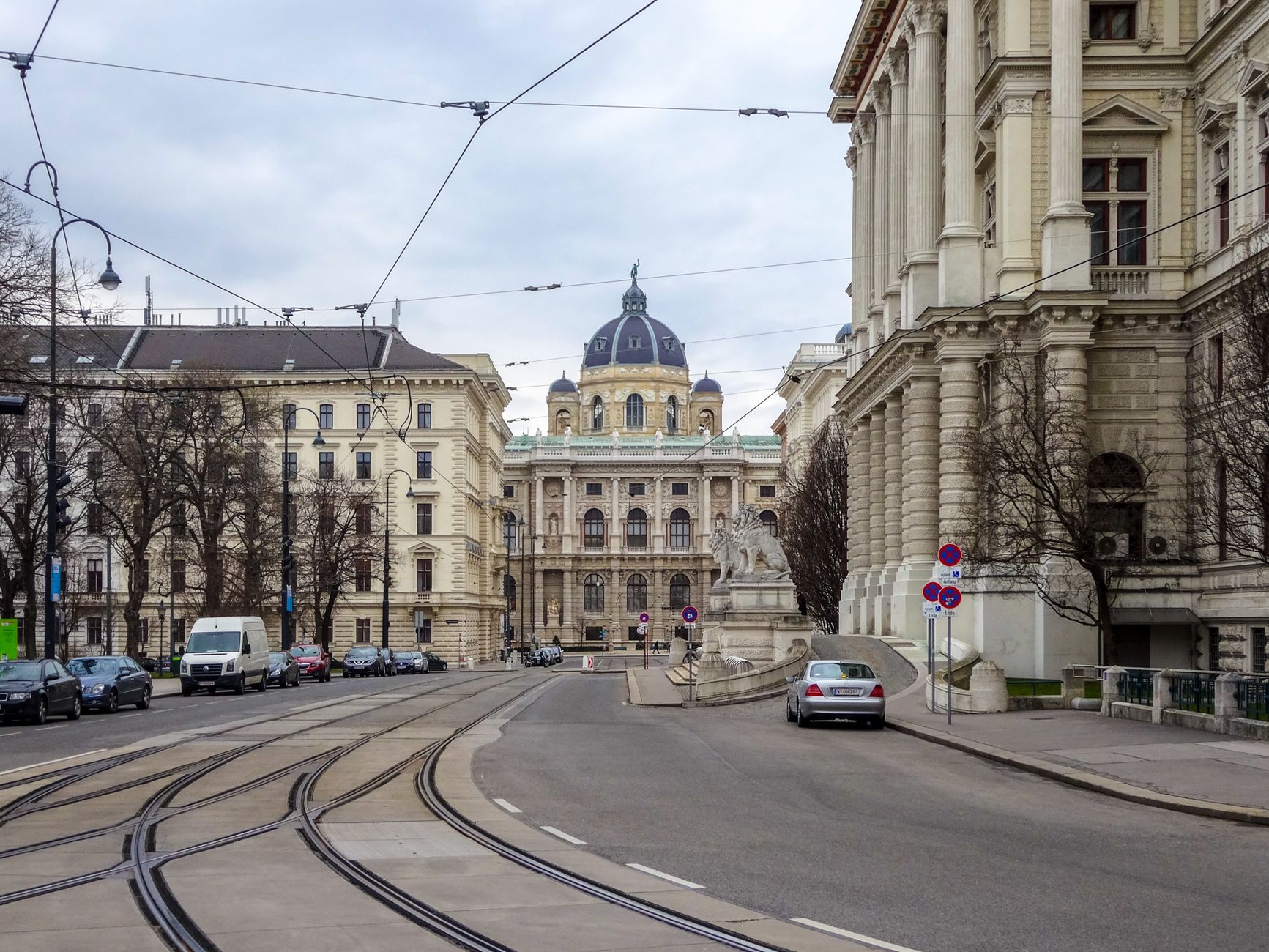
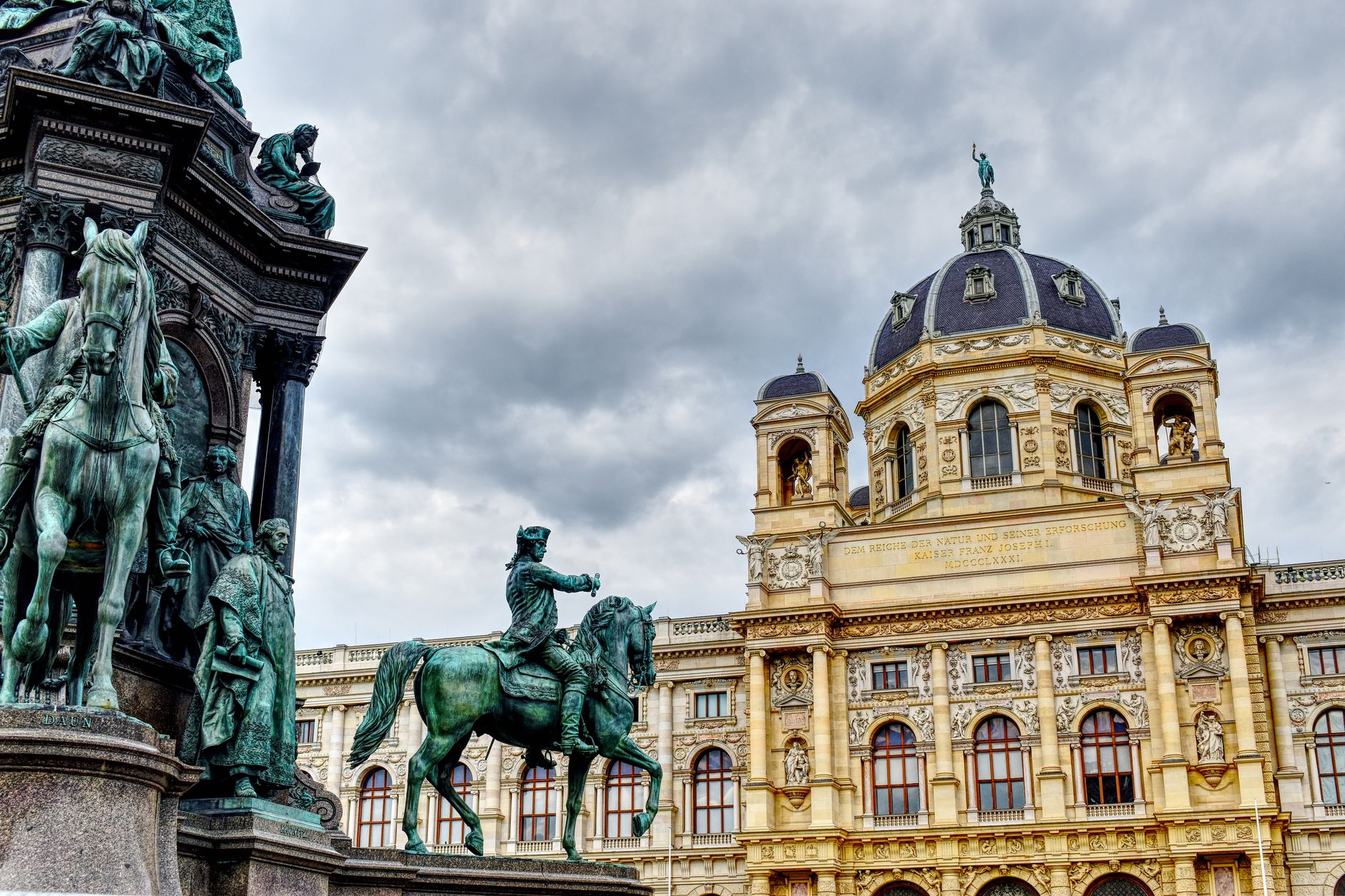
Kunsthistorisches Museum
Nestled in the heart of Vienna, the Kunsthistorisches Museum (KHM) stands as an unparalleled beacon of art, history, and imperial grandeur.
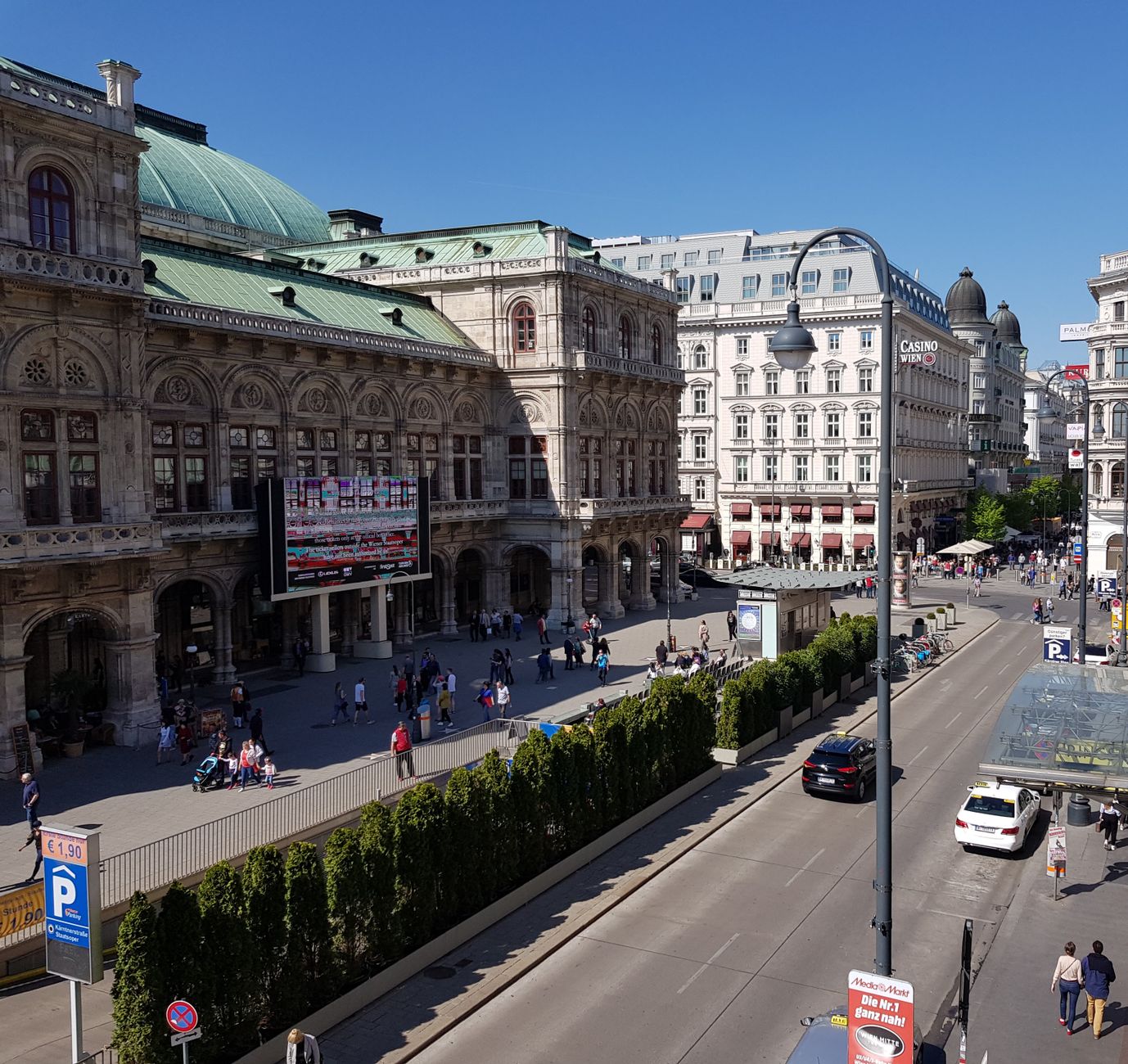
Vienna State Opera House
The Vienna State Opera (Wiener Staatsoper) represents a pinnacle of cultural and architectural heritage in Vienna, Austria, and stands as an essential…
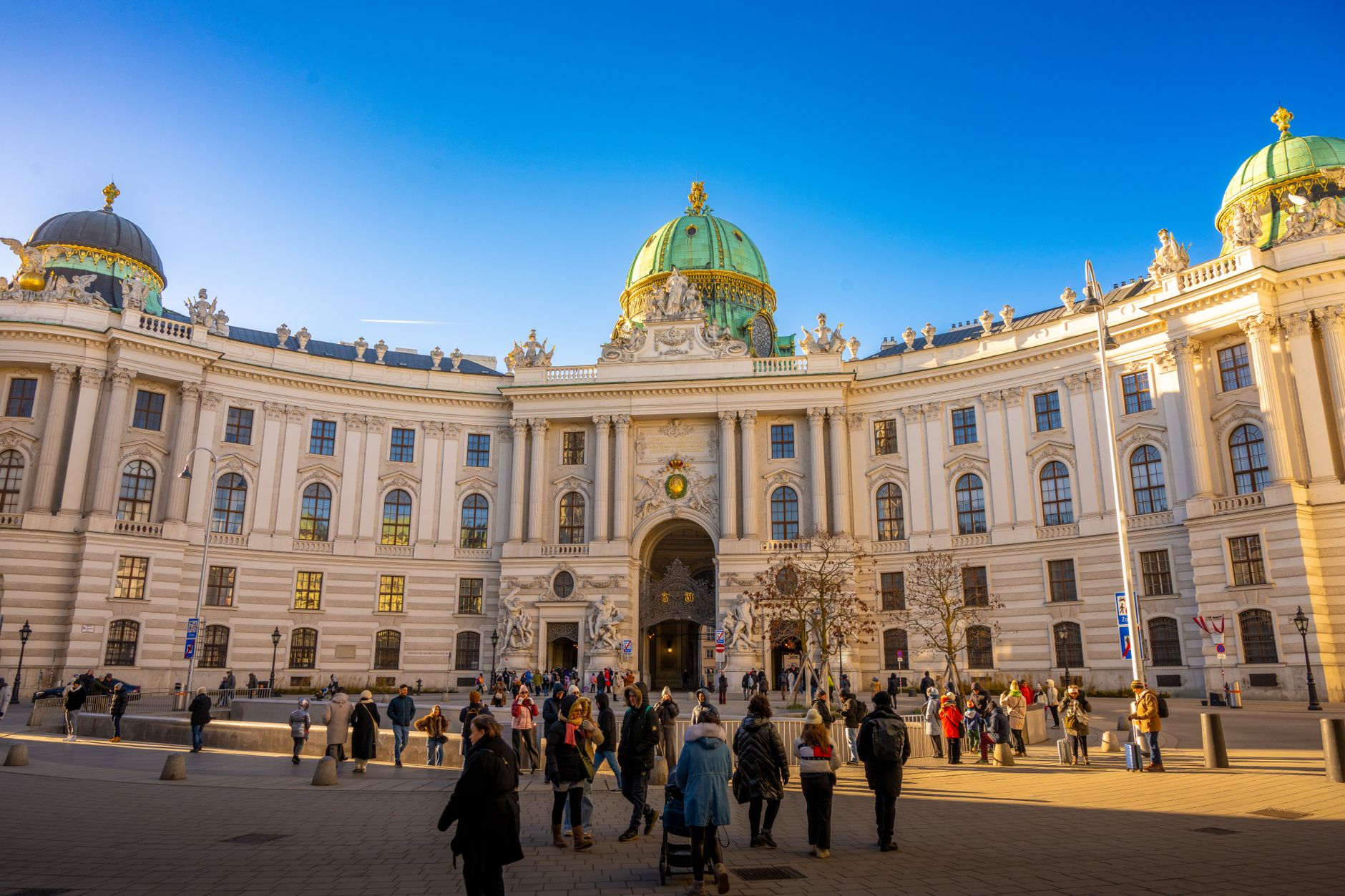
Hofburg Palace
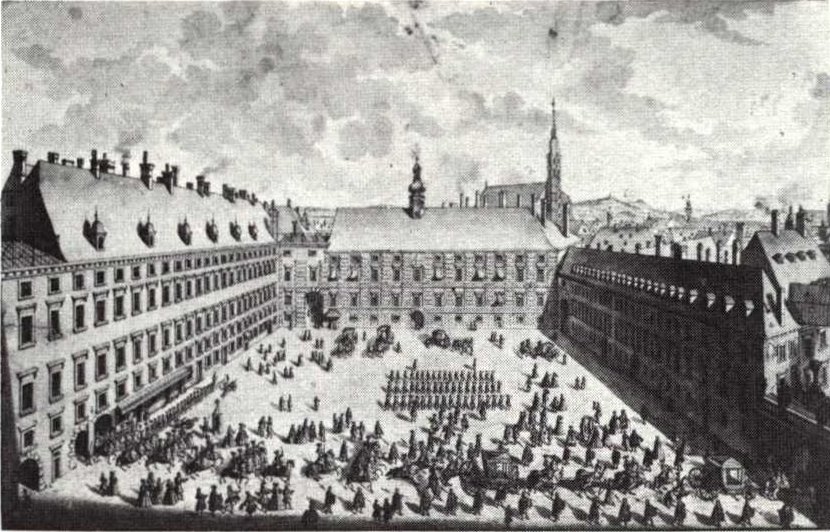
The Neue Burg, a marvel of historicist architecture located in the heart of Vienna, Austria, is an essential stop for anyone keen on exploring the grandeur of…
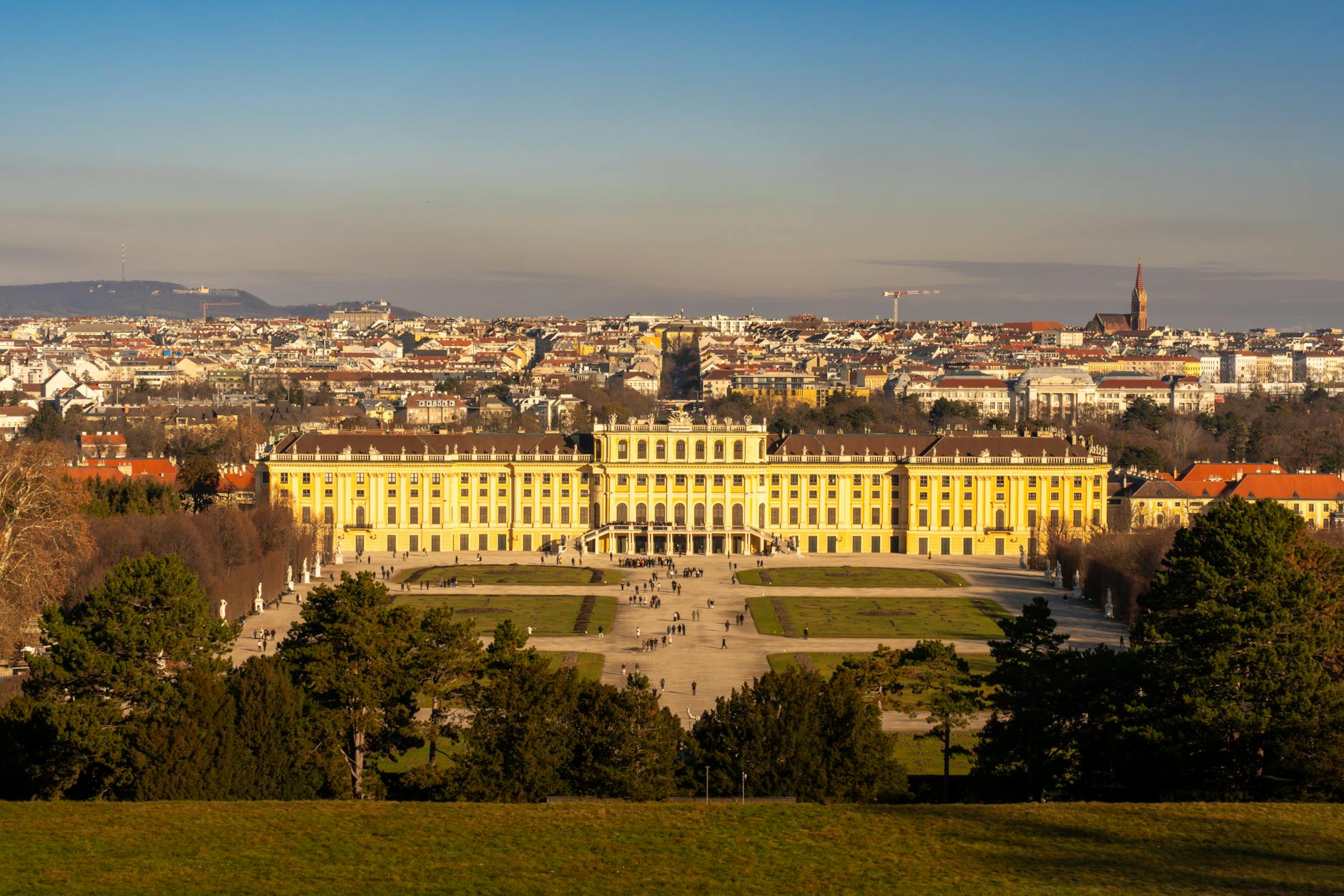
Schönbrunn Palace
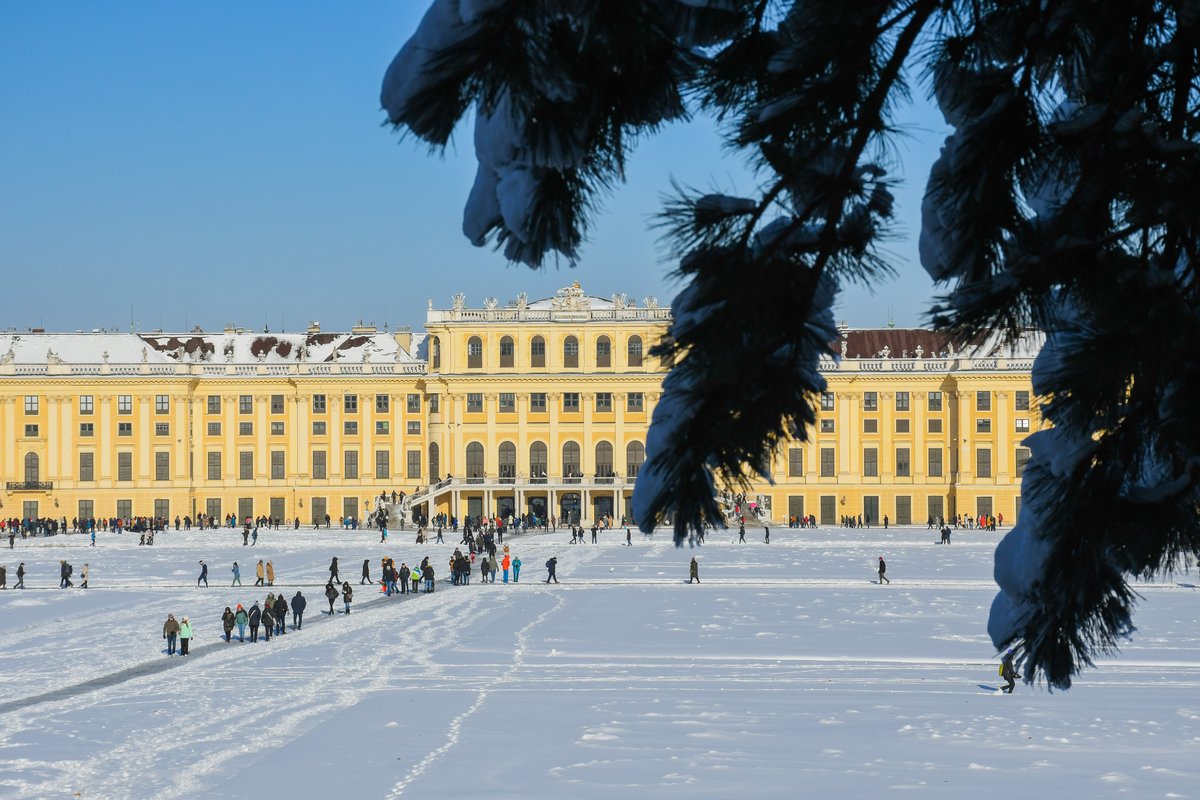
Welcome to your ultimate guide to exploring the historical marvels of [Monument Name] in [City].
Burgtheater
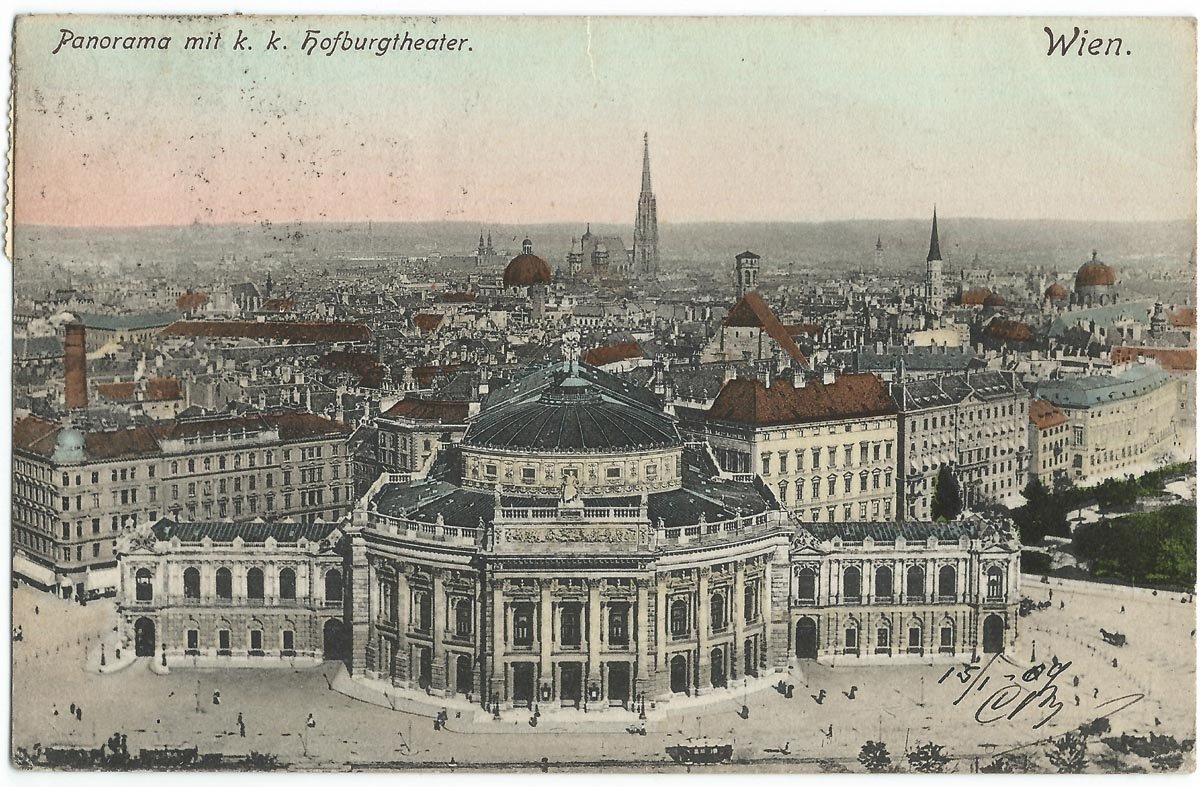
The Burgtheater, often hailed as Austria’s National Theatre and one of the oldest German-language theaters in the world, stands as a monumental testament to…
Vienna Central Cemetery
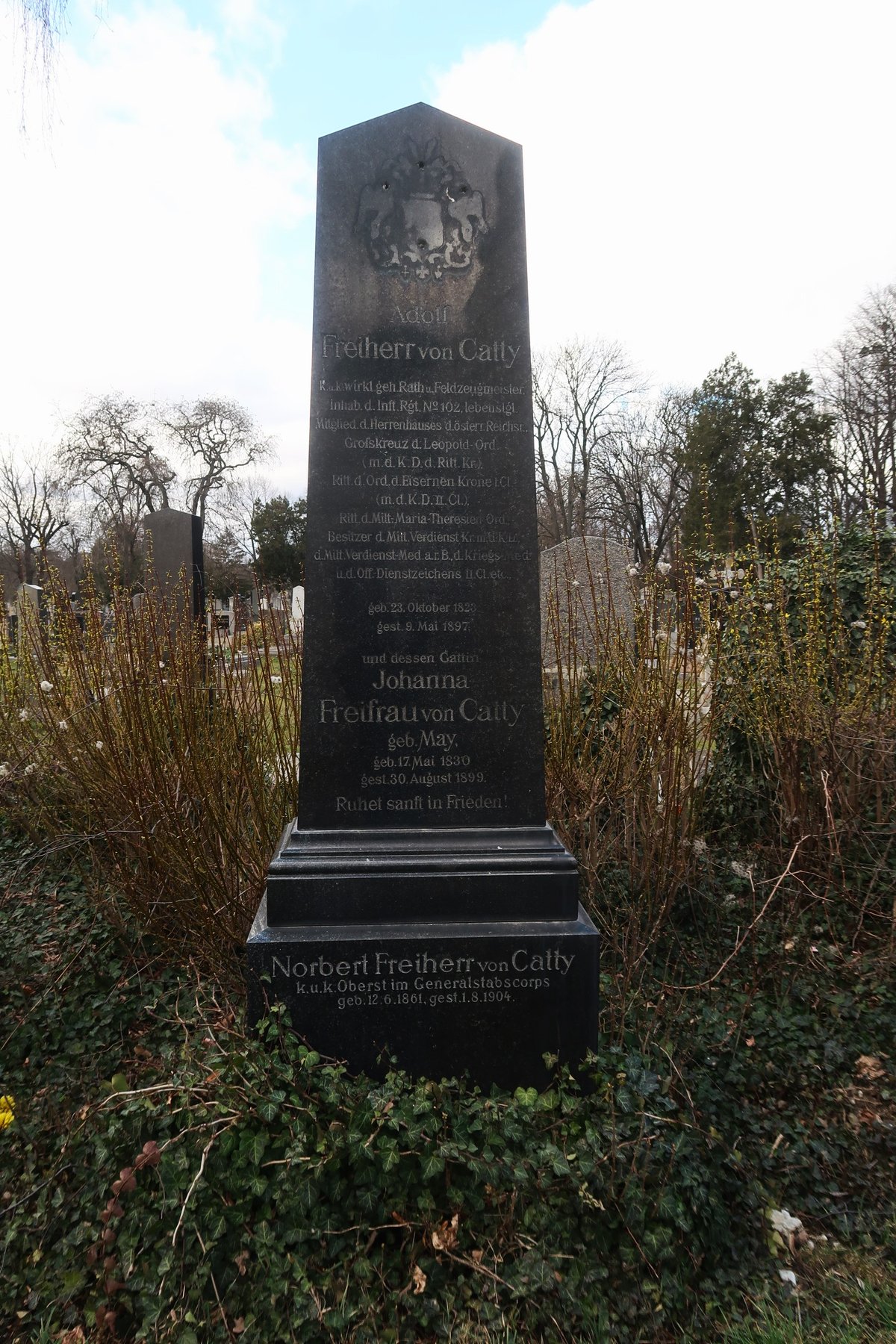
The Vienna Central Cemetery (Wiener Zentralfriedhof) stands as one of Europe’s largest and most culturally significant cemeteries, emblematic of Vienna’s rich…
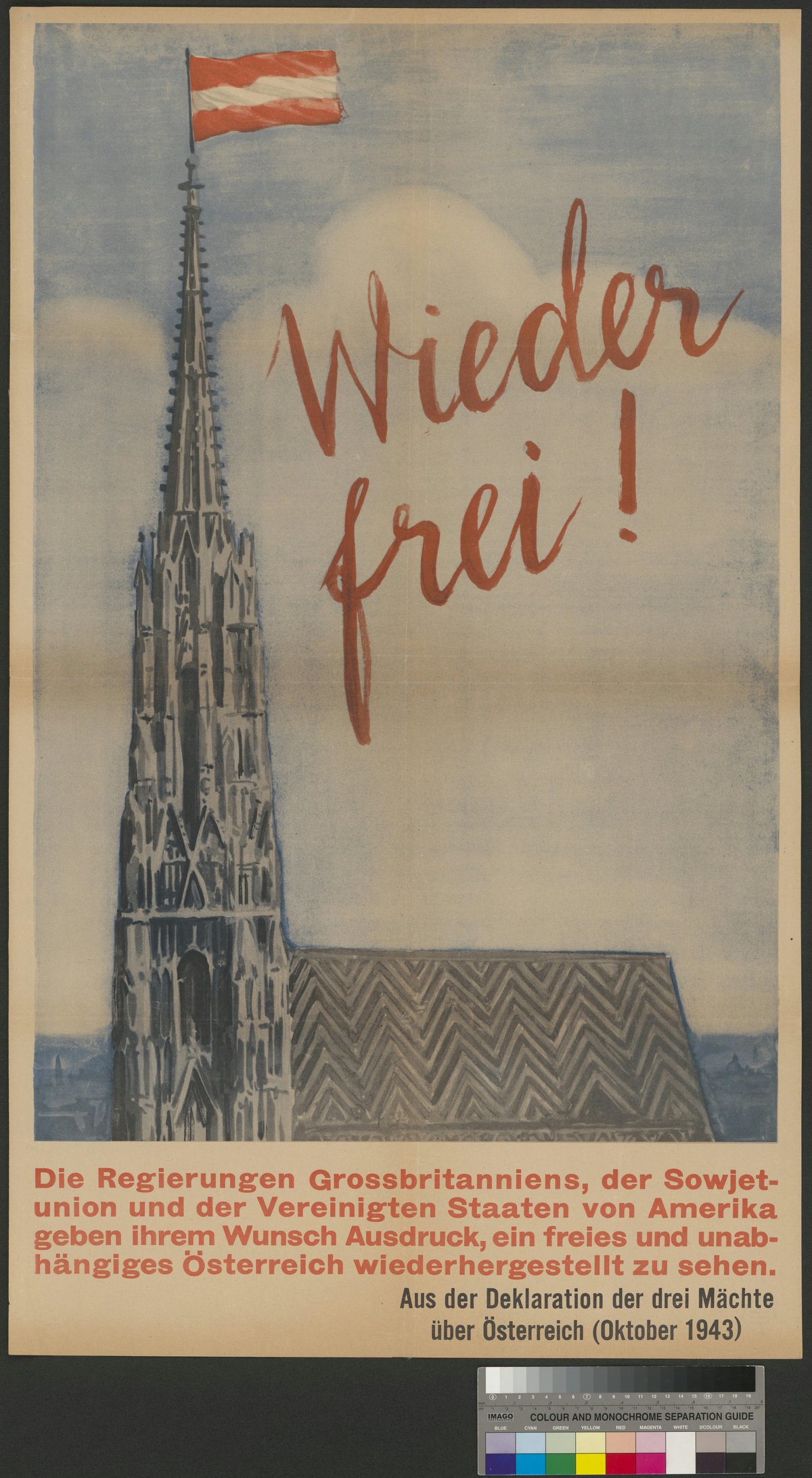
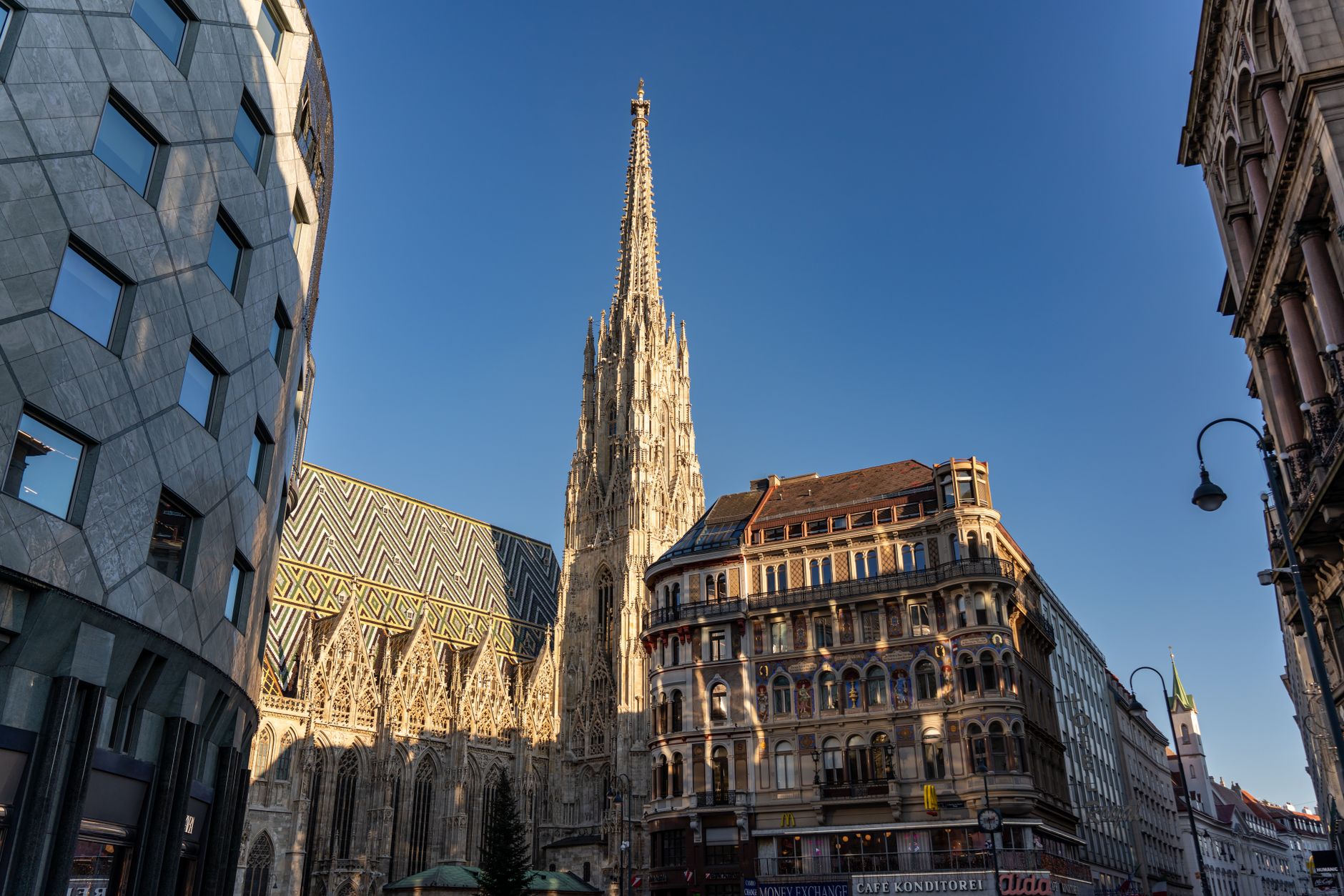
St. Stephen'S Cathedral
Stephansdom, also known as St.
Prater
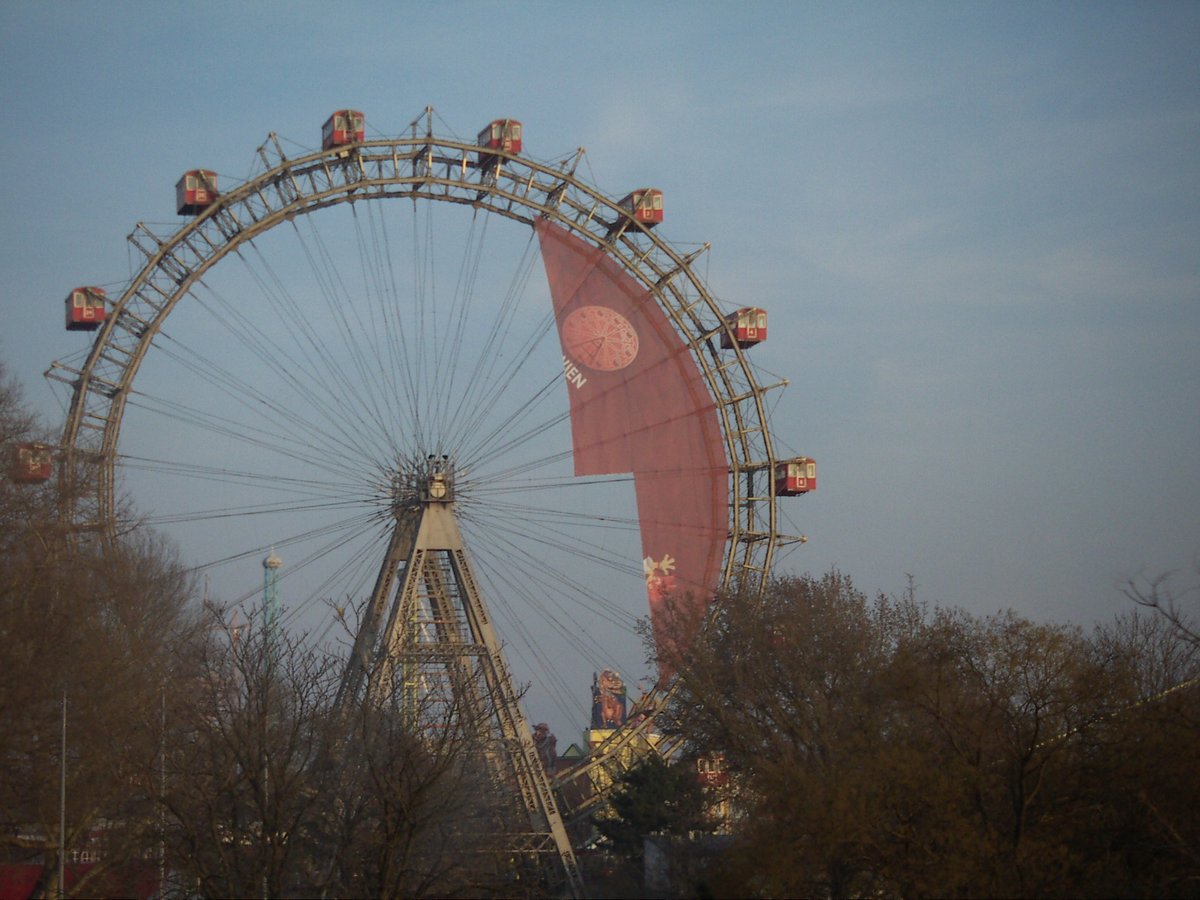
The Wurstelprater, often simply known as the Prater, is a landmark amusement park located in Vienna, Austria.
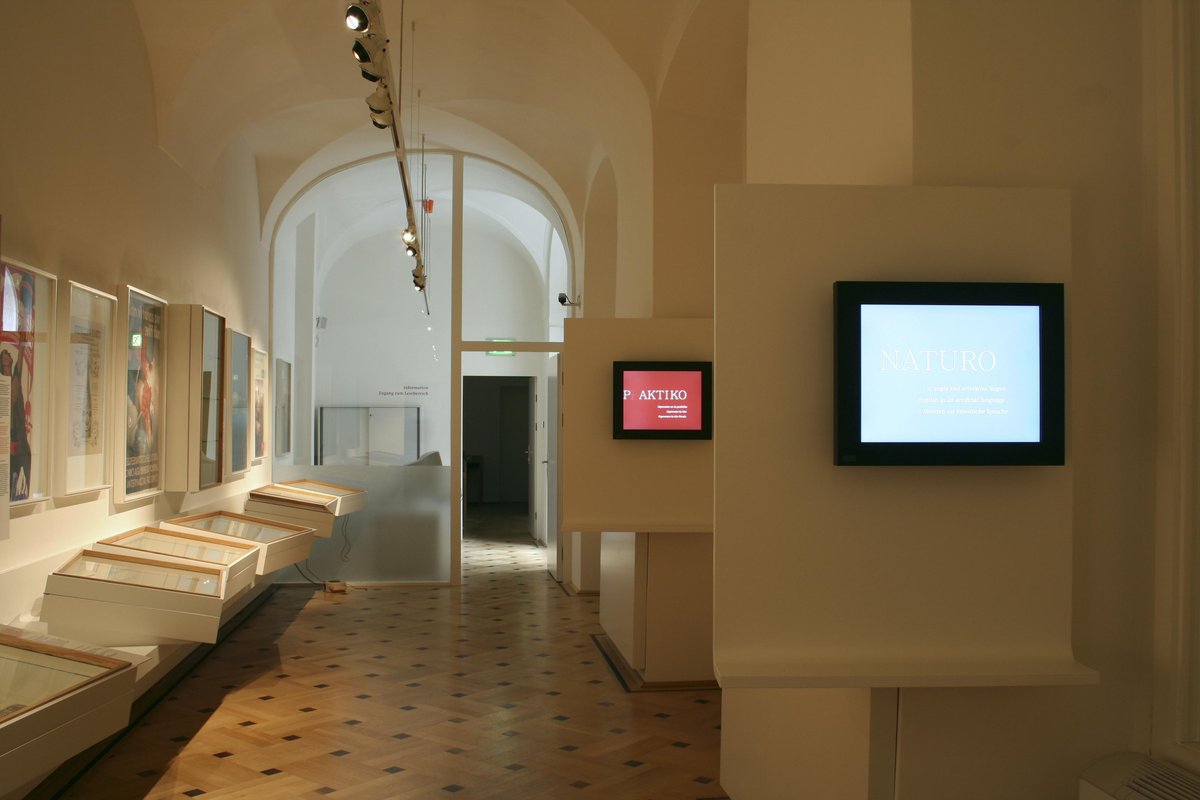
Department of Planned Languages and Esperanto Museum
Nestled in the heart of Vienna, Austria, the Department of Planned Languages and Esperanto Museum offers a captivating journey into the world of constructed…
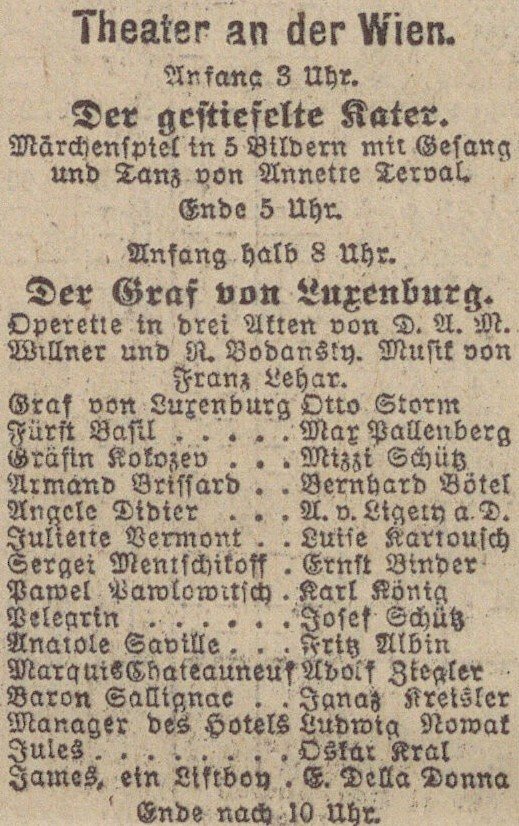
Theater an Der Wien
Nestled in the vibrant heart of Vienna, the Theater an der Wien stands as a monumental testament to over two centuries of musical innovation, architectural…
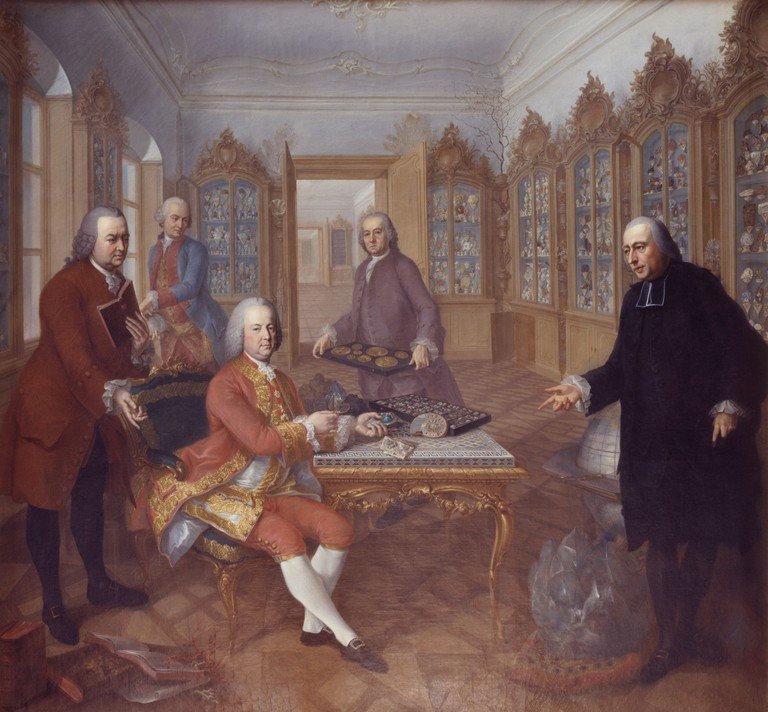
Natural History Museum, Vienna
The Natural History Museum Vienna (Naturhistorisches Museum Wien) is a monumental institution that stands at the crossroads of history, culture, and science.
Heldenplatz
Vienna's Heldenplatz rose from ruined fortifications, then became Hitler's stage and the republic's most uneasy memory ground by the Hofburg still today.
What Makes This City Special
Imperial City, Human Scale
Vienna can feel monumental at first, then suddenly intimate: the Hofburg opens onto Heldenplatz, while Schonbrunn’s formal gardens end in quiet tree-lined paths. The city’s old power centers are still alive with museums, cafés, and everyday street life.
Vienna 1900 Still Glows
Belvedere, the Leopold Museum, and the Secession trace the jump from imperial painting to modern rupture in just a few tram stops. Klimt’s gold, Schiele’s restless lines, and Otto Wagner’s clean geometry still shape how the city looks and thinks.
A Serious Music Capital
The State Opera, Musikverein, Konzerthaus, and Theater an der Wien make classical music feel like a daily habit rather than a special event. Even outside the big halls, Vienna carries a performance mood: rehearsals, church acoustics, and late-night foyer chatter.
Danube Air and Vineyard Views
Beyond the Ringstrasse, Vienna opens into water and green space: Danube Island, the Old Danube, and the Lobau wetlands. Climb to Kahlenberg or Leopoldsberg and the city reads differently, with church spires on one side and vineyard slopes on the other.
Historical Timeline
Stone Camps, Siege Lines, and Café Modernity
From Roman frontier fort to diplomatic capital on the Danube
Hunters on Danube Terraces
Long before walls and domes, people camped on high ground above the Danube’s shifting channels. Archaeological traces of hearths and tools from around 35,000 years ago show Vienna beginning as a place of shelter, water, and movement.
Rome Stakes the Danube Frontier
Roman forces under the future emperor Tiberius pushed into the Alpine foreland and fixed this river bend as a military hinge. Vienna’s first urban logic was strategic: control crossings, patrol the limes, and keep legions supplied.
Vindobona Learns Urban Rhythm
By the 1st century CE, Vindobona was more than a fort: it had workshops, baths, streets, and a civilian fringe outside camp walls. Around 100 CE, engineered sewers were already in use, giving the settlement a hard Roman infrastructure.
Emperor Dies at Vindobona
During the Marcomannic wars, Marcus Aurelius is traditionally associated with dying at Vindobona. His death bound this frontier post to imperial memory, where military urgency and philosophical legacy met in the same cold camp.
"Wenia" Appears in Writing
A medieval source records the name "Wenia," the first known written mention of Vienna. It is a small documentary moment, but it marks the city’s transition from archaeological silence into text-backed history.
Babenbergs Shift Court to Vienna
Around 1150, the Babenbergs moved their residence to Vienna and changed its trajectory for good. Court presence drew craftsmen, clerics, and merchants into tighter orbit, turning a regional settlement into a political center.
Charter Makes a Trading City
Vienna received its first town privilege in 1221, formalizing rights that mattered to commerce and municipal life. On the Danube corridor between west and east, legal status translated directly into market confidence and growth.
Habsburgs Seize the Austrian Core
After Rudolf I defeated Ottokar II, Habsburg rule took hold in Vienna and endured for centuries. The city became the dynastic engine room where imperial decisions would be drafted, taxed, staged, and remembered.
A University Opens Its Doors
Duke Rudolf IV founded the University of Vienna in 1365, giving the city a permanent intellectual institution. Lecture halls and disputations added another civic soundscape to Vienna: argument, citation, and ambition.
Stephansdom's Needle Reaches the Sky
The South Tower of St. Stephen’s Cathedral was completed in 1433 at about 136.4 meters. It became a stone declaration of urban confidence, visible far beyond the medieval street plan below.
First Ottoman Siege Holds
Suleiman I’s forces besieged Vienna in 1529, and the city held. The shock was lasting: suburbs were devastated, and from 1530 onward Vienna rebuilt itself with heavier bastioned defenses.
Plague Year, Silent Alleys
The Great Plague of 1679 emptied streets and darkened parish registers across Vienna. In a dense walled city, fear traveled as fast as rumor, and mortality left deep social and spatial scars.
September Breaks the Siege
From July 17 to September 12, Ottoman troops encircled Vienna in the second siege. Relief under John III Sobieski of Poland shattered the encampment, and the outcome became a turning point in Central European power politics.
Maria Theresa, Vienna's Daughter
Born in Vienna in 1717, Maria Theresa later ruled from imperial Vienna and reshaped Habsburg governance. Her court culture and reforms helped define the city’s 18th-century tone: ceremonial, administrative, and intensely political.
Belvedere Frames Baroque Power
The Upper Belvedere reached completion in 1723, crowning Prince Eugene’s palace complex after the Lower Belvedere of 1716. Terraces, axial gardens, and sculpted façades turned military prestige into architectural theater.
Mozart Chooses Vienna
Mozart settled in Vienna in 1781 and found the city both demanding and catalytic. Here he wrote for sharp-eared audiences, court circles, and public stages, turning Vienna into the center of his mature creative life.
Napoleon Shatters the Old Walls
Napoleon occupied Vienna again in 1809, and parts of its fortifications were blown up. The old defensive envelope was no longer a guarantee, and the city’s future moved toward redesign rather than siege endurance.
Ringstrasse Gains Its Opera House
The Vienna State Opera opened on 25 May 1869 with Mozart’s Don Giovanni. It stood as a flagship of the Ringstrasse era, where demolition of old walls became monumental boulevards and cultural institutions.
Mountain Water by Gravity
On 24 October 1873, the First Vienna Spring Water Main was inaugurated: roughly 120 km long, costing 16 million gulden. Clean alpine water transformed public health and daily life, from fountains and laundries to kitchens and breweries.
Klimt Leads the Secession Break
In 1897, Gustav Klimt and allies split from conservative art institutions to found the Vienna Secession. The move gave Vienna a new visual language of flat gold, nervous line, and modern self-questioning.
Ferris Wheel Turns Above Prater
The Giant Ferris Wheel rose in the Prater in 1897 for Emperor Franz Joseph’s jubilee. Its slow rotation offered something new: a moving panorama where Vienna could watch itself becoming a metropolis.
Freud Maps the Unconscious Here
Around 1900, with The Interpretation of Dreams in print, Freud’s Vienna became a laboratory of inner life. Consulting rooms, cafés, and publishing houses made the city a nerve center of modern psychology.
Empire Falls, Republic Declared
On 12 November 1918, after Habsburg collapse, Vienna became capital of the new republic. Palace city turned parliamentary city almost overnight, carrying imperial architecture into a leaner political age.
Civil War in Karl-Marx-Hof
From 12 to 15 February 1934, fighting in Vienna escalated into civil war, including shelling of municipal housing like Karl-Marx-Hof. The clash ended democratic pluralism and opened the authoritarian Ständestaat period.
Anschluss Absorbs the City
In March 1938, Austria was annexed to Nazi Germany, and Vienna was folded into the regime’s political machinery. By November, synagogues were attacked in pogrom violence, marking a brutal rupture in the city’s civic fabric.
April 1945: Fire and Rubble
Heavy fighting in April 1945 devastated central Vienna as Nazi rule collapsed. St. Stephen’s burned, housing losses were severe, and thousands of bomb craters scarred the city; reconstruction would define the next decade.
State Treaty at the Belvedere
On 15 May 1955, the Austrian State Treaty was signed at the Belvedere, ending occupation and restoring sovereignty. Vienna stepped out of four-power administration and back into self-directed national and municipal life.
Vienna Digs a Metro Future
The first modern U-Bahn line opened in 1978 after years of planning and construction. Underground stations reordered commuting rhythms and stitched historic districts to growing outer neighborhoods.
UNO-City Opens to the World
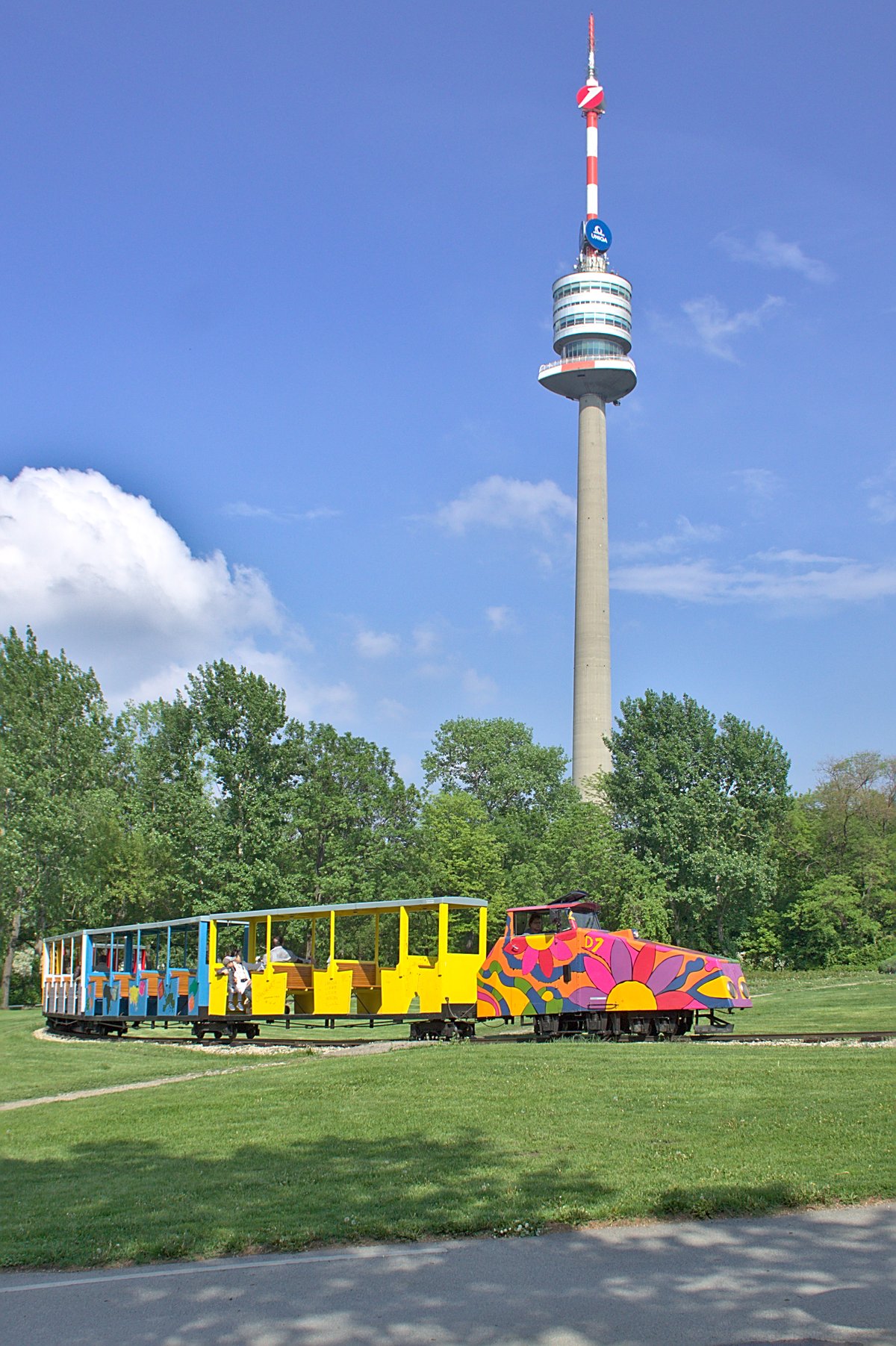
UNO-City opened in 1979, confirming Vienna as one of the UN’s main headquarters cities. Alongside institutions like the IAEA and OPEC, the city’s identity shifted from imperial capital to diplomatic crossroads.
UNESCO Lists the Historic Core
In 2001, the Historic Centre of Vienna entered the UNESCO World Heritage list. The designation formalized what the streets already reveal: Roman traces, Gothic verticals, Baroque theater, and Ringstrasse grandeur layered in one walkable bowl.
Notable Figures
Wolfgang Amadeus Mozart
1756–1791 · ComposerMozart arrived in Vienna and turned the city into his workshop, writing music that still fills its halls. You can still trace his orbit from church towers to courtly rooms. He would recognize the ambition in Vienna’s nightly concert calendar.
Ludwig van Beethoven
1770–1827 · ComposerBeethoven came to Vienna as a young musician and stayed for life, composing through illness and deafness in rented rooms across the city. His Vienna is one of ink-stained desks and stubborn reinvention. Today’s mix of grandeur and grit would have suited him.
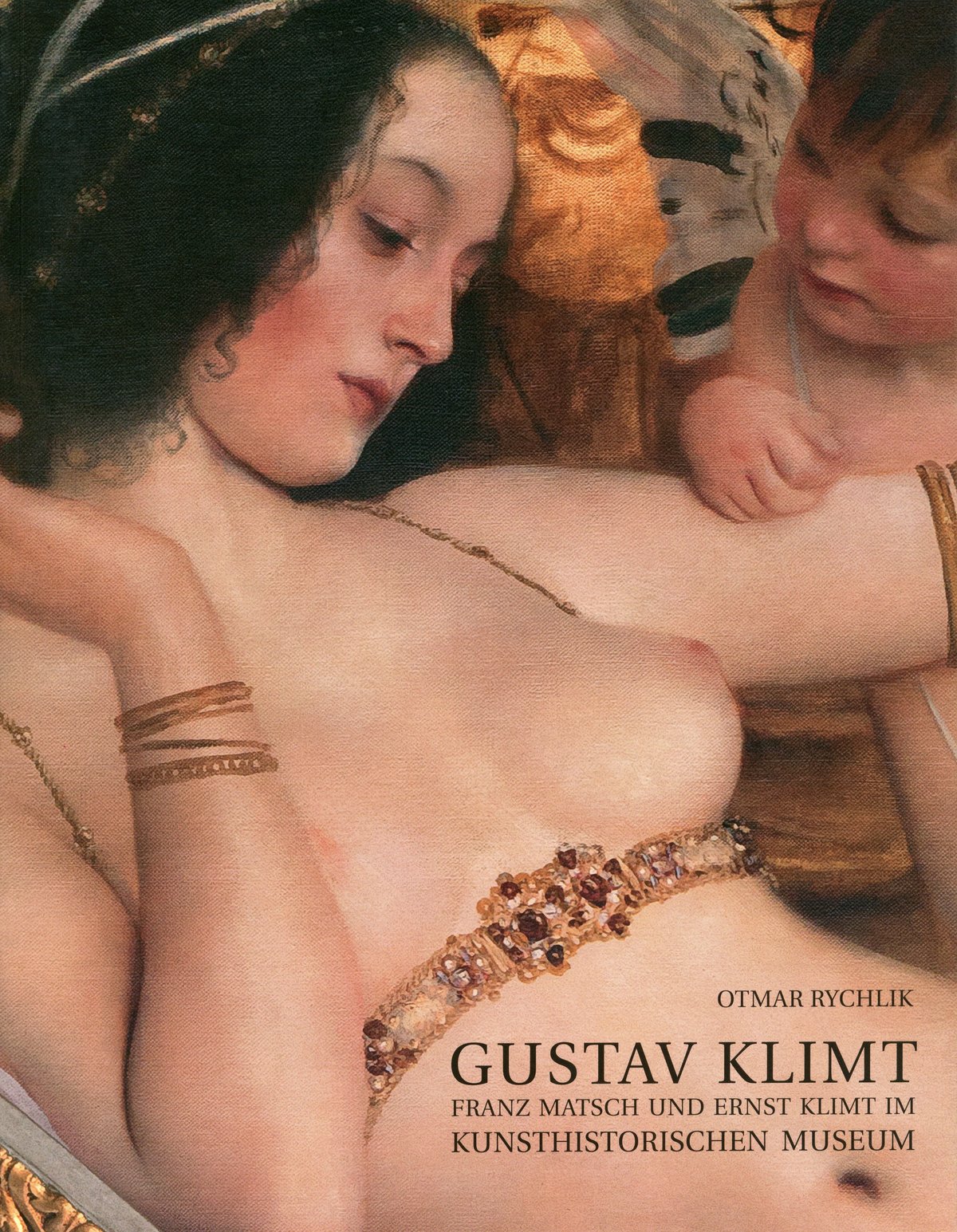
Gustav Klimt
1862–1918 · PainterKlimt helped split Vienna from old artistic rules, then gave it new gold-lit symbols of desire and anxiety. Standing before his works in Belvedere or the Secession feels like entering the city’s nervous system. He would see that Vienna still argues productively with tradition.
Sigmund Freud
1856–1939 · Neurologist and PsychoanalystFreud read Vienna as if it were a mind: polished on the surface, turbulent underneath. His consulting rooms turned private fears into public language. He would likely find today’s Vienna calmer, but still full of revealing contradictions.
Maria Theresa
1717–1780 · Habsburg RulerMaria Theresa ruled from imperial Vienna and reshaped education, administration, and state power across her realms. The ceremonial geometry of palaces and squares still carries her political imagination. She would read modern Vienna as disciplined, civic, and surprisingly livable.
Hedy Lamarr
1914–2000 · Actor and InventorBefore Hollywood and wartime invention, Hedy Lamarr was a Viennese girl absorbing a city obsessed with culture and engineering. Her later frequency-hopping patent gave her story an unexpected second act. In today’s tech-minded Vienna, she would feel less underestimated.
Niki Lauda
1949–2019 · Formula One ChampionLauda carried a distinctly Viennese mix of precision and blunt honesty into Formula One. After near-fatal injury, he returned to win again, turning discipline into legend. He would appreciate a city that values competence over noise.
Plan your visit
Practical guides for Vienna — pick the format that matches your trip.
Vienna Money-Saving Passes & Cards
Honest guide to Vienna passes and tourist cards: which ones save money, which ones do not, and the break-even math for transport, museums, and short trips.
Vienna First-Time Visitor Tips From Someone Who Lives Here
First-time tips for Vienna from a local point of view: airport ticket traps, station scams, where not to overpay, and the smart way to handle key sights.
Photo Gallery
Explore Vienna in Pictures
A stunning elevated view of the historic Schönbrunn Palace in Vienna, Austria, framed by lush gardens and the sprawling city skyline during the golden hour.
Vladimir Srajber on Pexels · Pexels License
A stunning aerial perspective of a traditional church spire rising above the dense, historic rooftops of Vienna, Austria.
Ghassan Alkhatib on Pexels · Pexels License
A view of the grand neoclassical architecture and tram lines leading toward the Kunsthistorisches Museum in Vienna, Austria.
Nikolai Kolosov on Pexels · Pexels License
A bright, sunny day at the iconic Vienna State Opera house, showcasing the historic architecture and vibrant street life in the heart of Vienna, Austria.
Ivan Dražić on Pexels · Pexels License
The magnificent Gothic spire and colorful tiled roof of St. Stephen's Cathedral stand out against the clear blue sky in the heart of Vienna, Austria.
Vladimir Srajber on Pexels · Pexels License
The magnificent Hofburg Palace in Vienna, Austria, stands as a stunning example of imperial architecture under a clear blue sky.
Elijah Cobb on Pexels · Pexels License
The historic Maria Theresa Monument stands proudly before the grand dome of the Natural History Museum in Vienna, Austria.
Saša Radojčić on Pexels · Pexels License
The majestic Karlskirche stands as a masterpiece of Baroque architecture in Vienna, Austria, overlooking a peaceful reflecting pool.
Nikolai Kolosov on Pexels · Pexels License
The majestic architecture of the Kunsthistorisches Museum stands as a testament to the imperial history of Vienna, Austria.
Ozan Tabakoğlu on Pexels · Pexels License
The magnificent Vienna State Opera stands as a historic landmark in the heart of Vienna, Austria, captured during a quiet moment of city life.
Vish Pix on Pexels · Pexels License
The majestic Neue Burg wing of the Hofburg Palace stands under a clear blue sky in the heart of Vienna, Austria.
ZAMMIT Richard on Pexels · Pexels License
A stunning view of the historic Vienna State Opera house, showcasing its intricate Renaissance Revival architecture under a clear blue sky.
Djordje Ristic on Pexels · Pexels License
Practical Information
Getting There
As of 2026, Vienna International Airport (VIE) in Schwechat is the main gateway, about 20 km from the center; Railjet reaches Wien Hauptbahnhof in about 15 minutes, CAT reaches Wien Mitte in 16 minutes, and S7 in about 25 minutes. Main rail hubs are Wien Hauptbahnhof, Wien Meidling, and Wien Westbahnhof, with Wien Mitte as the key airport-city transfer station. Major road links are A1 (west), A2 (south), A4 (east/airport toward Bratislava and Budapest), and A23 as the main urban bypass.
Getting Around
Vienna’s public transport network in 2026 runs on 5 U-Bahn lines (U1, U2, U3, U4, U6), about 29 tram lines, and about 135 bus routes, with 24-hour U-Bahn service on Friday/Saturday nights and pre-holiday nights. Standard fares are EUR 3.20 for a single ticket, EUR 10.20 for 24 hours, and EUR 28.90 (paper) or EUR 25.20 (digital) for 7 days. The Vienna City Card starts at EUR 19 (24h), and WienMobil Rad adds over 3,000 shared bikes across all 23 districts at about EUR 0.75 per 30 minutes.
Climate & Best Time
Vienna has a continental pattern: spring (April-May) is often around 10-20 C, summer (June-August) around 22-30 C with occasional spikes above 35 C, autumn (September-October) around 10-20 C, and winter near 0 C. There is no true rainy season, but summer usually brings more storm-like rain bursts. For 2026 travel, April-June and September-October give the best walking weather, while July-August and December are the busiest periods.
Language & Currency
German is the official language, but English is widely spoken in hotels, museums, and transport touchpoints. The currency is the euro, and card payments are common in 2026, though some smaller places still prefer cash for low-value purchases. City Wi-Fi is broad, with hundreds of public hotspots in areas like Stephansplatz, MuseumsQuartier, and Naschmarkt.
Safety
As of 2026, Austria is listed by the U.S. as Level 1 (exercise normal precautions), and Vienna is generally considered safe for visitors. The main risk is pickpocketing in crowded zones such as major stations, U-Bahn interchanges, and dense inner-city corridors. Keep emergency numbers handy: 112 (EU emergency), 133 (police), 144 (ambulance), and 122 (fire).
Where to Eat
Don't Leave Without Trying
Café Central
cafeOrder: Go classic: a Wiener Melange with Apfelstrudel; add Kaiserschmarrn if you want the full old-school dessert hit.
This is the grand coffeehouse fantasy done at full scale. Yes, it is famous and busy, but the room and pastry program still justify the stop.
Café Landtmann
cafeOrder: Order Wiener Schnitzel and finish with a warm apple strudel or Gugelhupf with coffee.
Landtmann feels polished but not stiff, and it works at almost any hour. It is one of the best places to do a proper coffeehouse meal, not just cake.
Café Sacher
cafeOrder: Get the Original Sacher-Torte with unsweetened whipped cream and a black coffee.
This is a must for chocolate-cake pilgrims and old Vienna atmosphere. Go for the icon, manage expectations on pace, and enjoy the ritual.
Café Hawelka
cafeOrder: Order a Melange and the famous Buchteln when available, still the house signature.
Hawelka keeps the bohemian, nicotine-stained soul of old Vienna alive. It is less polished than the grand cafés and more characterful for it.
Café Mozart
cafeOrder: Try the house cake selection with a Verlängerter, or go savory with a classic schnitzel at lunch.
Excellent location near the Albertina with a classic interior and all-day coffeehouse rhythm. Good when you want heritage style without full Central-level crowds.
Plachutta Wollzeile
local favoriteOrder: Order the Tafelspitz served in broth with the classic sides; this is the benchmark dish here.
If you want one definitive Tafelspitz meal in the center, this is the address. The service knows the ritual and executes it smoothly.
Griechenbeisl
local favoriteOrder: Go for Wiener Schnitzel or Tafelspitz with a glass of Austrian red from the strong local list.
One of Vienna’s oldest dining rooms, but it still feels like a real restaurant, not a museum set. Great pick for traditional dishes in a historic mood.
Salm Bräu
local favoriteOrder: Pair the house beer with roast pork knuckle or schnitzel; portions are generous and very tavern-style.
Big, lively brewery energy with dependable Austrian comfort food. Perfect when you want traditional flavors without fine-dining formality.
1516 Brewing Company
local favoriteOrder: Start with a beer flight, then go for hearty pub plates like ribs or schnitzel-style mains.
Reliable late hours, strong house brews, and central location make it a practical winner. It is one of the easiest solid casual nights in the 1st district.
7Stern Bräu
local favoriteOrder: Order a tasting set of house beers and pair it with schnitzel or other classic beer-hall dishes.
A Neubau staple with a relaxed local crowd and good-value food. Better choice than center-city pubs when you want neighborhood energy.
Brasserie Palmenhaus Wien
local favoriteOrder: Go for schnitzel or seasonal brasserie plates, then stay for aperitif-style cocktails in the evening.
The glasshouse setting in Burggarten is one of the city’s best-looking rooms. It is especially good for long lunches and early-evening drinks.
Zum Schwarzen Kameel
quick biteOrder: Order a spread of belegte Brötchen (open sandwiches) with Austrian wine, then add goulash if you want something warm.
Sharp, fast, and very Viennese: this is where you snack, drink, and people-watch well. Great for a stylish quick stop between museum rounds.
Dining Tips
- check Tip by rounding up or adding about 5-10%; tell the server the total you want to pay when settling.
- check Cards are common in central areas, but traditional places may still prefer cash, so carry some euros.
- check Book ahead for dinner at famous classics and weekends, especially in the 1st district.
- check Coffeehouses are designed for lingering, so a long stay over one coffee is normal.
- check Typical meal rhythm: lunch 12:00-14:00, dinner 18:00-21:00; kitchens may slow after 21:30.
- check For iconic cafés, go early morning or late evening to avoid the longest queues.
- check At brewpubs and taverns, house beer or Austrian wine by the quarter liter is usually the best-value order.
- check Sunday and holiday hours can be reduced outside tourist zones, so check same-day opening times.
Restaurant data powered by Google
Tips for Visitors
Choose Airport Rail
From VIE, pick by destination: Railjet reaches Wien Hauptbahnhof in about 15 minutes, S7 reaches Wien Mitte in about 25 minutes, and CAT is 16 minutes non-stop to Wien Mitte but pricier at €14.90.
Validate Paper Tickets
If you buy paper transit tickets, stamp them before first use. Unvalidated tickets can be treated as invalid during inspections.
Use Late U-Bahn
Vienna’s U-Bahn runs 24 hours on Friday and Saturday nights and before public holidays, usually every 15 minutes. On other nights, use night buses from around 00:30 to 05:00.
Guard Crowded Zones
Vienna is generally safe, but pickpocket risk rises in crowded hubs like major stations, interchanges, markets, and inner-city tourist corridors. Keep phones and wallets out of back pockets.
Tip By Rounding
In restaurants and taxis, 5-10% is customary if service was good. Many locals round up the bill instead of leaving coins on the table.
Stack Free Stops
Balance paid museums with free highlights: Wien Museum’s permanent exhibition is free, and MQ Libelle offers a central panoramic terrace at no cost. It keeps art-heavy days affordable.
Time Around Heat
April-June and September-October are the easiest months for long walks and park time. July-August can be hot, with days over 30°C and occasional spikes above 35°C.
Explore the city with a personal guide in your pocket
Your Personal Curator, in Your Pocket.
Audio guides for 1,100+ cities across 96 countries. History, stories, and local insight — offline ready.
Audiala App
Available on iOS & Android
Join 50k+ Curators
Frequently Asked
Is vienna worth visiting? add
Yes, especially if you like cities where imperial history and everyday life overlap block by block. You can move from Roman-era layers and Habsburg palaces to modern art campuses and Danube green spaces in one day. It rewards both first-time sightseeing and slower neighborhood wandering.
How many days in vienna? add
Plan 3-5 days for a strong first trip. Three days covers core sights like Stephansdom, Schönbrunn, Belvedere, and one major museum cluster. With 4-5 days, you can add deeper cuts like Secession, Zentralfriedhof, and a day trip to Wachau or Klosterneuburg.
How do I get from Vienna airport to the city center? add
The fastest options are Railjet to Wien Hauptbahnhof (about 15 minutes) or CAT to Wien Mitte (16 minutes). S7 is slower at about 25 minutes to Wien Mitte but usually cheaper. Airport buses and fixed-fare taxis are good if your hotel is not near a rail stop.
Do I need a separate ticket for Vienna airport transport? add
Yes, usually. Vienna core-zone public transport tickets do not fully cover trips to VIE, and CAT/airport buses require their own operator tickets. Check current prices in WienMobil or ÖBB at purchase because airport fare references vary across official pages.
Is vienna safe for tourists at night? add
Yes, Vienna is generally very safe, and Austria is listed by the U.S. as Level 1: Exercise Normal Precautions. The main issue is petty theft in crowded places, not violent crime. Use normal city habits around stations, busy trams, and major event areas.
Is vienna expensive for travelers? add
Vienna is mid-to-high cost by Central European standards, but it is manageable with planning. Public transport is efficient and predictable, with a single ticket at €3.20 and 24-hour ticket at €10.20. Mixing paid landmarks with free views and museums helps control daily spend.
Is the Vienna City Card worth it? add
It is worth it if you will use public transport frequently and visit multiple discount partners. As of March 2026, official prices start at €19 for 24 hours and go up to €39 for 7 days. If your plan is only a few attractions, compare against pay-as-you-go tickets first.
Can I speak English in vienna? add
Yes. German is the official language, but English is widely spoken in tourism, transport, and hospitality. Tourist Info services are multilingual, and city tools like ivie and the AI concierge support many languages.
Sources
- verified Vienna Tourist Board - Airport to Center — Airport transfer options, timings, and ticket guidance.
- verified Vienna International Airport - CAT — CAT journey time, schedule window, and fares.
- verified Wiener Linien - Public Transport & Tickets — Official network maps, operating details, and ticket prices.
- verified Vienna Tourist Board - Money Needs — Currency, card acceptance, ATMs, exchange, and tipping guidance.
- verified Vienna Tourist Board - Climate and Weather — Seasonal climate patterns and temperature context for trip timing.
- verified U.S. Department of State - Austria Travel Advisory — Current safety advisory level and baseline risk context.
- verified Encyclopaedia Britannica - Vienna-linked Figures — Biographical verification for major historical figures with documented Vienna ties.
Last reviewed: