
Architectural Landmarks and Urban Identity
Karlskirche: Baroque Splendor
Karlskirche, commissioned by Emperor Charles VI in 1713 and completed in 1737, is a masterpiece of Baroque architecture. Designed by Johann Bernhard Fischer von Erlach and his son Joseph Emanuel, its green dome and twin columns—modeled after Rome’s Trajan’s Column—are iconic features (Official Karlskirche Website). The church’s interior boasts intricate frescoes and stucco work, and its panorama lift offers close-up views of the dome frescoes and panoramic city vistas (Vienna Unwrapped). Renowned for acoustics, Karlskirche regularly hosts classical concerts, especially works by Vivaldi and Mozart.
Otto Wagner’s Stadtbahn Pavilions
On the square’s north side, Otto Wagner’s twin pavilions (1898–99) showcase Vienna’s Jugendstil (Art Nouveau) movement, with curvilinear ironwork, marble, and gilded ornaments (Vienna Museum, Vienna Unwrapped). Originally railway entrances, today one pavilion is a café and the other a museum dedicated to Wagner’s life and work.
Wien Museum and Modern Additions
The Wien Museum, reopened in December 2023 after a major renovation, chronicles Vienna’s history, art, and culture across three floors (Wien Museum Official Site). Its modern architecture and exhibitions on Gustav Klimt, Egon Schiele, and Adolf Loos underline Vienna’s commitment to preserving and presenting its cultural legacy.
Resselpark and Public Art
Resselpark, named after inventor Josef Ressel, is Karlsplatz’s largest green space. Redesigned in the 1970s, it features monuments to Johannes Brahms and Siegfried Marcus, and the striking “Hill Arches” sculpture by Henry Moore (Vienna Parks). The park offers a tranquil retreat amid the urban energy.
Karlsplatz as a Transportation Hub
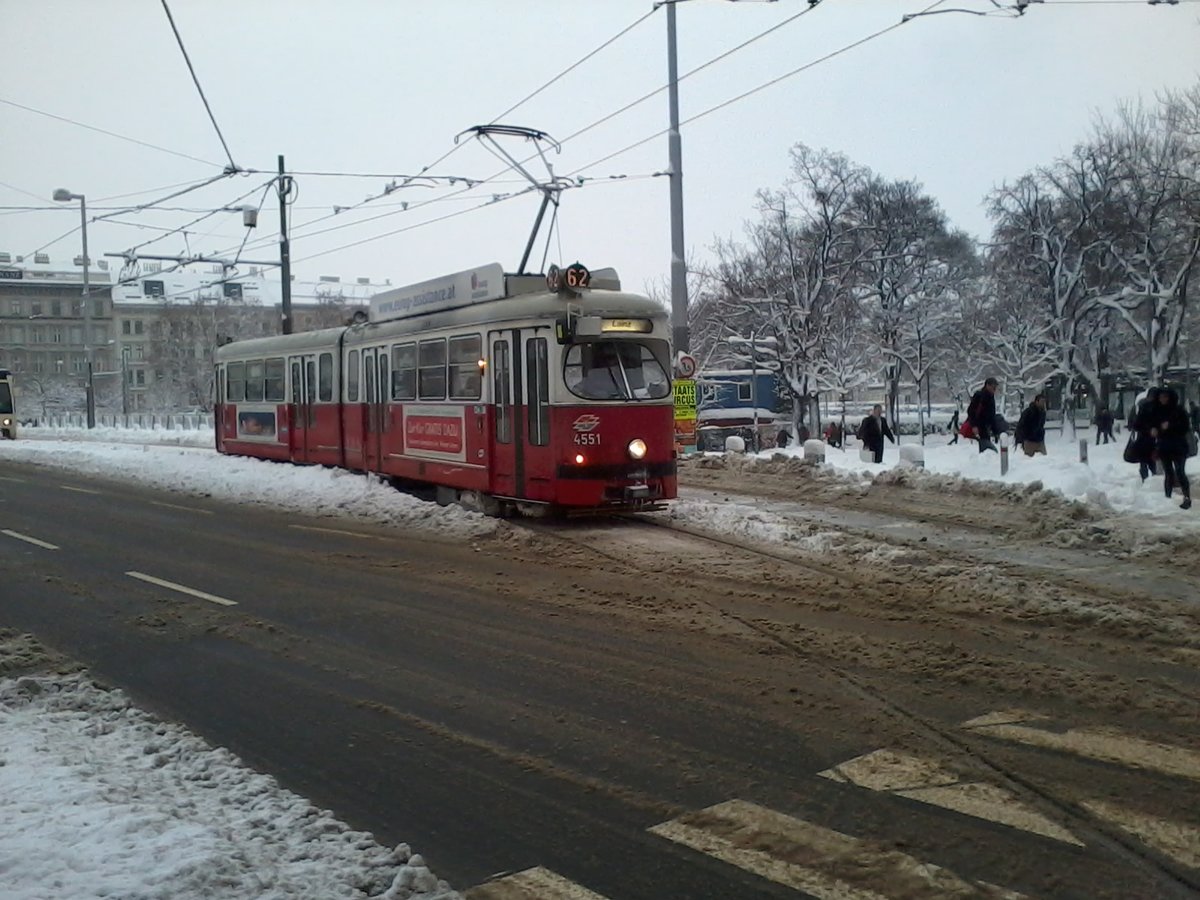
Karlsplatz is Vienna’s busiest transportation node, served by U-Bahn lines U1, U2, and U4, as well as trams and buses (Vienna Public Transport). The square links the historic city center with vibrant neighborhoods and is adjacent to the Vienna University of Technology, making it a dynamic urban crossroads.
Visitor Information: Hours, Tickets, and Accessibility
- Karlsplatz Square Open public space, accessible 24/7.
- Karlskirche Mon–Sat 9:00–18:00, Sun 12:00–19:00.
Entry: €8 adults, discounts for students/seniors. Guided tours and concerts available (Official Website). - Wien Museum Tue–Sun 10:00–18:00, closed Mondays.
Free permanent exhibitions; special exhibitions €10–15 (Wien Museum). - Otto Wagner Pavilion Museum Daily 10:00–17:00.
Entry: €5; combined tickets available. - Secession Building Tue–Sun 10:00–18:00.
Entry: €9, discounts for students/seniors. - Accessibility All major sites offer wheelchair access; Karlskirche’s dome lift is accessible.
- Transport U1/U2/U4 Karlsplatz station, trams (1, 2, D), and buses.
Nearby Attractions and Travel Tips
- Naschmarkt Vienna’s iconic open-air food market, a short walk away.
- Vienna State Opera World-class performances and guided tours.
- Secession Building Home to Klimt’s Beethoven Frieze and contemporary exhibitions.
- Vienna University of Technology Historic campus bordering Resselpark.
- Cafés and Restaurants Try a Wiener Melange and Sachertorte at nearby coffeehouses.
Tip: Early mornings or late evenings are ideal for fewer crowds and atmospheric photos. Consider the Vienna City Card for unlimited public transport and attraction discounts (ViennaGuru).
Social and Cultural Transformations
The Wieden district, adjacent to Karlsplatz, played a pivotal role in the 1848 revolution, commemorated by local plaques (Connecting Vienna). Postwar urban planning introduced modern elements and new green spaces. Since 2004, cultural revitalization has included art festivals, concerts, and the renowned Art Advent Christmas Market—focusing on handmade crafts and organic food (Vienna Events, VisitingVienna).
Integration with Vienna’s Urban Fabric
Karlsplatz bridges Vienna’s historical heart and its creative, modern neighborhoods. Proximity to cultural landmarks, embassies, and innovative boutiques reflects the city’s blend of tradition and progress (Vienna Hipster Guide).
Preservation and Ongoing Significance
Continual restoration of the Otto Wagner pavilions, Karlskirche, and Wien Museum demonstrates Vienna’s dedication to architectural and cultural preservation. Today, Karlsplatz is animated by students, artists, commuters, and visitors, offering a dynamic snapshot of Vienna’s past and present (Wien Museum Official Site, Vienna Tourism Official Site).
Frequently Asked Questions (FAQ)
Q: What are Karlsplatz visiting hours?
A: The square is open 24/7. Karlskirche is open Mon–Sat 9:00–18:00, Sun 12:00–19:00.
Q: Do I need tickets for Karlsplatz attractions?
A: The square is free; tickets are needed for Karlskirche, Wien Museum, Secession, and concerts.
Q: Is Karlsplatz wheelchair accessible?
A: Yes, major sites and public areas are accessible.
Q: How do I get to Karlsplatz?
A: Via U1, U2, U4 lines (Karlsplatz station), trams, and buses.
Q: Are guided tours available?
A: Yes, guided tours of Karlskirche and Otto Wagner pavilions can be booked in advance.
Q: What are the top nearby attractions?
A: Naschmarkt, State Opera, Secession Building, Belvedere Palace, Vienna University of Technology.
Plan Your Visit to Karlsplatz Today!
Karlsplatz is a cornerstone of Vienna’s cultural landscape, offering a unique blend of architectural heritage, lively events, green spaces, and culinary delights. For the best experience, plan your itinerary using this guide, book tickets in advance, and download the Audiala app for real-time info, guided tours, and insider tips. Don’t forget to explore nearby attractions and enjoy Vienna’s living heritage!
Visuals and Media
- Karlskirche Baroque dome (alt: “Karlskirche Baroque Dome at Karlsplatz Vienna”)
- Otto Wagner Stadtbahn pavilion (alt: “Art Nouveau Otto Wagner Pavilion at Karlsplatz”)
- Resselpark with Henry Moore sculpture (alt: “Resselpark Green Space and Henry Moore Sculpture at Karlsplatz”)
- Wien Museum façade (alt: “Wien Museum building at Karlsplatz”)
Interactive Map: Karlsplatz Location and Attractions Map