Historical Development of Troststraße
Troststraße’s roots stretch back to the late 19th century, officially named in 1894 after Michael Martin Trost, a local butcher and city councilor (Wikipedia). Early segments, formerly known as Schaumburgerstraße and Marxergasse, reveal the area’s evolving urban landscape.
The oldest buildings still stand near Favoritenstraße and Triester Straße, representing Vienna’s transition from imperial grandeur to a modern metropolis. The street’s role as a key east-west axis was cemented during the city’s rapid industrialization, accommodating workers and fostering a dense, lively neighborhood.
Urban and Social Significance
Troststraße acts as a connector between major roads and is central to Favoriten’s growth, bridging old and new Vienna. Its middle section, lined with interwar municipal housing (notably the Victor-Adler-Hof), exemplifies the city’s “Red Vienna” social reform era and commitment to affordable housing (Wikipedia). Post-WWII, modern housing projects added further diversity. The street showcases both the district’s historic roots and ongoing transformation.
Architectural Highlights
Jugendstil & Social Housing
- Lauberger & Gloss Piano Factory (No. 108–110) Built 1906, this rare Jugendstil (Art Nouveau) structure is commemorated with a plaque (Wikipedia).
- Victor-Adler-Hof This interwar social housing complex (1923–1924) features distinctive gabled balconies and is a landmark of Vienna’s social architectural tradition.
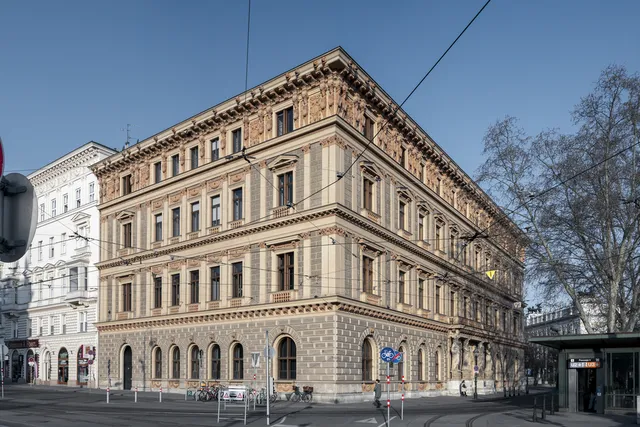
- Late Historicist Blocks At each end of Troststraße, ornate apartment buildings from around 1900 frame the street, while functionalist and modernist developments dominate the center (LinkedIn).
Troststraße & Favoriten: A Multicultural District
Favoriten, Vienna’s most populous district, is a melting pot of cultures and the historic heartland of the city’s working class (tourmycountry.com). Troststraße buzzes with shops, cafes, and eateries representing Turkish, Balkan, Asian, and Austrian influences. Markets like Viktor-Adler-Markt are hubs of local life, offering fresh produce, street food, and a lively atmosphere (limehome.com).
Transportation & Accessibility
Visiting Hours & Tickets
Troststraße is a public street, accessible 24/7 with no ticket required.
The U1 Troststraße U-Bahn station operates daily from around 5:00 AM to midnight, with 24-hour weekend service (Wiener Linien).
Getting There
- U-Bahn U1 line, Troststraße station, direct to/from city center.
- Tram Lines O and 11 serve the area.
- Bus Lines 66A and 65A.
- Cycling & Walking Vienna’s extensive bike lanes and pedestrian-friendly streets make exploring easy.
Accessibility
Troststraße U-Bahn station is fully accessible, offering elevators, escalators, step-free access, and tactile guidance for the visually impaired (Wiener Linien Accessibility).
Cultural & Social Life
Troststraße’s heart beats with community events, multicultural markets, and a vibrant street scene. Cafés, bakeries, and beisls (taverns) offer everything from schnitzel to Middle Eastern pastries. The Viktor-Adler-Markt is especially lively on Saturdays.
Community centers host intercultural events and festivals, while public art and murals reflect the neighborhood’s diversity and social narratives (theviennablog.com, vienna-unwrapped.com).
Safety & Visitor Tips
Favoriten and Troststraße are generally safe, lively, and welcoming. Standard urban awareness is recommended, especially at night (Reddit). Respect local customs in shops and religious sites; a few words of German are appreciated.
Travel Tips:
- Walk the street to appreciate its architecture and multicultural life.
- Try local beisls and bakeries for authentic cuisine.
- Visit markets in the morning for the freshest experience.
- Consider the Vienna City Card for unlimited travel and attraction discounts (Vienna City Card info).
Must-See Attractions & Hidden Gems
- Victor-Adler-Hof Iconic interwar social housing.
- Lauberger & Gloss Piano Factory Jugendstil architecture.
- Viktor-Adler-Markt Colorful multicultural market.
- St. Johann Evangelist Church Neo-Gothic landmark, open 8:00 AM – 6:00 PM.
- Reumannplatz Lively park and community hub.
- Böhmischer Prater Nostalgic amusement park nearby (Böhmischer Prater official site).
- Ankerbrotfabrik Contemporary art space in a former industrial bakery.
- Favoritenstraße Parallel shopping and café-lined street.
Frequently Asked Questions (FAQ)
Q: What are Troststraße’s visiting hours?
A: The street is accessible 24/7; individual markets and venues have their own hours.
Q: Is there an admission fee?
A: No, Troststraße is free to visit. Some events or attractions may charge a fee.
Q: How do I get there?
A: Take the U1 metro to Troststraße station, or use tram/bus lines.
Q: Are there guided tours?
A: While not specific to Troststraße, some Favoriten district tours include the area; check with local operators or the district office.
Q: Is it family-friendly?
A: Yes, with parks, markets, and attractions suitable for all ages.
Q: What are the best times to visit?
A: Spring and summer for outdoor events; mornings for markets.