
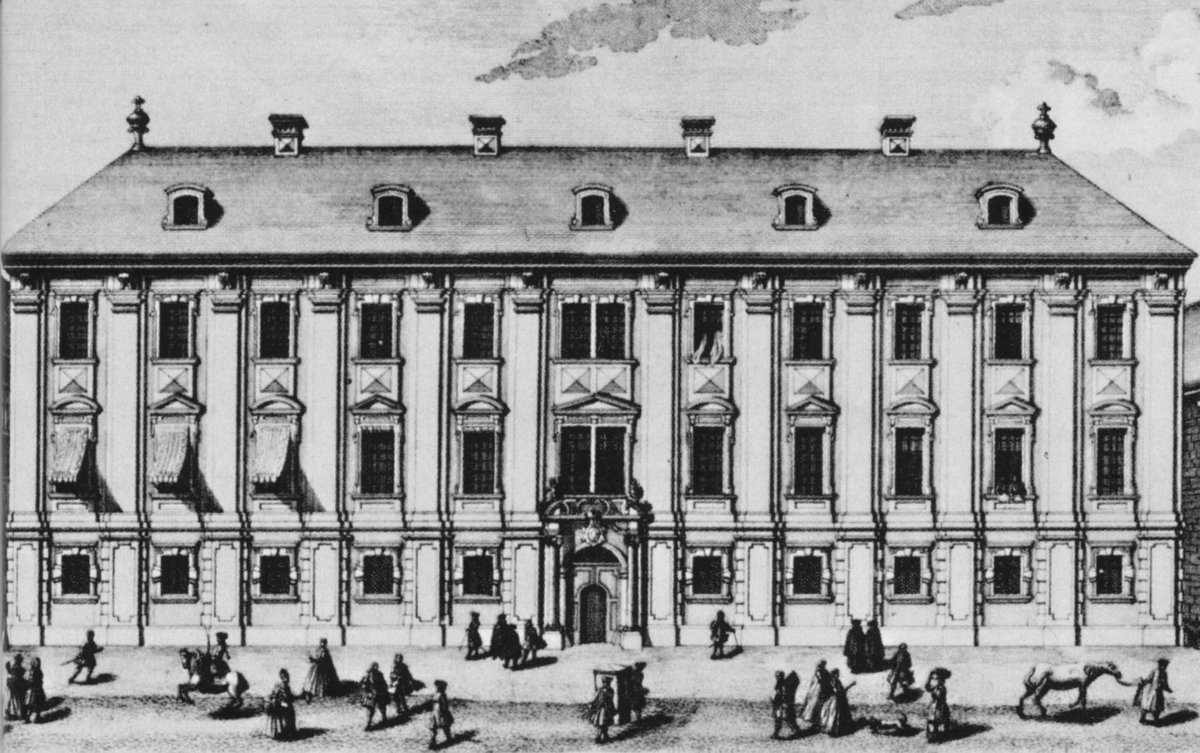
What Palais Esterházy is
In the heart of Vienna, Palais Esterházy is a Baroque palace associated with the Esterházy family, one of the most influential noble families in Hungarian history. It reflects the family’s wealth and artistic patronage and remains a cultural venue for concerts, exhibitions, and events. Visitors can explore its historic rooms and collections, including the Haydn Hall, State Apartments, Wine Museum, gardens, and Treasury. Palais Esterházy
History
The Esterházys were a Hungarian noble family whose wealth and influence grew in the 17th century. Their rise within the Habsburg Empire was connected with strategic marriages, political acumen, and opportunity.
In 1622, Nikolaus Esterházy, a politician and military leader, acquired the domain of Eisenstadt, laying the foundation for the family’s seat of power. As the family’s fortunes grew, they sought a grand residence in Vienna, the imperial capital.
Their Viennese story began with the purchase of several houses in the Wallnerstraße district in the mid-17th century. In 1685, Prince Paul I Esterházy began transforming them into a palace that would reflect the family’s status and serve as a center for social and cultural life. He enlisted architects including Domenico Carlone and Paul Ignaz Bayer. Construction took several decades and involved numerous architects, artisans, and craftsmen; the design evolved with architectural trends and the tastes of its patrons.
During the 19th century, the family’s fortunes and Europe’s political landscape changed. The palace remained a landmark through the twilight of the Habsburg Empire, two world wars, and the emergence of a new Austria in the 20th century. Today, it has been restored and continues to host cultural events.
What to see
The Haydn Hall
Named after composer Joseph Haydn, the Haydn Hall is a grand concert hall known for its acoustics, stucco work, and frescoes. Haydn served as Kapellmeister, or music director, to the Esterházy family for nearly 30 years and composed celebrated works within the palace. The hall hosted performances by Haydn and other musicians and continues to stage classical music concerts.
The State Apartments
Once used for receptions and ceremonies, the State Apartments display the family’s wealth and taste. Their rooms feature elaborate stucco work, frescoes, and decorated ceilings, with themes drawn from mythology, history, and the Esterházy family’s lineage.
- The Imperial Apartment Reserved for visiting emperors and high-ranking guests, it contains opulent furnishings, a tiled stove, and portraits of Habsburg rulers.
- The Chinese Salon Reflecting European interest in Asian art and culture in the 18th century, it features Chinese wallpaper, porcelain, and lacquer work.
- The Tapestry Room Its tapestries depict scenes from Roman mythology.
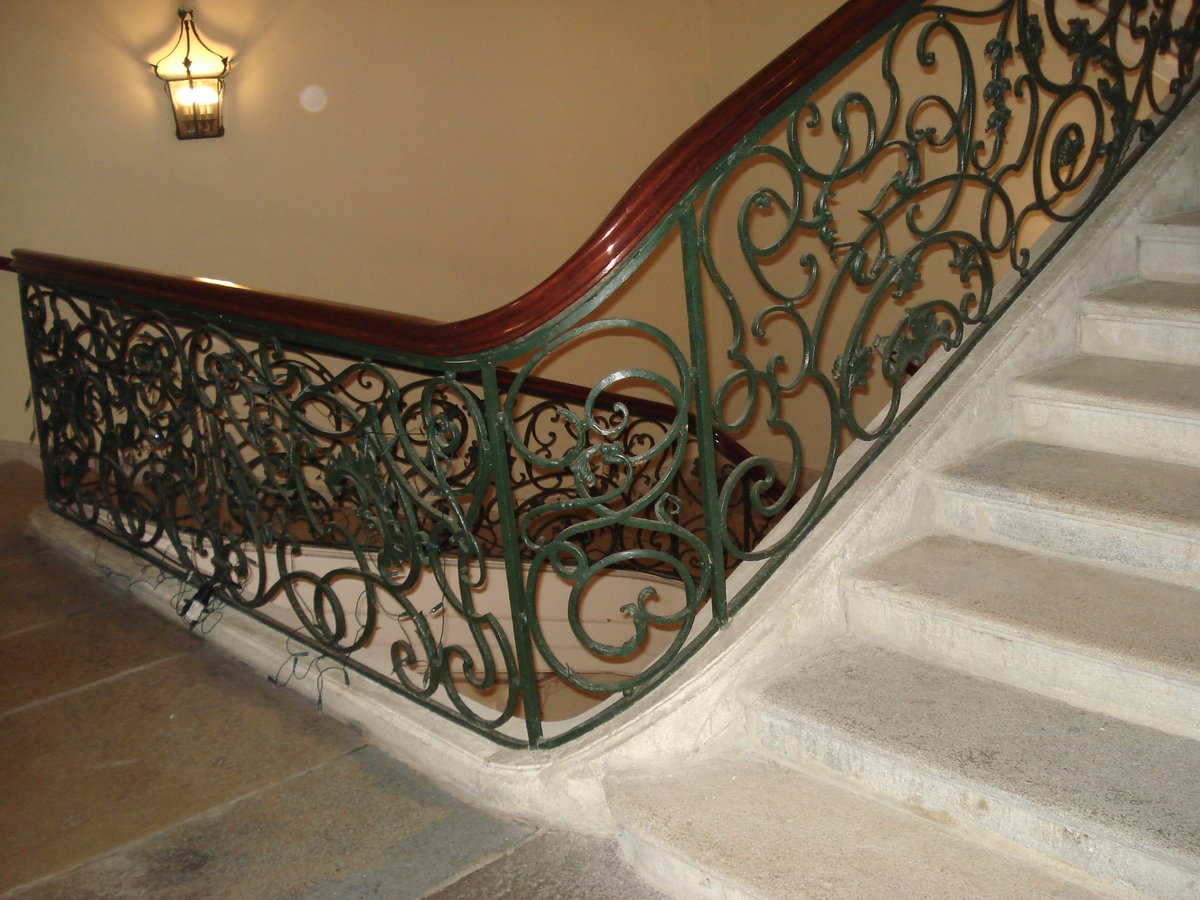
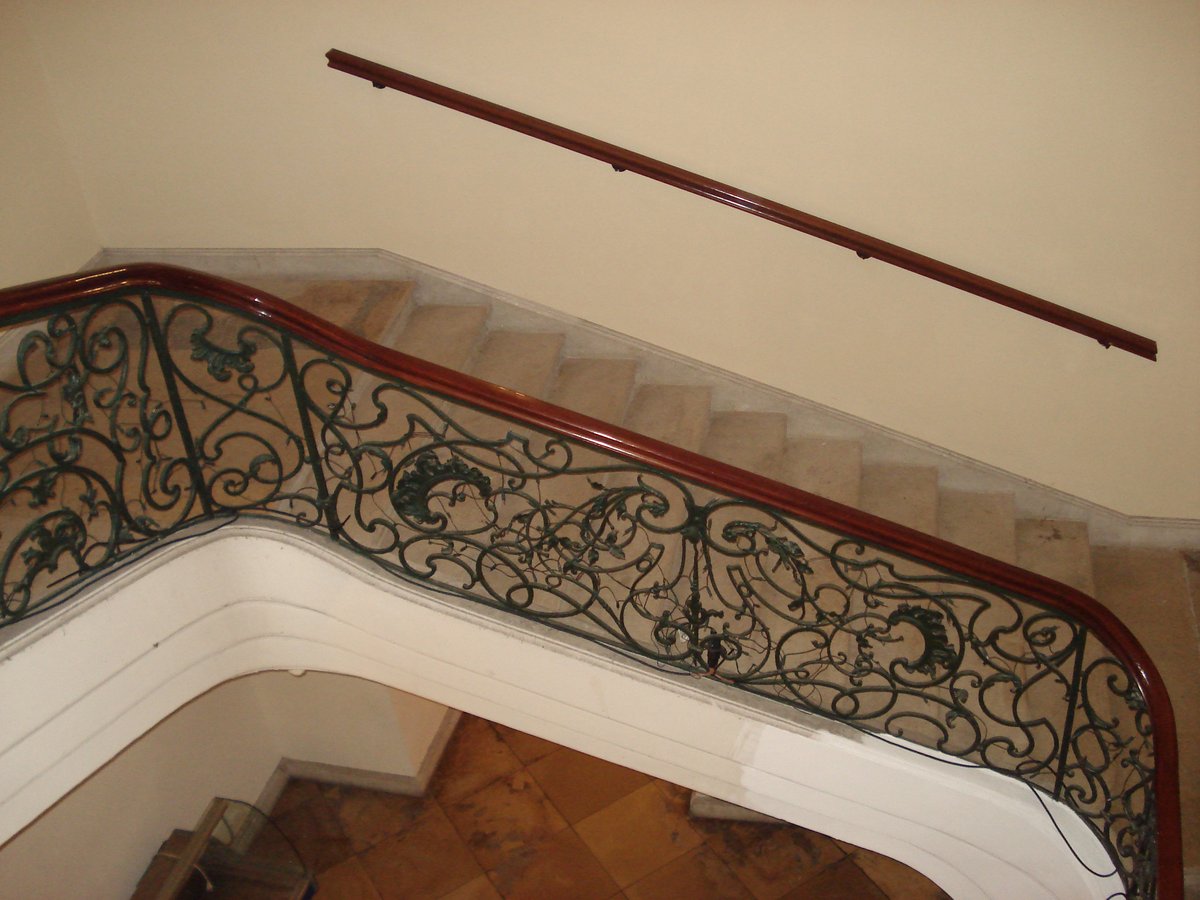
Other architectural features include the ornate façade, with carvings, sculptures, and decorated window frames, and the grand Baroque staircase, with balustrades and ceiling frescoes. The palace’s interiors combine Baroque and Rococo elements.
The Wine Museum
The Wine Museum presents the history and traditions of regional winemaking, including exhibits on viticulture, wine production, and the Esterházy wine cellars. The Esterházy family had extensive vineyards, and the museum offers a selection of wines from the Esterházy estates for tasting.
The Palace Gardens
Designed in the French Baroque style, the gardens provide a peaceful setting with manicured paths, flowerbeds, fountains, and sculptures. They are particularly enchanting in spring, when the flowers are in bloom.
The Treasury
The Treasury’s collection includes silverware, jewelry, and ivory carvings, offering a glimpse of the family’s wealth and lifestyle.
Temporary exhibitions
Temporary exhibitions take place throughout the year and cover themes including art, history, fashion, and design. The palace also hosts theatrical productions, literary gatherings, and other cultural events.
Practical visiting information
Opening hours
The palace is listed as open daily from 10:00 AM to 6:00 PM. Hours may vary with events and seasons, and special closures may occur; check the official website for updates.
Tickets and tours
Tickets can be purchased online or at the entrance. Options include admission to specific areas, self-guided and guided tours, special exhibitions, and combined tickets with other attractions. Prices vary by experience. The supplied general-admission estimates differ: one is around €12, while another says prices start at around €15. Discounts are available for students, seniors, and groups. Check current prices and options on the Palais Esterházy website.
Guided tours are available in multiple languages, including English and German. They are offered regularly, and advance booking is advisable, particularly in peak season. Audio guides are also available in several languages.
The Vienna Pass includes free admission to Palais Esterházy and other city attractions: Vienna Pass.
Getting there
Address: Palais Esterházy, Wallnerstraße 11, 1010 Wien, Austria.
The nearest U-Bahn station is Herrengasse on the U3 line. Tram lines 1, 2, and D also stop nearby. Driving in central Vienna is not recommended because parking is limited, but parking garages are within walking distance.
Accessibility and facilities
Accessibility information differs: the palace is described as partially wheelchair accessible, and wheelchair access is also listed as available, with assistance arranged upon request. Elevators and ramps are available for visitors with mobility impairments; contact the palace administration directly with specific inquiries.
Free Wi-Fi is available throughout the palace. Large bags and backpacks may need to be checked at the cloakroom.
Tips for visiting
- Allow ample time to explore the palace, gardens, and exhibits. A thorough visit that includes the palace, gardens, and a possible event can take a full day.
- Spring and autumn offer pleasant weather for the gardens. Vienna’s shoulder seasons generally see fewer crowds than the peak summer months.
- Consider a guided tour for more information about the palace, family, art, and architecture. Book ahead, especially during peak tourist seasons.
- Check the concert schedule if you would like to attend a classical music performance in the Haydn Hall.
- Photography is generally permitted in most areas, but flash photography may be restricted in certain rooms.
- The palace café serves coffee, pastries, and light meals.
- The gift shop sells souvenirs, books, and gifts inspired by the palace, its collections, and the Esterházy family.
- There is no strict dress code, but visitors are asked to dress neatly.
Nearby places
Nearby attractions include the Hofburg Palace, the former imperial residence of the Habsburgs; St. Stephen’s Cathedral; the Vienna State Opera; the Spanish Riding School, where visitors can see the Lipizzaner stallions; and the Albertina Museum, which has a collection of graphic arts and photography.
FAQ
What are the visiting hours for Palais Esterházy?
The palace is listed as open daily from 10:00 AM to 6:00 PM. Hours may vary with events and seasons, so check the official website for the latest information.
How much do tickets cost?
Prices vary according to the type of visit. The supplied general-admission estimates differ: around €12 and starting at around €15. Discounts are available for students, seniors, and groups; check the official website for current pricing.
Are guided tours available?
Yes. Tours are available in multiple languages, including English and German. Booking in advance is advisable, especially during peak season.
Can I attend a concert or exhibition?
Yes. The palace hosts concerts, exhibitions, and other cultural events. Check its website for schedules and current exhibitions.
Is Palais Esterházy accessible for visitors with disabilities?
The palace is described as partially wheelchair accessible and also as offering wheelchair access, elevators, and ramps. Assistance can be arranged upon request; contact the palace administration about specific access needs.
Is photography allowed inside the palace?
Photography is generally permitted, but flash photography may be restricted in certain areas.