History of Nußdorfer Straße
Nußdorfer Straße’s roots reach back to the early 18th century, originally serving as the principal route to the village of Nußdorf. Officially named in 1862, the street’s evolution mirrors Vienna’s urban expansion, especially during the 19th century when the city integrated neighboring villages like Oberdöbling and Nußdorf. The realignment of the street in 1866–67 and subsequent development underscored its role as a key commercial and residential corridor (Wien Geschichte Wiki).
The introduction of tram lines in 1869, later electrified, and the eventual opening of the Nußdorfer Straße U-Bahn station in 1989 further solidified the street’s importance as a transit and cultural hub (Wiener Linien).
Architectural and Cultural Highlights
Historic Landmarks
- Gasthaus "Zum roten Kreuz" (No. 50) A historic inn exemplifying Viennese hospitality since at least 1911.
- Hirschenhaus (No. 64) This early 20th-century building displays the transition from Historicism to early Modernism.
- Nußdorfer Straße 84 / Ecke Rufgasse A significant example of architectural evolution from 1904/05.
Schubert’s Birthplace (Nußdorfer Straße 54)
A major cultural highlight, this museum is dedicated to the composer Franz Schubert.
- Opening Hours Daily (except Mondays), 10:00–17:00
- Admission €6 for adults; free for children under 12
- Guided Tours Available on weekends and by appointment (Visiting Vienna; Schubert Geburtshaus)
Market Hall (Markthalle Nußdorfer Straße)
Built after 1879, the Market Hall remains a lively center for local produce and culinary delights.
- Opening Hours Monday–Saturday, 07:00–18:00
- Admission Free
Residential Architecture
The street is lined with late 19th- and early 20th-century Gründerzeit buildings, featuring ornate facades, stucco decorations, and wrought-iron balconies. Near Schubertgasse and Canisiusgasse, Biedermeier-era houses evoke pre-industrial Vienna.
Coffee House Culture
Authentic Viennese coffee houses line Nußdorfer Straße, offering both tradition and atmosphere. Sample a Melange or Sachertorte in these UNESCO-recognized institutions (World City History).
Public Transport and Urban Connectivity
Nußdorfer Straße is a central artery in Vienna’s transport network, providing seamless connections across the city:
- U-Bahn Nußdorfer Straße station (U6 line), open daily from early morning to late at night (Moovit)
- Tram Lines 37 and 38 traverse the entire street; 5 and 33 cover key sections
- Buses 35A, 37A, 40A, and several night lines
- Regional Trains R40, S40, S45 for greater Vienna access
Current Note: The northbound U-Bahn platform is closed for renovations until September 2025. Use Spittelau station for northbound transfers (Vienna.at).
Visitor Information: Hours, Tickets, Accessibility
General Street Access
- Nußdorfer Straße Public street, open 24/7, no admission required
U-Bahn and Tram Tickets
- Single Ticket €2.40
- Passes 24/72-hour, weekly, monthly, and annual passes available
- Purchase At ticket machines, tobacco shops (Tabaktrafik), online, or via the Wiener Linien mobile app (Wiener Linien)
Accessibility
- Most public transport and major attractions are wheelchair accessible; some older buildings may present limitations.
- Recent renovations are enhancing barrier-free access, with elevators, ramps, and tactile guidance systems.
Guided Tours and Special Events
- Schubert’s Birthplace Guided tours offered on weekends and by reservation
- Area Walking Tours Include Nußdorfer Straße highlights and surrounding historic districts (check local providers)
- Community Events Art projects such as "Gesichter und Geschichten der Nußdorfer Straße" celebrate local culture (LA21 Wien)
Nearby Attractions
- Liechtenstein Garden Palace Baroque art and gardens, open Tuesday–Sunday, 10:00–18:00, ~€10 admission (Liechtenstein Museum Official Site)
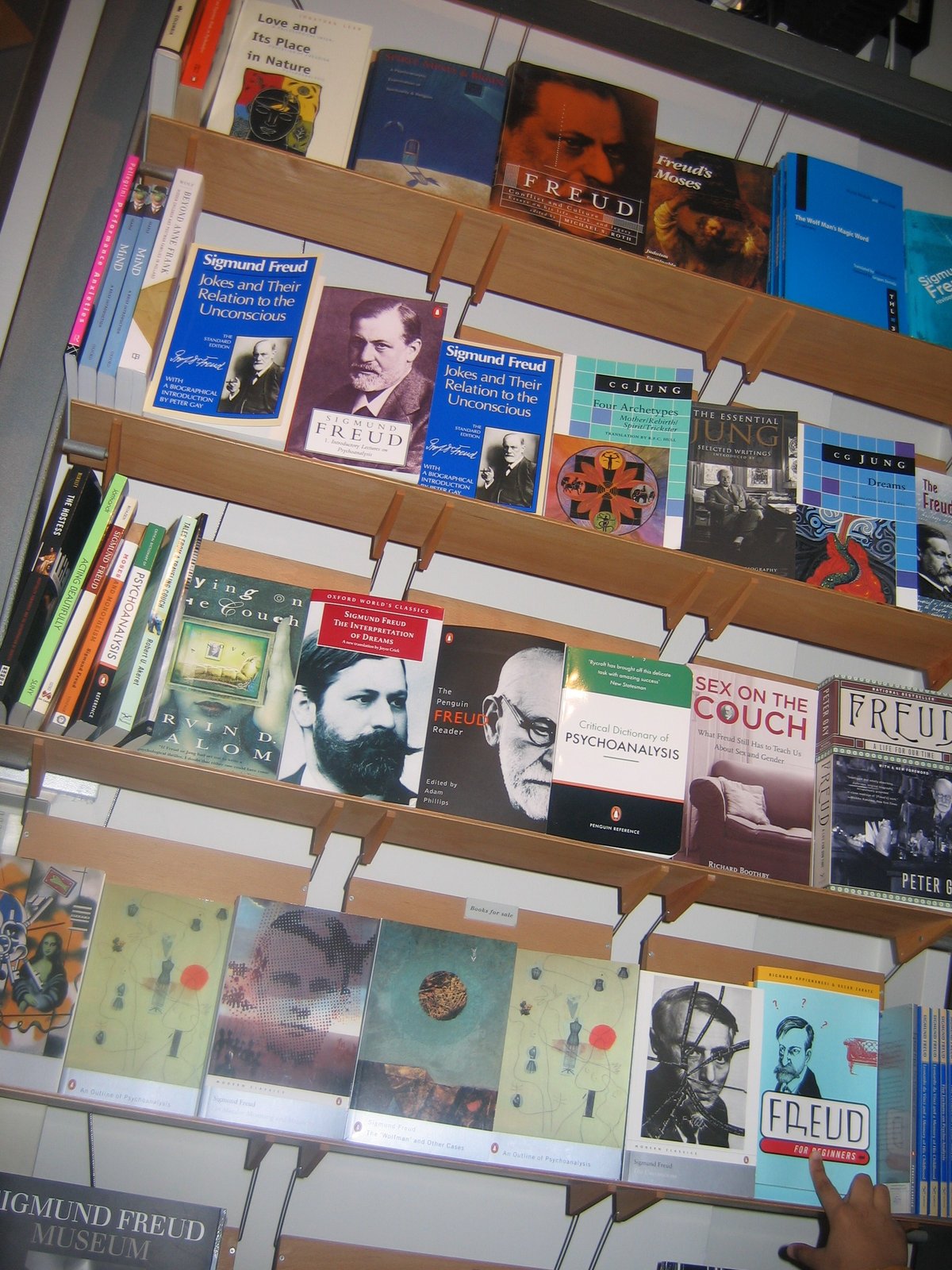
- Sigmund Freud Museum Explore the life and legacy of the famous psychoanalyst
- Augarten Park Green space ideal for relaxation
- Votivkirche Neo-Gothic church, easily reached by tram (Away to the City)
- Ringstraße & Stephansdom Vienna’s most iconic boulevard and cathedral, accessible via tram or U-Bahn
Practical Travel Tips
- Best Photo Spots Schubertgasse courtyards, historic facades, and U-Bahn station platforms
- When to Visit Early mornings and late afternoons offer quieter streets and optimal lighting
- Local Dining Sample traditional Viennese cuisine at “Hexer’s Stüberl” or enjoy pastries at historic cafés
- Safety Nußdorfer Straße is generally safe; exercise usual city precautions at night
- Event Listings Check local calendars for up-to-date exhibitions, markets, and festivals
Frequently Asked Questions (FAQ)
Q: Is Nußdorfer Straße open all day?
A: Yes, as a public street, it is accessible 24/7.
Q: Are tickets needed for Nußdorfer Straße?
A: No ticket is needed for the street itself; standard fares apply for public transport and museum entries.
Q: Is the area accessible for people with disabilities?
A: Most public areas and transit are accessible, though some historic buildings may have restrictions.
Q: Are guided tours available?
A: Yes. Schubert’s Birthplace and several walking tours of Alsergrund include Nußdorfer Straße.
Q: Where can I buy public transport tickets?
A: At stations, tobacconists, online, or via the Wiener Linien app.