Historical Background
Roman and Medieval Origins
Vienna’s roots trace back to the Roman settlement of Vindobona, established in the 1st century AD north of the current station. Over centuries, the city expanded southward, especially during medieval times, as Vienna became a vital link on the Danube trade route. This historical movement set the stage for the district’s significance as a transportation nexus (fascinatingvienna.com).
Südbahnhof and the Rise of Railways
The 19th century saw Vienna’s industrialization accelerate with the birth of railroads. The original Südbahnhof, opened in 1846, connected Vienna to the south, facilitating travel and trade to Trieste and Venice (wien.gv.at). As the city’s role as a European crossroads grew, the Südbahnhof and Ostbahnhof stations expanded, setting the foundation for today’s integrated network.
From Old Junction to Modern Central Station
After World War II, a new Südbahnhof was built in the 1950s. However, by the late 20th century, Vienna needed a centralized, modern station to match its status as a European capital. Plans for the new Hauptbahnhof took shape in the early 2000s, with construction beginning in 2009 and full completion by December 2015. This redevelopment included the transformation of surrounding railway lands into the Sonnwendviertel district, blending residential, commercial, and green spaces (wien.gv.at; oebb.at).
Architectural and Urban Significance
Wien Hauptbahnhof’s design is marked by its iconic diamond-shaped, translucent roof, which floods the station with natural light and creates a visually striking profile (Railway Technology; Smart City Vienna). The station’s structure, crafted with glass and steel, ensures barrier-free access, smooth passenger flow, and easy connections to multiple transport modes.
Environmental sustainability is central to the station’s operations, with features such as CO₂-controlled ventilation, soundproofing, and geothermal energy. The commercial heart of the station, BahnhofCity, houses over 100 shops and restaurants, making it a bustling urban center in its own right (Wikipedia; Smart City Vienna). An underground parking garage and extensive bicycle facilities encourage multimodal, eco-friendly travel.
The surrounding Sonnwendviertel district exemplifies modern urban regeneration, featuring thousands of new apartments, office spaces, hotels, and green areas, all anchored by the station’s connectivity and amenities.
Practical Visitor Information
Visiting Hours
- Station Building Open daily from 04:00 to 01:30, closing briefly for cleaning and maintenance (Vienna Tourist Information).
- Shops and Restaurants Generally open from 6:00 AM to 10:00 PM; individual hours may vary.
Ticketing and Services
- ÖBB Ticket Counters & Machines Purchase tickets for local, national, and international travel. Options include single fares, day passes, and international rail passes (trainstation.world).
- Digital Tickets Available via the ÖBB website and app.
- Public Transport Tickets U-Bahn, tram, and bus tickets are sold at vending machines and via the WienMobil app.
- Typical Prices Vienna single journey €2.40; day passes from €8.00. Long-distance fares vary by route and class.
Accessibility and Amenities
- Full Accessibility Elevators, escalators, step-free routes, accessible toilets, and tactile guidance for visually impaired travelers (trainstation.world).
- Information Desks Multilingual staff provide guidance, maps, and sightseeing tips.
- Luggage Storage Lockers (daily rates €2.00–€4.50) are available in the basement. Additional 24-hour storage is offered by BAGBNB nearby (Bagbnb.com).
- Wi-Fi and ATMs Free Wi-Fi throughout; ATMs and currency exchange on all levels.
- Parking Underground garage with 600 spaces (€4/hour or €40/day). Three bicycle garages with 1,100 spaces (Smart City Vienna).
- Dining & Shopping Over 60 shops, restaurants, and cafés—including international chains and local favorites.
Security
The station is monitored by CCTV and security personnel, with clearly marked emergency exits and regular patrols.
Multimodal Connectivity
- U-Bahn Line U1 provides direct access to Vienna’s city center (Stephansplatz) in minutes (vienna-unwrapped.com).
- S-Bahn Lines S1, S2, S3, S60, S80 connect to suburbs and regional destinations.
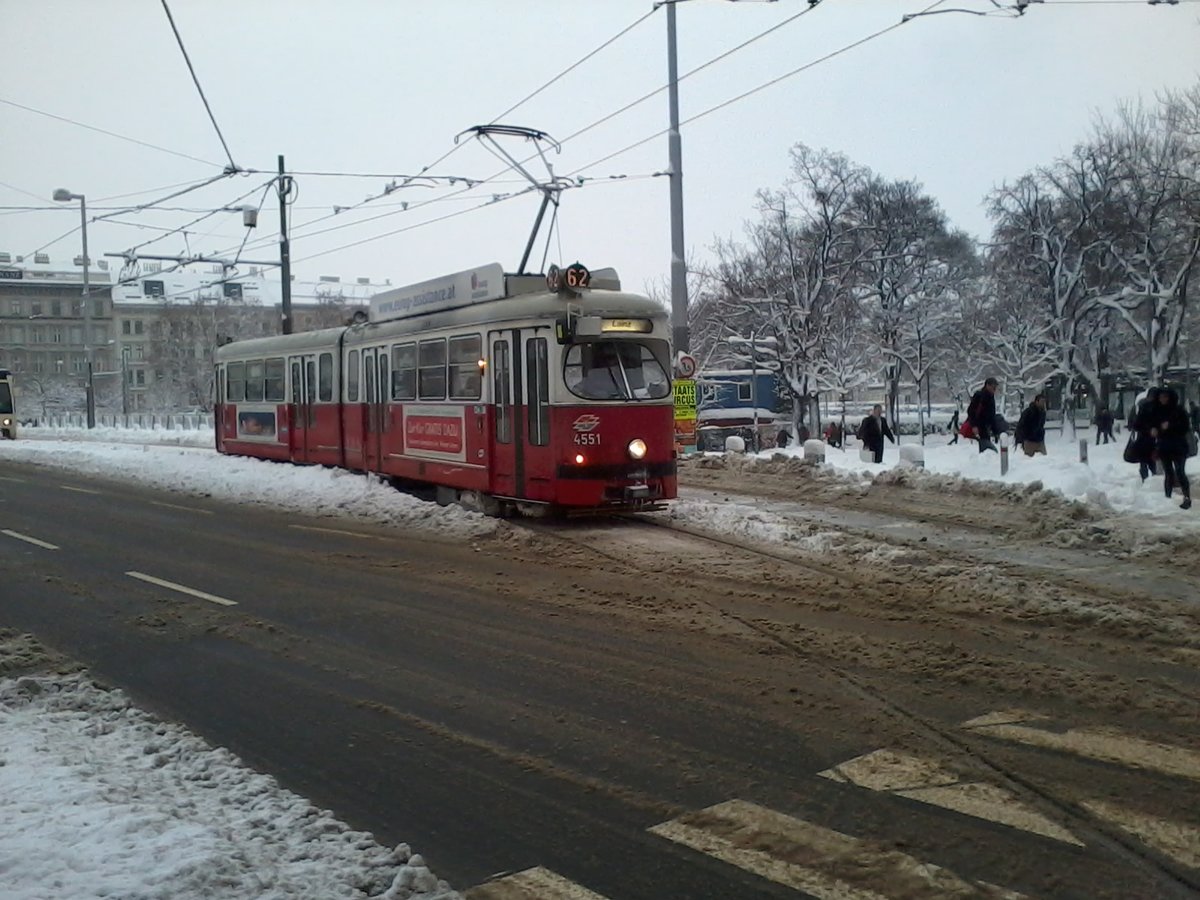
- Trams & Buses Multiple lines serve both main entrances.
- Long-Distance Trains Railjet, ICE, and other services connect to national and international cities such as Munich, Budapest, and Prague (Vienna Central Station: Info, Timetable & Train Connections).
- Airport Connection Direct trains reach Vienna International Airport in under 20 minutes.
Guided Tours and Special Events
While standard guided tours of the station are rare, Vienna’s tourist offices offer city tours and event information. The Hauptbahnhof occasionally hosts art exhibitions, installations, and cultural events—check the official website for updates. Notably, "SUED" by Franz Graf is a public art highlight within the station (Affordable Art Fair).
Photographic Spots & Travel Tips
- Best Photo Locations The main concourse and upper platforms beneath the diamond-shaped roof provide dramatic architectural views. Early mornings and evenings are less crowded.
- Travel Tips Arrive 10 minutes before departure, use lockers for luggage, and follow bilingual signage for smooth navigation. Consider the Vienna City Card for integrated travel and discounts (Vienna City Card).
Nearby Vienna Attractions
- Belvedere Palace & Museum 15-minute walk; features Klimt’s "The Kiss" and stunning gardens (ShowMeTheJourney).
- Karlsplatz & Karlskirche Three U1 stops north; home to Karlskirche, Vienna Museum, and cultural events.
- Naschmarkt Vienna’s famed food market, accessible via U1 to Karlsplatz.
- MuseumsQuartier Reachable by U1/U2; a major cultural zone with museums, cafés, and shops.
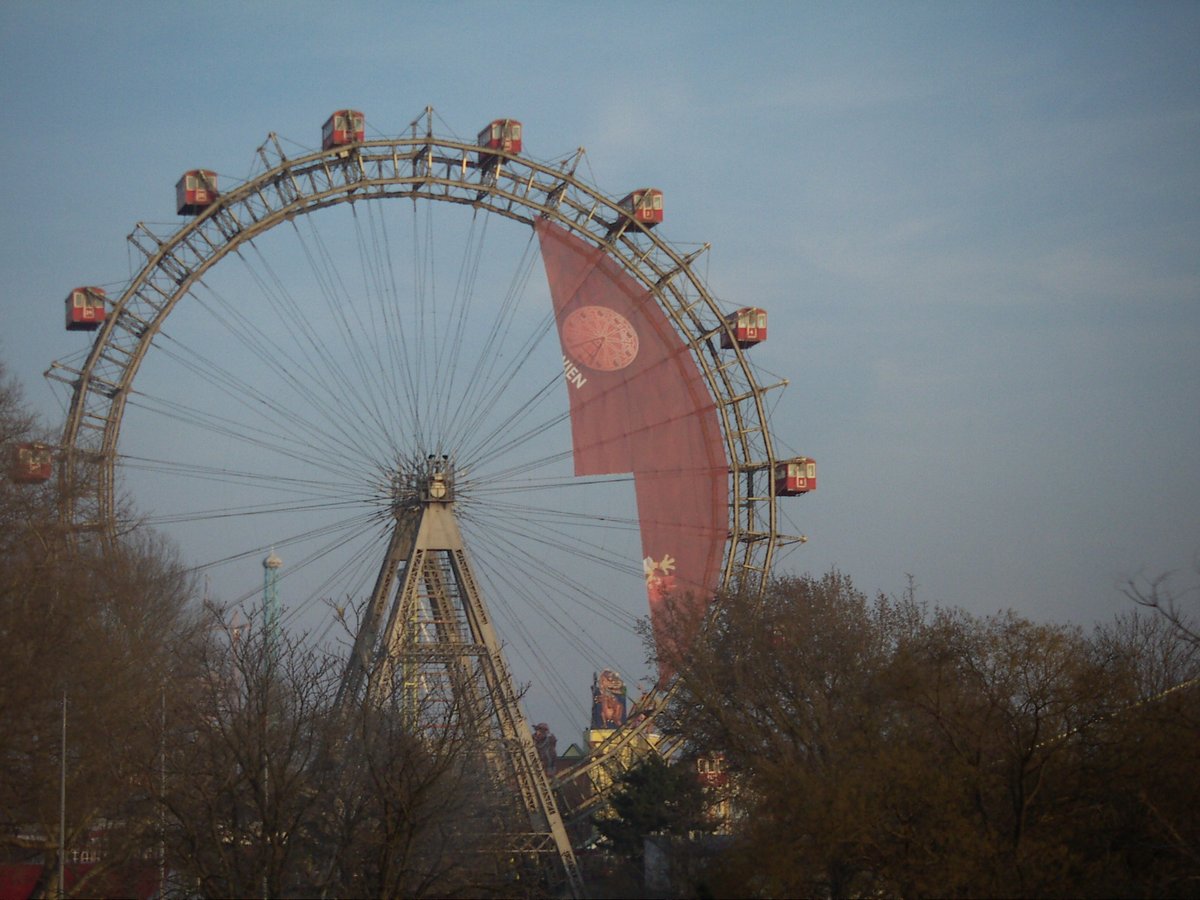
- Prater & Giant Ferris Wheel U1 to Praterstern; historic amusement park and panoramic city views.
- Danube Park & Danube Tower U1 to Kaisermühlen VIC; green spaces and a revolving restaurant.
- House of Music Near Stephansplatz; interactive museum of Vienna’s musical legacy.
- Schönbrunn Palace U1 and U4; UNESCO-listed imperial palace and gardens (Visiting Vienna).
- Fiaker Rides Explore Vienna’s old town in a horse-drawn carriage.
- Day Trips Hauptbahnhof offers direct trains for day trips to Hallstatt, Salzburg, and Bratislava.
Frequently Asked Questions (FAQ)
Q: What are the Südtiroler Platz-Hauptbahnhof visiting hours?
A: Open daily from 04:00 to 01:30; closed for cleaning between 01:30 and 04:00.
Q: Where can I buy tickets?
A: At ÖBB counters, automated machines, the ÖBB Travel Center, or online.
Q: Are discounts available?
A: Yes—children, seniors, groups, and international pass holders benefit from reduced fares.
Q: Is the station accessible?
A: Yes—fully accessible with elevators, step-free routes, tactile systems, and accessible toilets.
Q: How do I reach the city center?
A: Take the U1 subway directly to Stephansplatz.
Q: Where can I store luggage?
A: Lockers are in the station; BAGBNB provides nearby 24-hour storage.
Q: Are there hotels nearby?
A: Yes—Motel One Wien Hauptbahnhof, Apartment Vienna, and Apart Sky are just steps away (Vienna Tourist Information).
Discover More
Plan your journey now! Download the Audiala app for real-time train updates, ticket bookings, and exclusive travel tips. Check our related guides on Vienna’s top attractions, and follow us on social media for the latest news and inspiration.