




What Palais Liechtenstein is
Palais Liechtenstein is a complex of two palaces in Vienna: the Liechtenstein City Palace (Stadtpalais) and the Liechtenstein Garden Palace (Gartenpalais). Both are owned by the princely House of Liechtenstein and are known for their Baroque and Rococo architecture, richly decorated interiors and the Princely Collections. The collections include works by Rubens, Rembrandt and Cranach, as well as decorative arts such as the Badminton Cabinet. (palaisliechtenstein.com, vienna-tourist.com, wien.info)
History
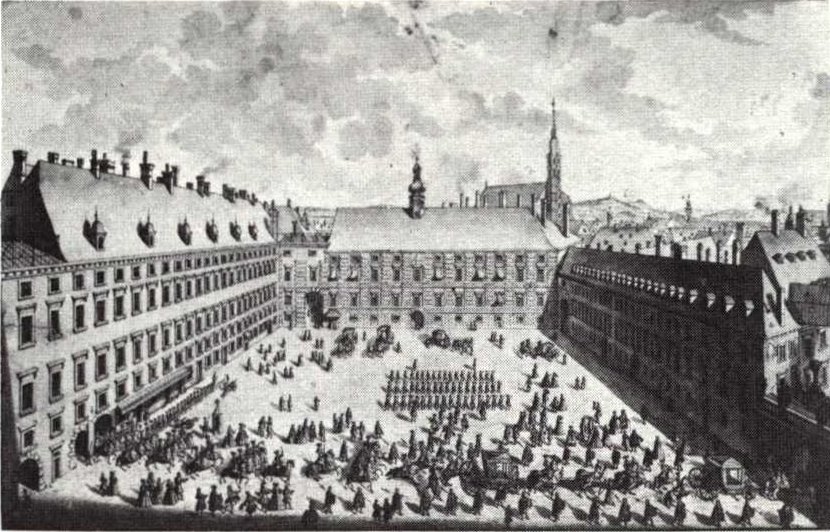
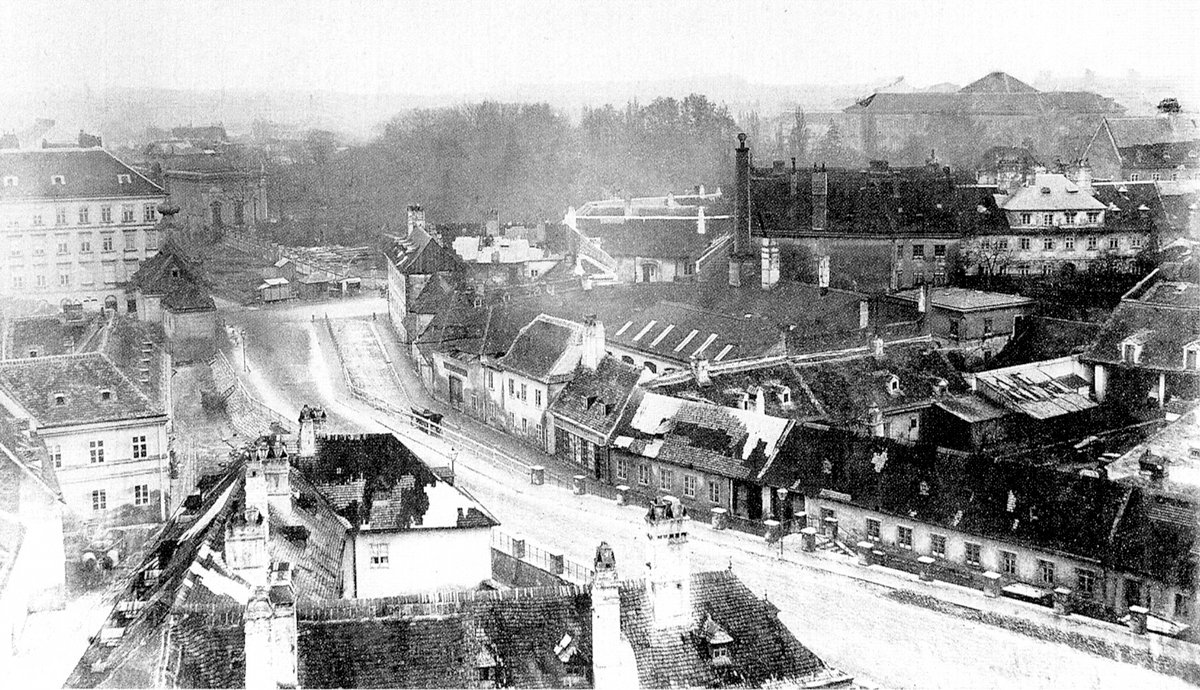
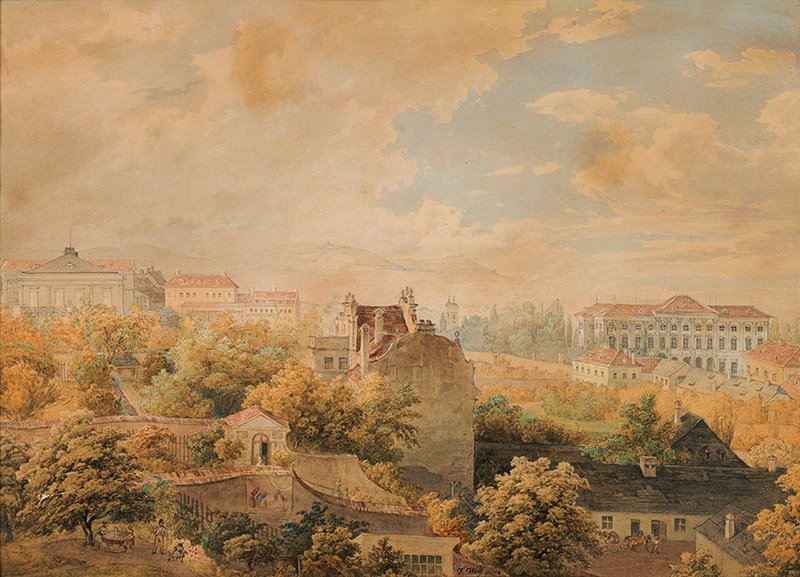
The palaces’ origins date to the late 17th century, when Prince Johann Adam Andreas von Liechtenstein acquired land in Vienna’s Roßau district. He envisioned a residence that would serve as both a city home and a country villa—a “palazzo in villa” inspired by Roman models. Italian architects Domenico Egidio Rossi and later Domenico Martinelli shaped the design, which used durable Kaiserstein for pillars and columns. (vienna-tourist.com)
The City Palace was built between 1691 and 1711. It was Vienna’s first major High Baroque building and had the city’s first monumental Baroque portal. Its construction influenced later architecture and the development of the Roßau and Lichtental districts. The Garden Palace was completed in the early 18th century. (palaisliechtenstein.com, theviennablog.com)
The House of Liechtenstein is one of Europe’s oldest noble families. The palaces reflect the family’s status and cultural ambitions, and remain in its ownership. The City Palace’s interiors were given a 19th-century Rococo Revival treatment, with neo-Rococo rooms and original furnishings. Its technical innovations included early elevator, intercom and heating systems. (palaisliechtenstein.com, wien.info)
Restoration work has preserved Baroque stucco, neo-Rococo interiors and original parquet floors. Post-Second World War restorations revived original features; extensive restoration work at the City Palace was completed in 2013. (palaisliechtenstein.com, wien.info)
What to see
City Palace
The City Palace’s highlights include its corner salons, state rooms and Princely Collections. The interiors feature stucco, frescoes, gilded woodwork, silk wall hangings and crystal chandeliers. (wien.info)
Garden Palace and collections
The Garden Palace combines grand halls and ornate Baroque facades with landscaped gardens. Its collection is displayed in original contexts and spans the Renaissance to the Baroque. Works by Rubens, Rembrandt and Cranach are among the holdings, alongside Du Paquier porcelain, the Badminton Cabinet and the “Golden Carriage.” The palace is also described as home to the world’s most expensive piece of furniture. (wien.info, vienna-tourist.com, wienlive.at, palaisliechtenstein.com)
Baroque and Rococo decoration across the palaces includes frescoes by Andrea Pozzo, murals by Johann Michael Rottmayr and sculptures by Giovanni Giuliani. Hercules Hall is a highlight, with an illusionistic ceiling painting by Pozzo. The formal gardens follow geometric Baroque principles. (palaisliechtenstein.com)
Liechtenstein Park, adjacent to the Garden Palace, is open to the public and is used for open-air cultural events. (wien.info)
Exhibitions, events and digital experiences
The 2025 exhibition “Wunder und Wissenschaft: Porzellan und Sammellust im barocken Wien” (“Wonders and Science: Porcelain and Collecting in Baroque Vienna”) ran from January 30 to March 30, 2025. Du Paquier porcelain was a highlight of the exhibition, which explored Vienna’s role in technological and artistic innovation.
“Summer Rhapsody” (Sommer Rhapsodie) ran from July 7 to 30, 2025, with open-air music and cultural events. The palace also hosts other exhibitions and exclusive events; its exhibitions address European art patronage and transnational cultural exchange. Advance booking is required for special exhibitions and events. (palaisliechtenstein.com, palaisliechtenstein.com)
Guided tours, thematic exhibitions and multimedia presentations offer ways to explore aristocratic life, art and architecture. Virtual tours, high-resolution images of the interiors, collections and gardens, and interactive maps are available on the official website.
Practical visiting information
Hours and tickets
- City Palace Tuesday to Sunday, 10:00 AM–6:00 PM.
- Garden Palace Wednesday to Sunday, 11:00 AM–6:00 PM.
- Hours are also listed as City Palace, Tuesday–Sunday, 10:00–18:00, and Garden Palace, Wednesday–Sunday, 11:00–18:00.
- Ticket prices Adult tickets are listed as €10–€15, depending on the palace and tour; another listing gives €12 for adults and €8 for reduced admission.
- Reduced rates are available for students, seniors and groups. Children under 6 enter free. Combination tickets for both palaces are available.
- Tickets can be booked online or bought at the entrance. Advance registration is strongly recommended, particularly for special exhibitions and peak periods. Check the official website for seasonal variations, holiday closures and event schedules. (official site)
Guided tours
Entry to the interiors and collections is by guided tour only. Public tours are in German, and a free English audio guide is available through the Hearonymus app. Tours last approximately one hour. Advance booking is required for guided tours. Tours take place on select dates, usually Friday afternoons from 2 p.m. to 3 p.m. (Vienna Events)
Locations, access and facilities
- Garden Palace Fürstengasse 1, 1090 Vienna, in the Alsergrund district. Tram stop “Seegasse” is nearby.
- City Palace Bankgasse 9, 1010 Vienna.
- Both locations are accessible from Vienna’s city center. (Connecting Vienna)
Wheelchair access and step-free access are available. Access provisions include lifts, mobile ramps and mobile stair lifts; accessible parking is available by arrangement. Contact staff in advance for assistance or special arrangements. See-eye dogs are permitted with prior notice. Restrooms are available on site.
There is no on-site café or restaurant, but dining options are available in the surrounding districts.
Tips
Photography is allowed in most areas, but flash and tripods are not permitted. Comfortable shoes are recommended for walking tours. Tours require punctuality. Visitors are asked not to touch artworks or disturb the respectful atmosphere; greeting staff with “Guten Tag” is customary. Tipping is appreciated but not mandatory. (Lonely Planet)
The guide also points visitors to the Audiala app for updates, exclusive content and audio guides, and to Palais Liechtenstein’s social media.
Nearby places
Nearby cultural and historical sites listed include Belvedere Palace, St. Stephen’s Cathedral, the Museum of Modern Art (mumok), Vienna State Opera and the University District (Alsergrund).
Frequently asked questions
What are Palais Liechtenstein’s visiting hours?
The City Palace is open Tuesday–Sunday, 10:00–18:00; the Garden Palace is open Wednesday–Sunday, 11:00–18:00. Guided tours are held on select Fridays, 14:00–15:00. Check the official visits page for current details.
How can I buy tickets?
Tickets can be purchased online or at the entrance. Advance booking is recommended, particularly for tours and special events. (Vienna Events)
Are guided tours available in English?
Tours are in German, but a free English audio guide is available through the Hearonymus app.
Is Palais Liechtenstein wheelchair accessible?
Yes. Access provisions include ramps and lifts; contact staff in advance for assistance.
Is photography allowed?
Yes, except with flash or tripods.
Can I visit without a tour?
No. Access to the interiors and collections is by guided tour only.