
Historical Context
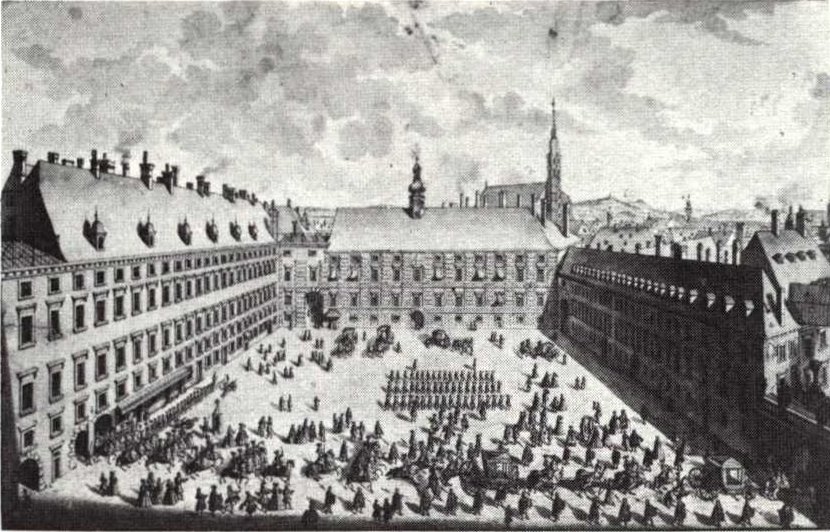
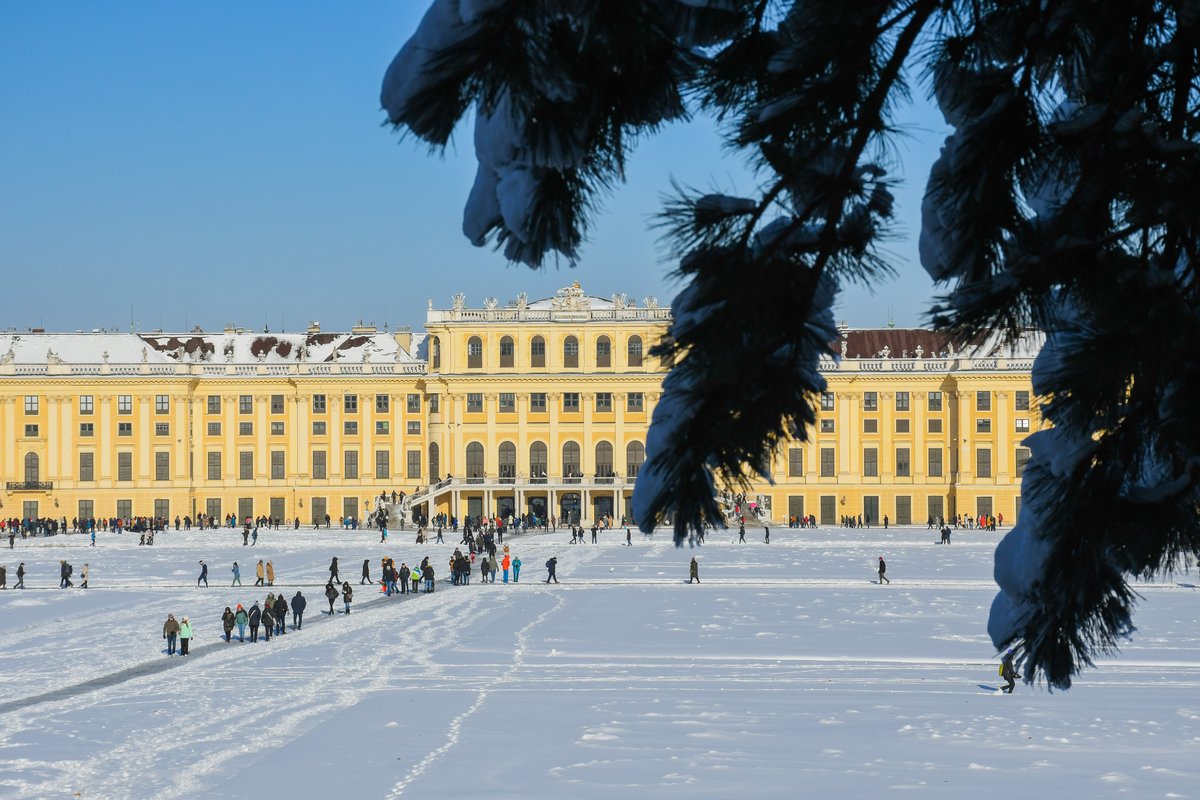
Vienna’s history spans over 2,000 years, developing from early Celtic and Roman settlements into a medieval and Baroque city, and later becoming the capital of the Austro-Hungarian Empire and a major European cultural hub under the Habsburg dynasty (UNESCO).
The city has long been a center for the arts, particularly music. Mozart, Beethoven, and Strauss all called Vienna home. This history provides a backdrop for contemporary installations such as Sinnliche Erwartungen: Übersichtsplan, which continue to explore artistic expression.
What to Expect
The installation combines visual, auditory, tactile, and olfactory elements in a curated environment designed to engage visitors’ senses.
Visual Art
Expect contemporary works in a range of media, including traditional paintings and sculptures, digital installations, and interactive displays. Visual art is often integrated with other sensory elements to create a cohesive, immersive environment.
Soundscapes
Carefully curated soundscapes complement the visual and tactile elements and are designed to evoke emotions and reactions. Visitors might encounter ambient sounds, classical music, or experimental audio compositions.
Tactile Elements
Textured surfaces, interactive sculptures, and other hands-on components invite visitors to explore and interact through touch.
Olfactory Stimuli
Scents are used to evoke memories and emotions, adding another dimension to the sensory experience.
Practical Information
Location and Accessibility
The installation is in Vienna’s pedestrian-friendly Innere Stadt (Old Town) and is accessible by public transport. The city’s metro system is efficient and user-friendly, and the nearest station is a short walk away (Earth Trekkers).
The installation is designed to be accessible to people with disabilities, with ramps and elevators available.
Opening Hours
The installation is typically open from 10 AM to 7 PM. Check the official website for the most up-to-date visiting hours.
Tickets and Reservations
Some parts of the installation may be free to explore, while certain sections may require tickets. Prices vary depending on which sections you wish to visit. Check the official website for detailed pricing information. Booking in advance is advisable, especially during peak tourist seasons, to avoid long queues and ensure entry (Earth Trekkers).
Guided Tours
Guided tours are available and offer insights into the installation’s artistic concepts and historical context (The Vienna Blog).
Language
German is Austria’s official language, while English is widely spoken in Vienna, especially in tourist areas. Learning a few basic German phrases can help visitors navigate the city (Big Boy Travel).
Currency
Vienna uses the Euro (€). Credit cards are widely accepted, but cash can be useful for smaller purchases and tips.
Safety
Vienna is generally safe for tourists. As in any major city, stay vigilant and be aware of your surroundings, especially in crowded areas and on public transport.
Accommodation
Vienna has accommodation options for a range of budgets. Luxury options include the Ritz-Carlton and Hotel Sacher Wien; budget travelers might prefer JO&JOE Vienna or Vienna Boutique – Premium Hostel (Earth Trekkers).
Dining
Vienna’s culinary offerings include traditional Austrian dishes such as Wiener Schnitzel and Sachertorte, as well as international cuisine. The city is also known for its coffee houses, which offer coffee, pastries, and a distinctive cultural experience (Travel Melodies).
Visitor Tips
Best Time to Visit
Vienna is a year-round destination. Spring (April to June) and fall (September to October) bring mild weather and fewer crowds. December is also a festive time, with markets and decorations (Brit on the Move).
Nearby Attractions
St. Stephen’s Cathedral
St. Stephen’s Cathedral is one of Vienna’s best-known landmarks. Its Gothic architecture and history make it a notable visit, and it is a short walk from the installation (Brit on the Move).
Hofburg Palace
The former imperial palace of the Habsburg dynasty, Hofburg Palace contains several museums, the Imperial Apartments, and the Spanish Riding School. It offers a glimpse into Vienna’s imperial past (Nomadic Matt).
Vienna State Opera
The Vienna State Opera is known for its performances and architecture. Visitors can attend an opera or take a guided tour of the building to explore Vienna’s musical heritage (Travel Melodies).
FAQs
What are the visiting hours for Sinnliche Erwartungen?
The installation is typically open from 10 AM to 7 PM. Check the official website for the most up-to-date visiting hours.
How much do tickets cost for Sinnliche Erwartungen?
Prices vary depending on the sections you wish to explore. Check the official website for detailed pricing information. Booking in advance is advisable to avoid long queues and ensure entry.
Is Sinnliche Erwartungen accessible for people with disabilities?
Yes. Ramps and elevators are available to help visitors with disabilities access the installation.
Are guided tours available?
Yes. Guided tours provide insights into the installation’s artistic concepts and historical context.