
Historical Background: From Vision to National Park
Founding Vision
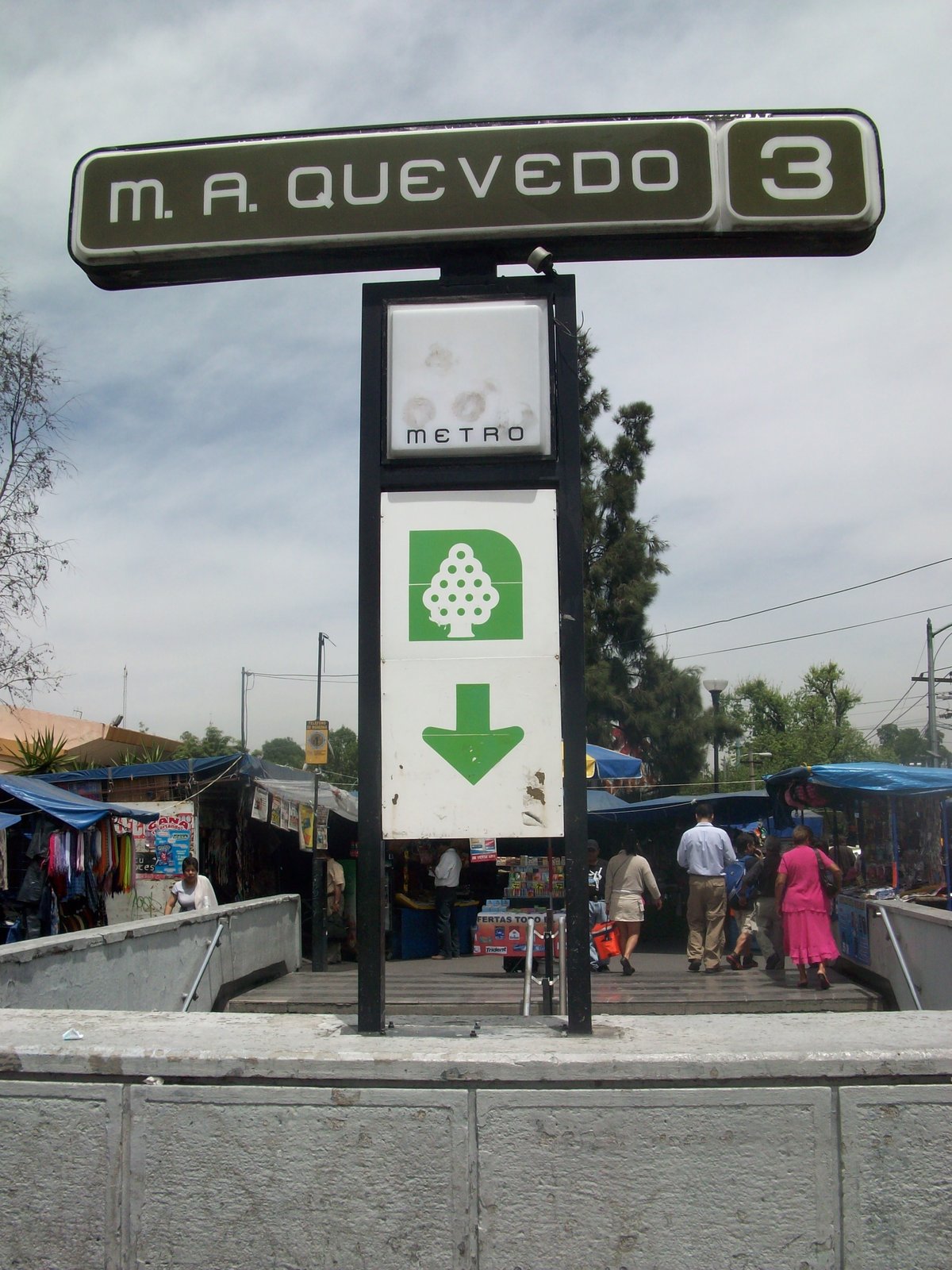
Viveros de Coyoacán originated at the turn of the 20th century, thanks to the vision of Miguel Ángel de Quevedo. Deeply concerned about deforestation and environmental degradation in the Valley of Mexico, Quevedo donated an initial plot of land in 1901 to establish a nursery dedicated to reforestation and environmental education (mexicocity.cdmx.gob.mx; On Landscape). His goal was to restore ecological balance by producing enough trees to encircle the city and regulate its water and air quality (Wikipedia).
With presidential support, the nursery expanded steadily. By 1913–1914, it had already produced 140,000 trees. Over the next decades, it would become the largest nursery in Latin America, distributing millions of seedlings annually and inspiring the creation of other major nurseries throughout Mexico (Wikipedia).
National Recognition and Expansion
In 1938, President Lázaro Cárdenas officially designated Viveros de Coyoacán as a National Park, recognizing its ecological and social value. The site continued to expand, both in size and in its role as a center for environmental education, research, and community engagement (Wikipedia). The park now nurtures over a million seedlings each year, supporting reforestation and conservation efforts across Mexico City (mexicocity.cdmx.gob.mx).
Ecological and Social Importance
Biodiversity and Environmental Contributions
Viveros de Coyoacán is home to mature stands of pine, oak, cedar, jacaranda, sweetgum, and fruit trees such as apple and hawthorn (Let's Travel to Mexico). The park’s habitats support a variety of wildlife, including squirrels, birds, insects, and small mammals. It plays a vital role in improving air quality, regulating urban temperatures, and managing rainwater runoff—services critical to the health of Mexico City (On Landscape).
Community and Cultural Engagement
More than just a nursery, Viveros serves as a beloved gathering place for locals and visitors. The 2.5 km running track and numerous walking paths are popular with joggers and families alike. The park also offers workshops, environmental education programs, and community events such as the annual Feria de las Flores, celebrating Mexico’s botanical heritage (On the Grid; Globetrotter Girls).
Visitor Information
Visiting Hours and Admission
- Hours Open daily, 6:00 AM – 6:00 PM
- Admission Free for all visitors
Accessibility
The park is fully wheelchair accessible, with smooth, well-maintained paths suitable for strollers and visitors with mobility needs (mexicocity.cdmx.gob.mx). Restrooms and drinking fountains are available, though on-site concessions are limited—visitors are encouraged to bring water and snacks.
Getting There
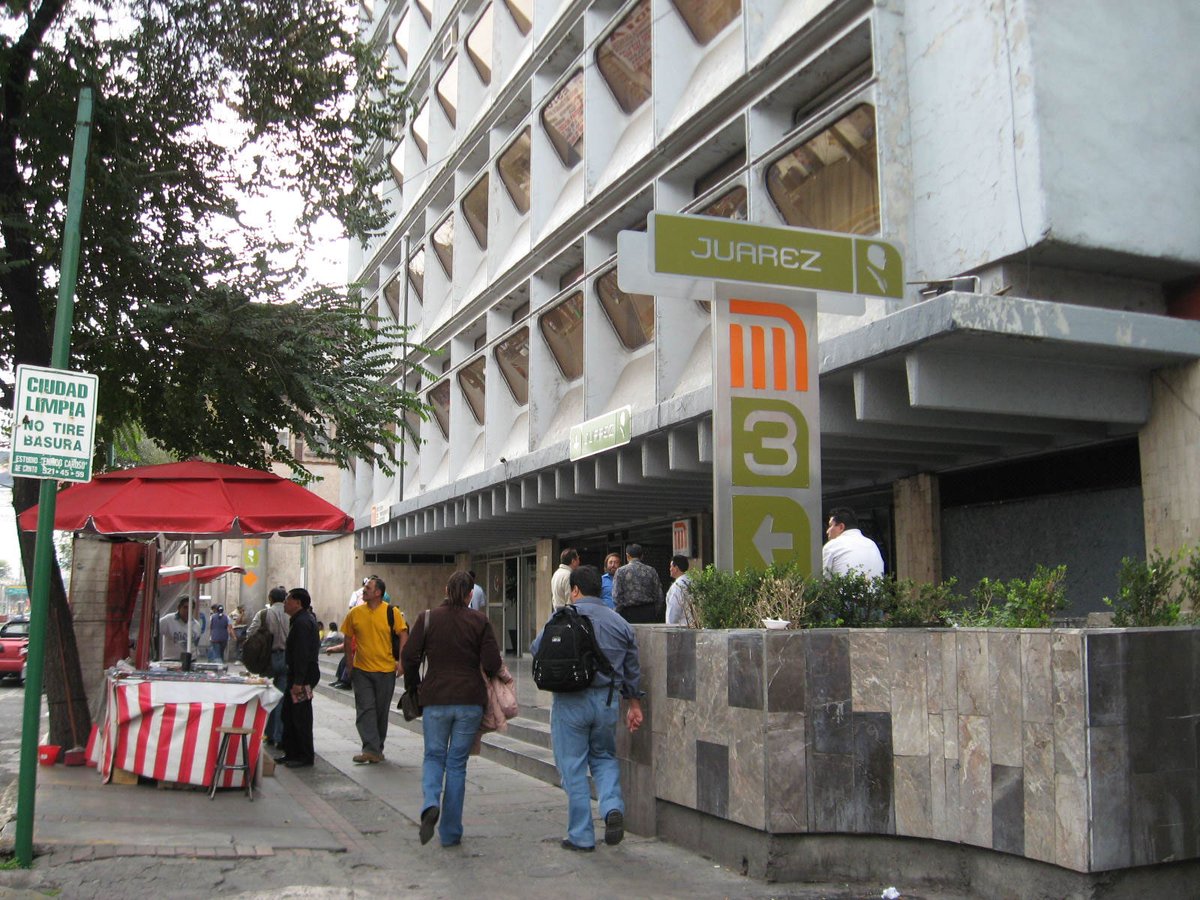
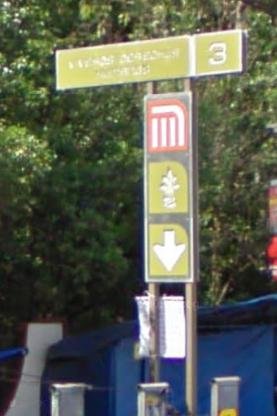
- Metro The Viveros/Derechos Humanos station (Line 3) is conveniently located adjacent to the park (metro.cdmx.gob.mx).
- Bus/Trolebús Numerous bus lines and Trolebús Line A stop nearby (cdmxmetro.com).
- Parking Limited parking is available for those arriving by car.
Guided Tours and Events
Guided tours, environmental workshops, and cultural events are held throughout the year, often during festivals or special occasions. For schedules and reservations, check the park’s official website or inquire at the visitor center (Globetrotter Girls).
Key Attractions and Activities
- Running and Walking Trails Over 2 km of shaded paths for jogging or leisurely strolls
- Tree Nursery Explore active nursery areas and learn about reforestation
- Wildlife Observation Spot squirrels, birds, and other urban wildlife
- Picnic Areas Shaded lawns and benches for relaxation
- Art Installations Sculptures and creative displays reflecting Coyoacán’s artistic spirit
- Workshops and Tours Participate in gardening, sustainability, and eco-awareness programs
Metro Viveros/Derechos Humanos Station
Location and Facilities
The Viveros/Derechos Humanos Metro Station is the main access point to the park and serves as a transport hub for the surrounding neighborhoods (cdmxmetro.com; MexicoCity.cdmx.gob.mx). The station features elevators, escalators, tactile guides, and Braille signage, ensuring accessibility for all travelers (metro.cdmx.gob.mx).
- Operating Hours
- Mon–Fri: 5:00 AM–12:00 AM
- Sat: 6:00 AM–12:00 AM
- Sun & Holidays: 7:00 AM–12:00 AM
- Fare 5 MXN per ride; free for seniors, people with disabilities, children under 5, and other eligible groups
Practical Tips
- Purchase tickets or Metro cards at station booths
- Avoid peak hours (7–9 AM, 5–7:30 PM) for a more comfortable ride
- Restrooms are not available inside the station
Nearby Cultural and Historical Sites
Viveros de Coyoacán is ideally situated for exploring Coyoacán’s many attractions:
- Frida Kahlo Museum (Casa Azul) Celebrates the life and art of Frida Kahlo (Globetrotter Girls)
- Museo Casa de León Trotsky Russian revolutionary’s preserved residence (Voyage Mexique)
- Coyoacán Artisan Market & Plaza Hidalgo Handicrafts and local flavor
- Callejón del Aguacate Iconic cobblestone alley with murals
- Museo Nacional de la Acuarela The world’s first watercolor museum (Voyage Mexique)
All are within walking distance or a short Metro/bus ride from the park.
Etiquette and Visitor Tips
- Dogs must be leashed at all times
- No littering; help keep the park clean
- Respect wildlife—do not feed animals excessively
- Share paths with runners, walkers, and cyclists
- Early mornings and late afternoons provide the best light for photography
Frequently Asked Questions (FAQ)
Q: What are Viveros de Coyoacán’s visiting hours?
A: 6:00 AM to 6:00 PM, daily.
Q: Is there an entrance fee?
A: No, admission is free.
Q: How do I get to the park?
A: Take Metro Line 3 to Viveros/Derechos Humanos station.
Q: Are guided tours available?
A: Yes, especially during special events—check the official website for details.
Q: Is Viveros accessible for people with disabilities?
A: Yes, the park and Metro station have accessible paths and facilities.
Q: What are some nearby historical sites?
A: Frida Kahlo Museum, Museo Casa de León Trotsky, Callejón del Aguacate, among others.
Summary and Recommendations
Viveros de Coyoacán stands as a model of how environmental stewardship, urban recreation, and cultural heritage can coexist and enrich a city. From its origins as a visionary reforestation project to its present role as a beloved National Park, Viveros continues to nurture trees, biodiversity, and community spirit (Wikipedia; mexicocity.cdmx.gob.mx). Its free admission, accessible facilities, and proximity to Coyoacán’s historical sites make it a must-visit destination for residents and tourists alike.
To maximize your visit:
- Plan for an early morning or late afternoon walk
- Explore nearby museums and markets
- Join guided tours or workshops when available
- Download the Audiala app for real-time updates and self-guided tours
Stay connected by following Viveros de Coyoacán and related city attractions on social media, and share your experience to help promote urban green spaces in Mexico City.