
What Constitución de 1917 Is
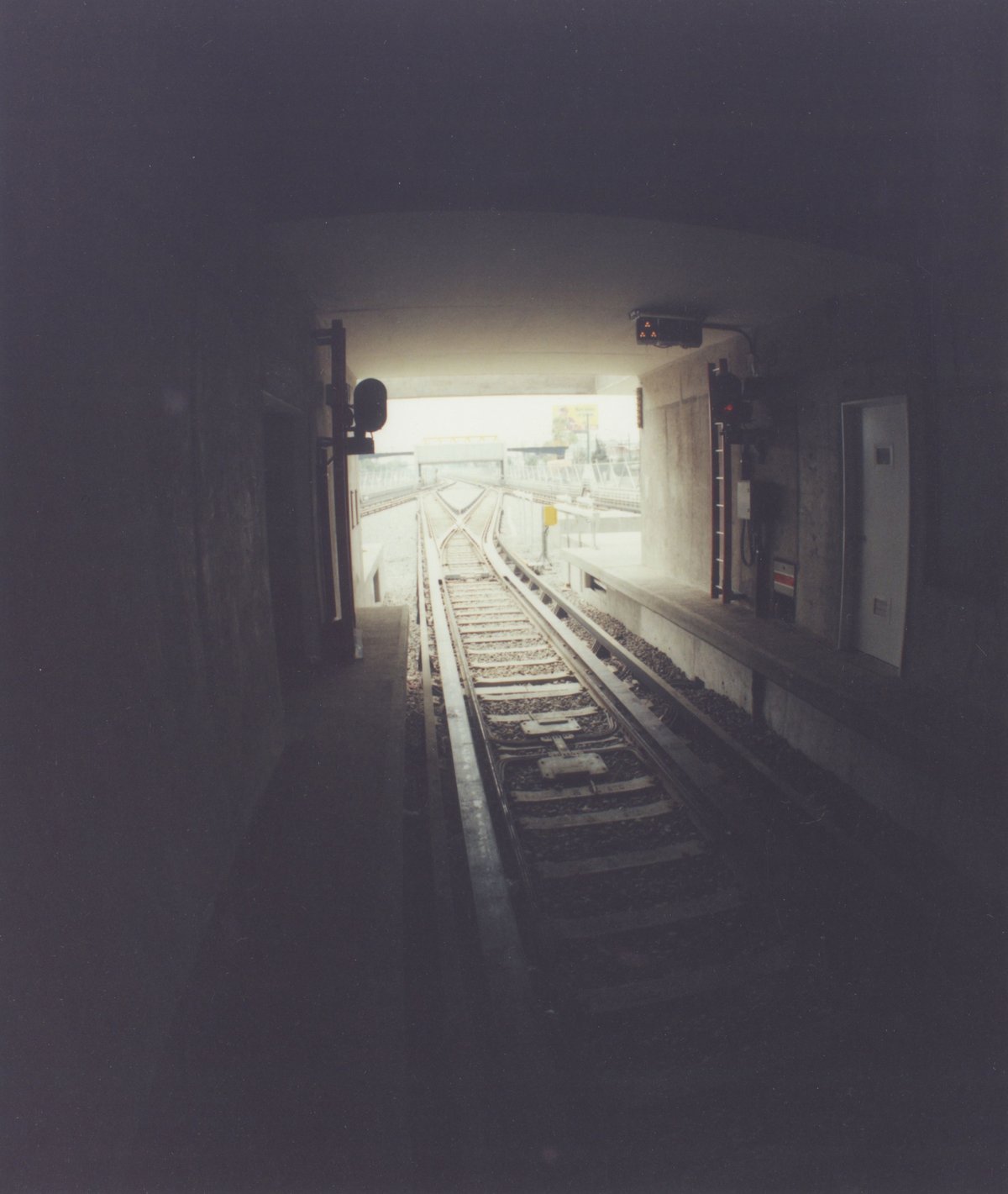
Constitución de 1917 is a neighborhood in Iztapalapa, Mexico City, named after the Mexican Constitution promulgated on February 5, 1917. Today, it is a community centered on the Metro station of the same name, the southern terminus of Metro Line 8, and connected by Cablebús Line 2. The area offers a view of everyday local life, revolutionary heritage, and urban culture (Rome2Rio).
History and Cultural Significance
The Constitution of 1917 emerged from the Mexican Revolution (1910–1920), a period of upheaval and struggles for social justice. Discontent with Porfirio Díaz’s dictatorship, inequality, and land dispossession led revolutionary leaders to demand a new constitutional order (Britannica; UNAM PDF).
Venustiano Carranza convened a congress in Querétaro in 1916. Delegates debated and drafted the constitution, which was promulgated in February 1917 (UNAM PDF, p. 21).
The constitution introduced several reforms:
- Social rights and labor protections Article 123 established the right to strike, an eight-hour workday, and a minimum wage (UNAM PDF, p. 636).
- Land reform Article 27 enabled the redistribution of land to peasants and Indigenous communities (UNAM PDF, p. 616).
- State regulation and education It asserted state control over resources and mandated public education (Britannica).
- Anticlericalism It curbed the Catholic Church’s political power (Britannica).
The Constitution helped lay the groundwork for modern Mexico and became a pioneering example of social rights embedded in law (Humanidades). Its influence extended beyond Mexico, including to Germany and the Soviet Union, and shaped legal and social reforms internationally (Tovima).
In Iztapalapa, public spaces and educational activities reflect continuing struggles for justice and equality. The Constitution’s legacy is celebrated through public art, festivals, and civic pride, particularly on Constitution Day (El País).
What to See and Do
Metro Constitución de 1917 and Cablebús Line 2
The Metro Constitución de 1917 station serves as a symbolic gateway to the area, with iconography referencing the Constitution’s signing. The adjacent Cablebús Line 2 offers sweeping views of Iztapalapa, including its rooftop murals (BMorenomadic).
Mercado Constituyentes de 1917
Named after the constitutional delegates, this bustling market is a center of local food, commerce, and daily life. Visitors can sample traditional Mexican food and experience local culture. It is open Monday–Saturday, 7:00 AM–6:00 PM, with free entry (MexicoCity.cdmx.gob.mx).
Parque Lineal Vicente Guerrero
This large linear park offers green space, walking paths and trails, playgrounds, and community events. Its listed hours are 6:00 AM–9:00 PM (Mexico City Government).
Murals, Public Art, and Community Life
Murals and street art throughout the area honor revolutionary themes and social movements, and offer insight into contemporary social values (BMorenomadic). The neighborhood is also known for its community spirit, activism, and traditions.
The area’s murals, monuments, and street life provide opportunities for photography. Constitution Day, February 5th, brings cultural activities that celebrate the revolutionary legacy (La Verdad Noticias).
Practical Visiting Information
Getting There
- Metro Line 8 runs directly to Constitución de 1917. The journey from the city center takes about 19 minutes (Rome2Rio).
- Cablebús Line 2 connects to surrounding neighborhoods and offers scenic rides (BMorenomadic).
- Bus and taxi Several bus routes and authorized taxis serve the area (Rome2Rio).
Hours, Tickets, and Facilities
- Metro station Weekdays, 5:00 AM–midnight; Saturdays, 6:00 AM–midnight; Sundays and holidays, 7:00 AM–midnight (northernlauren.com).
- Metro fare Approximately 5 MXN per ride; it is also listed as 5 MXN per ride, with discounts for seniors and students. Tickets can be bought at station kiosks, counters, or machines, and rides can be paid for with rechargeable cards.
- Cablebús Line 2 6:00 AM–10:00 PM; tickets cost around 7 MXN.
- Monument and parks One listing gives daily hours of 6:00 AM–8:00 PM, with free entry. A separate area guide lists monument hours as 8:00 AM–6:00 PM daily, also with free entry.
- Guided tours Occasional tours are organized by cultural groups or tour companies and may have a nominal or small fee. They offer further information about revolutionary history and local murals. Check with local tourism offices or online platforms for schedules and language options.
- Facilities and accessibility The Metro station has elevators, ramps, tactile paving, restrooms, security, and food vendors. The metro, Cablebús, and monument are described as wheelchair-accessible; accessible parking is limited (cdmx-metro.com).
Visitor Tips
- Keep valuables secure and stay alert in crowds (The Broke Backpacker).
- The Metro is well-patrolled; women-only cars or carriages are available for those who prefer them.
- Markets and parks are described as safe and welcoming. Another area guide advises staying in busy places, avoiding poorly lit or isolated streets after dark, and using authorized taxis or rideshares (Scratch Your Mapa; BHTP).
- Spanish is the primary language; translation apps can be helpful.
- The weather is mild year-round, though June brings afternoon rain (Let’s Travel to Mexico).
- The emergency number is 911; police presence is strong (The Broke Backpacker).
- Cash is widely used. The Metro and markets accept cards in some cases.
- Drink bottled water and choose busy food stalls (BHTP).
- Visit on Constitution Day or other national holidays for special events (La Verdad Noticias).
- Support local businesses, dispose of waste properly, and respect cultural customs. Guided experiences can benefit the local community.
- Digital resources, including the Audiala app, provide real-time updates, tours, and travel tips. Official tourism channels also provide event information and further guides.
Nearby Places
- Cerro de la Estrella National Park Offers hiking, panoramic city views, and historical ceremonies.
- Museo de las Constituciones A downtown museum focused on Mexico’s constitutional history (mexicodesconocido.com.mx).
- Other city attractions Transit links provide access to the Zócalo, Chapultepec, and other city highlights. The area can also serve as a base for exploring landmarks by public transit (Rome2Rio).
Frequently Asked Questions
What are the visiting hours for the monument and Metro station?
The monument is listed as open 8:00 AM–6:00 PM daily; another listing gives monument and park hours as 6:00 AM–8:00 PM. The Metro’s hours vary by day: see the schedule above.
Is there an entrance fee?
Entry to the monument and parks is listed as free. Guided tours may have a small fee.
Is the area accessible?
Yes. The Metro, Cablebús, and monument are described as wheelchair-accessible, with elevators, ramps, and tactile paving. Accessible parking is limited.
Is it safe?
The area is described as safe, with standard urban precautions advised.
How can I reach the area?
Take Metro Line 8 or Cablebús Line 2, or use buses and authorized taxis.