
Historical Development and Architectural Evolution
Early Foundations
Polanco began its transformation in the early 20th century. Wealthy families, seeking respite from the city center, established grand residences inspired by European—particularly French and Californian—architectural styles. Elegant mansions with ornate facades and lush gardens still stand in areas near Lincoln Park, a testament to Polanco’s aristocratic origins. (Mexico Helicopter; Moments Log)
Modernist and Contemporary Developments
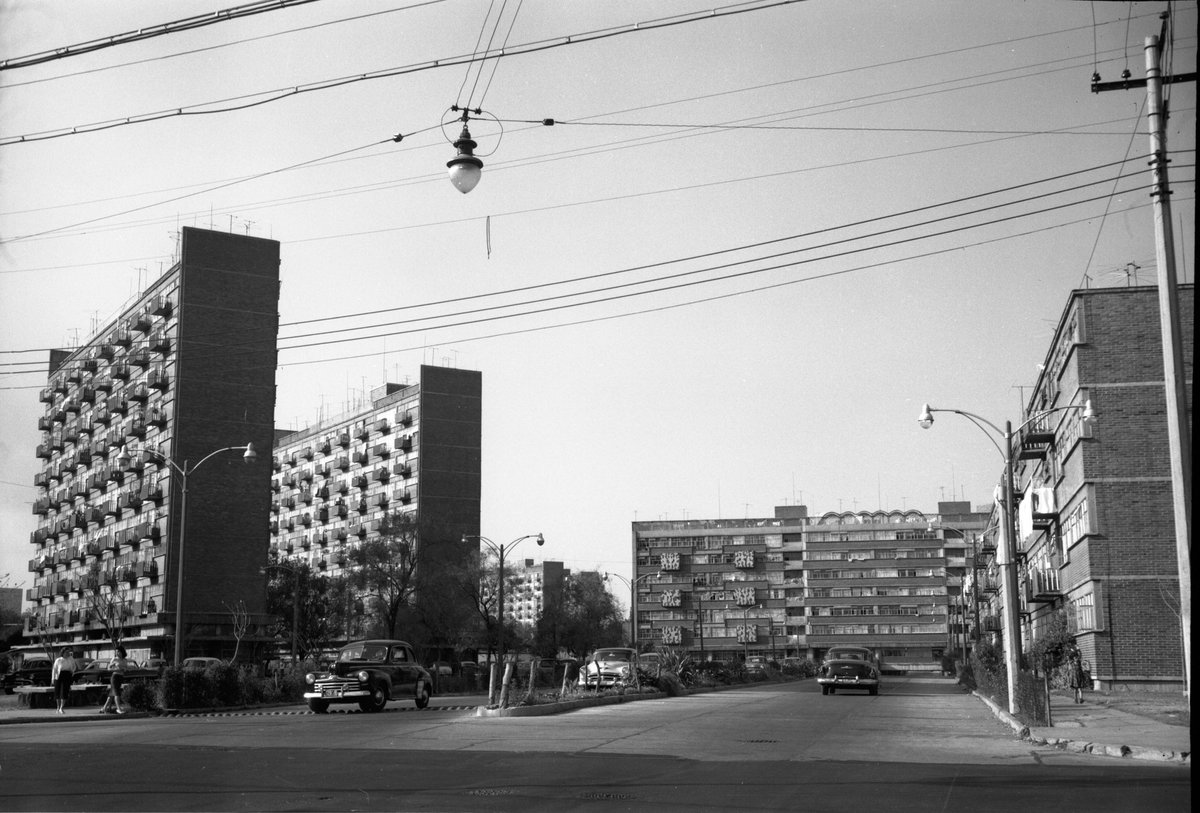
By the mid-20th century, Polanco was at the forefront of Mexico City’s modernist movement, with new apartment complexes and office towers featuring geometric lines and innovative materials. The 1990s and 2000s brought a wave of luxury high-rises and international business headquarters, resulting in an eclectic urban landscape where restored historic buildings stand beside contemporary skyscrapers. Polanco’s urban planning emphasizes walkability and green spaces, with parks like Parque Lincoln offering tranquility amidst urban sophistication. (Vite Presenta; Moments Log)
Cultural Significance and Social Life
Polanco’s evolution mirrors Mexico City’s broader social and economic shifts. Once an enclave for the elite, it is now a cosmopolitan district known for its multicultural population, embassies, and international businesses. The area’s vibrant gastronomic scene, luxury shopping, and renowned cultural institutions make it a magnet for both locals and tourists. Polanco’s public spaces and safety enhance its appeal, contributing to a lively yet refined urban environment. (Sofitel Mexico City; Vite Presenta)
Notable Landmarks and Attractions
Avenida Presidente Masaryk
Often likened to the Champs-Élysées, Avenida Presidente Masaryk is Polanco’s premier boulevard. Here, luxury boutiques, upscale restaurants, and elegant hotels line the avenue, offering visitors a taste of Mexico City’s most exclusive shopping and dining experiences. Most stores operate from 11 AM to 8 PM. (letstraveltomexico.com)
Museo Soumaya
A striking example of contemporary architecture, Museo Soumaya’s futuristic, silver-tiled exterior houses a vast private art collection, including works by Rodin, Dalí, and Rivera. The museum is open Tuesday to Sunday, 10:30 AM to 6:30 PM, with free admission. (letstraveltomexico.com)
Museo Jumex
Adjacent to Museo Soumaya, Museo Jumex showcases contemporary art from Mexican and international artists. It is open Tuesday to Sunday, 10:00 AM to 6:00 PM, with tickets available online or at the entrance; entry is free on Sundays. (letstraveltomexico.com)
Parque Lincoln
Parque Lincoln is the green heart of Polanco, featuring walking paths, a small lake, playgrounds, and a historic clock tower. It is open daily from early morning until dusk, providing a peaceful oasis for families and visitors. (letstraveltomexico.com)
National Museum of Anthropology
Located just outside Polanco in Chapultepec Park, this world-class museum is dedicated to pre-Columbian civilizations. Open Tuesday to Sunday, 9 AM to 7 PM, with tickets costing around 85 MXN. (letstraveltomexico.com)
Culinary Scene: From Fine Dining to Street Eats
Polanco is a gastronomic hotspot, home to some of Mexico’s most acclaimed restaurants:
- Pujol Chef Enrique Olvera’s Michelin-starred restaurant, consistently ranked among the world’s best. Reservations are essential. (vitepresenta.com, letstraveltomexico.com)
- Quintonil Chef Jorge Vallejo’s innovative take on native Mexican ingredients. (vitepresenta.com)
- Dulce Patria Known for creative presentations and modern twists on Mexican classics. (letstraveltomexico.com)
- Chambao Polanco & KYU Top choices for steak and Asian cuisine, respectively. (vitepresenta.com)
Despite its upscale reputation, Polanco also offers casual taquerias, bakeries, and vibrant street food options.
Nightlife and Entertainment
Polanco’s nightlife is sophisticated, featuring cocktail bars like Limantour Polanco, speakeasy-style venues such as Jules Basement, and exclusive nightclubs. Many establishments host live music and entertainment. Dress codes are common, and reservations are recommended for popular spots. (vitepresenta.com; loveandroad.com)
Practical Visitor Information
- Visiting Hours Most shops and restaurants operate from 10:00/11:00 AM to 8:00 PM. Parks open early (around 6:00 AM) and close by 9:00 PM.
- Museum Admissions Museo Soumaya is free; Museo Jumex and the National Museum of Anthropology have modest fees, with discounts for students and seniors.
- Guided Tours Available for architecture, history, and gastronomy. Prices range from $20 to $50 USD.
- Accessibility Polanco is largely wheelchair accessible, but some older areas may have cobblestones.
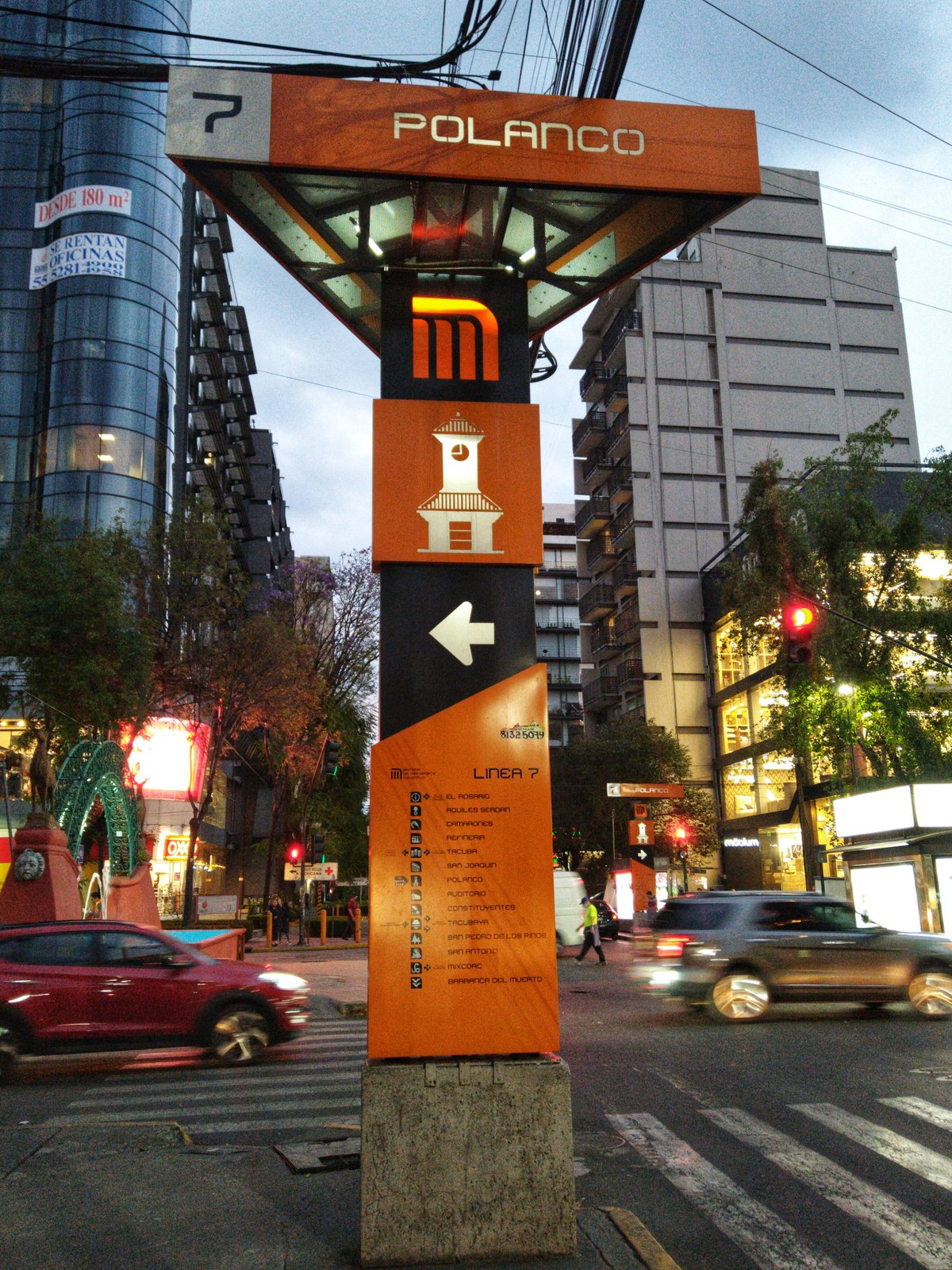
- Transportation Accessible via Metro Line 7 (Polanco station), buses, taxis, and ride-sharing apps.
- Safety Among the safest neighborhoods in Mexico City; nonetheless, use standard precautions, especially at night.
Exploring Chapultepec Castle
Chapultepec Castle, atop Chapultepec Hill, is a symbol of Mexican history and a must-see near Polanco. Once an imperial residence and now the National Museum of History, it offers panoramic views, opulent interiors, and lush gardens.
- Hours Tuesday–Sunday, 9 AM–5 PM; closed Mondays.
- Tickets 85 MXN for adults; discounts for students, children, and seniors.
- Access Via Chapultepec Metro Station and park pathways; partial wheelchair accessibility.
- Highlights Murals, period rooms, gardens, and city vistas.
Arrive early, wear comfortable shoes, and check the official website for special events.
Frequently Asked Questions (FAQ)
Q: What are the main visiting hours for Polanco attractions?
A: Museums like Museo Soumaya and Museo Jumex are open Tuesday to Sunday, 10:00 AM to 6:00/7:00 PM. Avenida Masaryk boutiques open 11 AM–8 PM.
Q: Are tickets required for Polanco museums?
A: Museo Soumaya is free. Museo Jumex offers free Sundays; other days and special exhibitions may require tickets. The National Museum of Anthropology requires tickets.
Q: Is Polanco safe at night?
A: Yes, but standard precautions are recommended.
Q: What is the best way to get around Polanco?
A: Walking is ideal for short distances; Metro, taxis, and ride-sharing apps are available for longer trips.
Final Travel Tips
- Dress appropriately for upscale venues.
- Make reservations for top restaurants and popular clubs.
- Use public transport or reputable ride-hailing services.
- Download travel apps for maps and real-time updates.
- Respect local customs and the neighborhood’s residential atmosphere.