The Historical and Cultural Roots of Printmaking in Mexico
Printmaking in Mexico traces its origins to the sixteenth century, when the first presses produced devotional images for Catholic institutions (The Met Museum). Over time, printmaking became a dynamic medium for communication, social critique, and artistic expression. The introduction of lithography in the nineteenth century expanded its reach, enabling artists to address broader audiences.
A pivotal figure in the development of Mexican printmaking was José Guadalupe Posada (1851–1913), whose iconic “calaveras” (skeletons) became enduring symbols of Mexican popular culture. His broadsides, often addressing current events and social issues, established printmaking as a vehicle for mass communication and paved the way for generations of artists to use the medium for social commentary (The Met Museum).
In the twentieth century, collectives like the Taller de Gráfica Popular (TGP), founded in 1937, harnessed printmaking for political activism and community engagement. The TGP’s works denounced social injustices and advocated for reform, making printmaking a cornerstone of Mexico’s visual and political landscape (Taller de Gráfica Popular, Wikipedia).
About the Museo Nacional de la Estampa
Origins and Architectural Setting
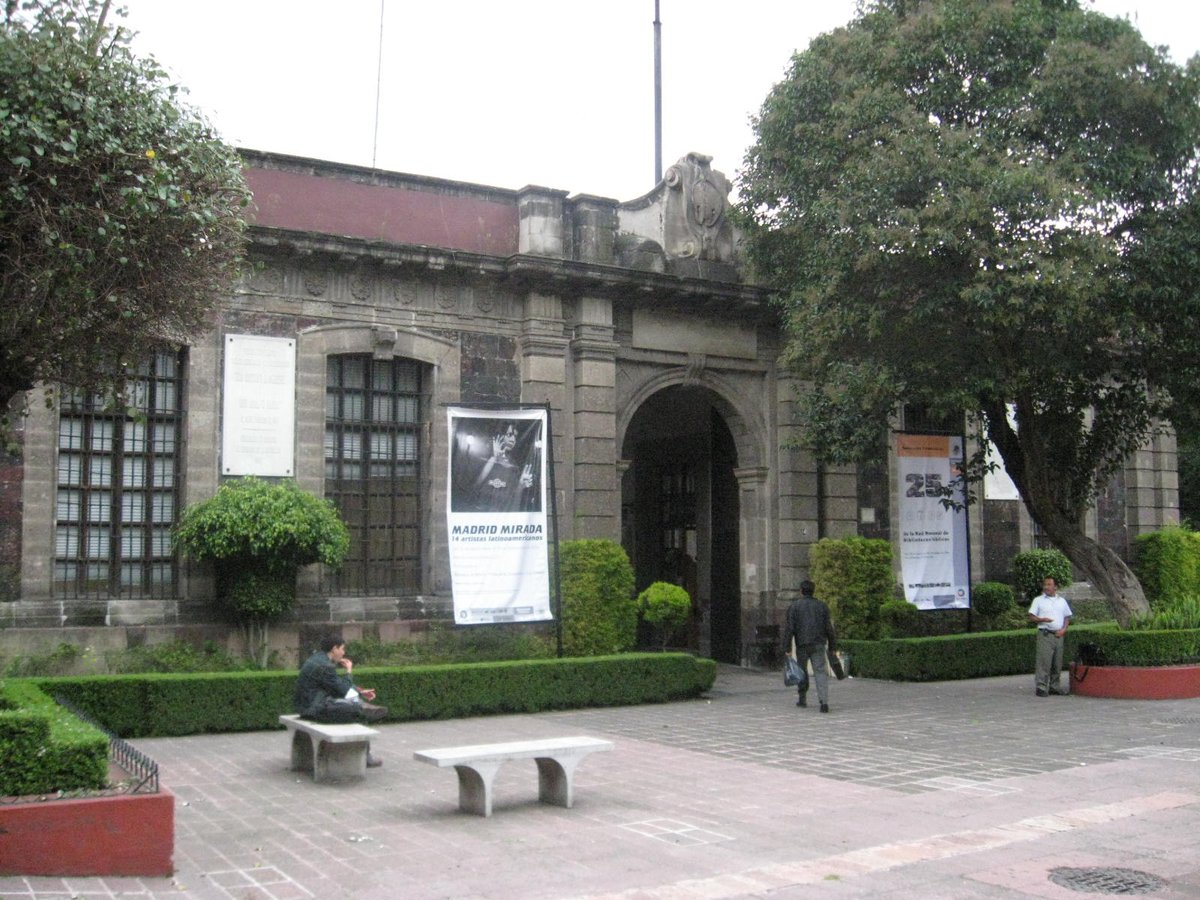
MUNAE is housed in a restored neoclassical building on Avenida Hidalgo 39, opposite the Plaza de la Santa Veracruz. The site, which transitioned from a historic cemetery to a commercial and residential building, was acquired and restored by the federal government in 1983. The museum opened its doors in 1986 by presidential decree, with a mission to preserve and promote printmaking as part of Mexico’s cultural heritage (Museo Nacional de la Estampa, Wikipedia).
Collection Highlights
- Permanent Collection Over 12,000 works, including prints, engravings, matrices, and artist books from colonial times to the present (Museo Nacional de la Estampa, INBAL).
- Iconic Artists Works by José Guadalupe Posada, Leopoldo Méndez, David Alfaro Siqueiros, Pablo O’Higgins, and many others.
- International Masters Prints by Francisco Goya, Rembrandt van Rijn, and Albrecht Dürer, providing global context to Mexican graphic art.
- Taller de Gráfica Popular Archive Posters, pamphlets, and matrices from this influential collective.
Exhibitions and Programs
- Rotating Exhibitions Temporary shows change every 2–3 months, exploring themes from Mexican history and contemporary printmaking (Exhibitions calendar).
- Workshops and Public Programs Hands-on workshops, artist talks, and guided tours for all ages (Education at MUNAE).
- Digital Access Browse high-resolution images, essays, and virtual exhibitions online (Digital Collection).
Practical Visitor Information
Location and Getting There
- Address Av. Hidalgo 39, Centro Histórico, Mexico City
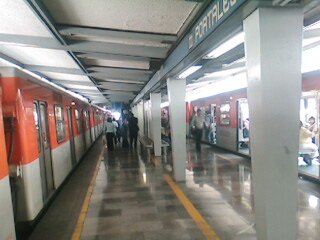
- Metro Bellas Artes (Lines 2 and 8) and Hidalgo (Lines 2 and 3)
- Bus & Taxi Numerous bus routes and ride-share services available
- Parking No on-site parking; public transport recommended
Visiting Hours (as of June 2025)
- Tuesday to Sunday 10:00 AM – 6:00 PM
- Closed Mondays and certain public holidays
Tickets and Admission
- General Admission 70 MXN
- Discounted Admission 35 MXN for students, teachers, and seniors with valid ID
- Free Admission Children under 12, INBA members, and all visitors on Sundays (Mexican citizens and residents)
- Ticket Purchase At museum entrance only; check official site for updates
Accessibility
- Physical Access Wheelchair ramps, accessible restrooms, and elevators
- Assistance Staff and educational materials available for visitors with disabilities
- Guide Dogs Permitted in the museum
Amenities
- Cloakroom Store bags and umbrellas
- Restrooms Accessible and well-maintained
- Gift Shop Books, prints, and souvenirs
- Reading Room Specialized library (by appointment)
Visitor Experience and Tips
- Photography Non-flash photography permitted in most areas; some exhibitions may require a 10 MXN permit
- Duration Plan 1–2 hours for your visit
- Languages Most signage is in Spanish; guided tours in English available by prior arrangement
- Best Times Weekday mornings are usually less crowded; arrive early on free-entry Sundays
Nearby Attractions
Being in Mexico City’s historic center, MUNAE is close to:
- Alameda Central Historic public park, perfect for a stroll
- Palacio de Bellas Artes Iconic arts center and museum
- Museo Franz Mayer Decorative arts museum nearby
- Palacio Postal & Torre Latinoamericana Architectural and historical landmarks
For more on the area, see CDMX Travel’s Historic Center Guide.
Frequently Asked Questions (FAQ)
Q: What are the museum’s opening hours?
A: Tuesday to Sunday, 10:00 AM to 6:00 PM; closed on Mondays.
Q: How much is admission?
A: 70 MXN for adults, 35 MXN for students/teachers/seniors, free for children under 12 and on Sundays for Mexican residents.
Q: Is the museum accessible for visitors with disabilities?
A: Yes, with ramps, elevators, and accessible restrooms.
Q: Are guided tours available?
A: Yes, in Spanish and English (advance booking recommended).
Q: Can I take photos inside?
A: Photography without flash is generally allowed; check for exhibition-specific rules.
Q: How do I get there by public transport?
A: Metro stations Bellas Artes and Hidalgo are within walking distance.
Discover More
For up-to-date information on exhibitions, events, and educational programs, visit the Museo Nacional de la Estampa official website. Explore virtual tours, digital exhibitions, and resources to enhance your visit. For tips on exploring Mexico City’s rich cultural landscape, see our guides to museums and historical sites.
Download the Audiala app for audio guides, interactive maps, and personalized recommendations. Follow MUNAE on social media for the latest news and visitor tips.
Summary
The Museo Nacional de la Estampa stands at the crossroads of art, culture, and history in Mexico City. With its vast collection, dynamic exhibitions, and inclusive visitor services, it is a must-visit for anyone seeking to experience the depth and vitality of Mexican printmaking. Plan your visit to immerse yourself in a world where art and history intersect.