Historical Background and Origins
The Ferrería site’s history mirrors the evolution of Mexico City itself. Initially an important agricultural area, it later became home to the Ferrería Cattle Ranch and, in the 20th century, the city’s primary slaughterhouse (“Rastro de Ferrería”). This facility fueled local economic growth and urban expansion. The area’s transformation into Arena Ciudad de México marks a significant shift from industrial utility to a cultural and entertainment landmark.
Visiting Hours and Ticket Information
Visiting Hours:
Arena Ciudad de México operates predominantly during scheduled events. Gates typically open 1–2 hours before event start times, which are usually in the evening (7:00 PM–11:00 PM), though family shows and special events may be held during the day. For up-to-date information, refer to the official website.
Tickets:
Ticket prices range according to event type, seating area, and demand.
- Concerts: $300–$2,000+ MXN
- Sporting Events: From $150 MXN
- Special Events: Prices vary
Purchase tickets through the Arena Ciudad de México official website, authorized vendors, or at the box office. Avoid third-party resellers to prevent ticket fraud.
Cultural Significance
Ferrería embodies Azcapotzalco’s journey from an agricultural and industrial center to a modern urban district. The arena has become a symbol of cultural revitalization, hosting events that draw audiences from across the city and beyond, while serving as a prominent community gathering place.
Travel Tips and Accessibility
- Getting There
The site is best reached via Metro Line 6 (Ferrería/Arena Ciudad de México station), just a short walk from the arena (Metro CDMX). - Accessibility
Both the metro station and arena offer ramps, elevators, tactile guidance for the visually impaired, and accessible restrooms. - Photography
The juxtaposition of historic remnants and the arena’s modern façade provides excellent photo opportunities, especially at sunset.
Transportation Options
Metro Access
- Ferrería/Arena Ciudad de México Station (Line 6)
Located approximately 1 km from the arena, with clear signage from station to venue (CDMX Metro Guide). - Metro Hours
5:00 AM–midnight (weekdays); opening hours differ on weekends.
Alternative Public Transport
- Metrobús Line 6
Offers rapid service to the Ferrería area (MrIndie). - Tren Suburbano
Fortuna station is about 800 meters away, connecting northern suburbs (Cultura Colectiva). - Buses
Several RTP bus lines stop near the arena (Rome2Rio). - Taxi/Ride-hailing
Widely available and convenient, especially after late events.
By Car & Parking
- On-site Parking
Space for 5,000 vehicles; arrive early on major event days (Cultura Colectiva). - Address
Av. de las Granjas 800, Santa Barbara, Azcapotzalco, 02230 Ciudad de México, CDMX (Arena CDMX).
Arena Ciudad de México: Architecture and Facilities
- Capacity
Up to 22,300 (concerts), 20,000+ (sports) - Design
45 meters tall, 225,000 m², featuring 124 luxury suites and massive LED screens (facts.net, sportsmatik.com) - Amenities
Modern restrooms, shopping and dining areas, Wi-Fi, and charging stations - Accessibility
Ramps, elevators, tactile paving, and accessible seating throughout venue
Event Highlights and Programming
Arena Ciudad de México is synonymous with top-tier entertainment. Recent and upcoming events include concerts by internationally acclaimed artists (Paul McCartney, Lady Gaga, Justin Bieber), major sporting events (basketball, wrestling), and family shows (Disney on Ice, circus events) (facts.net, arenaciudaddemexico.blogspot.com). The arena’s flexible design enables rapid transformation between event types, ensuring a varied year-round calendar.
Nearby Attractions and Services
- Mercado Rastro de Ferrería
Traditional market offering local food and crafts, just 180 meters from the station (MexicoCity.cdmx.gob.mx) - Alameda Norte
A large urban park, perfect for a stroll before or after events - Historic Azcapotzalco
Features colonial-era churches, plazas, and local markets - Centro Deportivo Ferrocarrilero
Sports complex along the walking route from the metro - Mexico City’s Historic Center
Accessible via public transport, with world-class museums and landmarks
Safety and Security
Both the arena and metro station are equipped with extensive security:
- Arena
650 security cameras, security staff, and strict entry policies (sportsmatik.com) - Metro Station
Constant surveillance and a visible police presence (MrIndie)
Prohibited Items:
No outside food or drink, glass containers, weapons, or professional cameras/video equipment (arenaciudaddemexico.blogspot.com).
Popular Photographic Spots
- Arena’s striking façade and LED screens
- Mercado Rastro de Ferrería for local color
- Alameda Norte’s park scenery
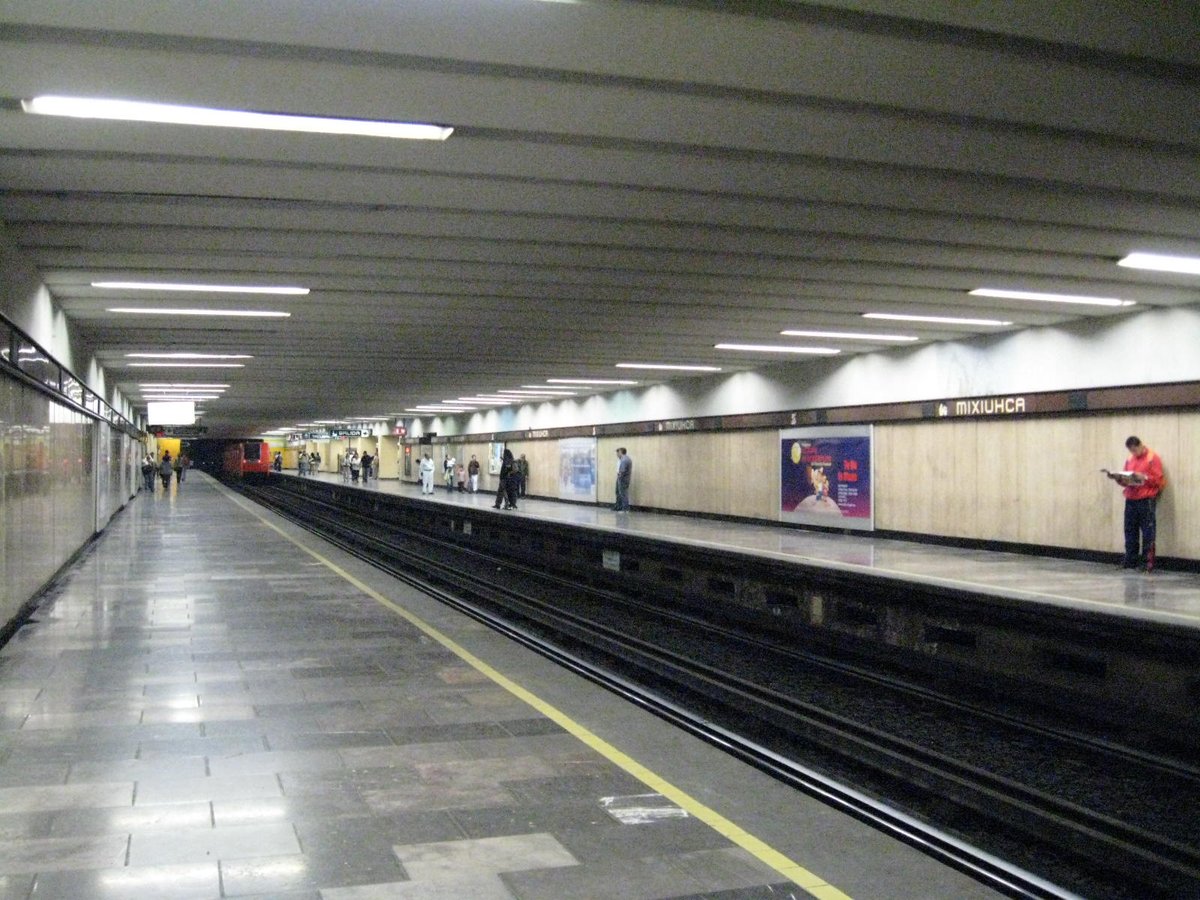
- Historic features of Ferrería/Arena Ciudad de México Metro Station
Practical Tips for Visitors
- Arrive Early
Plan to arrive 1–2 hours before events to avoid crowding and secure parking. - Dress Comfortably
Expect to walk up to 1 km from transport stops. - Prepare for Weather
Bring rain gear during the wet season. - Cash/Card
Most vendors accept cards, but some markets are cash-only. - Accessibility
The arena and metro station are designed for full accessibility.
Frequently Asked Questions (FAQ)
Q: What are the Arena Ciudad de México visiting hours?
A: Primarily on event days, opening 1–2 hours before the scheduled start. Check event listings for details.
Q: How much do tickets cost?
A: Varies by event and seating, typically from $150 MXN to over $2,000 MXN.
Q: Is the arena accessible for people with disabilities?
A: Yes, with ramps, elevators, tactile guidance, and accessible seating.
Q: Can I park at the arena?
A: Yes, up to 5,000 spaces, but arrive early for major events.
Q: Are guided tours available?
A: Occasionally, on non-event days. Check the official website for schedules.
Q: What are the best ways to get to the arena?
A: Metro Line 6 (Ferrería/Arena Ciudad de México station) is most convenient. Metrobús, Tren Suburbano, bus, taxi, and ride-hailing services are alternatives.
Maps and Virtual Tours
Explore the area with interactive maps and virtual tours available on the Arena Ciudad de México website and Metro CDMX platform.