Introduction
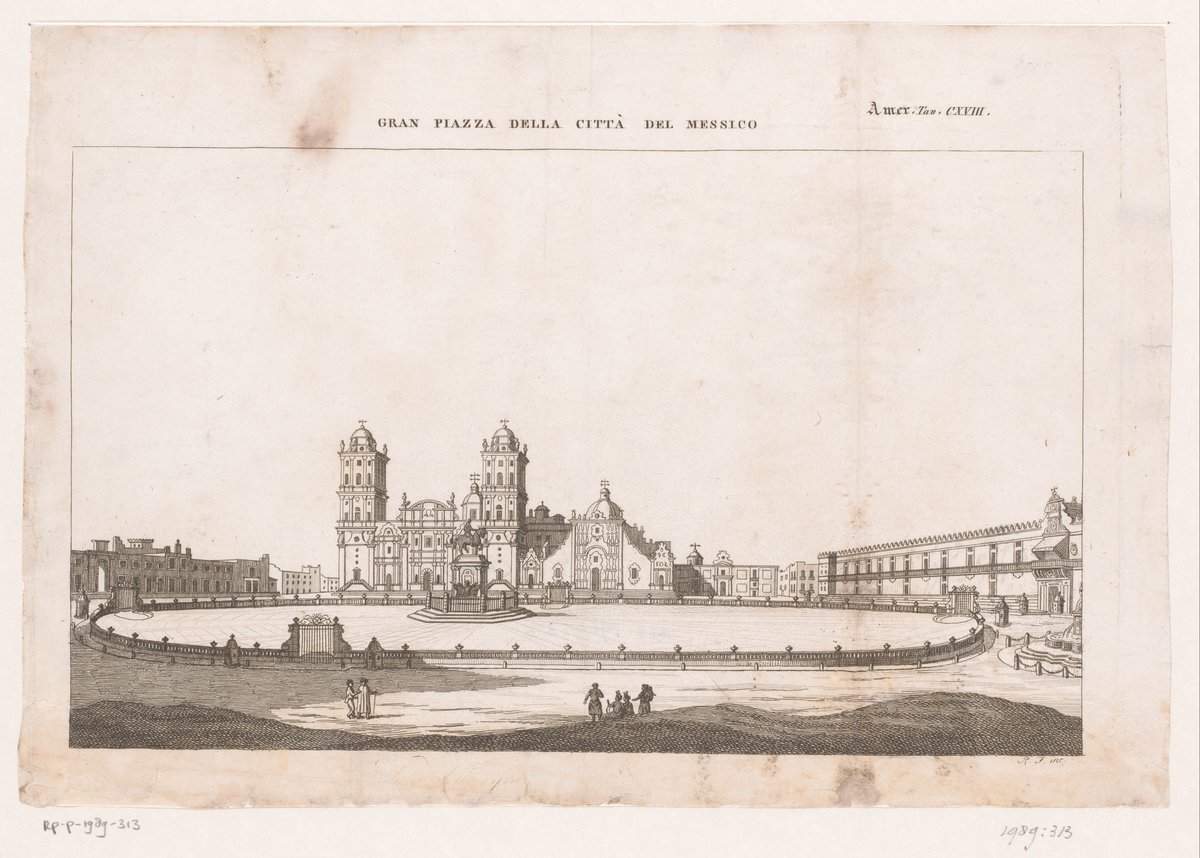
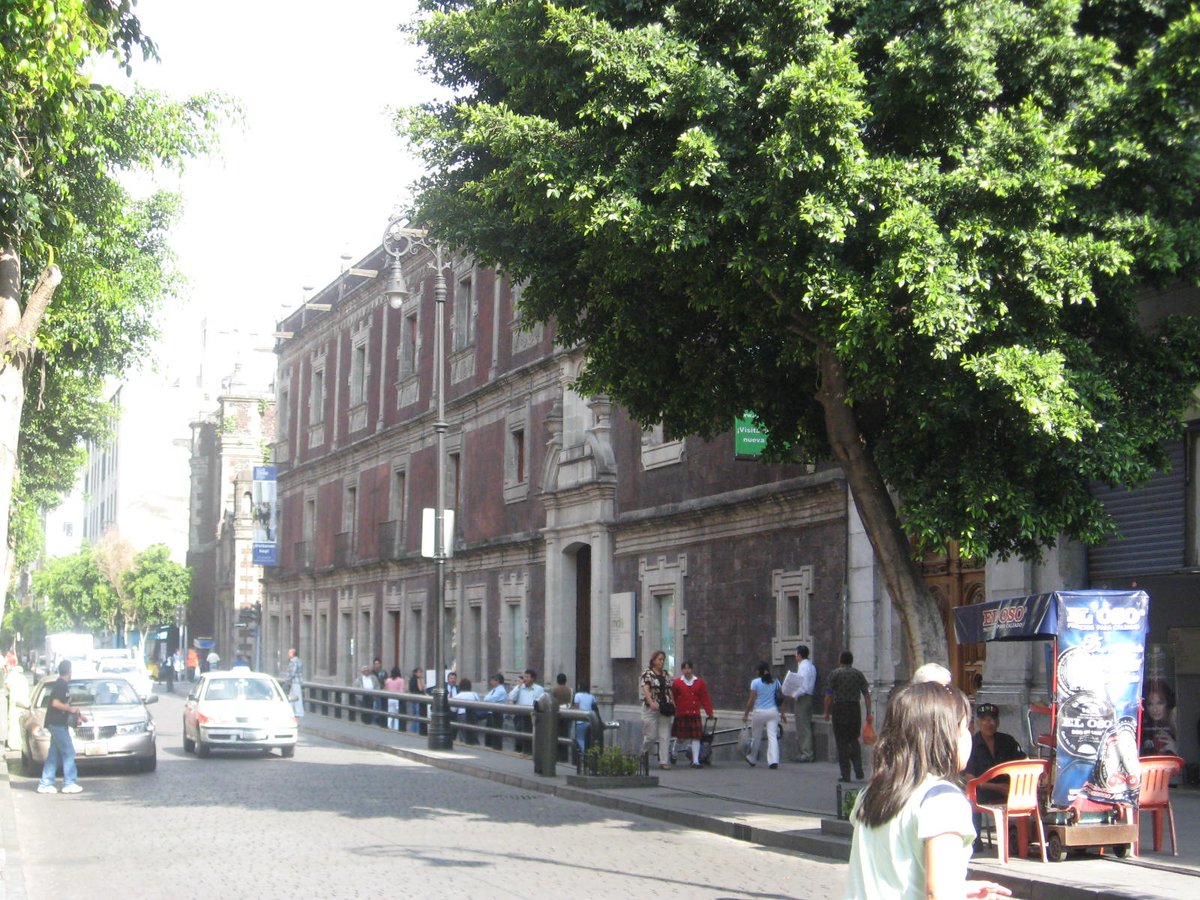
The first time you stand in the Zócalo at dusk, the smell of copal incense drifts from a hidden altar while a dozen vendors fry tlacoyos inches from 16th-century cathedral stones built atop the ruins of Aztec Tenochtitlan. Mexico City does this to you: it collapses centuries into a single breath. At 2,240 meters above sea level, the air is thinner, the light sharper, and the contradictions louder than anywhere else in Mexico.
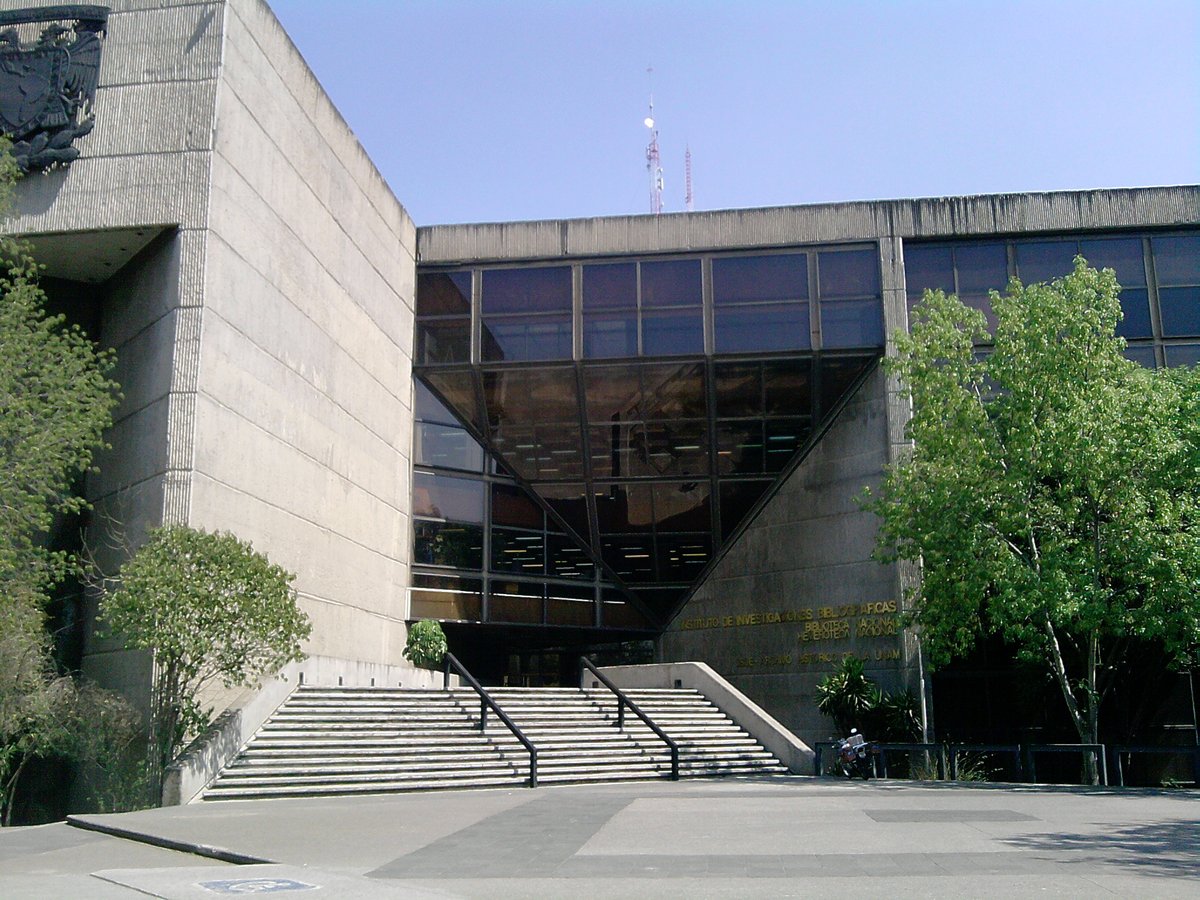
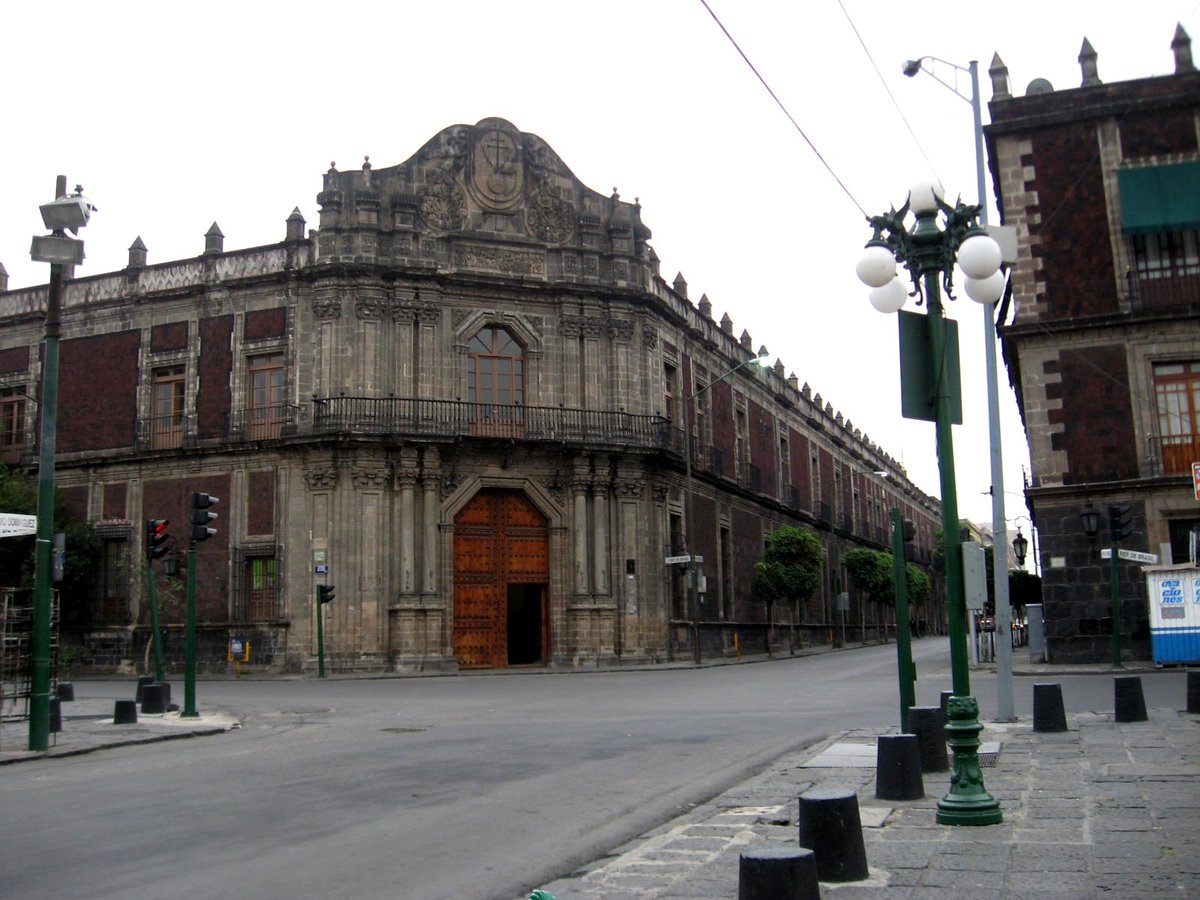
This is a capital where you can spend the morning tracing 700-year-old serpent heads at the Templo Mayor, eat barbacoa wrapped in maguey leaves for lunch, then lose yourself among volcanic-stone sculptures at the Espacio Escultórico on UNAM’s modernist campus by late afternoon. The city refuses to choose between its identities; Aztec, colonial, Porfirian, modernist, and contemporary layers exist in constant conversation, often on the same block.
What ultimately hooks visitors is the neighborhood life that pulses between the landmarks. Walk ten minutes from a Diego Rivera mural and you’ll find yourself in a candlelit cantina where the botana arrives without asking, or on a quiet street in Santa María la Ribera where the ironwork of the Kiosco Morisco glows under late golden light. The city rewards those who slow down enough to notice these shifts in rhythm and texture.
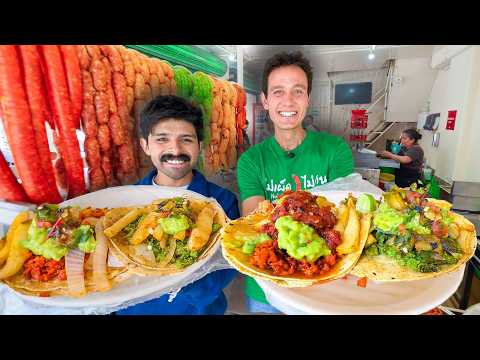
Eating Huarache, Tacos, & More in Mexico City! | Epic Food Journeys with Mark Wiens | Nat Geo
National GeographicPlaces to Visit
The Most Interesting Places in Mexico City
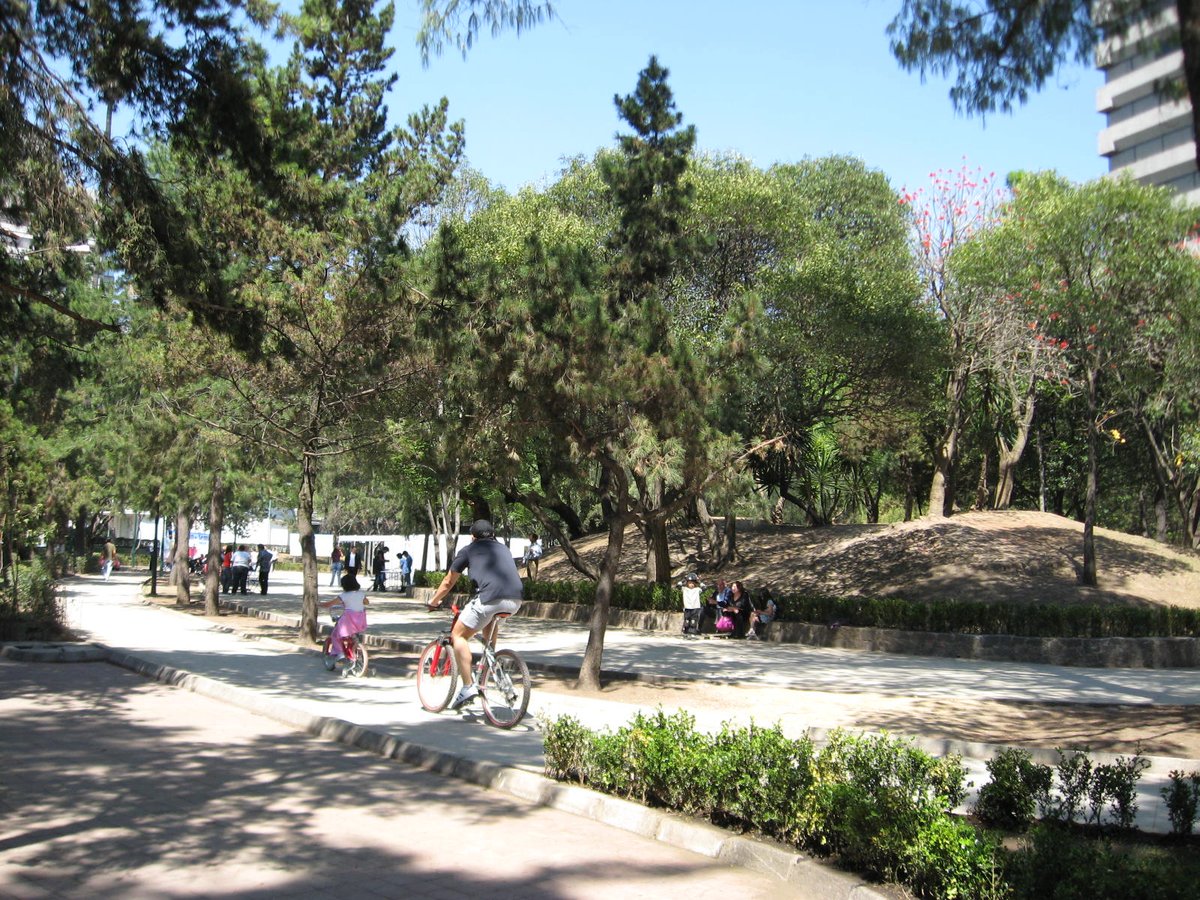
Bicentennial Park
Bicentennial Park, or Parque Bicentenario, in Mexico City stands as a remarkable symbol of urban transformation, ecological restoration, and cultural…
National Museum of Anthropology
The Museo Nacional de Antropología (National Museum of Anthropology) in Mexico City stands as a profound testament to the rich cultural heritage and…
Palace of Fine Arts
Built as a grand theater for Porfirio Díaz, Bellas Artes became Mexico's marble stage for murals, opera, and the city's most photographed skyline.
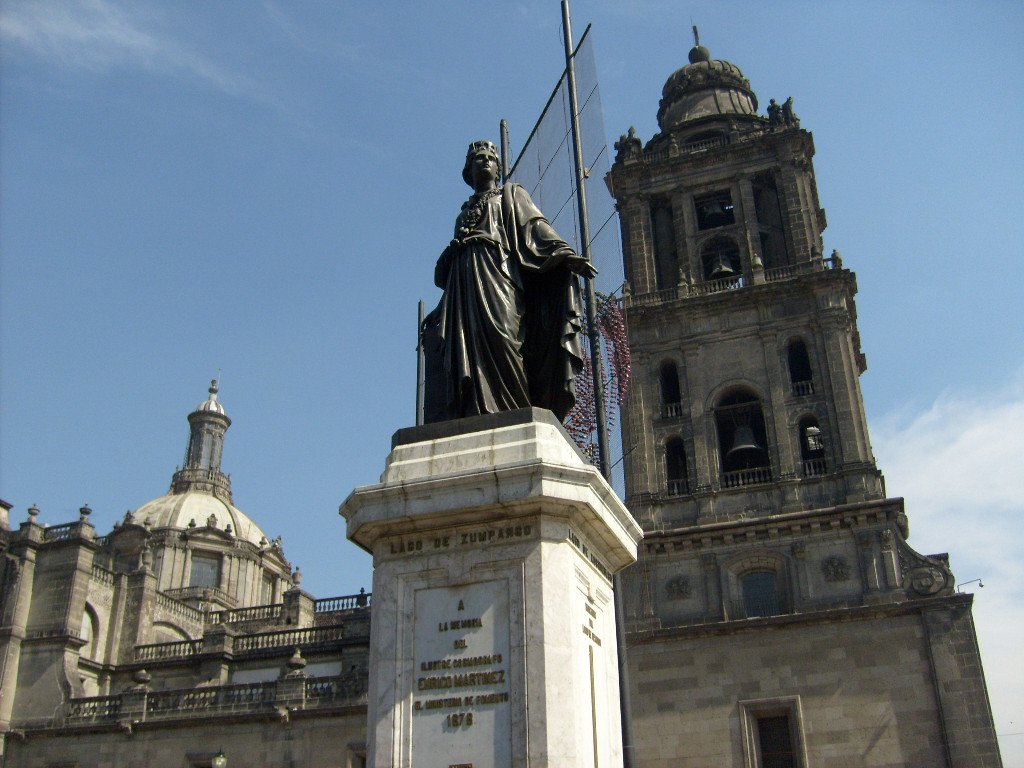
Mexico City Metropolitan Cathedral
The Mexico City Metropolitan Cathedral, officially known as Catedral Metropolitana de la Asunción de la Santísima Virgen María a los cielos, is one of the…
National Palace
The Palacio Nacional, located in the heart of Mexico City, stands as a monumental testament to Mexico's rich and tumultuous history.
Parque Hundido
Mexico City, a bustling metropolis rich in history and culture, is home to many iconic landmarks, one of which is the Reloj Floral, or Floral Clock, located…
Chapultepec Castle
Nestled atop Chapultepec Hill in Mexico City, the Castillo de Chapultepec, now home to the Museo Nacional de Historia, is a landmark of immense historical and…
Basilica of Our Lady of Guadalupe
The world's second most-visited religious site after the Vatican — 20 million annual pilgrims arrive to see a 1531 cloak said to bear a miraculously imprinted image.
Parque Lincoln
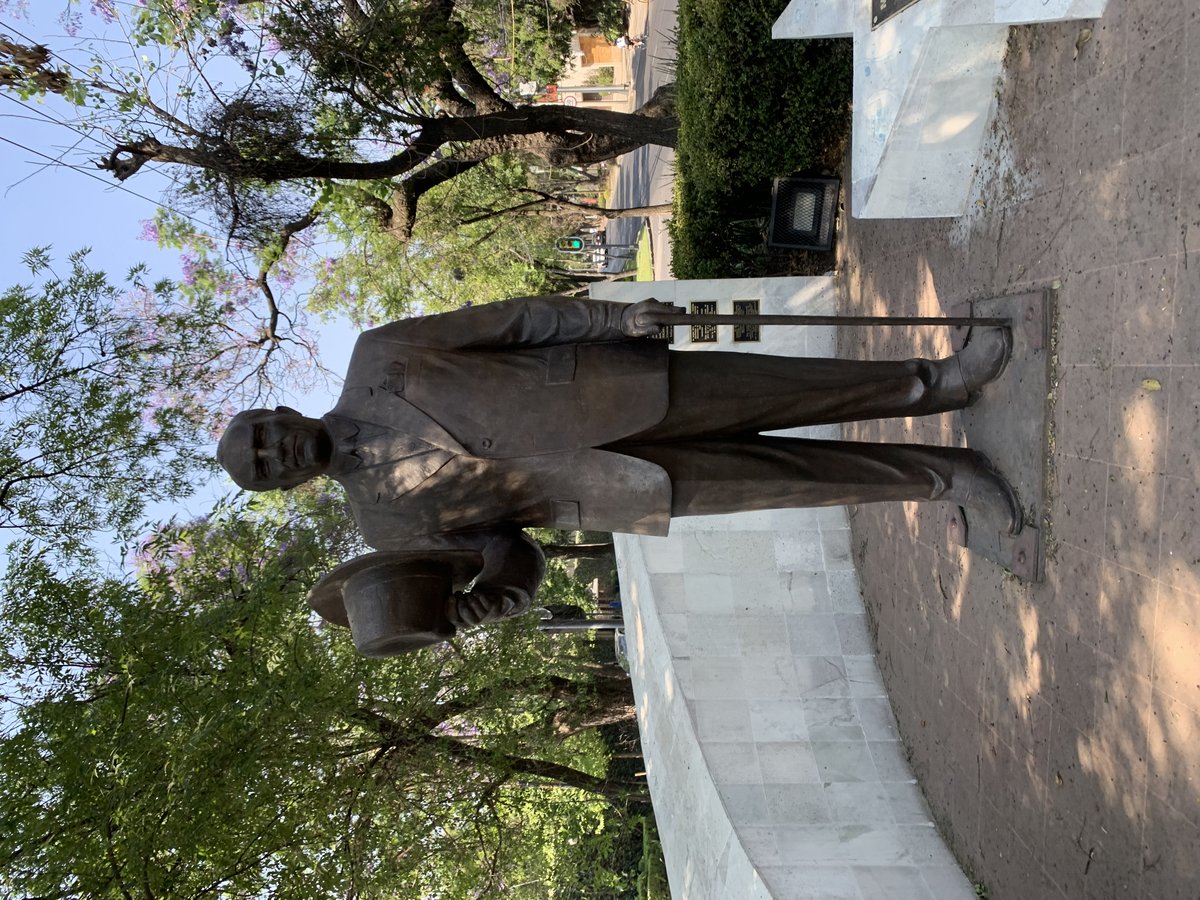
The statue of Abraham Lincoln in Mexico City, known as "Abraham Lincoln - The Man," stands as a powerful symbol of the enduring friendship between the United…
Parque España
The Monumento al General Lázaro Cárdenas in Mexico City is a significant historical and cultural landmark that commemorates one of Mexico's most influential…
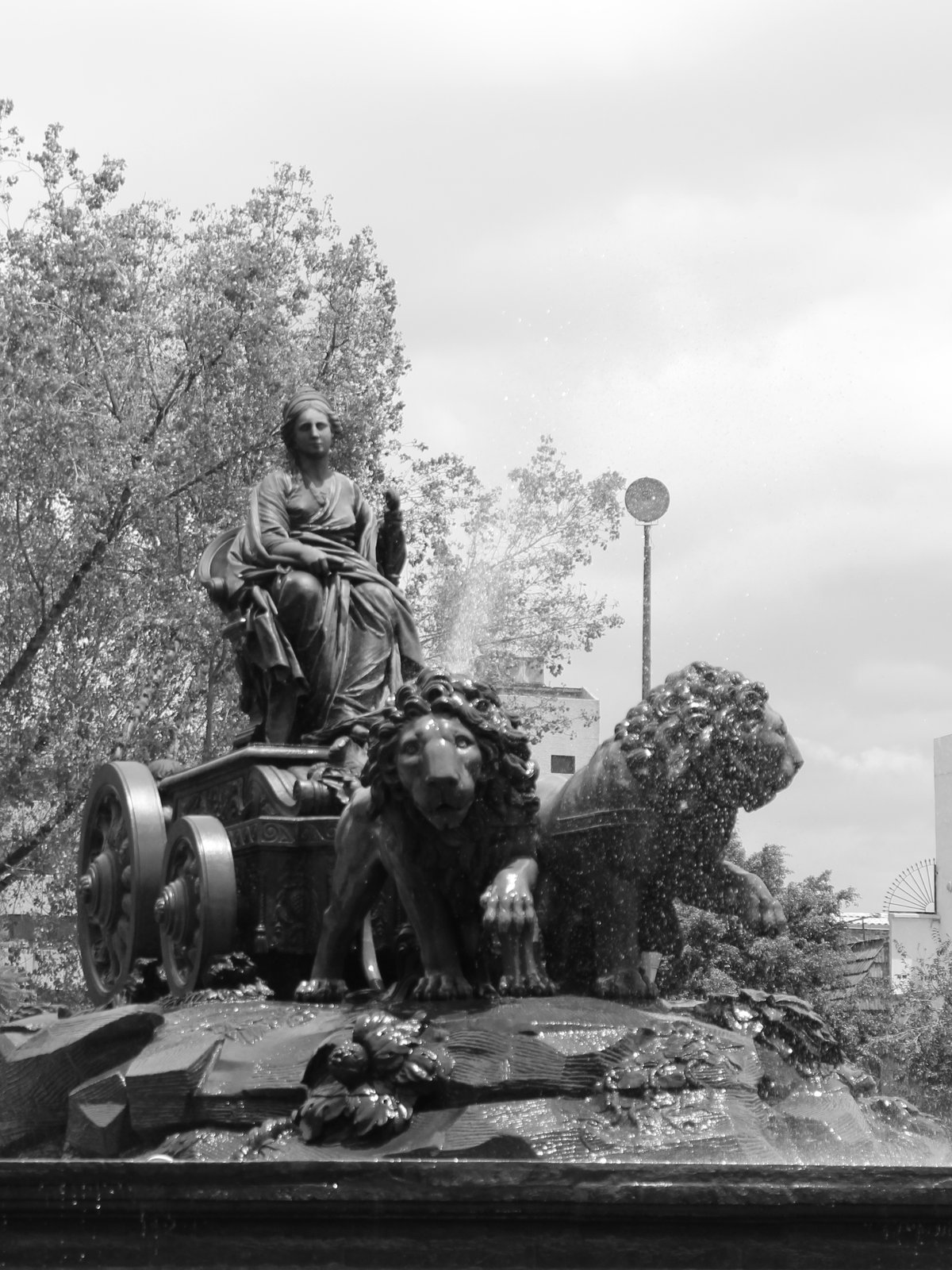
Fuente De Cibeles
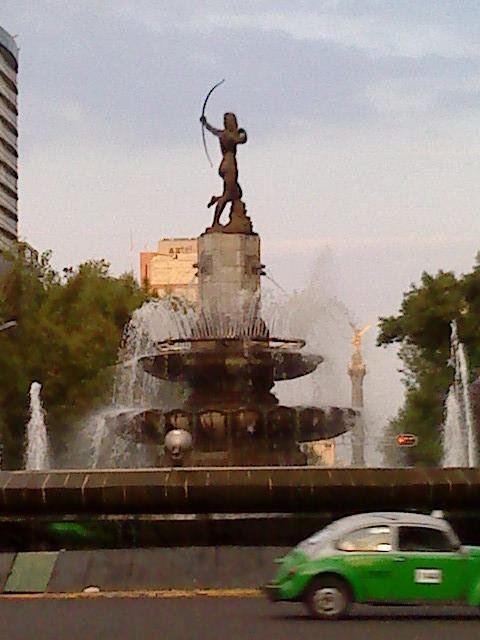
The Fuente de Cibeles in Mexico City stands as a testament to the enduring cultural and historical ties between Mexico and Spain.
Plaza De Las Tres Culturas
The Zona Arqueológica Tlatelolco, situated in the heart of Mexico City, is a treasure trove of historical and cultural significance.
What Makes This City Special
Layered History
The Zócalo sits directly atop the ruins of Aztec Tenochtitlan, with the Templo Mayor’s excavated pyramids and sacrificial altar still visible beside the Metropolitan Cathedral. Walking here feels like descending through centuries in a single block.
Muralist Legacy
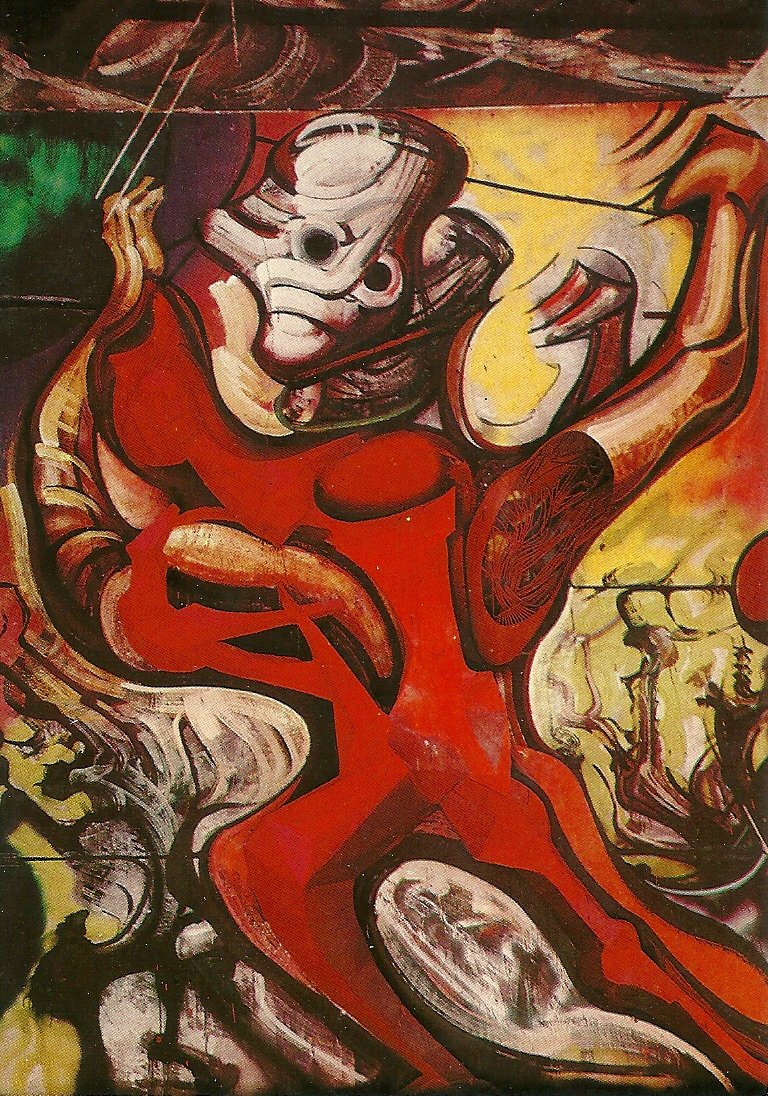
From the Palacio de Bellas Artes to the UNAM campus, Mexico City’s walls carry the largest public art program of the 20th century. Diego Rivera, Orozco and Siqueiros turned buildings into manifestos you can still read in the original.
Urban Nature
At 2,240 m elevation, the city contains both the vast Bosque de Chapultepec and the high forests of Desierto de los Leones. On clear mornings the smell of pine drifts down from the mountains that ring the valley.
Street Food Capital
Tacos al pastor spin on vertical spits under neon, while blue-corn tlacoyos hiss on comals at 3 a.m. The city’s 24-hour taquerías and markets serve more varieties of masa than most countries have dishes.
Historical Timeline
From Tenochtitlan to CDMX: Seven Centuries of Layered Lives
Built on a lake, remade by conquest, shaken by revolution and earthquakes
Cuicuilco Dominates the Basin
A thriving city of pyramids and plazas rises on the southwestern shore of the lake. Its round pyramid, built without metal tools, becomes the religious heart of the valley until the volcano Xitle erupts around 100 BCE, burying it in lava and shifting power northward. The smell of sulfur and the sight of blackened fields would haunt local memory for centuries.
Founding of Tenochtitlan
According to legend, the Mexica see an eagle perched on a cactus devouring a snake on a small island in Lake Texcoco. They drive wooden piles into the mud and begin building what will become one of the world's largest cities. Within two centuries its population swells to between 100,000 and 200,000, crisscrossed by canals and connected by four great causeways.
Birth of the Triple Alliance
Tenochtitlan, Texcoco, and Tlacopan form a military and economic pact that rapidly expands into an empire stretching across central Mexico. Tribute flows into the island capital: jade, feathers, cacao, and captives for the gods. The city grows richer and more stratified with every campaign.
Templo Mayor Rededication
Emperor Ahuízotl inaugurates the final enlargement of the Great Temple with the sacrifice of thousands of captives. The twin shrines to Huitzilopochtli and Tlaloc tower over the sacred precinct. Their stepped silhouette against the lake remains the most potent image of Aztec imperial power.
Cortés Enters Tenochtitlan
On November 8, Hernán Cortés and his small force of Spaniards and Indigenous allies walk across the southern causeway into the gleaming city. Moctezuma II greets them with gifts and trepidation. For a few months the two worlds coexist in uneasy wonder before mistrust and smallpox shatter the fragile peace.
Fall of Tenochtitlan
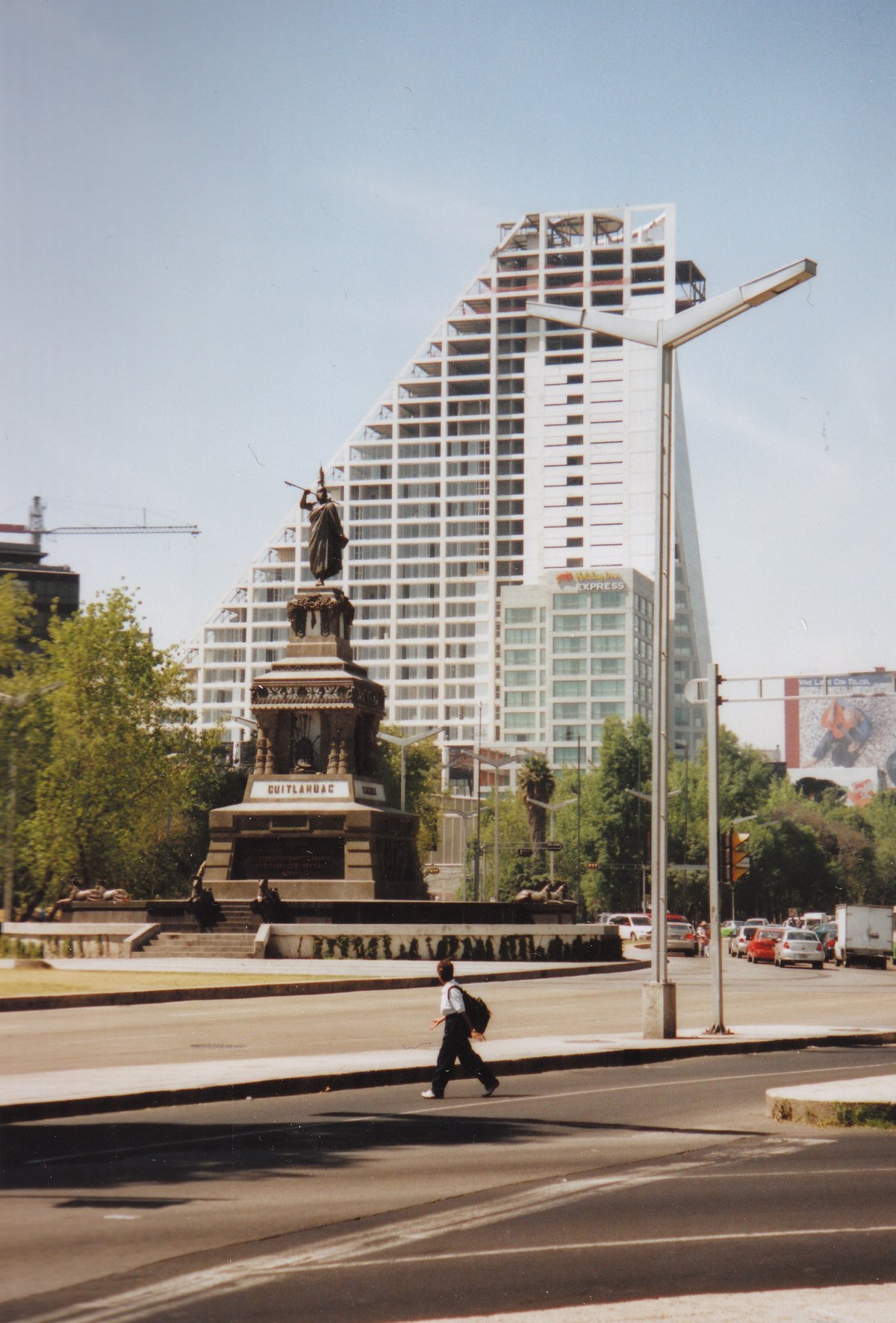
After a brutal 75-day siege, the last Aztec emperor Cuauhtémoc is captured on August 13 while fleeing in a canoe. The once-magnificent island capital lies in ruins, its temples toppled, its canals choked with bodies. Cortés orders the city razed and rebuilt in the Spanish image directly atop the Mexica ruins.
Death of Sor Juana
In the Convent of San Jerónimo, the brilliant nun and poet Sor Juana Inés de la Cruz dies during a plague outbreak. Her library and scientific instruments are confiscated, yet her verses and fierce defense of women's intellect continue to echo through the city's stone walls for centuries.
Independence Cry Reaches the Capital
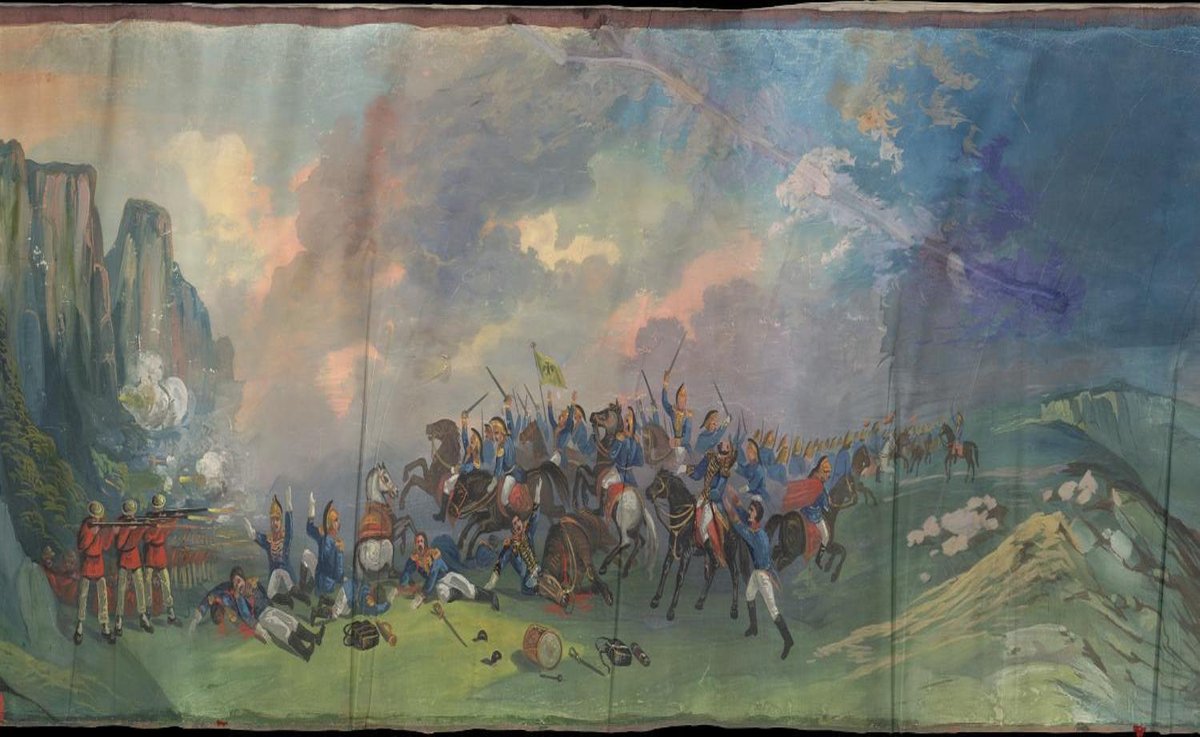
News of Father Hidalgo's Grito in Dolores sparks political tremors in Mexico City. Though the capital itself remains a royalist stronghold for years, the insurgency slowly drains the viceroyalty's resources until the final battles of 1821 decide the city's fate.
Independence Secured
On September 27, the Army of the Three Guarantees marches into Mexico City under Iturbide. The colonial era ends. The city that once served the Spanish crown now becomes the capital of an independent Mexico, though the struggle to define that nation has only just begun.
U.S. Forces Capture Chapultepec
On September 13, American troops storm the Military College atop Chapultepec Hill in one of the bloodiest battles of the Mexican-American War. The last defenders, including young cadets who became known as the Niños Héroes, leap to their deaths rather than surrender. Mexico City falls the next day.
Maximilian and Carlota Arrive
The Austrian archduke and his Belgian wife enter Mexico City as emperor and empress, installed by French bayonets. They take up residence in Chapultepec Castle and attempt to refashion the city with Parisian flair. Their dream lasts barely three years before republican forces retake the capital.
The Angel of Independence Rises
Porfirio Díaz's regime inaugurates the gilded Angel monument on Paseo de la Reforma to celebrate a century of nominal independence. The grand European-style boulevard itself had been laid out by Maximilian. The Angel would later survive earthquakes while watching the city transform around it.
Revolution Erupts
The centennial celebrations of independence mask deep discontent. By 1913 the Decena Trágica brings street fighting and artillery fire into the heart of the capital. For the next decade, control of Mexico City changes hands repeatedly as revolutionary factions battle for the soul of the nation.
Rivera Paints the National Palace
Diego Rivera begins his monumental mural cycle depicting the entire history of Mexico on the walls of the National Palace, literally painting over the seat of power. In vivid color he shows conquest, exploitation, and the promise of revolution while Frida Kahlo watches from the shadows of Coyoacán.
Frida Kahlo Dies in Coyoacán
Frida Kahlo draws her last breath in the Casa Azul, the same bright blue house where she was born. Her body is carried through the streets of Coyoacán to the crematorium. The city that both tormented and inspired her quickly transforms her home into a shrine that still draws pilgrims today.
Tlatelolco Massacre
On October 2, just ten days before the Olympic Games, government forces open fire on student protesters in the Plaza de las Tres Culturas. Hundreds are killed. The modern Olympic city and the old colonial plaza become forever linked by the sound of automatic weapons and the silence that followed.
The Great Earthquake
At 7:19 a.m. on September 19, a magnitude 8.0 earthquake strikes. Buildings in the historic center collapse like accordions. More than 10,000 people die. In the ruins, ordinary citizens organize rescue brigades while the government fumbles, birthing a new era of civil society that would eventually transform Mexican politics.
Mexico City Becomes CDMX
On January 29 the former Federal District is officially renamed Ciudad de México. The change grants the capital greater autonomy and its own constitution. Seven hundred years after the eagle landed on the cactus, the city that refuses to be contained by any single name finally claims its own.
700 Years of Tenochtitlan
The city commemorates seven centuries since its founding with new monuments, renamed streets, and public art. The ancient lake that once surrounded Tenochtitlan is evoked in light installations while the modern megalopolis of twenty million people reflects on the layers beneath its concrete.
Notable Figures
Frida Kahlo
1907–1954 · PainterBorn in Coyoacán, Frida turned the blue house on Londres Street into both home and canvas. She painted while bedridden after her accident, channeling the city’s volcanic light and political turbulence into self-portraits that now draw pilgrims to Casa Azul. Today she would probably smirk at the queues and slip away to eat street tlacoyos in the market.
Diego Rivera
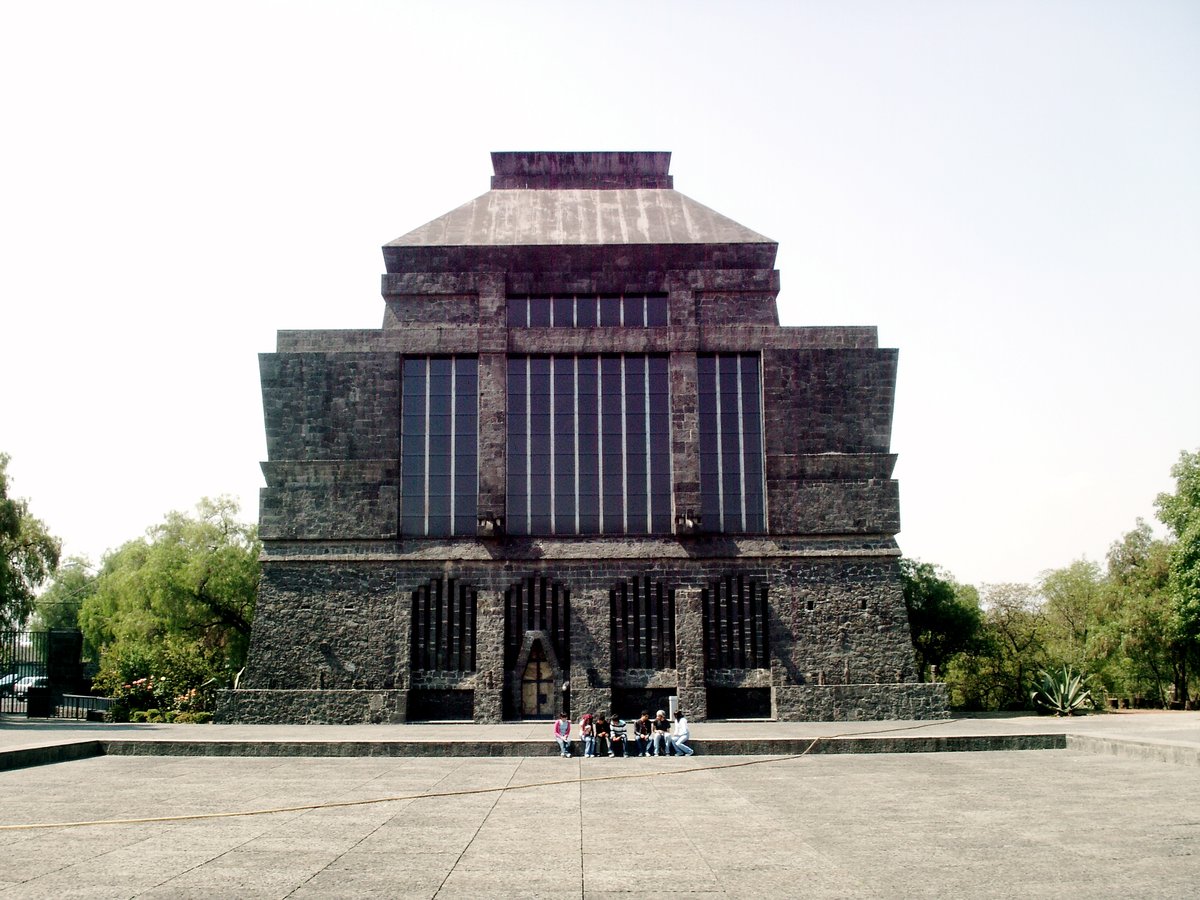
1886–1957 · MuralistRivera covered vast walls across Mexico City with Mexico’s complicated story, from ancient corn gods to revolutionary workers. He designed the Anahuacalli museum himself as a volcanic-stone temple for his pre-Hispanic collection. Walking the city today, you still feel his belief that public art should belong to everyone, not just museums.
Luis Barragán
1902–1988 · ArchitectThe Pritzker-winning architect created silent, color-drenched spaces that still feel radically modern. His own house and studio in Tacubaya remains one of the most influential homes of the 20th century. If he returned now, he would likely approve of how the city’s intense highland light still makes his pink and yellow walls vibrate.
Plan your visit
Practical guides for Mexico City — pick the format that matches your trip.
Mexico City Money-Saving Passes & Cards
Honest 2026 guide to Mexico City passes and cards: which bus passes save money, which bundles overcharge, and when regular transit is the cheaper move.
Mexico City First-Time Visitor Tips & Insider Hacks
Honest, local-grade tips for your first trip to Mexico City: monument queue hacks, transport traps, scams by location, tipping rules, and the 3 things to prioritize.
Photo Gallery
Explore Mexico City in Pictures
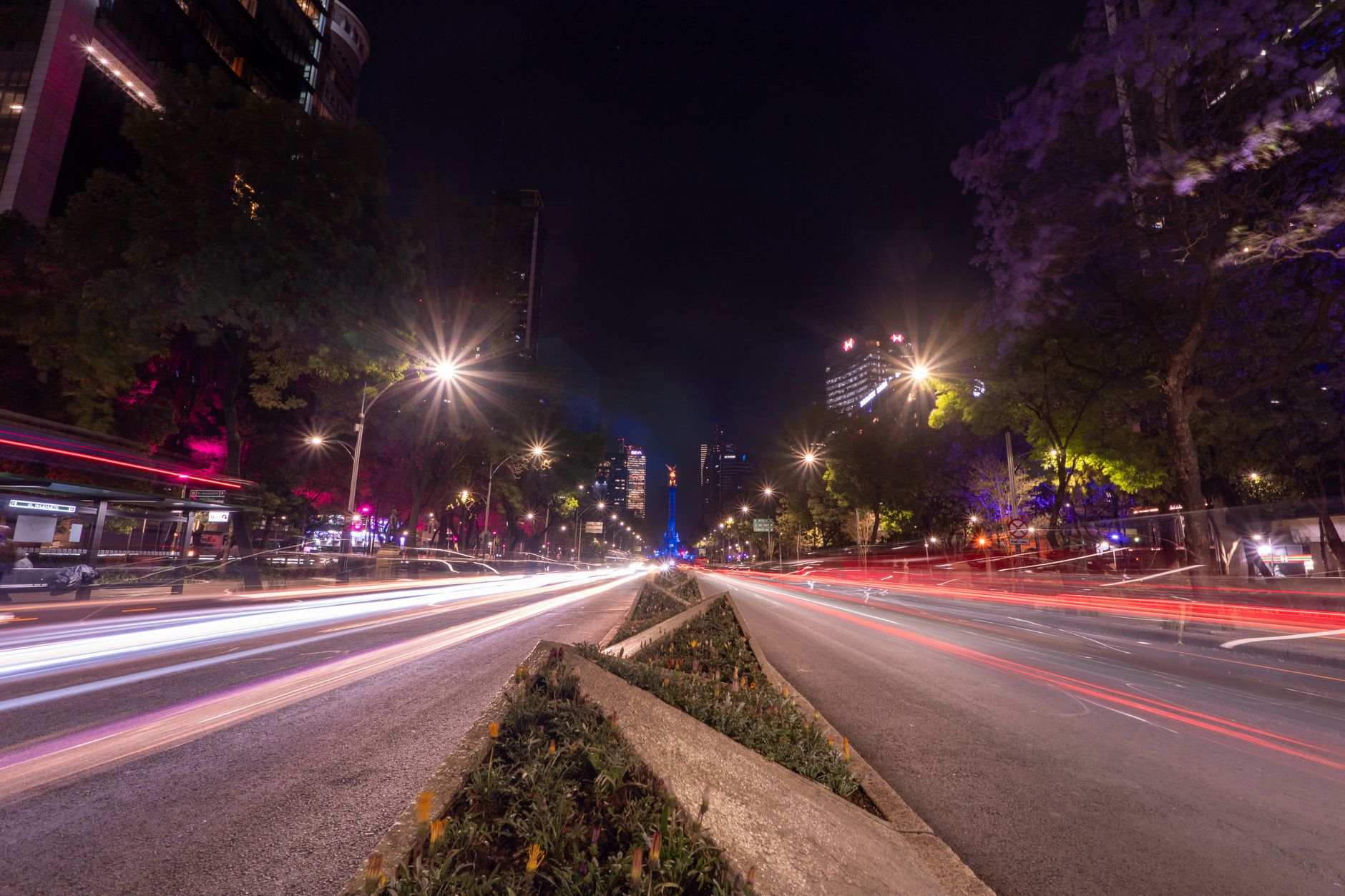
Long-exposure light trails illuminate the iconic Paseo de la Reforma in Mexico City, leading toward the glowing Angel of Independence monument at night.
Israyosoy S. on Pexels · Pexels License
A stunning long-exposure shot captures the vibrant energy of a Mexico City street at night, illuminated by glowing traffic trails and urban architecture.
Israyosoy S. on Pexels · Pexels License
Striking modern architecture defines the skyline of Mexico City, showcasing the sleek glass facade of the Ritz-Carlton.
Israyosoy S. on Pexels · Pexels License
A vibrant long-exposure shot capturing the dynamic energy of Mexico City at night, with light trails flowing past modern urban architecture.
Israyosoy S. on Pexels · Pexels License
A stunning long exposure captures the vibrant energy of Mexico City at night, with glowing skyscrapers and streaks of light from passing traffic.
Israyosoy S. on Pexels · Pexels License
A stunning long-exposure shot captures the vibrant energy of Mexico City's iconic Paseo de la Reforma at night, with the illuminated Angel of Independence standing tall in the distance.
Israyosoy S. on Pexels · Pexels License
Videos
Watch & Explore Mexico City
The Best Eats in Mexico City | Anthony Bourdain: No Reservations | Travel Channel
Andor's Diego Luna Shares His Personal Guide To Mexico City | Going Places | Condé Nast Traveler
Mexican Street Food - The Most INSANE Tacos You’ve Never Heard Of!!
Practical Information
Getting There
Most visitors arrive at Aeropuerto Internacional Benito Juárez (MEX), 20 minutes from the Historic Center. The newer Aeropuerto Internacional Felipe Ángeles (AIFA / NLU) lies farther north. Both offer direct Metrobús and intercity coach services; from MEX you can reach the Zócalo via Metrobús Line 4 in about 30 minutes.
Getting Around
The Metro system has 12 lines and 195 stations with a flat fare of MXN 5 (2026). Metrobús Lines 1, 4 and 7 are especially useful for tourists. Purchase the Tarjeta de Movilidad Integrada (MI card) for seamless transfers. Ecobici day passes cost MXN 128 and work well in Roma, Condesa and Polanco.
Climate & Best Time
Year-round average temperatures hover between 13 °C (January) and 19 °C (May). Dry season runs November–April with crisp sunny days; rainy season peaks in July–September. February to early April offers the best combination of dry weather and mild temperatures before the summer rains arrive.
Safety
Petty crime and theft occur, particularly around crowded Metro stations and at night outside tourist zones. Use ride-hailing apps or authorized taxi stands instead of street taxis. The Mi Policía app provides a direct emergency button and tourist police contact.
Where to Eat
Don't Leave Without Trying
El Cardenal
local favoriteOrder: Hot chocolate with fresh pan dulce and nata — this is where locals send people for the definitive Mexico City breakfast experience. The chilaquiles are textbook perfect.
A genuine institution since the early 20th century, El Cardenal remains the gold standard for traditional Mexican breakfast in the Centro. Nearly 20,000 reviews prove this isn't nostalgia—it's still excellent.
Rincon Zapatista
cafeOrder: Coffee and whatever pastries they've made that morning — this is a neighborhood spot where the quality is consistent and the vibe is genuinely local.
Rincon Zapatista sits in the Obrera neighborhood and attracts real regulars, not tourists. The 4.8 rating with nearly 300 reviews signals a place locals actually trust.
Café Villarías
cafeOrder: Coffee and a sweet or savory pastry — Café Villarías has been a Centro fixture for decades, and the consistency across 1,600+ reviews speaks for itself.
A reliable, well-loved cafe in the heart of Centro with over 1,600 reviews at 4.7 stars. This is where you go when you want good coffee and pastries without fuss.
Templo Mezcaleria
local favoriteOrder: A flight of mezcals from their curated selection, paired with traditional snacks. Templo takes mezcal seriously—this is where you learn, not just drink.
Templo occupies the sweet spot between serious mezcal education and approachable Centro dining. Nearly 2,000 reviews at 4.7 stars prove locals and visitors alike respect what they're doing.
La Cumbancha Mezcal & Cerveza Artesanal
local favoriteOrder: Mezcal paired with artisanal beer — La Cumbancha bridges two of Mexico's best drinks. The staff knows what they're doing and will guide you honestly.
A smaller, more intimate mezcal and craft beer bar in Centro with a 4.7 rating. This is where locals go when they want quality spirits without the tourist-trap energy.
Zinco Jazz Club
local favoriteOrder: Drinks and the live jazz — Zinco is about the experience. Order cocktails or wine and settle in for the music.
Nearly 2,800 reviews at 4.7 stars prove Zinco has staying power as Centro's best live jazz venue. It's a genuine nightlife institution, not a tourist trap.
Al Andalus
local favoriteOrder: Tapas and Spanish classics — Al Andalus has been feeding Centro for years with reliable, well-executed Mediterranean food.
Over 3,200 reviews at 4.6 stars make Al Andalus one of Centro's most consistently trusted restaurants. It's a solid, no-nonsense choice for lunch or dinner.
Restaurant Ehden
local favoriteOrder: Hummus, tabbouleh, grilled meats, and fresh pita — Ehden represents Mexico City's quietly excellent Lebanese community. The mezze are honest and generous.
With 1,290 reviews at 4.6 stars, Ehden is the Centro's go-to for Lebanese food. It's a neighborhood gem that locals actually eat at, not just tourists.
Dining Tips
- check Mexico City eats in layers: breakfast or market snack in the morning, a serious comida (main meal) around 2–4 PM, then a lighter dinner or tacos later.
- check Reservations are essential at popular spots during lunch (roughly 1–3 PM) and dinner service. Call ahead.
- check Many neighborhood markets (mercados) serve excellent comida corrida (set lunch plates) at budget prices during midday hours.
- check Bring cash (pesos) to smaller taquerías and market food stalls; not all accept cards.
- check Centro Histórico restaurants tend to close by 6–7 PM on weekdays; plan accordingly.
- check Street tacos and market food are safe and delicious—this is where locals eat. Don't skip them out of caution.
Restaurant data powered by Google
Tips for Visitors
Visit in Dry Season
Come between February and April when rainfall drops to around 17 mm in December–March and temperatures average a comfortable 16–19 °C. Avoid September, which often sees 183 mm of rain.
Get the MI Card
Buy the Tarjeta de Movilidad Integrada immediately. It works on Metro (MXN 5), Metrobús (MXN 6, airport MXN 30), Tren Ligero and Ecobici. Recharge via the App CDMX or any of the 15,000+ authorized shops.
Skip Street Taxis
Never hail taxis on the street. Use ride-hailing apps, hotel-arranged cars, or official taxi stands. Both U.S. and UK advisories specifically warn against street taxis in Mexico City.
Follow the Trompo
For tacos al pastor, look for a spinning trompo with high turnover and a crowd. Locals rate El Huequito and El Vilsito highly. Late-night suadero at Los Cocuyos is equally reliable.
Book Frida in Advance
Museo Frida Kahlo sells no tickets at the door. Reserve weeks ahead through the official site. The new Museo Casa Kahlo that opened in September 2025 also requires timed entry.
Download Mi Policía
Install CDMX’s official Mi Policía app before you arrive. It has an emergency button and connects directly to tourist police who aim to respond in under three minutes.
Explore the city with a personal guide in your pocket
Your Personal Curator, in Your Pocket.
Audio guides for 1,100+ cities across 96 countries. History, stories, and local insight — offline ready.
Audiala App
Available on iOS & Android
Join 50k+ Curators
Frequently Asked
Is Mexico City worth visiting? add
Yes, Mexico City is one of the world’s most layered capitals. Built directly on the ruins of Aztec Tenochtitlan, it offers a UNESCO Historic Centre, world-class museums, modernist architecture at UNAM, and vibrant neighborhoods all at 2,240 m altitude. Few cities let you move from a 500-year-old cathedral to a Barragán house to canal boats in the same day.
How many days do you need in Mexico City? add
Most visitors need at least 4–5 days. Three days is enough for the Historic Centre, Chapultepec, and Frida Kahlo, but you’ll miss the city’s real texture. Five days lets you properly explore Roma, Condesa, Coyoacán, UNAM and still have time for a day trip to Teotihuacan.
How do you get from Mexico City airport to the centre? add
From AICM, take Metrobús Line 4 “Quetzalcóatl” directly to the Historic Centre or Reforma for MXN 30. The Metro from Terminal Aérea costs only MXN 5 but is difficult with luggage. Avoid unlicensed taxis.
Is Mexico City safe for tourists in 2026? add
Exercise increased caution, especially at night outside tourist areas. Petty crime is common. Stick to well-lit main corridors in Centro, Roma, Condesa and Polanco, use ride apps instead of street taxis, and avoid flashing valuables. The city is generally safe during daylight in popular zones.
When is the best time to visit Mexico City? add
February through April offers the driest weather and mild temperatures. October and November bring greener landscapes with less rain than the peak summer months. Avoid the heavy rains of July–September.
Sources
- verified UNESCO World Heritage Centre — Historic Centre of Mexico City and Xochimilco designation and details
- verified Mexico City Government Tourism Portal — Official venue information, opening hours, and practical visitor data
- verified U.S. Department of State Travel Advisory — Current safety information for Mexico City as of 2025
- verified AICM Official Airport Site — Airport transport options and 2026 Metrobús updates
Last reviewed: