History & Cultural Significance
Parque De Los Venados was inaugurated in 1952, during a period of urban expansion in Mexico City. Its official name honors Francisco “Pancho” Villa, a prominent figure in the Mexican Revolution, reflecting a tradition of commemorating national heroes in public spaces (Fodor's). The park’s colloquial name comes from the pair of life-sized bronze deer statues at its entrance, which have become enduring symbols of the park and a popular meeting point.
Beyond its monuments, the park has played a pivotal role as a community gathering space—hosting civic demonstrations, tianguis (open-air markets), concerts, art exhibitions, and annual events that celebrate Mexican history and foster neighborhood pride (Tips Para Tu Viaje).
Visiting Hours, Tickets & Accessibility
- Hours Open daily from 6:00 AM to 10:00 PM.
- Admission Free entry for all visitors.
- Accessibility Wheelchair-accessible paths and ramps, accessible restrooms and playground equipment, and inclusive amenities for all ages.
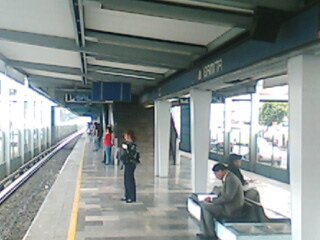
- Getting There The park is served by Metro División del Norte station (Line 3), Metro Parque de los Venados station (Line 12), several bus routes, and is easily accessible via Avenida División del Norte and Eje 7 Sur.
Main Attractions
Iconic Monuments & Art
- Bronze Deer Statues Mark the main entrance and embody the park’s identity.
- Francisco Villa Equestrian Statue A striking bronze monument by Julián Martínez Soto, relocated to the park in 1980, anchors its historical narrative (Mexico City CDMX).
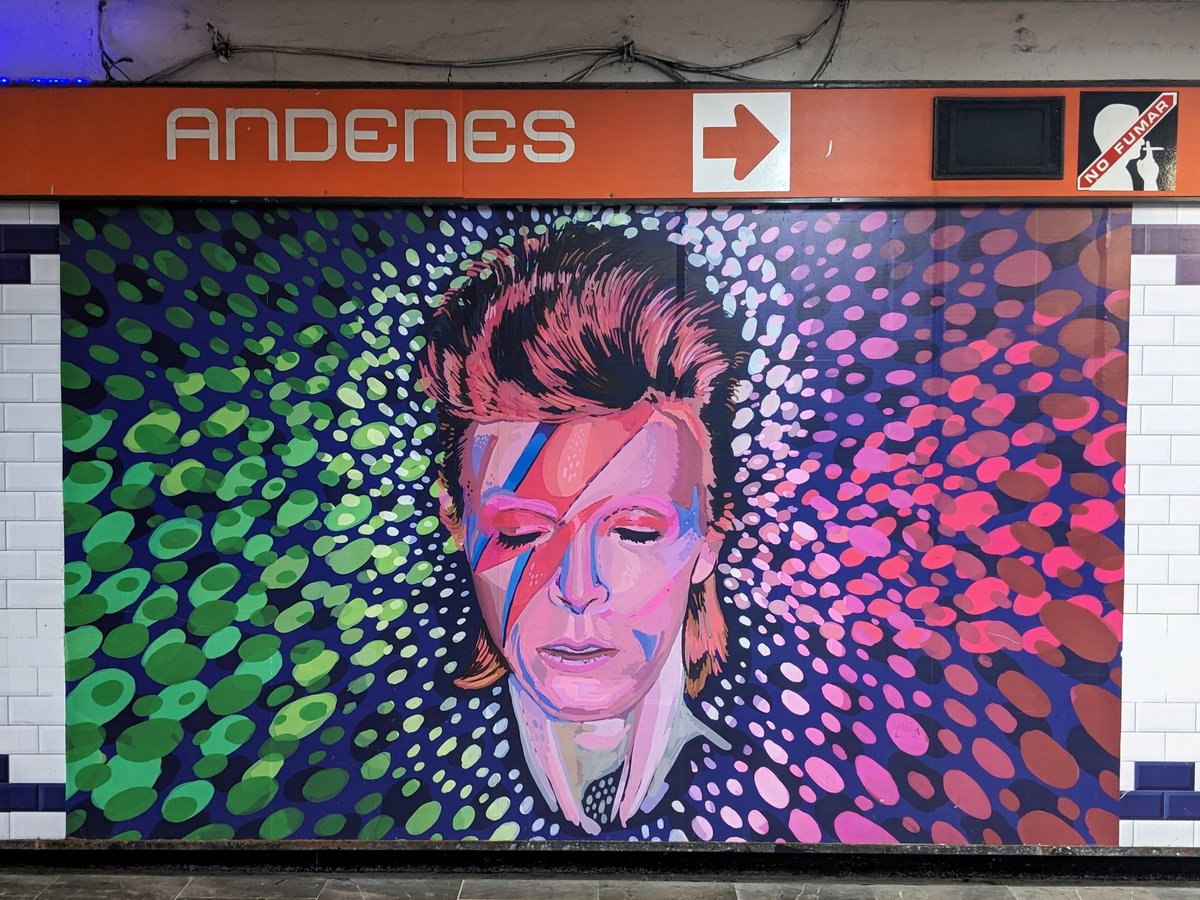
- Murals & Street Art Rotating murals and mosaics by local artists depict indigenous motifs, revolutionary figures, and Mexican folklore.
Green Spaces & Gardens
- Expansive Lawns Mature trees, ornamental gardens, and seasonal flower beds provide shade and color year-round (Alcaldía Benito Juárez).
- 18 Interconnected Gardens Offer tranquil spots for relaxation and recreation.
Playgrounds & Sports Facilities
- Playgrounds Multiple, modern play areas with safety-certified equipment and animal-themed features.
- Sports Basketball courts, soccer fields, a well-equipped skatepark, jogging paths, and an outdoor gym.
- Dog Park Fenced dog run with agility equipment and shaded seating.
Cultural Venues
- Open-Air Amphitheater (Hermanos Soler Theater) Hosts concerts, dance, and theater performances, serving as a cultural epicenter (Mexico Historico).
- Planetario Joaquín Gallo Offers astronomy programs and exhibitions.
- Francisco Gabilondo Soler Auditorium Venue for educational and cultural events.
Markets & Community Events
- Sunday Tianguis Open-air market with local produce, crafts, antiques, and traditional Mexican foods (El Universal).
- Workshops & Classes Year-round offerings for all ages in art, music, fitness, and more.
Facilities
- Restrooms Located near entrances and high-traffic areas; accessible options available.
- Food & Beverage Numerous kiosks and vendors offer snacks, ice cream, and drinks; more variety on weekends and during events.
- Picnic Areas Benches and tables under tree canopies and pergolas.
- Bicycle Paths & Rentals Dedicated cycling routes; rentals available nearby (CDMX Gobierno).
- Security Regular patrols, emergency call boxes, and good lighting.
- Wi-Fi Free public Wi-Fi near main entrances and amphitheater.
- Drinking Fountains Potable water stations throughout the park.
- Recycling Bins Clearly marked containers for waste separation and environmental responsibility.
- Event Rentals Gazebos and lawns can be reserved through the borough office (Alcaldía Benito Juárez).
Community & Cultural Life
Parque De Los Venados is a nucleus of social and cultural activity. The park’s programming is intentionally inclusive, featuring events that celebrate Mexico City’s diversity—such as open-air concerts, artisan markets, dance performances, and food festivals (Secret Attractions). The Hermanos Soler Theater and planetarium are focal points for both scheduled and spontaneous cultural gatherings.
Street performers, local artists, and weekend markets animate the park, fostering a vibrant community spirit. Its accessibility and inclusive design ensure that people of all backgrounds and abilities feel welcome (Mexico Historico).
Environmental Stewardship
The park is committed to ecological preservation and sustainability, with initiatives such as native tree plantings, organic gardens, and environmental workshops (Mexico City CDMX). The expansive canopy supports local wildlife and improves air quality, making it a green sanctuary in the city’s dense urban landscape.
Travel Tips & Visitor Information
- Best Times to Visit Early mornings and late afternoons for a quieter experience; weekends for lively events.
- Weather July brings warm days and possible afternoon rains—pack layers and rain gear (Let’s Travel to Mexico).
- Safety Remain vigilant in crowded areas; keep belongings secure.
- Pets Dogs are welcome in designated areas; bring waste bags and keep pets leashed except in the dog run.
- Sustainability Use recycling bins and respect the park’s natural areas.
Nearby Attractions
Enhance your visit by exploring other nearby Mexico City highlights:
- Museo Frida Kahlo
- Coyoacán Neighborhood
- National Museum of Popular Culture
All are accessible via public transportation from the park.
Frequently Asked Questions (FAQ)
Q: What are the park's opening hours?
A: Daily from 6:00 AM to 10:00 PM.
Q: Is there an entry fee?
A: No, entry is free.
Q: Are pets allowed?
A: Yes, especially in the dedicated dog park area.
Q: How do I get there by public transport?
A: Metro División del Norte (Line 3), Metro Parque de los Venados (Line 12), and several bus routes.
Q: Are there guided tours?
A: Occasionally, through local tourism agencies or community groups; check local listings or the Benito Juárez borough website.