
Historical Background
Origins and Construction
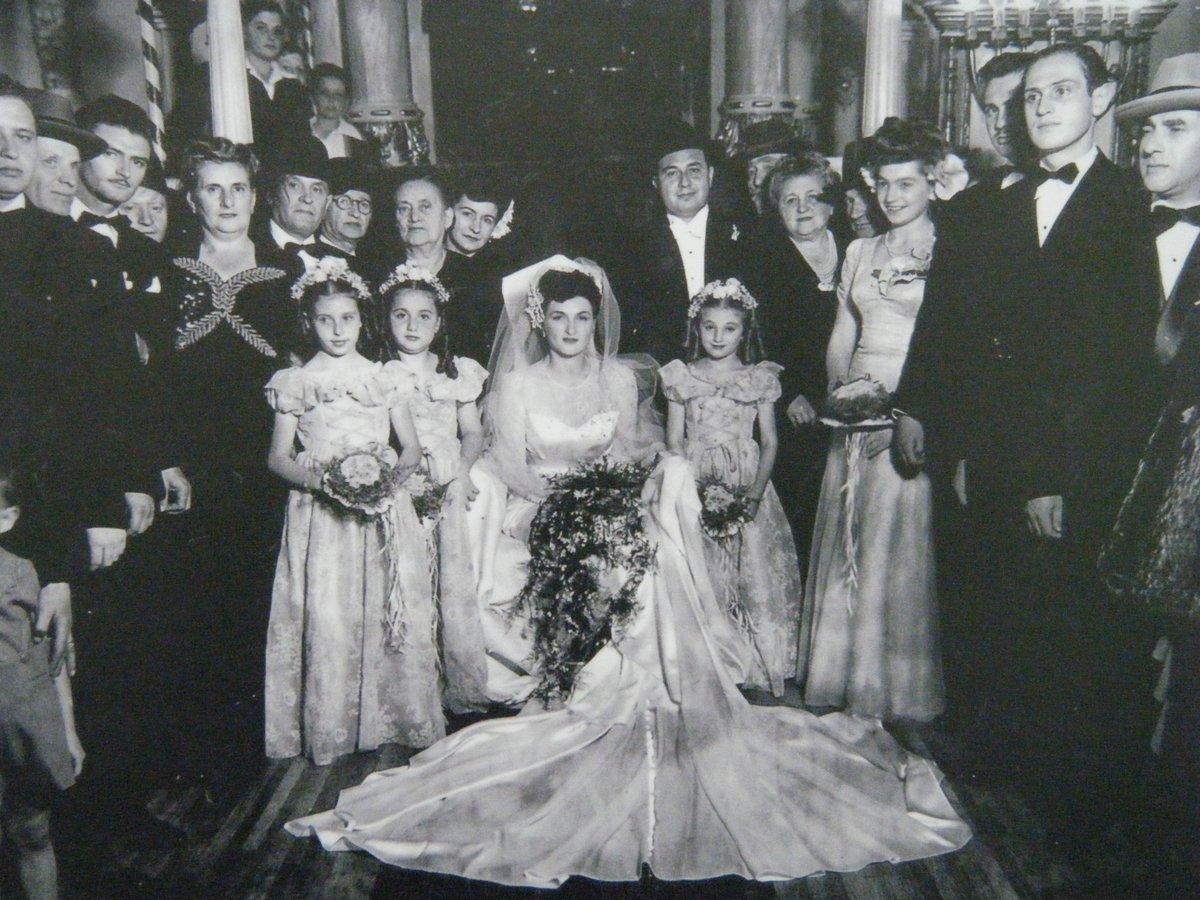
The synagogue was built in the late 1930s and inaugurated in 1941 by Ashkenazi Jews who fled persecution in Europe and sought new beginnings in Mexico City (jewishlatinamerica.com). It quickly became a spiritual and cultural hub for the growing Jewish immigrant population.
Architectural Features
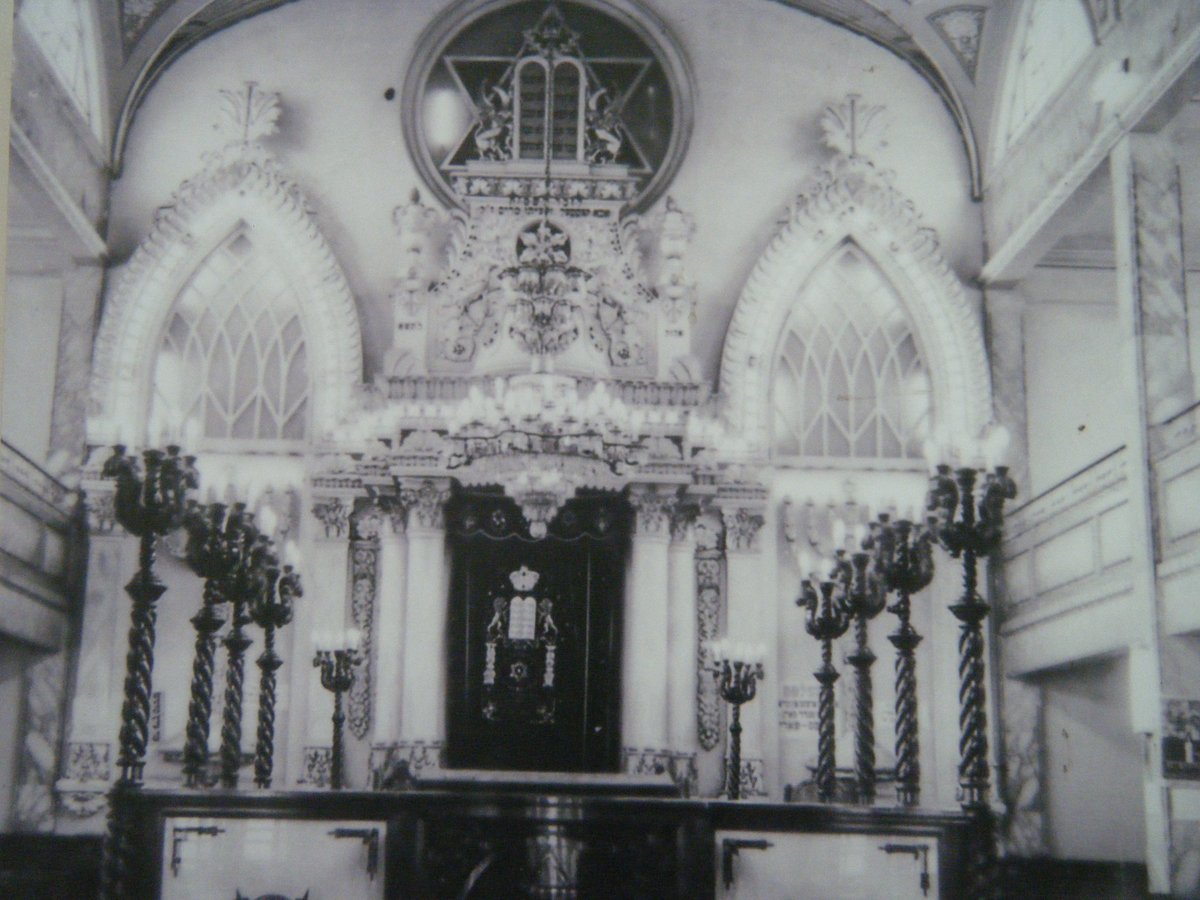
The building elegantly blends neo-colonial, Art Deco, and Eastern European design. Its distinctive double façade harmonizes with the colonial streetscape, while the interior reveals vibrant stained-glass windows, intricate woodwork, and a sanctuary modeled after the Šiauliai synagogue in Lithuania (wikipedia; Atlas Obscura).
Community Life, Decline, and Restoration
Initially a vibrant center for religious services, education, and social gatherings, the synagogue experienced a decline as the community moved to other neighborhoods. After periods of closure, a major restoration project in the 2010s revitalized the building as a cultural and educational center, allowing new generations to connect with Jewish heritage in Mexico (mexicocity.cdmx.gob.mx; sinagogajustosierra.com).
Architectural and Cultural Significance
Design and Layout
- Facade The exterior uses tezontle and cantera stone, blending into the historical neighborhood. Discreet Stars of David hint at its religious function (sinagogajustosierra.com).
- Interior The sanctuary features a central Ashkenazi-style bimah with carved wood and cut glass panels, as well as blue-and-white stained-glass windows symbolizing Jewish tradition (wikipedia).
- Aron Qodesh Modeled after the synagogue in Šiauliai, Lithuania, the Torah ark honors the founders’ heritage (Atlas Obscura).
Restoration
After decades of disuse, restoration efforts focused on preserving original details—woodwork, stained glass, and murals—while adapting the building for cultural and educational purposes. Today, visitors can explore exhibits on both the synagogue’s restoration and Jewish life in Mexico (sinagogajustosierra.com).
Community Role
Justo Sierra 71 is a symbol of Ashkenazi Jewish resilience and integration into Mexican society. The synagogue continues to host religious services, educational programs, concerts, and exhibitions, making it a vital link between past and present (mexicocity.cdmx.gob.mx).
Visitor Information
Location and Access
- Address Justo Sierra 71, Centro, Cuauhtémoc, 06010 Ciudad de México, CDMX, Mexico (Google Maps)
- Metro Zócalo and Allende stations (Line 2), ~10-minute walk
- Nearby Sites Zócalo, Templo Mayor, Metropolitan Cathedral
Visiting Hours
- Tuesday to Friday 10:00 AM – 5:00 PM
- Sunday 10:00 AM – 2:00 PM
- Closed Mondays and Jewish holidays
(Always check the official website for current hours.)
Tickets and Admission
- Adults MXN $50
- Students/Teachers/Seniors MXN $25
- Children under 12 Free
- Purchase At the entrance or online via the official site
- Group Discounts Available for educational groups; advance booking recommended
Accessibility
- Wheelchair-accessible entrance and restrooms, though some historic areas may be challenging; contact in advance for specific needs
Facilities
- Restrooms (including accessible facilities)
- Gift shop with books and Judaica
- Drinking water (no in-house food service)
Guided Tours and Visitor Experience
- Guided Tours Offered in Spanish (English available by prior arrangement). Tours provide in-depth insights into the synagogue’s history, symbolism, and the broader immigrant experience (Tablet Magazine).
- Schedule First and third Sunday of each month at 11:30 AM; Neighborhood Immigrant Tours on the second Sunday at 10:00 AM
- Booking Reserve in advance for groups or English-language tours (sinagogajustosierra.com)
Visitor Etiquette and Practical Tips
- Dress Code Modest attire required. Kippot (skullcaps) provided for men.
- Security Bags may be inspected; ID required for entry.
- Photography Allowed in most areas (no flash/tripods); restrictions apply during religious services or in designated spaces (Tripadvisor).
- Behavior Silence and decorum in the sanctuary; no eating, drinking, or cellphone use inside.
Special Programs, Events, and Accessibility
- Cultural Events Concerts, art exhibitions, lectures, and festivals are regularly hosted (Sinagoga Histórica Events), including workshops on Jewish heritage and interfaith dialogue.
- Accessibility Ramps and accessible restrooms available; contact the synagogue for assistance if needed.
Nearby Attractions and Suggested Itineraries
Combine your visit with a walking tour of Mexico City’s historic center. Nearby highlights include the Palacio de Bellas Artes, Museo de la Memoria y Tolerancia, and other religious and cultural landmarks (CDMX Tourism).
Frequently Asked Questions (FAQ)
Q: How can I buy tickets for Justo Sierra 71?
A: Tickets are available at the entrance or online; advance purchase is recommended for groups and special events.
Q: Are tours available in English?
A: Yes, by prior arrangement—reserve in advance.
Q: Is the synagogue wheelchair accessible?
A: Yes, though some historic areas may be challenging. Contact ahead for details.
Q: Can I take photos inside?
A: Photography is allowed (no flash or tripods), except during services or in restricted areas.
Q: Are there discounts for students or seniors?
A: Yes, with valid ID.
Cultural Sensitivity
The synagogue is a place of active worship and an important cultural monument. Visitors are encouraged to approach with respect and curiosity, fostering intercultural understanding (UNESCO Historic Centre).
Discover More
The Historic Synagogue Justo Sierra 71 represents the resilience and vibrant legacy of Mexico City’s Ashkenazi Jewish community. Its unique architecture, compelling history, and dynamic cultural programming make it a must-visit for anyone interested in the city’s multicultural heritage. Plan your visit, join a guided tour, and explore the surrounding historic center for a truly enriching experience.
For more information, visit the official website, check current schedules and events, or download the Audiala app for interactive guided tours and exclusive content. Stay connected by following the synagogue’s social media and supporting ongoing preservation efforts.