Aculco’s Historical and Cultural Significance
Aculco’s story begins with its founding by the Otomí around 1110 AD (Wikivoyage). The town later became an Aztec tributary before Spanish conquest in the 16th century, which left an indelible mark on its architecture and traditions. The layered history is evident in annual festivals steeped in indigenous and Catholic customs, as well as in the local language, crafts, and cuisine.
Aculco is recognized as a Pueblo Mágico, celebrated for its remarkably preserved colonial core—cobblestone streets, whitewashed adobe houses, and the stately Plaza Principal. Its artisan community is especially noted for cheesemaking and handicrafts, with culinary and cultural traditions passed down for generations (Mexico Daily Post). The town also played a role in the Mexican War of Independence, serving as the site of a key 1810 battle (Wikivoyage).
Key Historical Sites & Visiting Details
Church and Convent of San Jerónimo
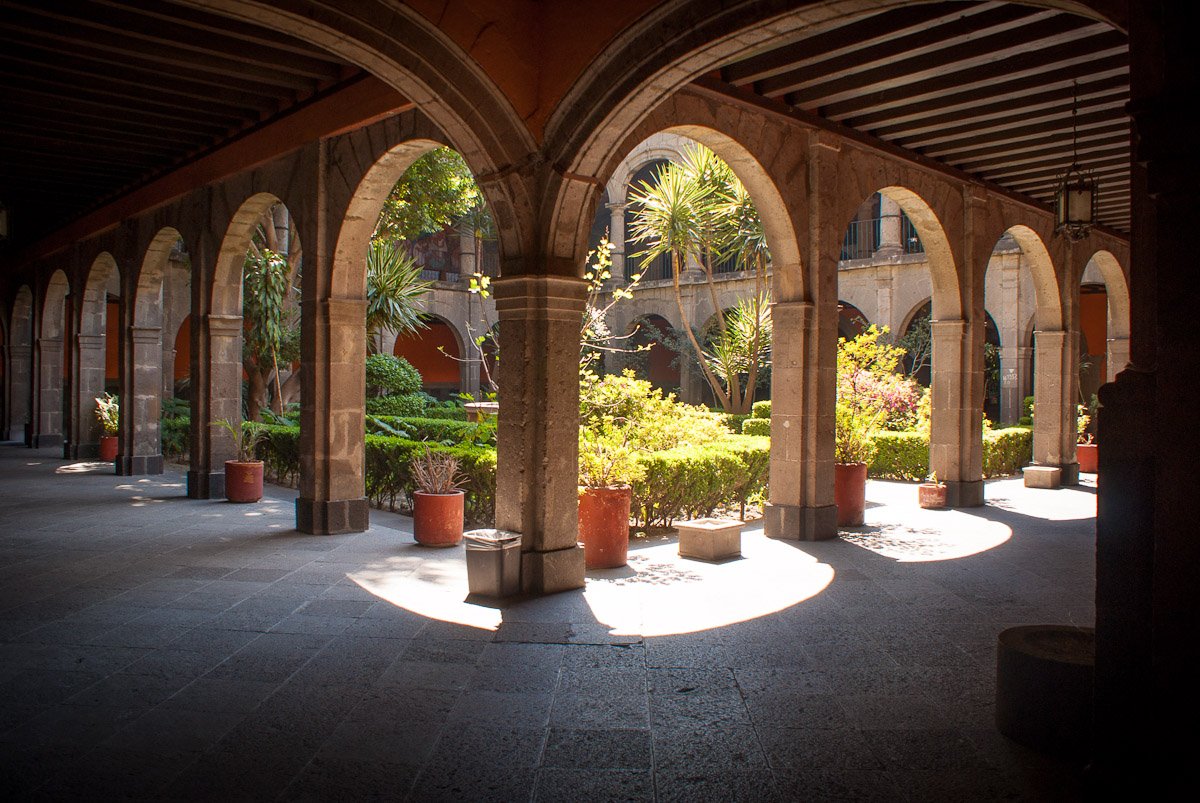
The heart of Aculco’s historical zone, this 16th-century Franciscan church and former convent showcases a striking baroque façade and tranquil cloisters. The interior features gilded altars, religious paintings, and a sense of serenity that has endured for centuries.
- Visiting Hours Tuesday–Sunday, 9:00 AM–5:00 PM.
- Tickets Entrance is free; guided tours available for MXN 50 per person.
- Tours Book on-site or via the Aculco Tourism Office.
- Accessibility Partial; some areas may be challenging for visitors with limited mobility.
Aculco Aqueduct
An 18th-century marvel, the stone aqueduct is a testament to colonial engineering and the town’s adaptation to its mountainous surroundings. Walking along the arches offers panoramic views and a tangible connection to Aculco’s past (Mexico City Private Driver).
- Access Open year-round, 8:00 AM–6:00 PM. No entrance fee.
Other Landmarks
- Garrido Varela Bullring Venue for rodeos and cultural events.
- Former Residence of Miguel Hidalgo y Costilla A commemorative site for the independence hero.
- Town Hall & Plaza Principal The social and cultural heart of Aculco, perfect for photography and people-watching.
- Historic Lavaderos Traditional public washing stations, emblematic of communal life.
Natural Attractions & Outdoor Activities
Aculco’s natural surroundings are as inviting as its historic center. The region boasts dramatic basalt cliffs, fertile valleys, and two unmissable waterfalls:
-
Cascada de la Concepción A 15-meter cascade framed by scenic rock formations, accessible by hiking trails.
- Hours Daily, 7:00 AM–6:00 PM.
- Fee MXN 30 per person.
- Eco-tours MXN 200 with local guides.
-
Cascada Tixhiñú A tranquil waterfall 8 km from town, popular with hikers and rock climbers.
- Hours Daily, 7:00 AM–5:00 PM.
- Fee MXN 25 per person.
- Climbing tours Book in advance.
Surrounding pine forests and valleys are ideal for horseback riding, mountain biking, and nature walks. Guided tours offer insights into local flora and fauna.
Cultural Festivals & Artisan Traditions
Aculco’s vibrant calendar celebrates its blended heritage:
- Foundation Day (February 19) Parades, dances, and fairs.
- Fiesta de San Jerónimo (late September–early October) The town’s main festival, with religious processions, folkloric performances, and communal meals.
- Semana Mayor (Holy Week) Syncretic rituals combining Catholic and indigenous elements.
Artisan workshops throughout town demonstrate traditional weaving, embroidery, pottery, and—most famously—cheesemaking. Oaxaca-style cheeses and local specialties like enchiladas aculquenses, barbacoa, and mole are culinary highlights (One Bold Bunny).
For participatory classes or artisan shopping, contact the official tourism site or inquire at local markets.
Travel Logistics
Getting There & Local Transportation
- By Car 2-hour drive from Mexico City via Highway 15D/57D (tolls apply).
- By Bus Regular service from Terminal Norte (Mexico City) and Toluca; journey lasts about 2 hours (Pesos in My Pocket).
- In Town Aculco is walkable; taxis and local buses connect to outer sites like the waterfalls.
Where to Stay & What to Eat
- Accommodations Choose from guesthouses, boutique hotels, or local inns like Hotel Hidalgo and Hotel Jardín (contact directly for bookings).
- Food Enjoy local cheeses, fresh produce, and traditional dishes at the Mercado Municipal (7:00 AM–3:00 PM) and town eateries. Street food and seasonal food fairs offer affordable and authentic options.
Visitor Tips, Accessibility & Safety
- Climate Cool and humid; average annual temperature 13°C (55°F). Pack layers, rain gear in wet months (June–October), and sun protection.
- Accessibility Cobblestone streets may challenge those with mobility issues. Waterfall trails are unpaved and can be slippery after rain.
- Safety Aculco is welcoming and generally safe. Use common sense: secure valuables, avoid isolated areas at night, and carry cash (limited card acceptance).
- Cultural Etiquette Respect religious events, ask before photographing people, and dress modestly. Sundays and festivals are family-oriented with a lively atmosphere.
- Language Spanish is predominant; Otomí is spoken locally. Use basic Spanish or translation apps for easier communication.
Frequently Asked Questions (FAQs)
Q: What are the hours for Aculco’s main attractions?
A: Most sites open 8:00/9:00 AM to 5:00/6:00 PM. Waterfalls are accessible from 7:00 AM.
Q: Are entrance fees required?
A: Most historical sites are free or charge a nominal fee (up to MXN 50). Waterfalls and guided tours may charge extra.
Q: Can I book tours in advance?
A: Yes, through the Aculco Tourism Office, local hotels, or the official state tourism site.
Q: Is Aculco family-friendly?
A: Absolutely—markets, festivals, and outdoor activities welcome all ages.
Q: Best time to visit?
A: November–April for dry weather; September–October for major festivals.