
Origins and Construction
The Velódromo Olímpico Agustín Melgar was conceived as part of Mexico’s ambitious preparations for the 1968 Olympic Games. Designed by architect Herbert Schurmann, its 333.33-meter, banked wooden track—originally made from durable African “Doussie afzeiba” wood—set a new standard for cycling venues in Latin America (Edemx). The facility spanned 5.2 hectares and accommodated 6,400 spectators, featuring modern amenities including underground tunnels, dressing rooms, and accessible facilities.
Role in the 1968 Olympic Games
During October 1968, the Velódromo hosted the Olympic track cycling events, marking a milestone as Mexico’s first Olympic cycling venue (Cultura Sinaloa). Its advanced design and high-quality track enabled record-breaking performances and showcased Mexico’s commitment to international sports infrastructure.
Cultural and Urban Significance
The Velódromo is more than a sports arena; it embodies the modernization and urban transformation of Mexico City during the 1960s. It stands as a “site of memory” representing both the Olympic spirit and the city’s dynamic urban development. The venue has become a symbol of community identity and collective memory, protected and celebrated by athletes, architects, and local citizens (Academia.edu).
Evolution and Adaptation
After the Olympics, the Velódromo continued to host sporting events—cycling, athletics, and even football—adapting to the city’s changing recreational needs. Over time, the facility faced periods of neglect and deterioration, prompting community activism and government-led renovations. In 2015, a significant restoration preserved its original character while modernizing infrastructure for contemporary use (Edemx).
Community Involvement and Preservation
Public campaigns and civic engagement have been instrumental in safeguarding the Velódromo against demolition proposals and inappropriate redevelopment. The venue’s survival underscores the importance of shared responsibility between citizens and authorities in preserving historic sports facilities as vital urban and cultural assets (Academia.edu).
Current Uses and Events
Versatile Venue
Today, the Velódromo is a dynamic, multi-purpose venue. In addition to cycling competitions and athlete training, it regularly hosts concerts, music festivals, community gatherings, and cultural fairs (Songkick). The adaptable design allows for event capacities ranging from 6,000 to 10,000 attendees, depending on configuration (Ticketmaster).
Notable Events
Recent highlights include:
- Nu Metal Revolution 2025 Featuring Machine Head, Nonpoint, Powerman 5000, Orgy.
- Chivas Regal Supremacy 2025 With Gabito Ballesteros, Mario Bautista, El Malilla.
- We Missed Ourselves Fest 2025 Starring Sleeping With Sirens, Black Veil Brides.
The Velódromo also supports local initiatives, promoting inclusion by hosting events for all communities, including those for indigenous and LGBTQ+ artists (MexicoHistorico.com).
Visitor Information: Hours, Tickets, and Accessibility
Hours
- General Hours Open Tuesday to Sunday, 8:00 AM to 6:00 PM. Closed Mondays.
- Event Hours Gates typically open 1–2 hours before scheduled events. Always verify specific event times via the official venue page.
Tickets
- General Admission Free entry for casual visitors when no paid events are scheduled.
- Event Tickets Available online through Ticketmaster Mexico or at the venue’s box office. Prices vary by event.
Accessibility
- Mobility Ramps, adapted restrooms, and accessible seating are available.
- Parking On-site parking for approximately 860 vehicles; limited availability during large events.
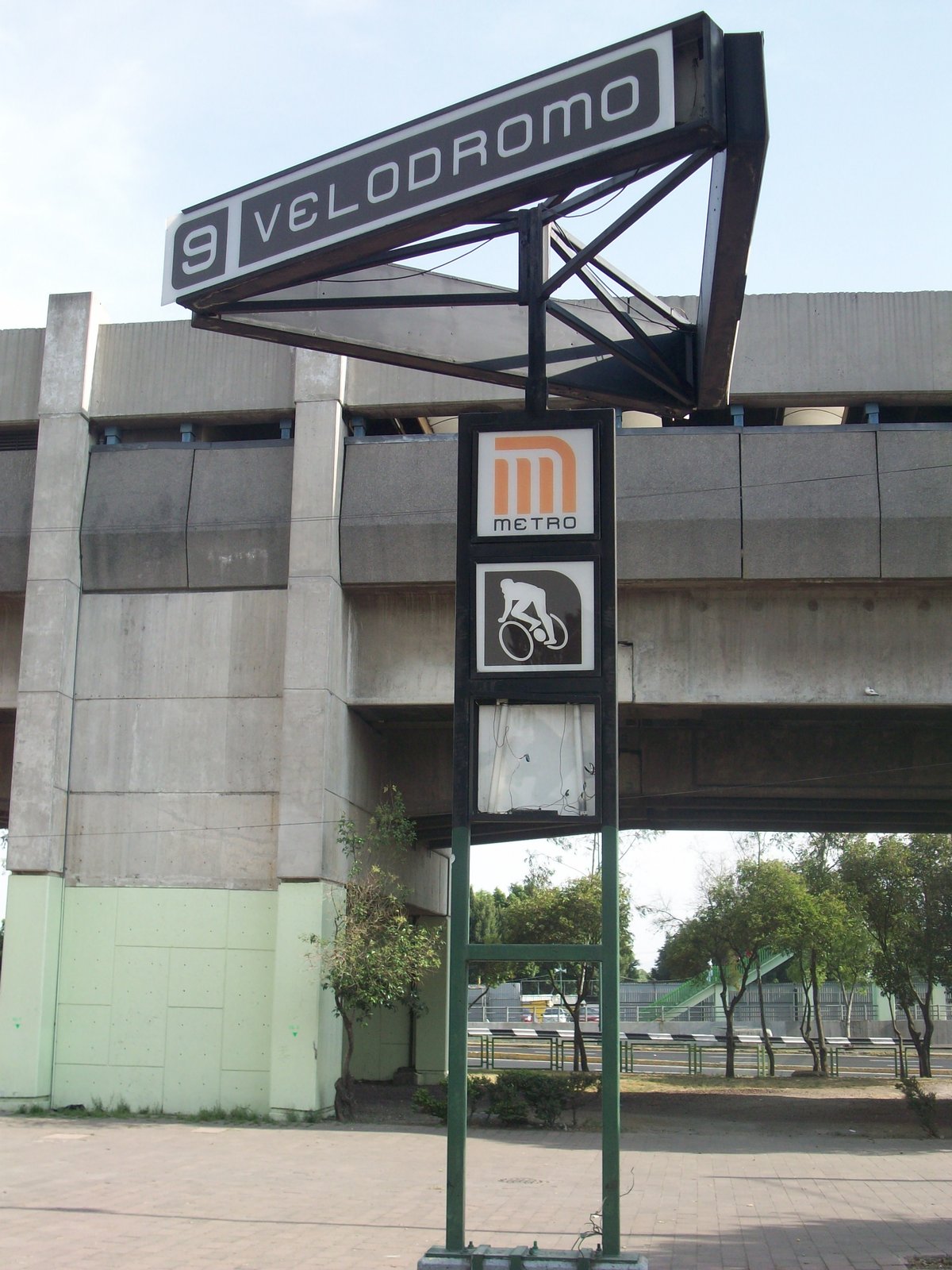
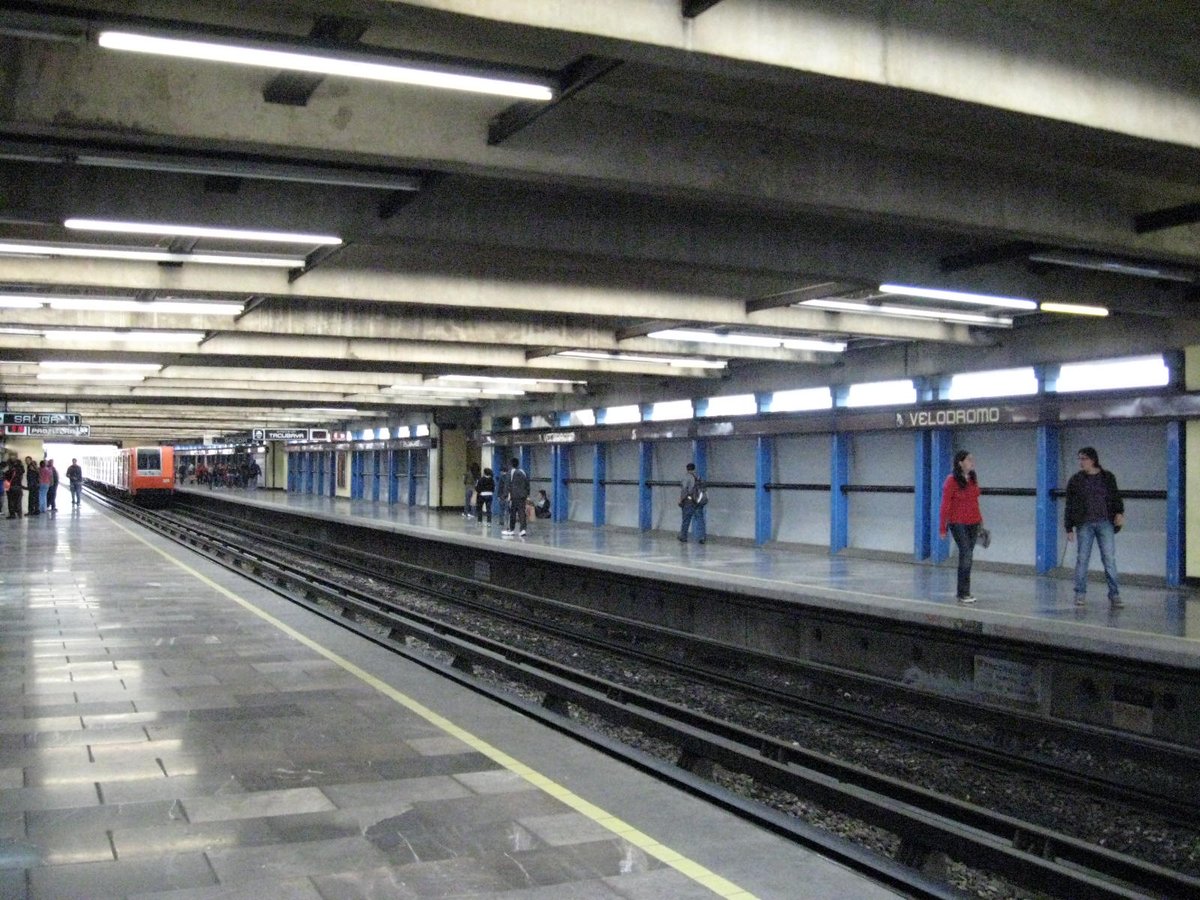
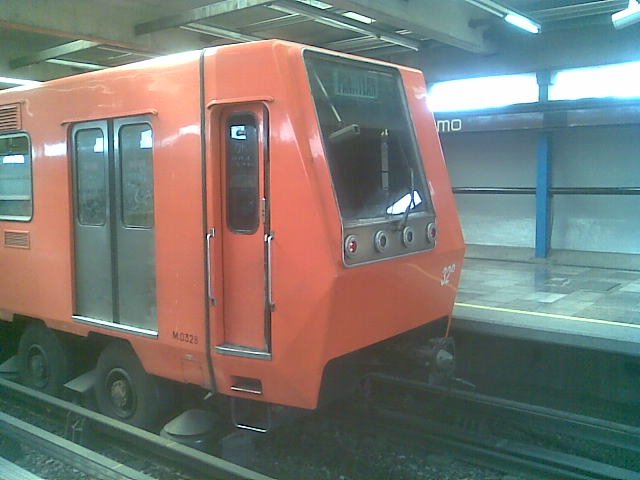
- Public Transport Close to Metro Velódromo (Line 9), Metrobús, and city buses. Taxis and rideshare apps are widely used (MexicoCity.cdmx.gob.mx).
- Safety Venue security is robust, especially during events. Standard urban safety precautions apply.
How to Get There and Nearby Attractions
Directions
- By Metro Line 9 (brown), Velódromo Station, ~5 minutes on foot.
- By Metrobús Line 1, Velódromo stop.
- By Car Access via Avenida Río Churubusco, with clear signage to Ciudad Deportiva Magdalena Mixhuca.
Nearby Attractions
- Palacio de los Deportes Concerts and sporting events (MexicoCity.cdmx.gob.mx).
- Estadio Jesús Martínez “Palillo” Athletics and community events (Mapcarta).
- Sala de Armas Indoor sports (MexicoCity.cdmx.gob.mx).
- Centro Cultural Balbuena Local arts and workshops.
- Mercado Tlacotal Authentic Mexican street food and produce.
- Jardín Balbuena Green spaces for relaxation.
Practical Tips for Visitors
- Arrive Early To avoid lines and secure good seats, especially for concerts.
- Stay Hydrated Mexico City’s altitude (2,240m) can be challenging (Lonely Planet).
- Weather Preparedness Bring sun protection for day events and rain gear in the wet season (June–September).
- Use Public Transport Eases parking stress and is more sustainable (The Unconventional Route).
- Food & Shopping On-site vendors offer snacks; explore nearby markets for local cuisine.
- Photography Permitted for personal use; professional equipment may require special permission.
FAQs
Q: What are the Velódromo’s standard visiting hours?
A: Tuesday to Sunday, 8:00 AM–6:00 PM; closed Mondays. Event schedules may differ—check the official website.
Q: How do I buy tickets?
A: For paid events, tickets are available via Ticketmaster Mexico or at the venue.
Q: Is the Velódromo wheelchair accessible?
A: Yes, it features ramps, accessible restrooms, and designated seating.
Q: Can I take photos during my visit?
A: Yes, for personal use. Restrictions may apply for professional equipment.
Q: What attractions are nearby?
A: The Palacio de los Deportes, Sala de Armas, Mercado Tlacotal, and green spaces within Ciudad Deportiva Magdalena Mixhuca.